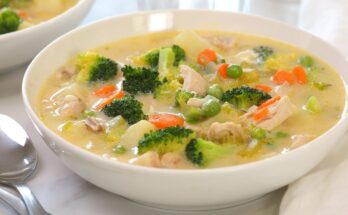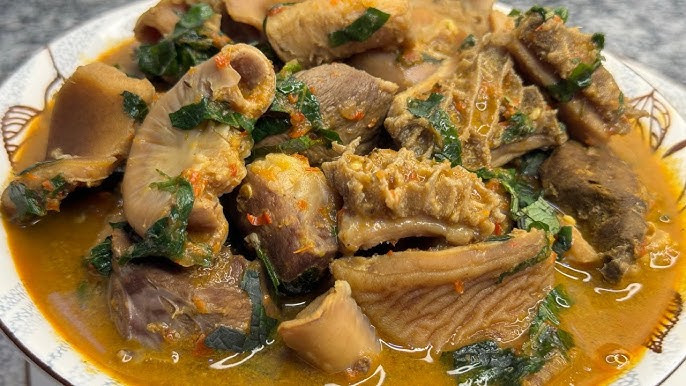
Pepper Soup Recipe: There’s something deeply comforting about a steaming bowl of pepper soup. Whether you’re battling a cold, warming up on a rainy day, or just craving bold, spicy flavors, pepper soup hits the spot every single time. It’s more than just a dish – it’s a staple in many West African homes, passed down through generations and shared with love.
But here’s the best part: you don’t need to be an expert chef or have a long list of rare ingredients to make it. With the right mix of spices and a bit of patience, anyone can recreate this soulful meal in their kitchen.
So, grab a spoon and let’s get into this guide—step-by-step!
What Is Pepper Soup?
Pepper soup is a spicy, watery broth that hails from West Africa—particularly Nigeria and Ghana. Its base is typically made from meat or fish, simmered with a rich combination of indigenous spices. Unlike creamy or thick soups, this one is light, brothy, and intensely aromatic. The star of the show? The traditional spice blend that gives it that unmistakable heat and depth of flavor.
There are countless variations depending on the region, and even families have their secret spice combinations. Some prefer goat meat for a robust flavor, others use fish like catfish or tilapia for a lighter feel. Whichever way you go, the idea is the same: a fiery, fragrant broth that soothes your soul and clears your sinuses.
Health Benefits of Pepper Soup
You’d be surprised how many health perks are packed into this simple dish. First off, pepper soup is excellent for digestion. Thanks to the natural spices—like ginger, garlic, and pepper—it can help soothe stomach troubles and even reduce inflammation.
- Clears sinuses: That spicy kick helps open nasal passages.
- Boosts immunity: With ingredients like garlic and onions, your body gets a natural boost.
- Low in fat: Since it’s broth-based, it’s generally lighter than cream-based soups.
- Great for recovery: In many cultures, it’s served to people recovering from illness.
Whether you’re under the weather or just need a hearty bowl of comfort, pepper soup does the trick.
Ingredients You’ll Need
Here’s your master list of ingredients to make a classic pepper soup:
Core Ingredients
- 2 lbs meat (goat, chicken, or fish)
- 1 medium onion (chopped)
- 2 tablespoons ground crayfish (optional)
- 3-4 scotch bonnet peppers (adjust to taste)
- 1 tablespoon pepper soup spice mix (see next section)
- 1 tablespoon ground uziza seeds (optional)
- Salt to taste
- Seasoning cubes or bouillon (e.g., Maggi or Knorr)
- Water (6–8 cups)
Optional Ingredients
- Scent leaves or basil
- Fresh ginger and garlic (grated)
- Uda (Negro pepper)
- Ehuru (Calabash nutmeg)
- Ground pepper for extra heat
Feel free to swap out some spices depending on what you have at home, but keep the base ingredients intact for authenticity.
Choosing the Right Meat or Fish
This soup is flexible when it comes to protein. That’s what makes it so versatile!
- Goat Meat: Bold and gamey, ideal for deep, rich flavors.
- Chicken: Use native or hard chicken for a firmer texture.
- Catfish: Known in Nigeria as “Point and Kill,” this version is wildly popular. Just be sure to clean it thoroughly.
- Turkey or Beef: Great if you want a less intense meat profile.
Tips:
- For fish, always wash with lime or vinegar to cut down on slime.
- For tougher meats like goat or beef, precook with onions and spices to tenderize before adding to the soup.
Essential Spices for Authentic Pepper Soup
Traditional pepper soup lives and dies by its spices. You can buy a pre-made spice mix or blend your own at home.
Must-Have Spices
- Ehuru (Calabash Nutmeg): Smoky and earthy
- Uda (Negro Pepper): Slightly bitter, adds depth
- Uziza Seeds: Peppery heat and fragrance
- Crayfish Powder: For umami and richness
- Scotch Bonnet Peppers: Brings that fiery heat
Pro Tip:
Roast and blend your whole spices for a fresh, bold flavor. You’ll taste the difference.
Prepping Your Ingredients
Before the cooking begins, the key to a flavorful pepper soup is all in the prep. A little extra care at this stage will make a world of difference in the final taste. Let’s walk through it.
1. Cleaning the Protein
Whether you’re using goat meat, chicken, or fish, cleanliness is non-negotiable. For red meats like goat or beef, rinse in water, then clean with a mixture of water and vinegar or lemon juice to remove any strong odors. For catfish, a salt and lime combo works best to remove the slime. Rinse until the flesh feels firm and squeaky clean.
2. Seasoning the Meat
Don’t wait until the soup is cooking to season the meat. Season it from the very beginning. Add chopped onions, seasoning cubes, a pinch of salt, and some ground pepper to the cleaned meat. Let it marinate for 15–30 minutes for a deeper flavor.
3. Blending the Spices
If you’re using whole spices like uda or ehuru, toast them briefly in a dry pan. This activates their oils and boosts the aroma. Then, grind them into a powder using a dry blender or mortar and pestle. Combine all your powdered spices into one mix so it’s ready when you need it.
4. Chopping and Blending Peppers
Scotch bonnets pack heat, so be careful. Blend them with a bit of water for easy mixing. You can also add garlic and ginger to this blend if you want a zesty undertone.
This entire prep phase should take 30–45 minutes, but it sets the foundation for a perfectly balanced soup.
Tools You’ll Need
Pepper soup doesn’t require fancy tools. But having the right basics makes the process easier.
Essentials:
- A large soup pot or saucepan
- Blender (for spices and peppers)
- Knife and chopping board
- Wooden spoon or ladle
- Measuring spoons (for spices)
- Sieve (optional, for straining spice mix)
Traditional Alternatives:
In some kitchens, mortar and pestle are still used to grind spices. They give a rustic texture and authentic flavor you just can’t replicate with a blender.
If you’re short on time, modern spice grinders and electric stoves work just fine. It’s the ingredients—not the tools—that bring this dish to life.
How to Make Pepper Soup (Step-by-Step Guide)
This is the heart of the process, so follow each step carefully for that rich, bold, and spicy pepper soup.
Step 1: Prepare the Meat or Fish
After cleaning and seasoning your protein, place it in a large pot. Add about half of your chopped onions and 2 cups of water. Simmer for 10–15 minutes. This starts to soften the meat and infuse it with flavor.
Step 2: Add the Spices
Pour in your spice mix, crayfish, ground uziza seeds, and blended scotch bonnets. Stir everything together thoroughly. At this point, the smell will start to come alive—it’s magical!
Add more water to bring it to soup consistency, about 6–8 cups total depending on the amount of meat.
Step 3: Simmer to Perfection
Cover the pot and let the soup cook for 30–45 minutes on medium heat. If you’re using goat meat, give it a bit more time to tenderize. Stir occasionally, and adjust water if it starts to dry out. Fish cooks faster, so check after 10–15 minutes to avoid it breaking apart.
Step 4: Taste and Adjust
Taste the broth for salt and heat. Add more seasoning cubes or ground pepper if necessary. If it’s too spicy, a splash of lemon juice or extra water can mellow it out.
Step 5: Add Herbs and Garnish
Toss in scent leaves or fresh basil right at the end for an herbal twist. Let it simmer for an additional 5 minutes. Done!
Serve hot, and you’ve got yourself a bowl of soul-warming pepper soup that’s perfect for any occasion.
Cooking Time and Temperature Tips
Getting the timing right ensures the meat is tender and the spices are infused without turning the soup into mush.
General Guidelines:
- Goat Meat: 45–60 minutes
- Chicken (hard): 30–45 minutes
- Catfish: 10–15 minutes (be gentle!)
- Turkey or beef: 40–50 minutes
Temperature Tips:
- Start on high heat to bring everything to a boil.
- Reduce to medium heat for a slow simmer.
- Avoid boiling fish too long—it’ll fall apart and cloud the soup.
Use a tight-fitting lid to lock in moisture and flavor.
Variations of Pepper Soup
Don’t be afraid to experiment! The base remains the same, but the protein and herbs can shift depending on what you have or what mood you’re in.
1. Chicken Pepper Soup
This is lighter and cooks faster. Perfect for when you want something soothing and quick. Works well with native chicken, which holds flavor better.
2. Catfish Pepper Soup (Point and Kill)
A fan favorite in Nigeria! The fish is usually picked live from a tank, hence the name. Clean thoroughly and avoid stirring too much to keep the fish whole.
3. Vegetarian Version
Yes, you can go meatless! Use mushrooms, tofu, or hearty veggies like yams or plantains. The spice blend does all the heavy lifting.
You can also mix and match: chicken and goat, turkey and fish—anything goes, as long as the flavor’s right.
Serving Suggestions
You’ve made this rich, aromatic pepper soup—now how do you serve it? While pepper soup is a star on its own, pairing it with the right side or drink can elevate the entire experience.
1. Classic Accompaniments
- White Rice: This is the most common combo. Pepper soup + steamed rice = comfort food at its best.
- Boiled Yam or Plantain: These soak up the broth beautifully and add a sweet balance to the heat.
- Agidi (Eko): A traditional Nigerian cornmeal pudding that’s soft, firm, and perfect for dipping.
2. Drinks to Pair
Cold drinks work best to balance the spicy kick.
Try:
- Palm wine (for an authentic traditional touch)
- Zobo drink (hibiscus-based)
- Chilled water or fruit juices
3. Presentation Tips
- Serve in a deep bowl so the broth and meat/fish sit comfortably.
- Add a sprig of fresh herbs like basil or scent leaf for color and aroma.
- Use a side plate for rice, yam, or plantain and let the guests mix as they eat.
Make it inviting, make it hearty, and let the aroma do the talking.
Storing and Reheating
Made a big pot and can’t finish it in one go? No worries—pepper soup stores beautifully and even tastes better the next day!
How to Store
- Fridge: Let the soup cool completely, then store in airtight containers. It lasts 3–4 days.
- Freezer: Pour into freezer-safe containers. It can last up to 1 month. Label with the date so you don’t forget.
Reheating Tips
- Heat gently over medium-low heat to avoid overcooking the meat or fish.
- Add a splash of water if it thickens too much.
- Taste before serving—you may need to adjust salt or seasoning after freezing.
Pro Tip: If using fish, be very careful during reheating to prevent the pieces from breaking up too much.
Common Mistakes to Avoid
Pepper soup may seem straightforward, but a few missteps can affect the taste or texture. Let’s help you dodge them.
1. Using Stale or Store-Bought Spices Only
Nothing beats the aroma of freshly ground spices. Pre-packaged blends lose potency over time. Always smell your spices before use. If they smell flat, they’ll taste flat.
2. Rushing the Cooking Time
Trying to cook goat meat in 15 minutes? Not happening. Let tougher cuts simmer gently for the flavor and texture to fully develop.
3. Overcrowding the Pot
Too many ingredients or too much meat can throw off the broth-to-meat ratio. Make sure everything has room to cook properly.
4. Over-stirring Fish-Based Soup
One stir too many, and your fish turns into mush. Swirl the pot gently instead of using a spoon once fish is added.
5. Ignoring Taste Tests
Always taste as you go! Spices, peppers, and bouillon cubes can vary in strength. Trust your taste buds.
Avoid these mistakes and you’re on your way to pepper soup perfection.
Final Tips for a Perfect Pepper Soup
If you’ve made it this far, you’re nearly a pepper soup pro. But here are a few extra tips to take your dish from good to unforgettable.
1. Let It Rest
After cooking, let the soup sit with the lid on for 10–15 minutes before serving. This allows the flavors to settle and deepen.
2. Use Fresh Herbs
Add fresh scent leaves or basil right at the end, not earlier. Overcooking them kills their flavor and aroma.
3. Customize the Heat
Not everyone likes their food blazing hot. Start small with your scotch bonnets and increase as needed. You can always add more spice, but you can’t take it out.
4. Roast Your Spices
If using whole spices like uda or ehuru, a quick roast in a dry pan makes a world of difference in flavor and smell.
5. Enjoy the Process
Cooking pepper soup isn’t just about eating—it’s a ritual. The scent filling your kitchen, the simmering pot, the first spoonful—it’s all part of the magic.
FAQs about Pepper Soup Recipe
1. Can I make pepper soup without pepper?
Yes, but it won’t really be pepper soup anymore. You can reduce the spice level by using fewer scotch bonnets or substituting with milder peppers.
2. How spicy is traditional pepper soup?
Traditionally, it’s quite spicy. But spice levels are totally customizable. Start mild and build up to your heat tolerance.
3. What’s the best protein for beginners?
Chicken is the easiest. It’s quick to cook, widely available, and absorbs flavors well.
4. Can I make it in a slow cooker?
Absolutely! Just prep your ingredients as usual and let it slow cook for 4–6 hours. Add herbs in the last 30 minutes.
5. Is pepper soup good for colds?
Yes! The steam and spices help clear sinuses and soothe sore throats. Plus, the warm broth is comforting.
Conclusion
Pepper soup isn’t just food—it’s a feeling. Warm, spicy, nourishing, and bold. Whether you’re making it for yourself on a chilly evening or sharing with loved ones during a celebration, this dish brings people together. And now that you’ve got the step-by-step guide, the perfect bowl is just a pot away.
Remember: start with good ingredients, use the right spices, and don’t rush it. Your kitchen will smell amazing, your guests will be impressed, and you’ll probably wonder why you didn’t start making pepper soup sooner.
So, grab your pot, pick your protein, and spice things up. You’ve got this!