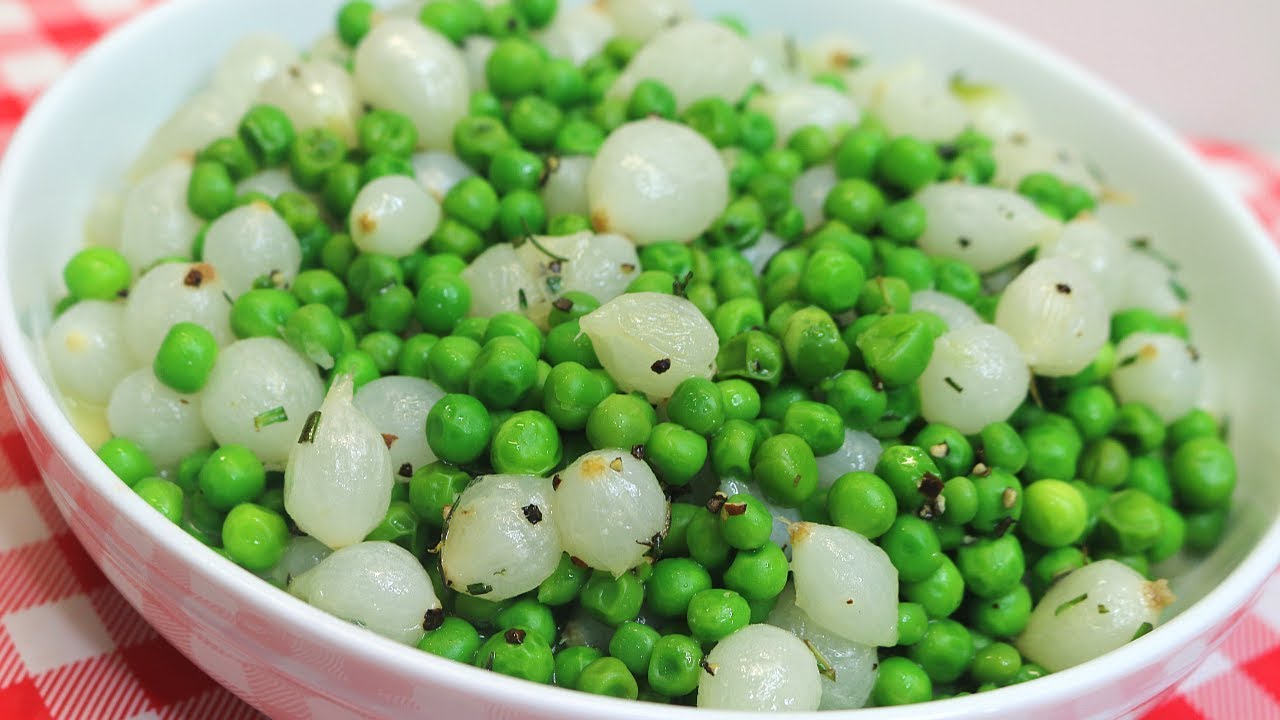
Pearl Onion Recipe: Pearl onions are tiny, marble-sized onions that pack a punch in flavor and charm. Often used in gourmet dishes or festive meals, they bring a subtly sweet, mild onion taste that adds depth without overwhelming a dish. These miniature bulbs come in white, red, and yellow varieties, and they’re a favorite in both rustic home cooking and upscale restaurant cuisine.
They might be small, but these little guys hold big potential in the kitchen. Whether you roast them, cream them, or caramelize them, they bring an irresistible flavor. Think of them as the elegant cousin of your regular onion — dressed up and ready to impress.
You’ve probably seen pearl onions pop up during holidays, nestled beside a Thanksgiving roast or floating in a hearty stew. But they’re not just for special occasions. Once you master the simple process of cooking them, they can become a staple side dish or a key ingredient in your everyday recipes.
Health Benefits of Pearl Onions
Beyond their flavor, pearl onions are surprisingly healthy. Like their larger relatives, they’re rich in antioxidants and sulfur-containing compounds, which have anti-inflammatory and immune-boosting benefits. They’re also low in calories but high in fiber, vitamin C, and flavonoids — perfect for anyone watching their weight or focusing on heart health.
One standout compound in onions, quercetin, is known for fighting free radicals and reducing blood pressure. Plus, because they’re milder in flavor, pearl onions tend to be easier on the stomach than regular onions, making them a great choice for sensitive tummies.
They’re also rich in prebiotics, which support gut health by feeding the beneficial bacteria in your digestive system. In short? Pearl onions are more than just a pretty garnish — they’re a legit superfood.
Types of Pearl Onion Dishes
Pearl onions can be the star of several recipes. Some of the most popular dishes include:
- Classic Buttered Pearl Onions – Simple, elegant, and buttery smooth. A must-try.
- Creamed Pearl Onions – A holiday favorite that’s rich and indulgent.
- Roasted Pearl Onions – Brings out their natural sweetness with a caramelized crust.
- Pickled Pearl Onions – Great for charcuterie boards or a tangy kick in salads.
- Pearl Onions in Balsamic Glaze – A sweet-and-sour twist that’s perfect with roasted meats.
Once you know the basic preparation, you can switch up the flavors to suit any dish or mood.
Choosing the Right Pearl Onions
You might notice there are a few different types of pearl onions at the store. Here’s how they differ:
- White Pearl Onions – Most commonly used. Mild and slightly sweet.
- Red Pearl Onions – A bit bolder in flavor, beautiful for presentation.
- Yellow Pearl Onions – Sweetest variety, great for caramelizing.
You’ll also have the option of fresh vs. frozen. Fresh onions have the best texture and flavor, but frozen are a huge time-saver — they come pre-peeled! If you’re short on time or cooking for a crowd, frozen pearl onions work just fine in most recipes.
How to Peel Pearl Onions Easily
Peeling pearl onions is probably the biggest challenge — but here’s a shortcut method that works every time:
- Trim the ends: Slice just a bit off the root end.
- Blanch them: Drop the onions into boiling water for 2 minutes.
- Shock in ice water: Immediately transfer to ice water to cool.
- Squeeze and pop: Gently squeeze the onion and it should pop right out of the skin.
Pro Tips:
- Do small batches at a time to avoid overcooking.
- Use a paring knife to assist with stubborn skins.
- If you’re using frozen onions, you can skip all of this!
List of Ingredients You’ll Need
Here’s what you need for a classic buttered or roasted pearl onion dish. This version keeps things simple but flavorful:
- 1 lb pearl onions (fresh or frozen)
- 2 tablespoons unsalted butter
- Salt, to taste
- Freshly ground black pepper
- 1 teaspoon sugar (optional, enhances sweetness)
- 1 tablespoon olive oil (for roasting or sautéing)
- Optional:
- Fresh herbs like thyme or rosemary
- A splash of balsamic vinegar
- Garlic cloves (for extra punch)
Feel free to customize the flavors. For example, adding a cream sauce or tossing with balsamic glaze can completely transform the dish.
Tools & Equipment You’ll Need
Nothing fancy here, just kitchen basics:
- A medium saucepan (for boiling or blanching)
- Skillet or roasting pan
- Slotted spoon (for blanching)
- Paring knife
- Mixing bowl
- Oven (if roasting)
If you’re making creamed pearl onions, you’ll also need a small pot or saucepan for the béchamel sauce.
Step-by-Step Guide to Cook Pearl Onions
Pearl onions are small, mildly sweet, and incredibly versatile. You can sauté, boil, or roast them to bring out their natural flavor. Here’s how to cook them perfectly every time.
Step 1: Preparing the Onions
Start by peeling the pearl onions. To make this easier, blanch them in boiling water for about 1 minute, then transfer immediately to ice water. Trim off the root ends and gently squeeze—the skins should slide right off. Rinse and pat them dry before cooking.
Step 2: Cooking on the Stovetop
Heat a skillet over medium heat and add butter or olive oil. Add the peeled pearl onions in a single layer and sauté for 5–7 minutes, stirring occasionally, until they begin to turn golden. Add a splash of water or broth, cover, and let them simmer for another 5–10 minutes until tender. Season with salt and pepper to taste.
Step 3: Roasting Variation
Preheat your oven to 200°C (400°F). Toss the peeled pearl onions with olive oil, salt, and pepper. Spread them on a baking sheet in a single layer and roast for 20–25 minutes, stirring once halfway through, until caramelized and lightly browned.
Step 4: Adding Flavor: Herbs, Spices, and Sauces
Enhance the flavor with fresh herbs like thyme, rosemary, or parsley. For extra depth, add garlic, black pepper, paprika, or a pinch of chili flakes. You can also finish with balsamic glaze, soy sauce, or a splash of cream for a rich, glossy coating. Serve warm as a side dish or add to stews and roasts.
How to Make Creamed Pearl Onions
If you’re aiming for that rich, comforting side dish that feels like a warm hug, creamed pearl onions are your answer. It’s a holiday staple in many homes, but it’s way too delicious to save just for Thanksgiving or Christmas.
Ingredients:
- 1 lb peeled pearl onions (fresh or frozen)
- 2 tablespoons unsalted butter
- 2 tablespoons all-purpose flour
- 1 ½ cups whole milk (or half-and-half for a richer version)
- Salt and pepper to taste
- A pinch of nutmeg (optional)
- Grated Parmesan or Gruyère cheese (optional, for topping)
- Fresh parsley (for garnish)
Instructions:
- Boil the Onions: Start by boiling the pearl onions in lightly salted water for about 8–10 minutes, until just tender. Drain and set aside.
- Make the Cream Sauce: In a medium saucepan, melt the butter over medium heat. Stir in the flour and whisk constantly for about 1–2 minutes until it forms a roux (a paste-like texture).
- Add the Milk: Slowly pour in the milk, continuing to whisk to prevent lumps. Keep stirring until the sauce thickens, about 5–7 minutes.
- Season to Taste: Add salt, pepper, and a pinch of nutmeg for extra depth.
- Combine and Simmer: Add the cooked onions into the sauce. Reduce the heat and let everything simmer together for another 5 minutes so the flavors meld.
- Top and Broil (Optional): If you’re feeling fancy, transfer the mixture to a baking dish, sprinkle with grated cheese, and broil for 2–3 minutes until bubbly and golden on top.
Creamed pearl onions are rich, silky, and packed with flavor. They’re a must-try for creamy side dish lovers.
How to Roast Pearl Onions for a Side Dish
Roasted pearl onions are the easiest, most flavorful way to enjoy this veggie. Roasting brings out their natural sugars, making them caramelized and slightly crispy on the edges — like nature’s candy.
Ingredients:
- 1 lb pearl onions, peeled
- 2 tablespoons olive oil
- Salt and pepper
- Fresh rosemary or thyme (optional)
- Balsamic vinegar or honey glaze (optional)
Instructions:
- Prep the Onions: Peel the onions if fresh. If frozen, thaw and pat dry.
- Season: Toss the onions with olive oil, salt, pepper, and herbs in a mixing bowl.
- Roast: Spread evenly on a baking sheet and roast in a preheated oven at 400°F (200°C) for 25–30 minutes. Shake the pan halfway through for even roasting.
- Glaze (Optional): For extra flavor, drizzle a tablespoon of balsamic vinegar or honey during the last 5 minutes of roasting.
Tips:
- Don’t overcrowd the pan or they’ll steam instead of roast.
- Add garlic cloves or halved shallots for even more complexity.
- These are great as a side for meats or tossed into grain bowls and salads.
Tips for Storing Leftovers
Made too many? No worries — pearl onions store really well if you do it right.
In the Fridge:
- Store in an airtight container for up to 3–4 days.
- Reheat in a skillet or microwave with a splash of water or milk to keep them from drying out.
In the Freezer:
- Let them cool completely.
- Store in a freezer-safe bag or container for up to 3 months.
- Thaw overnight in the fridge or reheat from frozen on the stovetop.
Just know: cream-based recipes don’t always freeze perfectly, as the texture can get grainy. Roasted or buttered versions freeze better.
Serving Suggestions
Pearl onions are super versatile and can dress up pretty much any meal. Here are some ways to serve them:
- With Roasted Meats: Beef, turkey, pork — they all benefit from a side of buttered or creamed pearl onions.
- In Pasta or Grain Bowls: Toss roasted onions with pasta, rice, or quinoa for extra flavor.
- With Cheese Platters: Pickled pearl onions make a sharp contrast to rich cheeses.
- In Casseroles: Add them into baked dishes for bursts of sweet onion flavor.
- On Pizza: Yes, really. Roasted pearl onions and goat cheese? Game-changer.
These onions elevate any meal from basic to wow — even something as simple as grilled chicken gets a major upgrade.
Common Mistakes to Avoid
Even a small dish like pearl onions can go wrong if you’re not careful. Here’s what to watch for:
- Overcooking: Pearl onions are delicate. Overcooking can turn them mushy and ruin their texture. Always test for doneness with a fork — they should be tender but not falling apart.
- Skipping Peeling (if using fresh): If you don’t blanch and peel them properly, you’ll end up fighting with the skins while cooking — or worse, eating them.
- Not Seasoning Enough: These onions need help from salt, pepper, and herbs to shine. Don’t skimp.
- Too Much Cream or Butter: While richness is good, too much fat can overpower the onion’s natural sweetness. Balance is key.
- Forgetting the Browning Step: Whether roasting or pan-frying, that bit of caramelization takes the flavor to the next level. Don’t rush it.
How to Make Pearl Onions the Star of Your Meal
Pearl onions are often treated as a sidekick — but they can absolutely steal the spotlight. Try these ideas to make them the main event:
- Serve over polenta or mashed potatoes as a creamy, rich topping.
- Add to savory pies or tarts along with mushrooms and cheese.
- Toss in a warm vinaigrette salad with bacon and spinach.
- Serve with pasta, especially creamy or cheesy sauces.
- Stuff them into puff pastry for an elegant appetizer.
They’re humble, but they’ve got major range — just like the best supporting actors in a movie who end up winning the Oscar.
FAQs about Pearl Onion Recipe
1. Can I use frozen pearl onions instead of fresh?
Yes! Frozen pearl onions are a time-saver and work great in most recipes, especially creamed or roasted versions. Just thaw and pat dry before using.
2. How long do pearl onions last?
Fresh pearl onions can last up to 1 month in a cool, dry place. Once peeled, they should be refrigerated and used within 5 days. Cooked versions last 3–4 days in the fridge.
3. Are pearl onions good for you?
Absolutely. They’re low in calories, high in antioxidants, and contain compounds that support heart and gut health.
4. Can I prepare them ahead of time?
Yes. You can peel and blanch them a day ahead, then store them in the fridge. You can also make dishes like creamed onions a day in advance and reheat gently.
5. What’s the best way to peel pearl onions quickly?
Blanch them in boiling water for 2 minutes, transfer to ice water, then squeeze gently — the skins will pop right off.
Conclusion
Pearl onions are tiny but mighty. Whether you’re roasting, buttering, or creaming them, they bring a mild sweetness and a gourmet flair to your table. They’re easy to prepare, versatile in flavor, and elevate any dish they’re part of. With the step-by-step guide, ingredient list, and creative serving ideas we’ve covered, you’re more than ready to make them a delicious staple in your kitchen. So go ahead — give these little gems the spotlight they deserve!