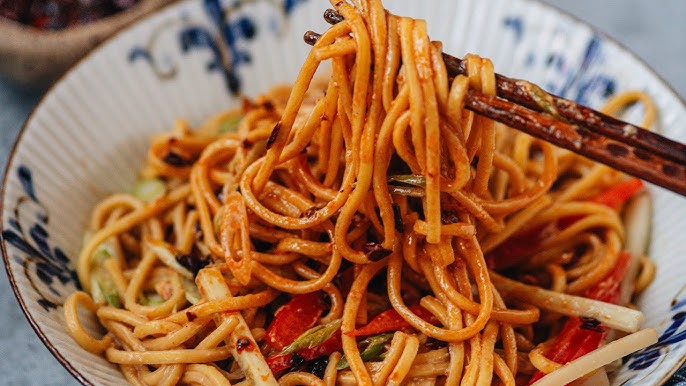
Peanut Butter Noodles Recipe: If there’s one dish that hits the sweet spot between easy, affordable, and absolutely delicious, it’s peanut butter noodles. With just a few pantry staples and under 30 minutes, you can whip up a restaurant-quality meal right in your own kitchen. Whether you’re a college student, a busy parent, or just someone who loves creamy, savory comfort food, this dish is for you.
The beauty of peanut butter noodles is how versatile they are. You can make them spicy or mild, vegan or with meat, cold or hot—the possibilities are endless. In this step-by-step guide, we’ll break down everything you need to know, from ingredients to serving tips, with no fluff. Just tasty, simple instructions to help you master this crave-worthy recipe.
Ingredients You’ll Need
Let’s start with the foundation of any good meal—the ingredients. The best part? You probably already have most of these in your pantry. Here’s what you’ll need to get started:
Basic Ingredients:
- Noodles – Spaghetti, rice noodles, ramen, or soba noodles all work great.
- Peanut butter – Creamy, unsweetened is ideal. Natural peanut butter gives the best flavor.
- Soy sauce – Adds saltiness and umami depth.
- Garlic – Freshly minced or garlic powder.
- Ginger – Freshly grated or ground ginger.
- Sesame oil – Brings a toasty, nutty aroma.
- Rice vinegar – Adds a bit of tang to balance the creaminess.
- Chili flakes or Sriracha – Optional, for heat.
- Warm water – To help thin out the sauce.
Optional Add-ins:
- Honey or maple syrup – For a touch of sweetness.
- Lime juice – For freshness and a citrusy zing.
- Green onions – For topping and added flavor.
- Chopped peanuts – For a crunchy garnish.
- Sesame seeds – Another great topping option.
- Fresh herbs – Cilantro or Thai basil add brightness.
Shopping Tips:
- If you’re shopping for the first time, stick with pantry staples. You can always add more later.
- Look for peanut butter with no added sugar or hydrogenated oils.
- Gluten-free soy sauce (like tamari) is perfect if you’re avoiding gluten.
The ingredient list is short, but trust us—this combo packs a punch.
Peanut Butter Sauce Basics
The real star of this dish is the peanut butter sauce. It’s creamy, savory, slightly sweet, and just a bit spicy if you want it to be. Think of it like the glue that brings everything together—and you’ll want to put it on everything.
What Makes It So Good?
Peanut butter gives it that rich, nutty base. The soy sauce adds umami and salt. Ginger and garlic bring warmth and spice. A splash of sesame oil adds depth and aroma, while rice vinegar cuts through the richness with a touch of acidity.
Add in a bit of sweetener (honey or maple syrup) and some heat (like chili oil or Sriracha), and you’ve got a perfectly balanced sauce that hits every note.
Pro Tips:
- Use warm water or even warm noodle water to thin the sauce. This helps it coat the noodles better.
- Taste as you go. Add more sweetness, heat, or acidity depending on your preference.
- Make extra. It stores well in the fridge and is perfect as a dipping sauce or salad dressing.
This sauce is like liquid gold—once you try it, you’ll never want to stop using it.
Step-by-Step Guide to Making Peanut Butter Noodles
Alright, let’s get to the fun part—cooking! This dish comes together in under 30 minutes, making it perfect for weeknights or lazy weekends. Here’s your step-by-step guide:
Step 1: Cook the Noodles
Begin by boiling your preferred noodles—spaghetti, rice noodles, or udon all work well. Cook them according to package instructions until al dente. Drain and rinse briefly under cold water to stop the cooking process and prevent sticking. Set aside while you prepare the sauce.
Step 2: Make the Sauce
In a bowl, whisk together creamy peanut butter, soy sauce, rice vinegar or lime juice, minced garlic, ginger, honey or sugar, and a splash of warm water. Add a little sesame oil or chili oil for extra flavor. Adjust the thickness by adding more water until it becomes smooth and pourable.
Step 3: Combine and Mix
Place the noodles in a large bowl and pour the peanut sauce over them. Toss thoroughly using tongs until every strand is evenly coated. If the sauce seems too thick, add a bit more warm water or broth to loosen it.
Step 4: Garnish and Serve
Top your peanut butter noodles with chopped peanuts, sliced green onions, cilantro, sesame seeds, or chili flakes. Serve warm or chilled for a refreshing, flavorful meal. Enjoy!
Choosing the Right Noodles
One of the most important decisions you’ll make in this recipe is which noodles to use. It might seem like a minor detail, but the type of noodle you choose can completely change the texture and overall vibe of your peanut butter noodles. The good news? There’s no wrong choice—just different kinds of delicious.
Best Types of Noodles to Use:
- Spaghetti: A classic option that holds the sauce well. Most people already have it at home.
- Rice Noodles: These are traditional in many Asian-inspired versions. They’re light, slightly chewy, and gluten-free.
- Ramen Noodles: Quick to cook and perfect for a cozy, comforting bowl.
- Soba Noodles: Made from buckwheat, soba adds a nutty undertone that complements peanut butter beautifully.
- Udon Noodles: Thick, chewy, and ideal if you want a heartier meal.
Gluten-Free or Low-Carb Options:
If you’re avoiding gluten, go for rice noodles, gluten-free spaghetti, or soba (100% buckwheat). Watching your carbs? Try spiralized zucchini noodles (zoodles), shirataki noodles, or spaghetti squash. The sauce works its magic on just about anything.
Quick Tips:
- Avoid overcooking noodles—they can get mushy when mixed with the sauce.
- Rinse noodles in cold water after boiling to stop the cooking and keep them from clumping.
- Tossing them in a touch of sesame oil before mixing helps prevent sticking.
Think of noodles as the blank canvas, and your peanut butter sauce as the paint—it’s all about what texture and flavor you want to create.
Variations of Peanut Butter Noodles
One of the best things about peanut butter noodles is how customizable they are. You can go spicy, sweet, savory, or even cold. Let’s look at some popular variations you can try out.
Spicy Thai-Style Peanut Noodles
Want a bold kick of heat and flavor? This version turns up the volume:
- Add 1–2 tsp red curry paste or extra Sriracha to the sauce.
- Include coconut milk to make it creamy and Thai-inspired.
- Top with chopped peanuts, cilantro, and a squeeze of lime.
- Serve warm for the full experience.
Cold Sesame Peanut Noodles
Perfect for summer or meal prep:
- Chill the noodles completely after boiling.
- Use a bit more sesame oil and rice vinegar in the sauce for a tangier, nuttier flavor.
- Add shredded cucumber, carrots, and toasted sesame seeds.
- Great for lunchboxes or picnic food.
Kid-Friendly Creamy Noodles
Keep it simple and creamy for the little ones:
- Skip the spice entirely.
- Add a bit more honey or maple syrup to balance the savory notes.
- Serve warm with steamed veggies like peas, broccoli, or corn.
- Use smaller noodles like elbow macaroni if they’re picky about texture.
You’re not locked into one style—mix and match flavors to suit your mood, the season, or whoever you’re cooking for.
Add-Ons to Make it a Complete Meal
Peanut butter noodles can easily stand on their own, but if you want to boost the nutrition and satisfaction, consider adding in some protein, vegetables, and toppings to round it out.
Protein Boosters:
- Grilled chicken – A classic pairing. Marinate in soy sauce and garlic before grilling.
- Tofu – Crispy tofu is perfect for a vegan version. Press, cube, and fry until golden.
- Shrimp – Quick to cook and adds a juicy, briny contrast to the creamy sauce.
- Ground pork or beef – Sautéed with a bit of garlic and soy sauce for a hearty version.
- Boiled eggs – Great for cold versions or a protein-rich topping.
Vegetable Additions:
- Bell peppers – Julienned for crunch and sweetness.
- Carrots – Shredded or spiralized.
- Cucumber – Especially for cold versions, adds freshness.
- Edamame – Protein-packed and fun to eat.
- Red cabbage – Thinly sliced for a pop of color and crunch.
- Spinach or kale – Toss in right before serving to gently wilt.
Toppings That Elevate the Dish:
- Chopped roasted peanuts – Texture heaven.
- Green onions – Always a welcome bite of freshness.
- Fresh herbs – Cilantro, Thai basil, or mint.
- Lime wedges – Brighten up every bite.
- Chili oil or crispy chili flakes – For heat lovers.
Think of your noodle bowl as a base, and then build it into a satisfying, balanced meal with whatever you’ve got on hand.
Make-Ahead and Meal Prep Tips
Peanut butter noodles are one of those meals that actually get better with time—making them perfect for meal prep or make-ahead lunches. Here’s how to keep them fresh and flavorful.
Can You Make It Ahead?
Yes! In fact, the flavors deepen after a few hours in the fridge.
- Cook the noodles and make the sauce.
- Store separately or toss together (if eating within 2–3 days).
- Keep add-ons like herbs and crunchy toppings separate until serving.
Storage Tips:
- Store in an airtight container in the fridge for up to 4 days.
- The sauce may thicken after chilling—just add a splash of water or warm it slightly before eating.
Reheating Instructions:
- Microwave for 1–2 minutes with a little added water.
- Stir halfway to distribute the heat.
- For stovetop reheating, toss in a pan with a splash of water or broth until warm.
Meal Prep Bonus:
- Double the sauce and use it throughout the week for salads, wraps, or as a dip.
- Pre-portion into containers with noodles, protein, and veggies for quick grab-and-go lunches.
Whether you’re feeding a crowd or just future you, peanut butter noodles are a smart, stress-free meal prep choice.
Nutritional Information
Let’s talk health. While peanut butter noodles are rich and satisfying, they can also be balanced and nourishing—especially when made with the right ingredients and portions.
Approximate Nutrition (Per Serving):
| Nutrient | Amount |
|---|---|
| Calories | 450–550 kcal |
| Protein | 15–20g |
| Carbohydrates | 45–60g |
| Fat | 20–25g |
| Fiber | 4–6g |
| Sugar | 5–10g (natural) |
Note: Values vary depending on noodle type, peanut butter brand, and added ingredients.
Healthier Ingredient Swaps:
- Use whole wheat or soba noodles for extra fiber.
- Go for natural peanut butter with no added sugar or oils.
- Replace honey with maple syrup or leave it out entirely.
- Add more veggies to increase volume and reduce overall calories per bite.
Peanut butter noodles don’t have to be a guilty pleasure—they can easily become part of a balanced, nutritious lifestyle.
Common Mistakes to Avoid
Peanut butter noodles might seem like a foolproof dish—and it mostly is—but there are a few common missteps that can turn your dreamy noodle bowl into a sticky, flavorless mess. Let’s go over some of the mistakes you don’t want to make.
1. Overcooking the Noodles
This one’s huge. Overcooked noodles become mushy and won’t hold the sauce well. They’ll also break apart easily when mixing.
Fix: Always cook your noodles al dente. Test a piece a minute or two before the package time is up. Rinse with cold water if you’re making a cold version to stop the cooking process instantly.
2. Using the Wrong Kind of Peanut Butter
Not all peanut butters are created equal. Many commercial brands are packed with sugar and hydrogenated oils that can mess with the balance of your sauce.
Fix: Use natural, unsweetened peanut butter. Stir it well if it’s separated. If you only have sweetened peanut butter on hand, reduce or skip the added sweetener in the sauce.
3. Forgetting to Thin the Sauce
Peanut butter is thick and sticky. If you forget to thin the sauce with warm water or noodle water, it will just clump up when you mix it into the noodles.
Fix: Add warm water gradually to the sauce while mixing. You’re aiming for a smooth, pourable consistency—not runny, but not paste-like either.
4. Skipping the Toppings
The sauce is rich and creamy, but without a bit of crunch, freshness, or spice, the dish can feel one-note.
Fix: Always add toppings like chopped peanuts, green onions, sesame seeds, or fresh herbs. A squeeze of lime or a drizzle of chili oil can transform your bowl.
5. Not Tasting and Adjusting
Every peanut butter brand and noodle type is different, and so are personal preferences.
Fix: Taste the sauce before mixing and after. Adjust salt (soy sauce), sweetness (honey/maple), acidity (vinegar/lime), or heat (Sriracha) based on your palate.
Avoid these pitfalls, and you’re guaranteed a silky, flavorful noodle dish every single time.
Serving Suggestions
Wondering how to turn your peanut butter noodles from a quick dinner into a complete experience? These serving suggestions will take your meal to the next level—whether you’re feeding family, impressing guests, or enjoying a solo comfort night.
What to Serve with Peanut Butter Noodles:
- Cucumber Salad: Crisp, refreshing, and tangy—perfect contrast to the creamy sauce.
- Asian Slaw: Shredded cabbage, carrots, and a vinegar-based dressing.
- Spring Rolls: Fresh or fried, filled with veggies and protein.
- Soup Starter: A light miso soup or clear broth can balance out the richness.
- Stir-Fried Veggies: Broccoli, snow peas, mushrooms, and bell peppers tossed in garlic and soy.
Presentation Tips:
- Use a wide bowl for better sauce distribution and easier eating.
- Swirl the noodles with tongs before plating to create a tidy nest shape.
- Sprinkle colorful toppings like red chili flakes, green onions, and sesame seeds for visual appeal.
- Serve with chopsticks or a fork for fun and functionality.
When to Serve:
- Lunch: Make it ahead and enjoy cold at work or school.
- Dinner: Add a protein and serve warm for a hearty main course.
- Party Dish: Make a large batch and serve as part of a buffet. Add fun toppings on the side for a DIY noodle bar.
The versatility of peanut butter noodles means you can dress them up or down for any occasion.
Kid-Friendly Tips
Got picky eaters in the house? Don’t worry—peanut butter noodles are a hit with most kids, especially when made with the right tweaks.
How to Make It More Kid-Friendly:
- No spice: Leave out chili flakes, Sriracha, or anything hot.
- Add sweetness: A touch of honey or maple syrup can help win over hesitant taste buds.
- Use fun noodles: Elbows, bowties, or even spaghetti can make it more appealing.
- Blend veggies: Sneak in pureed carrots or sweet potatoes into the sauce.
- Involve the kids: Let them help mix the sauce or choose their toppings.
Kid-Approved Toppings:
- Shredded cheese (yes, really!)
- Crushed crackers or croutons
- Corn or peas
- Diced apples (for adventurous eaters)
Turn it into a fun food adventure instead of a battle, and you might just find your child asking for seconds.
Making It Vegan or Gluten-Free
If you or someone you’re cooking for follows a specific diet, good news—this dish is incredibly adaptable. Here’s how to tailor it without sacrificing flavor.
Vegan Version:
- Use maple syrup instead of honey.
- Skip any animal-based proteins and use tofu, tempeh, or edamame.
- Make sure your noodles don’t contain egg (especially in ramen or fresh pasta).
- Use plant-based garnishes like chopped nuts, fresh herbs, and chili oil.
Gluten-Free Version:
- Choose gluten-free noodles like rice noodles, soba (100% buckwheat), or quinoa pasta.
- Replace soy sauce with tamari, liquid aminos, or coconut aminos.
- Double-check labels for sauces, noodles, and toppings to ensure compliance.
Whether you’re plant-based, gluten-free, or both—there’s a version of peanut butter noodles that works perfectly for your needs.
Why Everyone Loves Peanut Butter Noodles
So why has this dish become a global favorite? It’s not just the flavor—though that’s obviously a big part of it. It’s the combination of taste, convenience, and sheer comfort that makes it so appealing.
The Flavor Profile:
- Creamy, nutty base from peanut butter
- Salty umami from soy sauce
- Subtle sweetness to round it out
- Spice and acidity for balance
It checks every box, all in one dish.
The Comfort Factor:
It’s a bowl of warm (or cold), creamy noodles that you can eat straight from the container. What’s not to love? It’s the kind of meal that feels like a warm hug after a long day.
Easy to Customize:
- You can make it spicy, sweet, or tangy.
- Throw in whatever veggies or proteins you have.
- Eat it hot, room temp, or chilled.
No matter your taste, diet, or schedule—peanut butter noodles are there for you.
FAQs about Peanut Butter Noodles Recipe
1. Can I use crunchy peanut butter instead of creamy?
Absolutely! Crunchy peanut butter adds a bit of texture and extra peanut flavor. Just make sure to stir it well and add a little extra liquid if needed to thin out the sauce.
2. What if I don’t have soy sauce?
No problem. You can use tamari, coconut aminos, or even Worcestershire sauce in a pinch. Each has a slightly different flavor but works well in the sauce.
3. How spicy is this recipe?
That’s totally up to you. The base recipe is mild, but you can add Sriracha, chili flakes, or chili oil to turn up the heat. Adjust the spice level to your preference.
4. Can I serve this dish cold?
Yes! In fact, cold peanut noodles are super refreshing and perfect for hot days or meal prep. Just rinse the noodles after cooking and chill everything before serving.
5. Is it okay to freeze peanut butter noodles?
Technically yes, but it’s not ideal. The noodles can become mushy after thawing. If you want to freeze something, freeze just the sauce, then make fresh noodles when you’re ready to eat.
Conclusion
If you’ve made it this far, you’re probably craving a bowl of peanut butter noodles right now—and who could blame you? They’re easy, comforting, customizable, and downright addictive. Whether you keep it simple with just noodles and sauce or dress it up with all the toppings, this dish is a must-have in your weekly rotation.
So go ahead—grab that jar of peanut butter and your favorite noodles. Follow the steps, trust your taste buds, and dig in. You might just find yourself making this dish again tomorrow. And the day after that.