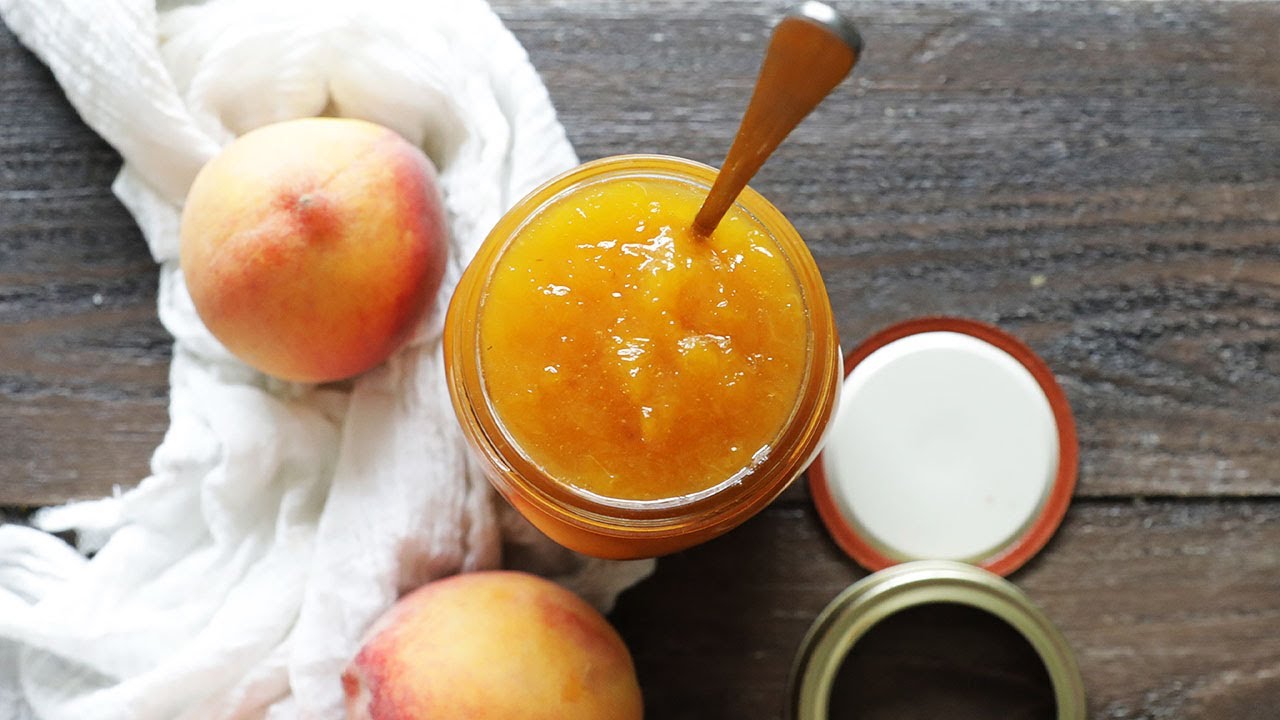
Peach Confiture Recipe: Is there anything more summery than the taste of ripe peaches? If you’ve ever found yourself with a bounty of juicy peaches and no idea what to do with them, making peach confiture is a sweet solution. This golden, jam-like preserve brings sunshine to your breakfast toast, yogurt, or even a slice of cheesecake. And the best part? You don’t need any fancy equipment or preservatives. In this step-by-step guide, I’ll show you how to turn fresh peaches into a delightful homemade confiture that tastes like summer in a jar.
Whether you’re a seasoned jam maker or a complete beginner, this guide is tailored just for you. You’ll get practical tips, flavor variations, and troubleshooting advice that ensures your peach confiture is always delicious, glossy, and perfectly set.
What is Peach Confiture?
Peach confiture is essentially a fruit preserve made by slowly cooking down peaches with sugar and a bit of acid (usually lemon juice) until it reaches a thick, spreadable consistency. Unlike a classic jam, confiture often retains larger chunks of fruit, giving it a more rustic, homemade vibe. It’s glossy, fragrant, and can be flavored with a hint of vanilla, cinnamon, or even a splash of brandy for a more grown-up twist.
The word “confiture” comes from the French language and refers to a wide range of fruit preserves. It’s traditionally used in French patisserie and home kitchens alike, making it a versatile addition to both sweet and savory dishes.
Why You’ll Love This Recipe
You’re going to fall head over heels for this peach confiture recipe, and here’s why:
- Super simple ingredients – Just fresh peaches, sugar, and lemon juice.
- No artificial preservatives – It’s clean, wholesome, and homemade.
- Customizable flavors – Add herbs, spices, or other fruits.
- Perfect for gifting – Who doesn’t love a jar of homemade goodness?
- Great for beginners – No canning experience necessary!
Whether you’re making a single batch or planning to stock your pantry, this confiture delivers flavor and warmth every time you pop open a jar.
Best Time to Make Peach Confiture
Timing is everything, and when it comes to peach confiture, summer is prime time. Specifically, late June to August is when peaches are at their juiciest and most flavorful. Look for locally grown or farmer’s market peaches—they tend to be sweeter and less waxed than supermarket versions.
Pro tip: If you’re prepping for the winter months, summer is the best time to stock up, make a few batches, and store them in sterilized jars for those cold mornings when you need a taste of sunshine.
Choosing the Right Peaches
Not all peaches are created equal—especially when making confiture.
Freestone vs. Clingstone Peaches
- Freestone Peaches: The pit easily separates from the flesh. These are ideal for confiture because they’re easy to prep.
- Clingstone Peaches: The flesh clings tightly to the pit. They’re sweeter and juicier but more difficult to pit.
Choose peaches that are ripe but firm, with no bruising or mold. A ripe peach should yield slightly to gentle pressure and smell fragrant near the stem.
Tools & Equipment You’ll Need
You don’t need any fancy tools, but having the right equipment makes the process smoother:
- Large heavy-bottom saucepan or Dutch oven
- Wooden spoon or silicone spatula
- Paring knife and cutting board
- Large bowl for macerating
- Measuring cups and spoons
- Potato masher (optional for chunkier texture)
- Clean glass jars with lids
- Canning funnel (optional but helpful)
- Ladle
- Food thermometer (optional but great for precision)
Sterilizing your jars is also crucial if you plan to store the confiture long-term. You can do this by boiling them or running them through the dishwasher on a hot cycle.
List of Ingredients You’ll Need
Here’s the complete list of what you’ll need for a basic peach confiture recipe. This makes about 3-4 small jars (roughly 4 cups of confiture).
Main Ingredients
- 2.5 pounds (1.1 kg) of ripe peaches – About 6 large peaches
- 2 cups (400g) granulated sugar
- 2 tablespoons fresh lemon juice
Optional Flavor Add-ins
- 1 vanilla bean or 1 tsp vanilla extract
- ½ tsp ground cinnamon
- A few sprigs of fresh thyme or rosemary
- 2 tbsp peach liqueur or brandy
The simplicity of this recipe is what makes it beautiful. You can tweak the sugar content slightly depending on your preference, but remember—sugar not only sweetens, it also preserves.
Preparing the Peaches
Getting the peaches ready is the most time-consuming part—but don’t skip this step.
How to Peel Peaches Easily
- Bring a large pot of water to a boil.
- Score a small “X” at the bottom of each peach.
- Submerge peaches in boiling water for 30–45 seconds.
- Immediately transfer to an ice bath.
- The skins will slip off easily with your fingers.
Removing the Pits
Once peeled, slice the peaches in half and gently twist to separate. Remove the pit using a spoon or paring knife. Chop the fruit into small chunks or slices depending on how chunky you want your confiture.
Step-by-Step Guide to Making Peach Confiture
Step 1: Prepping the Ingredients
Start by washing, peeling, and pitting the peaches. Slice them into even pieces to ensure consistent cooking. Measure out sugar and prepare lemon juice, which helps balance sweetness and enhances flavor.
Step 2: Macerating the Peaches
Place the peach slices in a bowl and sprinkle with sugar and lemon juice. Stir gently to coat. Let the mixture sit for at least 1–2 hours, or overnight if possible. Maceration draws out the natural juices, creating a flavorful syrup and helping the confiture cook evenly.
Step 3: Cooking the Confiture
Transfer the macerated peaches and their syrup to a heavy pot. Bring to a gentle boil, then reduce to a simmer. Cook while stirring occasionally to prevent sticking. As the mixture thickens, the peaches soften and the syrup becomes glossy.
Step 4: Testing for Doneness
To check readiness, place a small spoonful on a cold plate. If it wrinkles slightly when pushed, the confiture is set. Continue simmering if it’s still too runny.
Step 5: Canning and Storage
Pour the hot confiture into sterilized jars, seal tightly, and cool. Store in the refrigerator or process in a water bath for long-term storage. Enjoy!
Pro Tips for Perfect Peach Confiture
Let’s level up your confiture game with these expert tips:
- Use underripe peaches? Add a little extra lemon juice or pectin to help it set.
- Too watery? Continue simmering gently, stirring often.
- Want it glossy? The sugar and slow cooking process create natural shine—don’t rush it.
- No thermometer? That’s fine—trust the plate test method.
- Avoid burning: Stir often and keep the heat moderate. Sugar burns fast and ruins the batch.
Peach confiture is more of an art than a science, and every batch gets better as you learn the ropes.
Flavor Variations to Try
Want to get creative? Here are some exciting flavor combos that work beautifully with peaches:
- Peach Vanilla: Add one vanilla bean, split and scraped.
- Peach and Ginger: Grate fresh ginger into the mix for a spicy kick.
- Peach Lavender: Add a pinch of dried culinary lavender.
- Peach and Raspberry: Mix in 1 cup raspberries for a beautiful color and tangy contrast.
- Peach Bourbon: Add 1–2 tablespoons of bourbon at the end of cooking.
Let your taste buds guide you—don’t be afraid to experiment.
Storing and Shelf Life
Homemade peach confiture can last:
- Up to 1 year in sterilized, sealed jars stored in a cool, dark place.
- 2–3 weeks in the fridge once opened.
- 6 months in the freezer, if you choose to freeze it instead of canning.
Always label your jars with the date of preparation so you can keep track. And don’t forget to inspect for signs of spoilage like mold or off-smells before using any older jars.
How to Serve Peach Confiture
Wondering how to use your peach confiture? Let me give you a few mouth-watering ideas:
- Spread on toast, croissants, or English muffins
- Swirl into Greek yogurt or oatmeal
- Spoon over pancakes, waffles, or French toast
- Use as a glaze for pork or chicken
- Add a dollop on cheesecake or ice cream
- Fill pastries, tarts, or thumbprint cookies
- Serve on a cheese board with brie or goat cheese
It’s incredibly versatile—and totally addicting!
Troubleshooting Common Issues
Got a batch that didn’t turn out quite right? Here’s how to fix it:
| Problem | Cause | Solution |
|---|---|---|
| Too Runny | Undercooked or too little sugar | Reheat and simmer longer |
| Too Thick | Overcooked or too much sugar | Loosen with a splash of water while reheating |
| Too Sweet | Sugar ratio too high | Use tart peaches or add more lemon |
| Not Setting | Low pectin fruit | Use pectin or cook longer |
| Crystallized Sugar | Didn’t dissolve sugar fully | Stir continuously during cooking |
Don’t toss a failed batch—it can often be salvaged or repurposed in baking.
Nutritional Breakdown (Per Tablespoon)
| Nutrient | Amount |
|---|---|
| Calories | 55 |
| Sugar | 12g |
| Carbohydrates | 14g |
| Fiber | 0.4g |
| Protein | 0g |
| Fat | 0g |
| Vitamin C | 4% DV |
Note: These values are approximate and will vary based on sugar content and portion size.
FAQs about Peach Confiture Recipe
1. How long does homemade peach confiture last?
Properly canned, it lasts up to 1 year in a cool, dark place. Once opened, refrigerate and use within 2–3 weeks.
2. Can I use frozen peaches instead?
Yes! Thaw them first and drain excess liquid. The flavor might be slightly different, but it still works great.
3. Why is lemon juice necessary?
Lemon juice balances the sweetness, helps preserve the color, and aids in setting the confiture.
4. Can I reduce the sugar?
You can, but it may affect the setting and shelf life. Use a low-sugar pectin if reducing sugar significantly.
5. How do I make a thicker confiture?
Cook it longer to evaporate more liquid, or add commercial pectin if you want a firmer set quickly.
Conclusion
There you have it—a complete, no-fuss guide to making your very own peach confiture from scratch. Whether you’re spreading it on warm toast or gifting a jar to a friend, this golden preserve is guaranteed to bring smiles. With just a few ingredients and a bit of patience, you can bottle up summer and enjoy it all year long.
Try a few batches, tweak the flavors, and before you know it, you’ll be the go-to confiture expert in your circle.