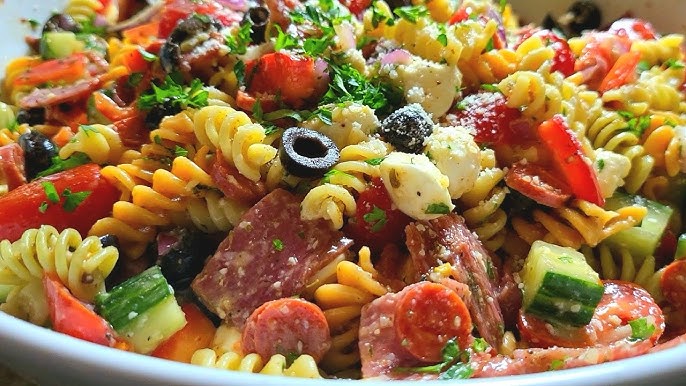
Pasta Salad Dressing Recipe: The soul of any pasta salad is undeniably in its dressing. It’s what binds all the ingredients together, infusing each bite with a burst of flavor. Whether you’re using crunchy vegetables, tender pasta, or savory proteins, the dressing acts as the flavor conductor. Skip it or skimp on quality, and your pasta salad becomes just a bland mix of carbs and chopped produce. But nail the dressing? You’ve got a showstopper dish ready for any occasion—picnics, potlucks, barbecues, or lazy Sunday brunches.
Dressings balance flavor, texture, and moisture. A good one coats every ingredient evenly, giving your salad a consistent, delightful taste. Think of it as a flavor glue. A well-made vinaigrette can make fresh veggies pop, while a creamy dressing adds indulgence. From tangy Italian dressings to rich ranch-style mixes, the possibilities are endless—but understanding the why behind each component helps create a dressing that elevates, not overwhelms.
Pairing Dressings with Pasta Types
Choosing the right dressing also depends on the pasta you’re using. Not all pasta types play well with every kind of dressing. Short, twisty shapes like rotini or fusilli are perfect for oil-based vinaigrettes because the dressing clings to their curves and crevices. Creamy dressings, on the other hand, work well with denser pasta like penne or bow ties.
Whole wheat or legume-based pasta pairs well with tangy vinaigrettes that cut through their hearty texture, while delicate pastas like orzo call for lighter, citrusy dressings that don’t overpower. Knowing these little pairing tricks ensures a well-balanced and harmonious dish every single time.
Ingredients You’ll Need
Basic Ingredients for a Classic Dressing
Let’s get down to the heart of the recipe. A solid pasta salad dressing generally starts with a few classic components. Here’s a basic lineup for a vinaigrette-style dressing that you can tweak to your heart’s content:
- Olive Oil – The base of most dressings; opt for extra virgin for the best flavor.
- Vinegar – Red wine vinegar or apple cider vinegar adds the needed acidity.
- Dijon Mustard – Helps emulsify and gives a subtle tang.
- Honey or Sugar – A little sweetness balances out the acidity.
- Garlic (minced) – Adds depth and savory flavor.
- Salt and Pepper – Essential for seasoning.
- Lemon Juice – Brightens everything up.
These ingredients hit all the right flavor notes—fatty, acidic, sweet, salty, and umami. When combined properly, they create a well-rounded taste that enhances all the other salad components.
Optional Add-Ins for Extra Flavor
To elevate your dressing, try these flavor-packed add-ins:
- Fresh Herbs – Basil, parsley, dill, or oregano work beautifully.
- Crumbled Feta or Parmesan Cheese – Adds creaminess and umami.
- Red Pepper Flakes – For a little heat.
- Anchovy Paste – A savory secret weapon.
- Yogurt or Mayo – For a creamy variation.
These extras let you customize the dressing based on what you’re feeling or what ingredients you have on hand. Want a Greek vibe? Add oregano and lemon. Going Italian? Think garlic, basil, and Parmesan. The possibilities are deliciously endless.
Tools and Equipment Required
Kitchen Tools You’ll Need
Before diving into the actual steps, let’s make sure you’re equipped for the task. Fortunately, making pasta salad dressing doesn’t require fancy gadgets. Here’s what you’ll need:
- Mixing Bowl – Preferably glass or stainless steel.
- Whisk or Fork – For mixing the dressing until emulsified.
- Measuring Spoons & Cups – Accuracy counts in balance.
- Garlic Press or Knife – For prepping the garlic.
- Citrus Juicer – To extract every last drop of lemon.
Having these ready makes the whole process smooth and hassle-free. And honestly, there’s something oddly satisfying about whisking up a homemade dressing—it feels a bit like culinary magic.
Prepping for Efficient Mixing
Set up your station before you start. Mince your garlic, juice your lemon, and measure your oil and vinegar. This makes the actual mixing process seamless. Also, make sure your bowl is big enough to whisk without spillage. If you’re doubling the recipe, consider using a jar with a lid—just shake it up for an easy emulsification.
A clean workspace and mise en place (fancy chef talk for “everything in its place”) will save you time and make the whole experience more enjoyable. Trust me, you’ll feel like a pro.
Step-by-Step Guide to Making Pasta Salad Dressing
Step 1: Choosing Your Base
Your base is the foundation of flavor and texture. Most commonly, this is olive oil, especially in Mediterranean-inspired dressings. If you want something lighter, go for avocado oil or grapeseed oil. For creamy bases, Greek yogurt, sour cream, or mayonnaise work wonders.
Stick with good-quality extra virgin olive oil—it’s rich, slightly peppery, and full of healthy fats. Don’t go cheap here; it makes a world of difference in the final flavor. About ½ cup of oil is a good starting point for most pasta salad servings.
Now that you’ve got the base, it’s time to build.
Step 2: Adding Acidity and Sweetness
This is where you introduce balance. Acidity comes from vinegar (think red wine, balsamic, or apple cider) or citrus juice like lemon or lime. A good rule of thumb is a 3:1 ratio of oil to acid, but you can adjust to taste.
Next, sweetness. A teaspoon of honey, agave, or a pinch of sugar can mellow out the sharpness and bring everything together. If you’re going for a tangy Mediterranean flavor, lean into lemon juice and red wine vinegar. For something deeper and richer, balsamic is your friend.
Mix these into the oil slowly, whisking as you go to start forming the base emulsion.
Step 3: Emulsifying the Dressing
Emulsifying means blending oil and vinegar into a smooth, unified mixture. Without emulsifiers, oil and acid separate quickly. Dijon mustard is a natural emulsifier and also adds a punch of flavor.
Add 1-2 teaspoons of Dijon mustard to your mixture and whisk vigorously. You’ll see the dressing start to thicken slightly and take on a glossy sheen—that’s your emulsion forming. If you prefer creamy dressings, now’s the time to stir in mayo or yogurt.
If you’re using a jar, screw the lid on tight and give it a good shake for about 30 seconds. It’s quicker, cleaner, and just as effective.
Step 4: Seasoning to Perfection
Don’t skimp on seasoning—it’s the make-or-break detail. Add a big pinch of kosher salt, freshly cracked black pepper, and your minced garlic. Garlic brings a bold, aromatic kick, while salt and pepper enhance the other flavors.
Now sprinkle in any optional extras—herbs, cheese, or chili flakes—and give it another whisk or shake. Taste as you go! Adjust until you hit that perfect balance of salty, tangy, sweet, and savory.
Step 5: Letting It Rest for Maximum Flavor
Here’s a secret: letting your dressing sit for 10–15 minutes before using it allows the flavors to meld and develop. It’s like letting soup simmer—the ingredients get cozy with each other and become more than the sum of their parts.
Pop the bowl in the fridge or leave it at room temperature while you prep your pasta and veggies. When you come back to it, give it one final stir, and you’re ready to toss it with your salad.
Tips for Storing and Using the Dressing
How Long Does It Last?
Once you’ve put the effort into making a delicious pasta salad dressing, you’ll want to keep it fresh for as long as possible. The good news? Most homemade vinaigrettes can be stored in the refrigerator for up to 7 days, especially if they don’t contain dairy or fresh ingredients like herbs or garlic. For dressings that include yogurt, mayo, or cheese, aim to use them within 3 to 4 days.
The key to extending the shelf life is proper storage. Always use an airtight container—glass jars with a tight lid are perfect. Label the jar with the date it was made so you can keep track. Before using again, give it a vigorous shake or stir, especially if the ingredients have separated (which is natural for vinaigrettes).
If you’re working with a dressing that includes fresh herbs or garlic, know that those ingredients can infuse more flavor over time, but they can also become overpowering or spoil faster. When in doubt, give it a sniff or a taste test before adding it to your next salad.
Also, avoid dipping used spoons directly into the dressing jar—this introduces bacteria that can speed up spoilage. Pour out what you need into a separate bowl or use a clean spoon each time. These small habits keep your homemade dressings safe and tasty longer.
Creative Ways to Use Leftovers
Don’t limit your dressing to just pasta salad—it’s way more versatile than that! Here are some clever and delicious ways to repurpose it:
- Grain Bowls: Drizzle it over quinoa, farro, or rice bowls for added flavor.
- Marinade: Use it to marinate chicken, shrimp, or tofu before grilling or baking.
- Roasted Veggies: Toss with roasted potatoes, carrots, or Brussels sprouts right out of the oven.
- Sandwich Spread: Mix with a bit of mayo or yogurt and slather on sandwiches or wraps.
- Green Salads: Obviously, it works beautifully on traditional leafy green salads.
- Dip: Use thick, creamy dressings as a veggie dip. Serve it chilled alongside baby carrots, celery, or sliced cucumbers.
Leftover dressing is essentially a kitchen hack waiting to happen. It’s a quick way to jazz up everyday meals without any extra effort. Plus, it saves you from buying store-bought versions that are often packed with preservatives and sugar.
FAQs about Pasta Salad Dressing Recipe
1. Can I make pasta salad dressing ahead of time?
Absolutely! In fact, making it a few hours ahead allows the flavors to develop more fully. Just store it in an airtight container and shake before using.
2. What’s the best oil to use in pasta salad dressing?
Extra virgin olive oil is the top pick for flavor and health benefits, but avocado oil and grapeseed oil are good alternatives if you want something lighter.
3. How do I make my dressing creamier?
Add a spoonful of mayonnaise, sour cream, or Greek yogurt. These ingredients not only make the dressing richer but also help emulsify it.
4. What if my dressing separates in the fridge?
Totally normal. Just give it a good shake or whisk before using. If it’s still stubborn, add a touch more mustard or honey and whisk again.
5. Can I use pasta salad dressing on other foods?
Yes! It’s great on grain bowls, as a marinade, drizzled on roasted veggies, or even as a sandwich spread when mixed with a little mayo.
Conclusion
Making your own pasta salad dressing isn’t just satisfying—it’s a total game-changer. Once you nail the balance of fat, acid, and flavor, you open the door to endless customization. From classic vinaigrettes to creamy indulgent blends, there’s a dressing for every mood, meal, and season.
You now know how to choose the right base, balance your acidity and sweetness, emulsify like a pro, and season to perfection. Add in the ability to tweak and store your creations, and you’ve got everything you need to make your pasta salads shine.
So next time you’re whipping up a quick lunch or prepping for a picnic, skip the bottle and make your dressing from scratch. Trust me—it’ll be the thing everyone talks about.