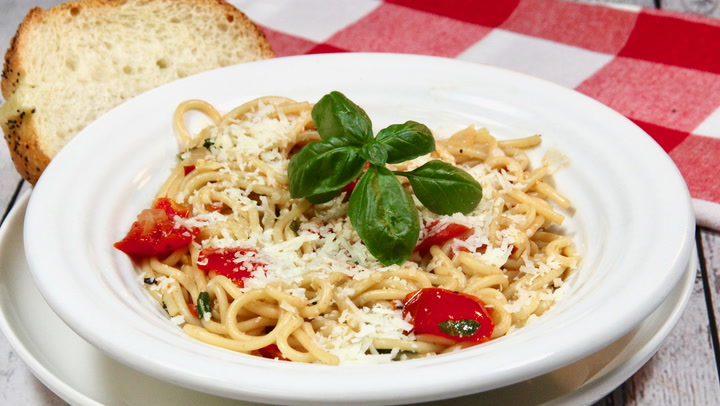
Pasta Pomodoro Recipe: Pasta Pomodoro is the ultimate comfort food—simple, fresh, and totally satisfying. If you’ve ever craved a dish that’s rich in Italian flavor but doesn’t take hours to make, you’re in for a treat. Whether you’re a seasoned home cook or just getting started in the kitchen, this guide will walk you through each step of making the most delicious Pasta Pomodoro you’ve ever had.
Let’s dive into the rich tomato-filled world of Pomodoro, and by the end of this, you’ll not only have a mouthwatering plate of pasta in front of you but also a new favorite recipe to keep in your back pocket.
The Origin of Pasta Pomodoro
When you hear “Pomodoro,” think of simplicity at its finest. Originating in Italy, this dish is all about the basics—pasta, tomatoes, garlic, olive oil, and fresh basil. It’s proof that you don’t need a laundry list of ingredients to make something magical.
Unlike heavier sauces like Bolognese or creamy Alfredo, Pomodoro is light and fresh. It’s meant to highlight the natural flavors of ripe tomatoes, good quality olive oil, and perfectly cooked pasta. It’s a staple in Italian households for a reason—quick, easy, and always delicious.
In Italian, “Pomodoro” literally means “tomato.” So yes, this is a tomato-lover’s dream come true. The simplicity of this dish is what gives it universal appeal—it can be made on a weeknight in under 30 minutes, yet it’s elegant enough to serve guests.
Why You’ll Love This Pasta Pomodoro
Let’s be real: sometimes, less is more. Pasta Pomodoro proves that in every single bite. Here’s why you’ll fall in love with this dish:
- Minimal ingredients, maximum flavor.
- Budget-friendly – most ingredients are pantry staples.
- Fast and easy – done in under 30 minutes.
- Versatile – perfect for adding your personal twist.
Plus, it’s vegetarian and can be easily made vegan or gluten-free, so it works for a variety of diets. Whether you’re cooking for one, feeding your family, or impressing guests, this dish delivers.
Ingredients You’ll Need
Here’s your shopping list. These are the basic ingredients, but quality is key:
Essential Ingredients:
- Spaghetti or linguine – 12 oz (or your favorite pasta)
- Extra virgin olive oil – 2-3 tablespoons
- Fresh garlic – 4 cloves, minced
- Yellow onion – 1 small, finely chopped
- San Marzano tomatoes – 1 can (28 oz) or 6-8 fresh ripe tomatoes
- Fresh basil leaves – handful, torn
- Salt and black pepper – to taste
- Sugar – 1 tsp (optional, to balance acidity)
Optional Ingredients:
- Crushed red pepper flakes – for a spicy kick
- Parmesan cheese – grated, for topping
- Butter – 1 tbsp for richness
- Fresh oregano – adds more herbaceous flavor
Pro Tip:
If you’re using fresh tomatoes, make sure they’re ripe and juicy. Blanch and peel them for a smoother sauce texture.
Kitchen Tools Required
Cooking doesn’t require a lot of fancy gadgets, but here are some basics that will make the job easier:
- Large pot – for boiling pasta
- Large skillet or sauté pan – for the sauce
- Wooden spoon – for stirring without scratching pans
- Strainer – to drain pasta
- Sharp knife and cutting board – for prepping ingredients
- Measuring cups and spoons – for accuracy
Having the right tools not only makes cooking faster but also helps prevent mistakes. A wide pan allows for better evaporation, helping you get that thick, clingy Pomodoro sauce.
Choosing the Right Pasta
While spaghetti is the classic choice for Pomodoro, you can use almost any type of pasta. Here are some good options:
- Spaghetti or linguine – classic and twirl-worthy
- Penne or rigatoni – great for catching sauce inside
- Fusilli or rotini – spirals trap the sauce beautifully
Gluten-Free Alternatives:
- Brown rice pasta
- Chickpea pasta
- Lentil-based pasta
Just remember: whatever pasta you use, don’t overcook it. The magic of Pomodoro lies in that perfect bite—al dente!
The Secret to a Perfect Pomodoro Sauce
What makes a Pomodoro sauce truly great? It’s all about balance. You need just the right amount of sweetness to offset the tomato’s acidity and enough seasoning to bring it to life.
Here’s the secret:
- Use San Marzano tomatoes (canned or fresh)—they’re naturally sweet and low in acidity.
- Add just a pinch of sugar to balance the sauce (only if needed).
- Use fresh herbs (basil is a must).
- Simmer the sauce long enough to let the flavors deepen, but not so long it loses freshness.
The sauce should be smooth, not chunky, and coat the pasta like a silky red blanket.
Prepping Your Ingredients
Before you even turn on the stove, it’s time to get everything ready. This is called mise en place—a French term meaning “everything in its place.” And trust me, it makes cooking a breeze.
Here’s what to prep:
- Mince the garlic
- Chop the onion finely
- Open and crush your tomatoes (if using whole canned)
- Chop or tear your fresh basil
- Grate any cheese you plan to use
Lay everything out near your cooking station. Once you start cooking, things move quickly, and you don’t want to be scrambling for that missing spice.
Step-by-Step Guide to Making Pasta Pomodoro
Let’s get into the heart of the recipe. Each step matters, so follow closely for a result that’s worthy of a standing ovation (or at least an empty plate).
Step 1: Heat the Olive Oil
Start by warming high-quality extra-virgin olive oil in a skillet over medium heat. Good olive oil enhances the sauce’s richness and provides the fruity, fragrant base that defines authentic pomodoro.
Step 2: Add Garlic and Onion
Add finely chopped onions and sauté until translucent. Stir in minced garlic and cook gently for 30 seconds. Keep the heat moderate—burning the garlic turns it bitter and affects the sauce’s sweetness.
Step 3: Add Tomatoes and Simmer
Add crushed tomatoes, either fresh or canned. Fresh tomatoes give a bright, delicate flavor, while canned San Marzano tomatoes offer depth and natural sweetness. Simmer for 15–20 minutes until the sauce thickens slightly.
Step 4: Season the Sauce
Add salt and pepper to taste. Stir in torn basil leaves for aroma. If the tomatoes are too acidic, a pinch of sugar helps balance the flavor without making the sauce sweet.
Step 5: Cook the Pasta
Boil pasta in salted water until al dente. The pasta should still have a slight bite—it will finish cooking when tossed with the sauce.
Step 6: Combine and Serve
Transfer the hot pasta directly into the sauce. Toss gently, adding a splash of pasta water for silky texture. Serve with extra basil, grated Parmesan, and a drizzle of olive oil. Simple, fresh, and perfect every time.
Tips and Tricks for the Best Pasta Pomodoro
Even though this dish is simple, the little details make a huge difference. Here are some pro-level tips to elevate your Pomodoro:
- Always use good quality tomatoes – They are the star of the show.
- Don’t overcook the garlic – Burnt garlic can ruin the whole dish.
- Use pasta water wisely – It’s liquid gold for sauces.
- Tear basil by hand – It preserves flavor better than chopping.
- Let the sauce and pasta marry – Don’t skip the final toss in the sauce.
- Finish with olive oil or butter – Adds shine and richness to the dish.
Avoid the common mistake of drowning your pasta in sauce. Pomodoro should gently coat the pasta, not overpower it.
Serving Suggestions
Pasta Pomodoro is a classic main dish, but you can round it out beautifully with these pairings:
Side Ideas:
- Garlic bread – Crunchy, buttery, and perfect for sauce-scooping
- Caprese salad – Tomatoes, mozzarella, and basil keep with the theme
- Green salad with lemon vinaigrette – Fresh and zesty contrast
Drink Pairings:
- Red wine – Chianti or Pinot Noir
- Sparkling water with lemon – Refreshing and palate-cleansing
You can also serve it with grilled veggies or a side of roasted chicken for a more filling meal.
How to Store and Reheat
Leftovers? Lucky you.
Storage:
- Store in an airtight container in the fridge for up to 4 days.
- Keep sauce and pasta separate if possible to avoid soggy pasta.
Reheating:
- Add a splash of water or broth when reheating on the stove.
- Heat over medium-low heat and stir gently.
- Microwave in short bursts, stirring in between.
It reheats well and tastes just as good the next day—maybe even better!
Pasta Pomodoro Variations
Want to make it your own? Here are some creative twists:
Spicy Pomodoro
- Add extra crushed red pepper flakes and a splash of hot sauce.
Creamy Pomodoro
- Stir in a couple of tablespoons of heavy cream or mascarpone cheese.
Protein-packed Pomodoro
- Add grilled chicken, shrimp, or even a few meatballs.
Vegan Pomodoro
- Skip the cheese and butter. Use nutritional yeast for a cheesy flavor.
The beauty of this dish is its versatility—you can make it different every time and never get bored.
Nutrition Facts
Here’s a breakdown per serving (based on 4 servings total):
| Nutrient | Amount |
|---|---|
| Calories | 420 |
| Carbohydrates | 65g |
| Protein | 10g |
| Fat | 12g |
| Saturated Fat | 2g |
| Fiber | 5g |
| Sugar | 7g |
| Sodium | 360mg |
Note: These numbers can vary based on your pasta type and any optional ingredients like cheese or butter.
FAQs about Pasta Pomodoro Recipe
1. Can I use cherry tomatoes for Pomodoro sauce?
Yes! Cherry tomatoes are naturally sweet and make a fresh, light sauce. Roast them first for extra flavor.
2. What’s the difference between Marinara and Pomodoro?
Pomodoro is typically smoother and uses fewer ingredients, while marinara is chunkier and may include more herbs and spices.
3. Can I freeze Pasta Pomodoro?
You can freeze the sauce (not the pasta) for up to 3 months. Thaw overnight and reheat on the stove.
4. Is Pasta Pomodoro vegetarian?
Absolutely! Just skip any cheese or butter if you’re going fully vegan.
5. How do I prevent my garlic from burning?
Use medium heat, add garlic after the oil is hot but not smoking, and stir constantly.
Conclusion
There you have it—your ultimate guide to making Pasta Pomodoro like a pro. This dish proves that you don’t need complex techniques or expensive ingredients to create something truly delicious. Just good tomatoes, fresh basil, quality pasta, and a little love.
Whether you’re cooking for yourself or sharing with others, Pasta Pomodoro is one of those meals that makes you slow down, savor, and smile. Next time you’re in a dinner rut, skip the takeout and whip up this timeless Italian favorite instead.
Buon appetito!