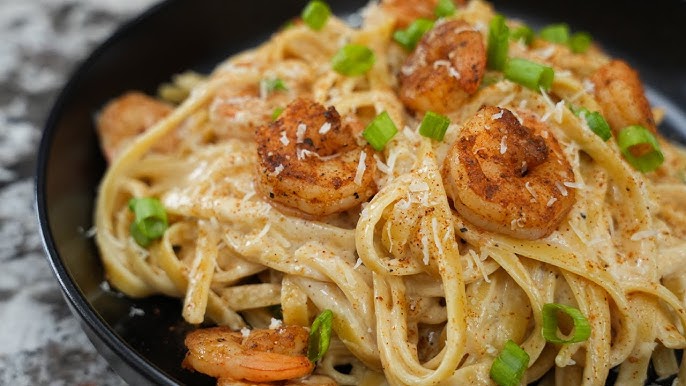
Pasta Alfredo Recipe: Alfredo pasta is one of those classic dishes that manage to strike the perfect balance between comfort food and elegance. Known for its rich, creamy texture and indulgent flavor, it has become a staple in Italian-American cuisine and is loved all over the world. Whether you’re a seasoned cook or just starting your culinary journey, Alfredo pasta is a must-have recipe in your repertoire.
The Origin of Alfredo Sauce
While many associate Alfredo pasta with American restaurants, it actually has Italian roots. The dish was originally created in Rome by Alfredo di Lelio in the early 1900s. Back then, the recipe was simpler—just butter and Parmesan tossed with pasta. Over time, especially in the U.S., heavy cream was added to make the sauce richer and more luxurious. This adaptation is now the Alfredo sauce we all know and love.
Why Alfredo Pasta is a Crowd Favorite
What makes Alfredo pasta so beloved? It’s that smooth, velvety sauce that clings to every strand of fettuccine. It’s rich, it’s cheesy, and it’s endlessly customizable. You can keep it classic, or add chicken, shrimp, mushrooms, or spinach to mix things up. Whether it’s a romantic dinner, family meal, or dinner party main course, Alfredo pasta never disappoints.
Ingredients Needed for Alfredo Pasta
Let’s talk ingredients. To make the perfect Alfredo pasta, you don’t need a ton of fancy stuff—just quality basics and a little bit of technique. The better your ingredients, the more flavor you’ll get.
Main Ingredients
Here’s what you’ll need for the classic version:
- Fettuccine pasta – About 12 oz for 4 servings
- Butter – 1/2 cup (1 stick), unsalted
- Heavy cream – 1 cup
- Parmesan cheese – 1 cup, freshly grated
- Salt – To taste
- Pepper – Freshly ground black pepper, to taste
- Garlic (optional) – 1–2 cloves, minced
Using freshly grated Parmesan makes all the difference—avoid the pre-shredded stuff if possible. For a smoother sauce, use heavy cream rather than milk or half-and-half.
Optional Add-ons for a Gourmet Twist
Want to level up your Alfredo pasta? Here are some killer add-ons:
- Grilled chicken – Adds protein and a smoky touch
- Shrimp – Makes it feel like a restaurant-quality dish
- Mushrooms – Adds earthiness and depth
- Spinach – For a fresh, healthy vibe
- Bacon or pancetta – For a savory, crunchy upgrade
You can also play with cheeses—try Romano or Asiago for different flavor profiles.
Equipment You’ll Need
Before diving in, make sure you’ve got the right tools.
Basic Kitchen Tools
- Large pot – For boiling pasta
- Deep skillet or sauté pan – To make the sauce
- Wooden spoon or spatula – For stirring
- Grater – For fresh Parmesan
- Tongs – To toss pasta and sauce together
Pro Tips for Preparation Efficiency
- Pre-measure your ingredients so everything’s ready to go.
- Use a microplane to grate cheese finely—it melts faster.
- Save some pasta water before draining—it helps thin out the sauce if needed.
Step-by-Step Cooking Instructions
Ready to cook? Let’s walk through it, step by step.
Step 1 – Boiling the Pasta
Bring a large pot of salted water to a rolling boil. Add the fettuccine and cook according to the package instructions until al dente. This usually takes about 10–12 minutes. Stir occasionally so the pasta doesn’t stick. Once cooked, drain but save about 1 cup of the pasta water—you’ll need this if your sauce needs thinning later.
Step 2 – Making the Alfredo Sauce
In a large skillet over medium heat, melt the butter. If you’re using garlic, sauté it now for about 1 minute until fragrant. Next, pour in the heavy cream and stir to combine. Bring the mixture to a gentle simmer—don’t let it boil.
Once it starts to thicken slightly (after about 3–4 minutes), slowly add the grated Parmesan cheese. Stir continuously until the cheese is completely melted and the sauce is smooth. Season with salt and pepper to taste.
Step 3 – Combining Pasta and Sauce
Add the drained pasta directly into the sauce in the skillet. Use tongs to toss the pasta so it’s well coated. If the sauce is too thick, add a splash of the reserved pasta water a little at a time until you reach your desired consistency.
Step 4 – Final Touches and Garnish
Turn off the heat and let the pasta rest for a minute to soak in the sauce. Garnish with freshly grated Parmesan, a bit of chopped parsley for color, and maybe a pinch of crushed red pepper for a little heat.
Tips to Make It Extra Creamy and Delicious
Cheese Tips
Always use fresh Parmesan and grate it yourself. Pre-shredded cheese often contains anti-caking agents that prevent it from melting smoothly. For extra flavor, you can mix in a bit of Romano or Gruyère.
Cream and Butter Ratios
If you want a richer sauce, increase the butter to 3/4 cup. For a lighter version, you can reduce the cream slightly and replace it with whole milk, but it won’t be as silky. Always simmer the sauce gently—boiling can cause the cream to curdle.
Customizing Your Alfredo Pasta
Adding Proteins for a Hearty Meal
Alfredo pasta is amazing on its own, but adding a bit of protein can turn it into a complete, hearty meal. Here are a few popular protein options to stir into your creamy creation:
- Grilled Chicken: Slice up a juicy, grilled chicken breast and lay it on top of your pasta. The smoky char contrasts beautifully with the rich sauce.
- Shrimp: Sauté shrimp with garlic and a splash of lemon juice. Their light, tender texture pairs well with the heaviness of the Alfredo sauce.
- Steak Strips: Want something indulgent? Pan-sear some thin steak slices for a bold, savory twist.
- Crispy Tofu: If you’re going meat-free, pan-fried tofu cubes offer a great texture and soak up the sauce beautifully.
The key to adding protein is to cook it separately and then fold it in just before serving. This way, you maintain the texture of the meat and keep the sauce from overcooking.
Incorporating Vegetables for Extra Flavor
Don’t underestimate the power of vegetables to elevate your Alfredo pasta. They add color, texture, and a burst of freshness that balances the creamy sauce. Here are some fantastic vegetable options:
- Spinach: A handful of fresh spinach wilts beautifully into the warm sauce and adds a nutritional punch.
- Broccoli: Lightly steamed or roasted, broccoli adds crunch and vibrant color.
- Mushrooms: Sautéed mushrooms bring an earthy depth that pairs wonderfully with Parmesan.
- Peas: Sweet, tender peas pop with flavor and contrast nicely against the sauce.
Toss these in while combining the pasta and sauce or mix them in right at the end for maximum freshness.
Serving Suggestions and Side Dishes
Let’s be real—Alfredo pasta is pretty filling. But pairing it with the right sides can turn a simple dinner into a full-fledged feast. Here’s what goes great with Alfredo:
- Garlic Bread: Buttery, garlicky, and toasted to perfection. Use it to mop up every last bit of sauce.
- Caesar Salad: Crisp romaine, tangy dressing, and crunchy croutons create a refreshing contrast.
- Roasted Veggies: Carrots, Brussels sprouts, or zucchini make for a colorful and healthy pairing.
- White Wine: A chilled glass of Chardonnay or Pinot Grigio balances the creaminess perfectly.
These sides not only complement the flavors but also help balance the richness of the dish.
Common Mistakes to Avoid
Even though Alfredo pasta is simple, a few missteps can ruin its silky smooth texture. Here are some things to watch out for:
- Overcooking the pasta: You want it al dente. Mushy pasta doesn’t hold up well with the sauce.
- Using pre-shredded cheese: It won’t melt well and can make your sauce gritty.
- Boiling the cream: High heat can cause separation or curdling. Keep the heat medium-low.
- Adding cold cheese to hot sauce: Always bring cheese to room temperature before mixing for smoother melting.
- Skipping the pasta water: That starchy water is your best friend for adjusting the sauce’s texture.
Avoiding these pitfalls will help you serve up a restaurant-quality Alfredo every single time.
Storing and Reheating Alfredo Pasta
Got leftovers? Alfredo pasta can be stored and reheated, but it takes a little finesse to keep it creamy.
- Storage: Place in an airtight container and refrigerate for up to 3 days. Avoid freezing—it’ll mess with the texture of the sauce.
- Reheating: Add a splash of milk or cream to a pan, then gently reheat the pasta over medium-low heat. Stir constantly to re-emulsify the sauce.
Microwaving is an option, but it can dry out the sauce. If you must, cover the dish and microwave in 30-second intervals, stirring each time.
Making Alfredo Pasta Gluten-Free or Vegan
Gluten-Free Adaptations
Going gluten-free doesn’t mean giving up creamy Alfredo goodness. There are plenty of ways to adapt the recipe without sacrificing flavor or texture:
- Use Gluten-Free Pasta: There are lots of options like rice-based, corn-based, or chickpea pasta. Fettuccine is traditional, but penne or spaghetti works too.
- Double-Check Ingredients: Parmesan, butter, and cream are naturally gluten-free, but always check labels—especially if using pre-shredded cheese or packaged butter.
Pro Tip: Gluten-free pasta cooks faster and can become mushy quickly. Keep a close eye on it while boiling and rinse it with cold water to stop the cooking process.
Vegan Alfredo Alternatives
Want a plant-based version? You’re in luck—vegan Alfredo is delicious when done right. Here’s how to recreate the creaminess without dairy:
- Butter Substitute: Use vegan butter or olive oil.
- Dairy-Free Cream: Coconut cream, cashew cream, or almond milk can replace heavy cream. Cashew cream gives the closest texture and flavor.
- Vegan Cheese: Nutritional yeast adds cheesy flavor without dairy. You can also use a vegan Parmesan substitute.
Homemade Vegan Alfredo Sauce:
- 1 cup soaked cashews
- 1 cup unsweetened almond milk
- 2 tbsp nutritional yeast
- 2 tbsp olive oil
- 1 tsp garlic powder
- Salt and pepper to taste
Blend until smooth and heat gently. It’s shockingly creamy, dairy-free, and packed with flavor!
How to Impress Guests with Alfredo Pasta
Whether you’re hosting a casual get-together or a fancy dinner party, Alfredo pasta can be the showstopper. Here are a few presentation and serving tips to really wow your guests:
- Plate with Style: Use tongs to twist the pasta into a neat mound in the center of the plate.
- Top with Garnish: Sprinkle with chopped parsley, freshly cracked black pepper, or even truffle oil for extra flair.
- Serve on Warm Plates: Alfredo cools quickly, so warming your dishes beforehand keeps the pasta hot longer.
- Pair with the Right Drink: A light white wine, sparkling water with lemon, or even a fruity cocktail can elevate the entire experience.
Presentation matters just as much as taste. With these tips, your Alfredo pasta will look like it came straight out of a fine-dining kitchen.
FAQs about Pasta Alfredo Recipe
Q1: Can I make Alfredo sauce without cream?
Yes! You can use a mixture of milk and butter, or even try alternatives like cashew cream or Greek yogurt for a healthier option.
Q2: What kind of pasta works best with Alfredo sauce?
Fettuccine is the traditional choice, but linguine, penne, and even spaghetti work well depending on your preference.
Q3: How can I prevent my Alfredo sauce from becoming lumpy?
Use freshly grated cheese and add it slowly while stirring over low heat. Avoid boiling the sauce.
Q4: Can I make Alfredo pasta ahead of time?
You can prep the sauce and pasta separately, but combine them just before serving to maintain texture and creaminess.
Q5: How do I fix a too-thick Alfredo sauce?
Add a bit of reserved pasta water or warm milk and stir until you reach the desired consistency.
Conclusion
Creamy, cheesy, and comfort-packed—Alfredo pasta is truly one of the easiest ways to treat yourself to a luxurious meal at home. Whether you’re sticking with the traditional recipe or adding your own twist with proteins, veggies, or vegan alternatives, the end result is always deeply satisfying. Remember to use fresh ingredients, avoid common mistakes, and serve with the right sides to turn this classic pasta into a culinary masterpiece.
So the next time you’re craving something rich and cozy, skip the takeout and whip up this homemade Alfredo pasta. It’s easy, it’s indulgent, and it never disappoints.