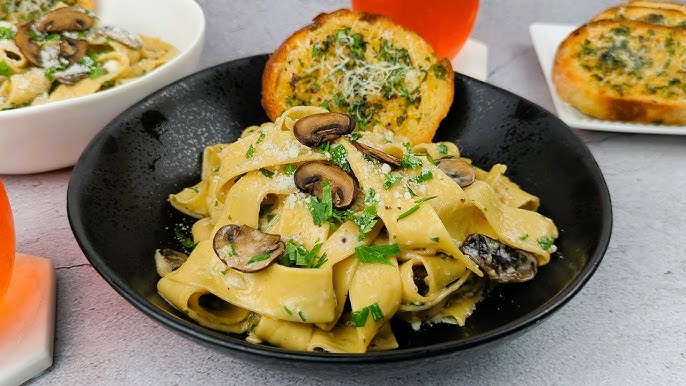
Pappardelle Pasta Recipe: There’s something undeniably magical about homemade pasta, especially when it’s wide, ribbon-like, and silky smooth — yes, we’re talking about pappardelle. It’s the kind of pasta that hugs sauces like a warm blanket, rich with rustic charm.
Whether you’re new to pasta making or you’re refining your skills, this step-by-step guide will walk you through everything you need to know to create mouthwatering pappardelle from scratch.
What is Pappardelle Pasta?
Pappardelle (pronounced pah-par-DEL-lay) is a traditional Tuscan pasta that’s as wide as your culinary ambitions. These broad, flat ribbons of pasta are typically around ¾ to 1 inch wide — wider than fettuccine or tagliatelle. They’re perfect for catching chunky, hearty sauces like a slow-cooked ragù or creamy mushroom blend.
Unlike more delicate pastas, pappardelle holds up well under weighty sauces, making it a favorite for comfort food dishes and celebratory meals. Its name comes from the Italian verb “pappare,” which means “to gobble up” — and that’s exactly what you’ll want to do once it’s on your plate.
Why You’ll Love Making Fresh Pappardelle at Home
Sure, store-bought pasta is quick and easy, but there’s something so rewarding about making pappardelle from scratch. Here’s why it’s worth rolling up your sleeves:
- Flavor Explosion: Fresh pasta has a richer, eggier taste that dried pasta can’t replicate.
- Customizable: Adjust thickness, width, and ingredients to suit your taste or dietary needs.
- Therapeutic Process: The rhythm of kneading and rolling is incredibly calming and satisfying.
- Impress Guests: There’s nothing like serving up a handmade pasta dish that looks like it came straight out of an Italian trattoria.
You don’t need to be a trained chef to get it right — with the right ingredients, tools, and a little patience, you’ll be making pasta like a pro.
Essential Ingredients for Homemade Pappardelle
You don’t need a pantry full of exotic ingredients to make this beautiful pasta. Just a few simple components come together to create a dough that’s elastic, smooth, and flavorful.
Basic Dough Ingredients
Here’s your shopping list for the most basic yet authentic pappardelle dough:
- 2 cups (250g) of all-purpose flour or “00” flour for a silkier texture
- 3 large eggs
- 1 tsp salt (optional but recommended for added flavor)
- 1 tbsp olive oil (optional – helps smooth out the dough)
That’s it! These four ingredients will give you an incredibly delicious, egg-rich pasta dough.
Optional Add-ins for Flavor and Color
Want to mix things up? Here are a few optional ingredients you can add for some pizzazz:
- Spinach puree – for vibrant green pasta
- Beet juice – gives a stunning red hue
- Squid ink – for a dramatic black finish and seafood twist
- Herbs – chopped basil, parsley, or thyme for aromatic pasta
These add-ins don’t just affect the appearance — they also add depth and flavor to the final dish.
Equipment You’ll Need
You don’t need a professional kitchen setup to make pappardelle, but a few tools will make your life easier:
- Mixing bowl
- Wooden or metal bench scraper
- Rolling pin or pasta machine
- Sharp knife or pasta cutter
- Flour sifter (optional but helpful)
- Clean kitchen towel or plastic wrap
- Drying rack or floured surface
If you don’t have a pasta machine, no problem — you can still roll it out by hand. Just be prepared for a mini arm workout!
Understanding the Dough: Texture, Hydration & Elasticity
Before diving into the steps, it’s worth understanding what makes pasta dough tick. The goal is to achieve a dough that’s smooth, elastic, and not sticky. Here’s what to keep in mind:
- Hydration: Too dry, and it’ll crack. Too wet, and it’ll stick to everything. The right ratio of flour to egg is key.
- Elasticity: Proper kneading develops the gluten, giving the dough its stretchiness.
- Resting: Letting the dough rest allows the gluten to relax, making it easier to roll.
If your dough feels too dry while kneading, don’t panic — just add a few drops of water. If it’s too sticky, dust with flour. Like any art form, you’ll get a feel for it with practice.
Step-by-Step Guide to Making Pappardelle Pasta
Now the fun part — let’s get our hands dirty!
Step 1: Making the Dough
Begin by creating a mound of flour on a clean work surface and forming a well in the center. Crack eggs into the well and add a pinch of salt and a splash of olive oil. Slowly mix the eggs with a fork, gradually incorporating the flour until a rough dough forms.
Step 2: Kneading the Dough
Once the dough comes together, knead it by hand for 8–10 minutes. Press, fold, and turn the dough until it becomes smooth, elastic, and slightly tacky. Proper kneading develops the gluten needed for strong, silky pasta.
Step 3: Resting the Dough
Wrap the dough tightly in plastic wrap or cover it with a bowl. Let it rest for at least 30 minutes. Resting allows the gluten to relax, making the dough easier to roll out thinly.
Step 4: Rolling Out the Dough
Divide the dough into smaller pieces and flatten each slightly. Using a rolling pin or pasta machine, roll the dough into a thin sheet—about 1 to 2 millimeters thick. Aim for an even thickness throughout.
Step 5: Cutting the Pappardelle
Lightly flour the sheet, fold it loosely, and slice into wide ribbons about ¾ to 1 inch thick. Unfold the strips to reveal long, elegant pappardelle noodles.
Step 6: Dusting and Drying the Pasta
Dust the noodles with flour or semolina to prevent sticking. Lay them flat or form loose nests. Let them dry slightly before cooking or store for later use. Enjoy fresh homemade pappardelle!
How to Cook Pappardelle Perfectly
Cooking fresh pappardelle is a quick and delicate process that rewards attention. Unlike dried pasta, fresh pasta takes only a couple of minutes to cook, and if you blink, you might overdo it. Here’s how to get it just right:
- Bring a large pot of salted water to a rolling boil. Use about 1 tablespoon of salt per 4 quarts of water. Don’t skip the salt—it seasons the pasta from within.
- Add the fresh pappardelle gently. Give it a gentle stir to prevent the ribbons from sticking together.
- Cook for 2–4 minutes. The exact time will depend on the thickness of your pasta. Look for a tender bite but not mushy.
- Reserve a cup of pasta water before draining. This starchy water is liquid gold—it helps emulsify sauces and makes everything stick together beautifully.
- Drain gently, or lift the noodles out with tongs or a slotted spoon to avoid tearing them.
You want pappardelle to be al dente yet tender enough to melt in your mouth. Combine it with your sauce immediately—fresh pasta waits for no one.
Best Sauces to Pair with Pappardelle
Pappardelle is not shy. Its wide surface makes it the perfect vehicle for robust, chunky, and creamy sauces. If you’re unsure what to pair it with, start with one of these tried-and-true combinations:
1. Bolognese (Ragù alla Bolognese)
The classic pairing. Rich, slow-simmered meat sauce clings to every ribbon.
2. Wild Mushroom Cream Sauce
Earthy mushrooms with a splash of cream and Parmesan? Match made in pasta heaven.
3. Pork or Wild Boar Ragù
A traditional Tuscan favorite. Slow-cooked meat and tomatoes meld into a deep, savory sauce.
4. Truffle Butter Sauce
When you want luxury on a plate. A little truffle goes a long way on pappardelle.
5. Pesto with Ricotta
For a lighter touch, fresh basil pesto and creamy ricotta coat the noodles beautifully.
Don’t be afraid to experiment—pappardelle is forgiving and embraces bold flavors.
Classic Pappardelle al Ragù Recipe
Let’s walk through a delicious ragù recipe you can serve with your homemade pappardelle. It’s rich, comforting, and surprisingly easy to make.
Ingredients:
- 1 lb ground beef or pork (or a mix)
- 1 onion, diced
- 2 carrots, diced
- 2 celery stalks, diced
- 2 cloves garlic, minced
- 1 tbsp tomato paste
- 1 cup red wine
- 1 can (28 oz) crushed tomatoes
- Salt and pepper to taste
- Olive oil
- Fresh basil or parsley (optional)
- Grated Parmesan (for serving)
Instructions:
- In a large skillet, heat olive oil over medium heat. Add onion, carrot, and celery. Sauté until soft, about 8 minutes.
- Add garlic and tomato paste. Cook for 1 minute.
- Add the ground meat and cook until browned.
- Pour in red wine and let it reduce for 5 minutes.
- Add crushed tomatoes, salt, and pepper. Simmer on low heat for at least 30–40 minutes.
- Serve over cooked pappardelle and garnish with fresh herbs and Parmesan.
This sauce gets better the longer it simmers—don’t rush it. Make extra and freeze it for your next pasta night.
Vegetarian Options for Pappardelle
No meat? No problem. Pappardelle is just as delicious in vegetarian dishes. Here are some savory ideas:
- Creamy mushroom and spinach: Sauté mushrooms with garlic, add cream, toss in fresh spinach.
- Roasted vegetable medley: Bell peppers, zucchini, eggplant, and cherry tomatoes roasted and tossed with olive oil and herbs.
- Lemon and herb butter sauce: Bright and fragrant, with a touch of Parmesan and crushed red pepper.
- Pappardelle primavera: Light, colorful, and packed with seasonal veggies.
- Pumpkin or butternut squash sauce: A creamy, slightly sweet twist for a cozy meal.
Pappardelle doesn’t need meat to be amazing—it just needs love and good ingredients.
Gluten-Free and Vegan Substitutions
Making pappardelle for special dietary needs? Here’s how to adjust the recipe:
Gluten-Free:
- Use gluten-free flour blends (like Cup4Cup or Bob’s Red Mill 1-to-1).
- You may need to add xanthan gum or extra eggs for elasticity.
- The dough is more delicate, so handle with care.
Vegan:
- Replace eggs with a mixture of:
- ½ cup water + 2 tbsp olive oil per 2 cups flour
- Or use 1 tbsp ground flaxseed + 3 tbsp water per egg (let it gel first)
- Add a pinch of turmeric or kala namak for an “eggy” flavor.
While the texture may differ slightly, you can still enjoy luscious homemade pappardelle without eggs or gluten.
Storing Homemade Pappardelle: Fresh, Refrigerated, or Frozen
Made a big batch? Great! Here’s how to store it:
Fresh:
- Store in the fridge in an airtight container for up to 2 days.
- Lightly dust with flour before storing to prevent sticking.
Refrigerated:
- After drying for 30 minutes, refrigerate in sealed containers.
- Eat within 48 hours for best texture.
Frozen:
- Freeze in well-floured nests on a baking sheet.
- Once solid, transfer to freezer bags.
- Cook straight from frozen (don’t thaw), adding 1–2 extra minutes to cook time.
Proper storage ensures you can enjoy your labor of love anytime.
Troubleshooting Common Pasta Dough Problems
Homemade pasta is part science, part art. If things go wrong, don’t panic. Here’s how to fix common issues:
Dough is too dry and cracking:
- Add water a teaspoon at a time while kneading.
Dough is too sticky:
- Sprinkle in a bit more flour until manageable.
Pasta is tearing while rolling:
- Rest the dough longer or reduce the thickness setting more gradually.
Dough snaps back when rolling:
- Let it rest longer to relax the gluten.
Pasta sticks together after cutting:
- Be generous with flour and avoid stacking uncooked ribbons.
With each batch, you’ll learn and improve. Pasta making is a journey—enjoy the ride!
Tips to Master Pappardelle Like an Italian Nonna
- Use the best eggs you can find. Rich, golden yolks give the dough its beautiful hue.
- Knead with love. It’s the secret ingredient to great pasta.
- Don’t rush the rest. Dough needs time to relax—just like us.
- Practice makes perfect. Each batch gets easier and better.
- Cook with your senses. Feel the dough, watch the sauce, taste often.
The more you make it, the more you’ll intuitively understand the dough and sauce balance. One day, you’ll be teaching others just like a Nonna.
FAQs about Pappardelle Pasta Recipe
1. How long does homemade pappardelle last?
Fresh pappardelle lasts about 2 days in the fridge. For longer storage, freeze it for up to 2 months.
2. Can I make pappardelle without a pasta machine?
Absolutely! Use a rolling pin and a sharp knife. It takes a bit more elbow grease but works just as well.
3. What’s the difference between pappardelle and fettuccine?
Pappardelle is wider—about ¾ to 1 inch. Fettuccine is thinner, around ¼ inch. Both are flat ribbons, but pappardelle is more rustic.
4. How can I prevent my pappardelle from sticking together?
Dust generously with flour after cutting and store in a single layer or lightly floured nests.
5. Is pappardelle better fresh or dried?
Fresh pappardelle is more tender and cooks faster. Dried works too but offers a different texture. Both are delicious!
Conclusion
Making homemade pappardelle isn’t just about food—it’s about tradition, passion, and creativity. With just a few ingredients, a little practice, and a whole lot of love, you can bring a slice of Tuscany into your kitchen. Whether you’re pairing it with a hearty ragù, fresh veggies, or a simple butter sauce, pappardelle promises comfort and class in every bite.
So go ahead—flour your board, crack those eggs, and get rolling. You’ve got this!