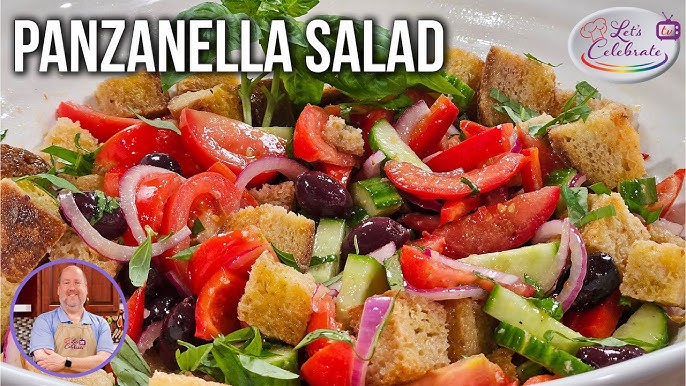
Panzanella Salad Recipe: There’s something irresistibly charming about a dish that transforms day-old bread and ripe summer vegetables into a masterpiece. Panzanella, a rustic Italian bread salad, is the epitome of summer simplicity. Bursting with bold flavors, vibrant colors, and juicy textures, it captures the very essence of seasonal eating.
Origins of the Dish
Panzanella hails from the Tuscan countryside, where frugality meets creativity. In a land where nothing goes to waste, stale bread is given new life by soaking up the juices of ripe tomatoes, sharp onions, and a tangy vinaigrette. It’s a dish born out of necessity but elevated to culinary art by generations of home cooks. Initially, it was just bread and onions—tomatoes weren’t part of the original recipe until they became a staple in Italian cuisine post-Columbus. Over time, as tomatoes became more widely used, they found their way into the heart of this dish.
Why It’s a Summer Favorite
Why do people rave about Panzanella during the summer? It’s because the salad is best when tomatoes are at their peak—sweet, acidic, and dripping with juice. Add crunchy cucumbers, fragrant basil, and some red onions, and you’ve got a celebration of summer in every bite. Plus, it’s one of those rare dishes that actually gets better as it sits, making it a great make-ahead meal for picnics, barbecues, or weeknight dinners.
Key Ingredients for Authentic Panzanella
Crafting the perfect Panzanella starts with choosing quality ingredients. Since the salad is so simple, every component needs to shine.
Choosing the Right Bread
The heart of any good Panzanella is the bread. This isn’t the time for soft, fluffy sandwich bread. You need a hearty, rustic loaf—think Italian ciabatta, French baguette, or sourdough. Ideally, the bread should be a day or two old. Fresh bread can get soggy too fast, while stale bread will soak up the juices just right without falling apart. Cut the bread into rough chunks or cubes and toast it lightly if it feels too hard. This way, it stays chewy and gives a wonderful texture to the salad.
Fresh Vegetables and Herbs
Here’s where you bring the salad to life. The essential vegetables for a traditional Panzanella are:
- Tomatoes – Use a mix of heirloom, cherry, or vine-ripened tomatoes for color and flavor. Chop them into chunks and don’t throw away the juice—it adds magic to the salad.
- Cucumbers – They bring crunch and freshness.
- Red Onion – Thinly sliced for a mild kick. You can soak the slices in cold water for a few minutes to mellow the sharpness.
- Basil – Tear fresh basil leaves by hand; their aroma is irreplaceable.
- Optional – Bell peppers, olives, or capers can add depth, but aren’t essential to the base recipe.
Step-by-Step Guide to Making Panzanella Salad
Now that we’ve got the ingredients lined up, it’s time to dive into the method. Follow these steps to make your Panzanella salad sing.
Step 1 – Preparing the Bread
Start with about 4 cups of cubed day-old bread. If it’s very stale, you can revive it by drizzling a bit of water and letting it sit for a few minutes—or better yet, toast it lightly in the oven for 10 minutes at 350°F. The idea is to get it just crispy enough on the outside while retaining a chewy texture. Let it cool while you prepare the rest of the ingredients.
Step 2 – Chopping the Vegetables
Dice 3–4 ripe tomatoes into bite-sized chunks. Slice half a red onion thinly and let it soak in a bowl of cold water for 10 minutes to take the edge off. Peel and slice one cucumber. Combine all the veggies in a large bowl and season with a little salt to help draw out the juices. Give it a gentle mix.
Step 3 – Making the Dressing
The dressing is simple but crucial. In a small bowl, whisk together:
- 1/4 cup extra virgin olive oil
- 2 tablespoons red wine vinegar (or balsamic for a deeper flavor)
- 1 minced garlic clove
- Salt and pepper to taste
This vinaigrette will tie everything together. You want the acidity of the vinegar to balance the sweetness of the tomatoes and the richness of the oil to coat every bite.
Step 4 – Assembling the Salad
Now comes the fun part—assembly! Add the toasted bread cubes to the vegetable mixture. Pour the dressing over everything and toss gently with your hands. Don’t be afraid to get a little messy; it helps blend the flavors better.
Make sure every chunk of bread gets some dressing and veggie juice action. The bread should start to soften but still have a bit of chew to it. Sprinkle in a handful of torn basil leaves and give it one final toss.
Step 5 – Letting It Marinate
Here’s the secret to truly irresistible Panzanella: let it sit. Cover the bowl and leave it at room temperature for 30 minutes to an hour. This resting time lets the bread soak up the tomato juices and the dressing, making every bite burst with flavor.
If you’re making it ahead, you can refrigerate it for up to a few hours. Just let it come back to room temperature before serving and refresh with a bit more olive oil or vinegar if needed.
Tips and Variations
While the classic Panzanella is already a masterpiece, the beauty of this dish lies in its flexibility. You can tweak it to match your preferences or dietary needs without losing the soul of the salad.
Optional Add-Ins
Want to put your own twist on Panzanella? Here are some delicious additions:
- Mozzarella or Burrata – Creamy cheese adds a rich contrast to the acidic tomatoes.
- Avocado – For a buttery, modern flair.
- Grilled Chicken or Tuna – Makes it a complete, protein-packed meal.
- Roasted Red Peppers – For a smoky-sweet depth.
- Olives or Capers – They introduce a briny, salty punch that pairs beautifully with the other ingredients.
These add-ins not only enhance the flavor but also turn this salad into a more filling, versatile dish. Just remember to keep the balance—don’t overload it or you’ll lose the simplicity that makes Panzanella so appealing.
Gluten-Free and Vegan Alternatives
No need to skip out if you have dietary restrictions. You can easily make Panzanella gluten-free or vegan:
- Gluten-Free Bread – Use your favorite GF loaf. Toast it well to keep it from turning mushy.
- Vegan Version – The base recipe is already vegan, just avoid adding cheese or use a plant-based alternative.
And if you’re going low-carb, consider using roasted cauliflower chunks in place of the bread—it won’t be traditional, but it’ll still be delicious.
Serving Suggestions and Storage
Panzanella can be the star of the table or a perfect sidekick to other dishes. Knowing how to serve and store it properly ensures every bite remains fresh and flavorful.
What to Pair It With
This salad is incredibly versatile. Here are some pairings to elevate your meal:
- Grilled Meats – Think chicken, steak, or sausages. The tangy, juicy salad balances out smoky, savory proteins.
- Seafood – Especially grilled shrimp or salmon. The freshness of Panzanella complements the lightness of fish.
- Italian Classics – Like pasta, lasagna, or a charcuterie board. Panzanella adds a fresh contrast to heavier foods.
- Soups – Try it with gazpacho or a light broth-based soup for a light, Mediterranean-inspired lunch.
How to Store Leftovers
Panzanella is best enjoyed fresh, but you can store leftovers in the fridge for up to 1–2 days. Just be aware that the bread will continue to absorb moisture and soften further. To revive it:
- Add a few fresh bread chunks before serving.
- Drizzle a bit more olive oil and vinegar.
- Toss in some fresh herbs to brighten it up again.
Avoid freezing Panzanella—the texture just won’t hold up.
FAQs about Panzanella Salad Recipe
1. Can I use fresh bread for Panzanella?
Fresh bread can be used, but it’s better to dry or toast it slightly to prevent it from turning soggy. Stale bread holds up much better in the dressing.
2. How long should I marinate Panzanella before serving?
Let it sit for at least 30 minutes at room temperature. This allows the flavors to meld and the bread to soak up the juices properly.
3. Is Panzanella served hot or cold?
It’s typically served at room temperature. Chilling it can dull the flavors, so let it come to room temp before serving if it’s been refrigerated.
4. What type of vinegar is best for the dressing?
Red wine vinegar is traditional, but you can use balsamic for a richer flavor or white wine vinegar for a lighter taste.
5. Can I make Panzanella ahead of time?
Yes, you can prepare it a few hours in advance. Just keep it covered and refrigerated, then bring it to room temperature before serving.
Conclusion
Panzanella isn’t just a salad—it’s a tribute to simplicity, resourcefulness, and the joy of eating seasonal ingredients. Whether you’re using up yesterday’s bread or showcasing garden-fresh tomatoes, this dish delivers flavor, texture, and satisfaction in every forkful.
What makes it even more lovable is its adaptability. From traditional Tuscan to your own modern version, there’s no wrong way to make Panzanella. It’s a dish that encourages creativity, experimentation, and most importantly—sharing.
So next time you have some stale bread and ripe tomatoes, don’t toss them. Make a Panzanella salad instead. You’ll be surprised just how satisfying and flavorful it can be.