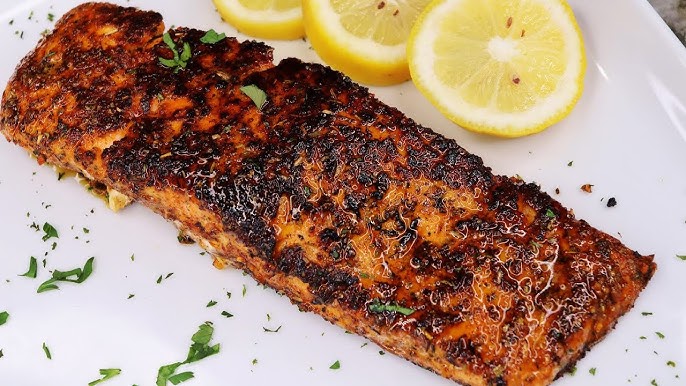
Pan Fried Salmon Recipe: There’s something special about a perfectly pan-fried salmon fillet. It’s simple, elegant, and incredibly satisfying. The golden, crispy skin with tender, flaky flesh underneath makes it one of the most enjoyable seafood dishes you can cook at home. Unlike complicated seafood recipes, pan-frying salmon requires minimal ingredients, a good-quality pan, and the right technique to achieve restaurant-quality results right in your kitchen.
Why Pan Fried Salmon is a Favorite Dish
Pan fried salmon has won hearts worldwide because it balances flavor, nutrition, and convenience. It cooks quickly, usually within 10 minutes, making it perfect for weeknight dinners or even special occasions. Unlike baked salmon, pan-frying gives you that crispy skin and caramelized edges that elevate the taste. Plus, it doesn’t require any fancy marinades—you can simply season with salt, pepper, and a squeeze of lemon, and you’re good to go.
Benefits of Cooking Salmon at Home
Cooking salmon at home gives you full control over freshness, seasoning, and cooking methods. You’ll save money compared to dining at seafood restaurants while enjoying a meal that’s often healthier and fresher. Another benefit is versatility—once you master the basic pan-fried method, you can experiment with garlic butter, spicy seasonings, or herb-infused oils to create endless variations.
Ingredients You’ll Need
The beauty of pan fried salmon lies in its simplicity. With just a few key ingredients, you can create a flavorful and nutritious dish that looks and tastes like it came from a high-end restaurant.
Fresh Salmon Fillets
The star of the dish is, of course, the salmon. Opt for skin-on salmon fillets, as the skin helps hold the fish together during cooking and crisps up beautifully when fried. Choose fresh salmon whenever possible—look for firm flesh, a bright pink-orange color, and no fishy odor. If you’re using frozen salmon, make sure to thaw it properly before cooking to ensure even frying.
Seasonings and Herbs
The seasonings you use can completely transform the flavor profile. At the very least, you’ll need:
- Sea salt
- Freshly ground black pepper
For added flavor, you can include:
- Garlic powder or minced garlic
- Paprika
- Fresh or dried herbs like dill, parsley, or thyme
Cooking Oils and Butter
The choice of oil matters when pan frying salmon. Oils with a high smoke point, like avocado oil, canola oil, or sunflower oil, work best. For extra richness and flavor, a knob of butter added at the end of cooking creates a silky sauce that coats the salmon beautifully.
Optional Garnishes and Add-Ons
To brighten up the dish, you can finish it with fresh lemon slices, capers, or a drizzle of honey for sweetness. Some also like to sprinkle toasted sesame seeds or serve it with a light yogurt-based sauce for extra creaminess.
Tools and Equipment Required
Cooking salmon to perfection isn’t just about the ingredients—it also depends on the tools you use.
Choosing the Right Pan
A heavy-bottomed skillet or cast-iron pan works best for pan frying salmon. These pans retain heat evenly, ensuring your fish gets that beautiful golden crust without burning. Nonstick pans are also a good option, especially if you’re worried about sticking.
Useful Kitchen Tools
- A sharp knife (for trimming the salmon if needed)
- Paper towels (to pat the salmon dry before frying)
- A spatula (preferably fish spatula for easy flipping)
- Tongs (for careful handling)
Having the right tools not only makes cooking easier but also improves the final result significantly.
Step-by-Step Guide to Pan Fried Salmon
Here comes the exciting part—cooking the salmon! If you follow each step carefully, you’ll end up with a dish that’s perfectly crisp on the outside and tender on the inside.
Step 1 – Preparing the Salmon Fillets
Before cooking, ensure your salmon fillets are dry. Use a paper towel to gently pat the skin and flesh. Moisture is the enemy of crispy skin, so this step is crucial. If needed, trim any uneven edges so the fillets cook evenly.
Step 2 – Seasoning the Salmon
Season generously with salt and pepper on both sides. For extra flavor, rub in some garlic, paprika, or herbs of your choice. Always season just before frying—if you salt the fish too early, it may draw out excess moisture.
Step 3 – Heating the Pan Properly
One of the most important steps in pan frying salmon is preheating your pan. A properly heated pan ensures that the skin crisps up quickly without sticking. Place your skillet on medium-high heat and let it warm for at least 2–3 minutes before adding oil. You’ll know the pan is ready when a drop of water sizzles and evaporates almost instantly.
Next, add about 1–2 tablespoons of oil with a high smoke point—avocado, canola, or grapeseed oil are great options. Swirl the pan gently to coat the bottom evenly. The oil should shimmer but not smoke; this is the perfect sign that the pan is hot enough to start cooking.
Pro tip: Never add the salmon to a cold pan. Doing so will result in soggy skin that sticks, and you’ll lose that restaurant-quality texture we’re aiming for.
Step 4 – Pan Frying the Salmon (Skin-Side Down First)
Always start cooking salmon skin-side down. The skin acts as a natural barrier, protecting the delicate flesh from direct heat and allowing it to crisp up nicely. Place the salmon fillets gently into the pan, laying them away from you to avoid oil splatters.
Press down lightly with a spatula for the first 20–30 seconds to prevent the skin from curling. Let the salmon cook undisturbed for about 4–5 minutes, depending on the thickness of the fillet. During this time, resist the temptation to move or flip the fish—leaving it alone ensures the skin develops a deep golden-brown crust.
You’ll notice the color of the salmon flesh gradually changing from translucent pink to opaque as it cooks from the bottom up. Once it’s cooked about two-thirds of the way, it’s time to flip.
Step 5 – Flipping and Cooking Evenly
Now comes the tricky part—flipping the salmon without breaking it. Use a fish spatula (or a thin, flexible spatula) to gently lift the fillet from the pan. If the skin is properly crisped, it should release easily without sticking. If it resists, give it another minute.
Flip the salmon carefully and cook the flesh side for another 2–4 minutes, depending on how well done you prefer your fish. For medium doneness, aim for a total cook time of 7–8 minutes. If you like it well-done, leave it a minute longer, but be cautious—overcooking dries out the salmon quickly.
You’ll know the salmon is ready when the flesh flakes easily with a fork but still looks slightly translucent in the center. Remember, salmon continues to cook slightly after being removed from the pan, so don’t be afraid to take it off the heat just before it looks fully done.
Step 6 – Adding Butter and Herbs for Flavor
For an extra burst of flavor, add butter and herbs toward the end of cooking. Once you’ve flipped the salmon, toss in a tablespoon of butter, a crushed garlic clove, and fresh herbs like thyme or rosemary. As the butter melts, tilt the pan slightly and spoon the infused butter over the salmon. This technique, known as “basting,” adds richness and a subtle herbal aroma that makes the dish irresistible.
If you’re aiming for a restaurant-style finish, squeeze fresh lemon juice over the salmon just before serving. The acidity balances the richness of the fish and brightens up the overall flavor profile.
Step 7 – Resting the Salmon Before Serving
Just like steak, salmon benefits from a short resting period. Once you remove the fillets from the pan, let them sit for 2–3 minutes before serving. This allows the juices to redistribute within the flesh, ensuring every bite is moist and flavorful.
During this time, you can plate your side dishes or prepare a quick sauce to drizzle over the fish. Once rested, your salmon is ready to be enjoyed with crispy skin intact and melt-in-your-mouth flesh inside.
Tips for Perfect Pan Fried Salmon
Even though pan frying salmon is relatively simple, a few key tips can make all the difference between a good dish and an outstanding one.
How to Avoid Overcooking
Salmon cooks quickly, so it’s easy to overdo it. Keep a close eye on the color change in the fillet—it’s your best indicator. Remove the salmon from the pan when the center is still slightly translucent. This ensures it will be juicy and tender rather than dry and chewy.
Achieving Crispy Skin Every Time
The secret to crispy salmon skin is moisture control. Always pat the skin dry before seasoning and cooking. A hot pan and enough oil are also crucial. Avoid flipping the fish too soon, as this prevents the skin from developing a deep, even crisp.
Common Mistakes to Avoid
- Using the wrong pan: Thin pans don’t hold heat well and can cause uneven cooking.
- Overcrowding the pan: Cook in batches if needed, as too many fillets at once will lower the temperature and result in soggy salmon.
- Not preheating the pan: A cold pan guarantees sticking skin and uneven cooking.
By steering clear of these mistakes, you’ll consistently produce salmon that rivals any restaurant dish.
Serving Suggestions
Pan fried salmon is incredibly versatile, making it easy to pair with a wide variety of sides and sauces. Whether you want something light and refreshing or rich and comforting, there’s always a perfect combination.
Pairing with Vegetables
Vegetables balance out the richness of salmon beautifully. You can serve it with roasted asparagus, sautéed spinach, or a colorful medley of zucchini, bell peppers, and carrots. If you prefer something lighter, a crisp garden salad with cucumbers, cherry tomatoes, and arugula works wonders. The freshness of vegetables cuts through the buttery flavor of the fish, creating a balanced meal.
Perfect Side Dishes
If you’re looking for heartier pairings, salmon goes well with grains and starches. Try serving it alongside:
- Garlic mashed potatoes
- Creamy risotto
- Fluffy couscous
- Herbed rice pilaf
- Quinoa salad with lemon vinaigrette
These sides add substance to your plate while complementing the texture of salmon. For an extra indulgent meal, pair it with truffle fries or cheesy baked potatoes.
Sauces and Dressings
A good sauce can elevate pan fried salmon from simple to extraordinary. Popular options include:
- Lemon butter sauce: Tangy and creamy, it’s a classic choice.
- Dill yogurt sauce: Light, refreshing, and perfect for a healthier twist.
- Garlic cream sauce: Rich and indulgent for a restaurant-style finish.
- Soy ginger glaze: Adds an Asian-inspired flavor profile.
Drizzling one of these over your salmon not only enhances taste but also makes the dish look more gourmet.
Health Benefits of Salmon
Aside from being delicious, salmon is often hailed as one of the healthiest foods you can eat. Including it regularly in your diet provides numerous health benefits that go far beyond taste.
Nutritional Value of Salmon
Salmon is packed with essential nutrients. A standard serving (100 grams) contains high-quality protein, vitamin B12, vitamin D, potassium, and selenium. It’s low in saturated fats yet rich in beneficial nutrients that support overall health.
Omega-3 Fatty Acids and Their Importance
The standout nutrient in salmon is omega-3 fatty acids. These healthy fats are known for their role in promoting heart health, reducing inflammation, and supporting brain function. Regular consumption of omega-3s is linked to lower risks of heart disease, improved mental clarity, and even better skin health.
Why Salmon is a Superfood
Because of its dense nutrient profile, salmon is considered a superfood. It’s beneficial for:
- Strengthening the immune system
- Supporting bone health due to vitamin D
- Improving joint health by reducing inflammation
- Enhancing mood and cognitive function
Eating salmon just two to three times a week can significantly contribute to a healthier lifestyle.
Variations of Pan Fried Salmon
Once you’ve mastered the basic recipe, you can experiment with different flavors to keep things exciting.
Garlic Butter Pan Fried Salmon
This variation involves melting butter in the pan and adding minced garlic before basting the salmon fillets. The result is a rich, aromatic dish that pairs beautifully with mashed potatoes or roasted vegetables.
Lemon Herb Salmon
For a lighter option, season your salmon with fresh herbs like dill, parsley, or thyme, and finish it with a generous squeeze of lemon juice. This variation is fresh, zesty, and ideal for summer dinners.
Spicy Pan Fried Salmon
If you love a bit of heat, coat your salmon with a mix of paprika, cayenne pepper, and chili flakes before frying. Pair it with a cooling yogurt sauce or avocado salad to balance out the spiciness.
These variations prove that pan fried salmon is anything but boring. With small tweaks, you can transform the dish into something entirely new every time.
Storing and Reheating Leftover Salmon
Sometimes you’ll have leftovers, and the good news is salmon keeps well if stored correctly.
Proper Storage Methods
Allow the salmon to cool to room temperature before storing. Place it in an airtight container and refrigerate within two hours of cooking. Properly stored, cooked salmon lasts for up to 3 days in the refrigerator. If you want to keep it longer, freeze it for up to 2 months.
Best Way to Reheat Without Drying
The biggest challenge with reheating salmon is keeping it moist. Avoid microwaving if possible, as it tends to dry out the fish. Instead, reheat gently in the oven at 275°F (135°C) for about 10–15 minutes. You can also reheat it on the stovetop with a splash of broth or lemon juice to keep it juicy.
FAQs about Pan Fried Salmon Recipe
1. Can I use frozen salmon for this recipe?
Yes, but make sure to thaw it completely before cooking. Pat it dry to remove excess moisture for the best results.
2. How long should I cook salmon on each side?
Cook skin-side down for about 4–5 minutes and the flesh side for 2–4 minutes, depending on thickness.
3. What’s the best oil for frying salmon?
Choose oils with a high smoke point, such as avocado oil, canola oil, or grapeseed oil.
4. How do I know when salmon is fully cooked?
The flesh should flake easily with a fork and appear opaque, but still slightly pink in the center.
5. Can I make this recipe ahead of time?
Yes, but for the best flavor and texture, it’s recommended to enjoy salmon immediately after cooking. If storing, refrigerate and reheat gently.
Conclusion
Pan fried salmon is the perfect dish for anyone who wants a meal that’s quick, delicious, and healthy. With the right ingredients, proper pan heating, and a few expert tips, you can create restaurant-quality salmon right in your kitchen. From its crispy skin to its buttery, flaky flesh, every bite is a reminder that great food doesn’t have to be complicated.
So, whether you’re cooking for a weeknight dinner or impressing guests, this recipe is sure to become a staple in your kitchen. Don’t forget to try different variations and pairings to keep things exciting.