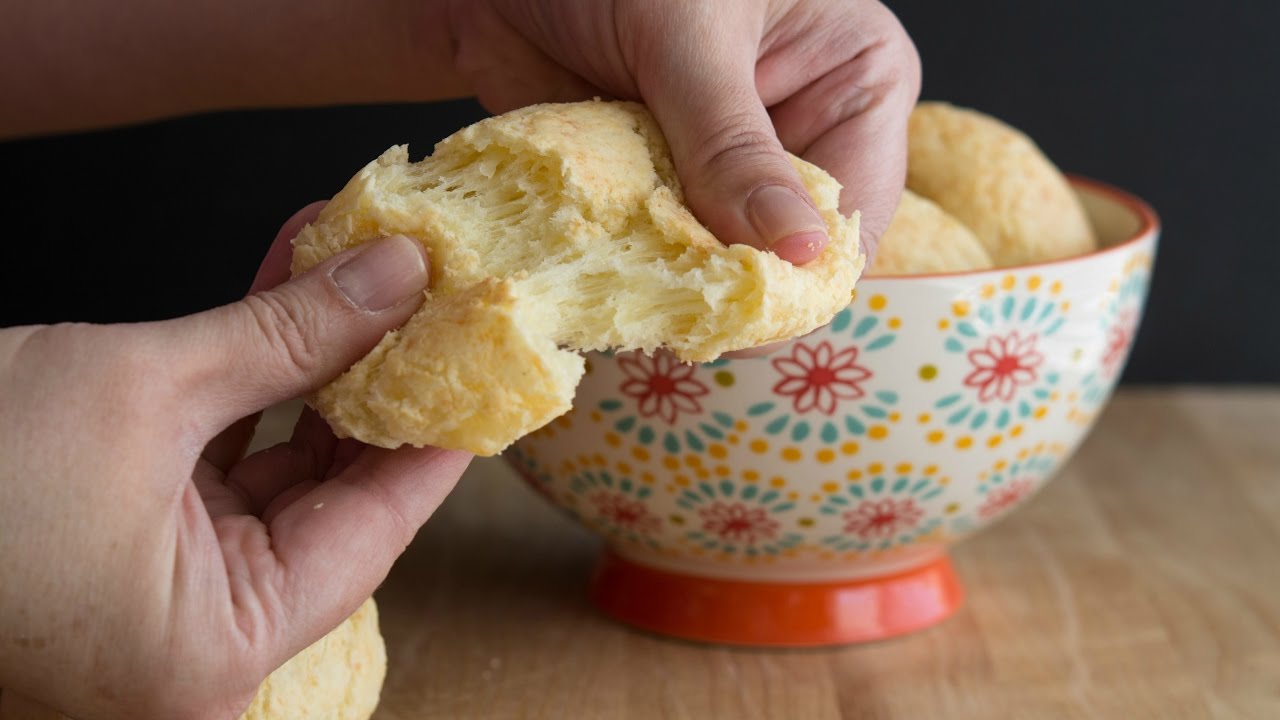
Pan de Bono Recipe: Pan de Bono is a beloved Colombian cheese bread known for its rich, cheesy flavor and slightly chewy texture. It’s a warm, comforting snack often eaten fresh out of the oven. Typically shaped into small, round rolls, it’s made using cheese, yuca (cassava) flour, and eggs. Think of it as Colombia’s answer to Brazilian pão de queijo—but with its own delightful twist.
This bread is a staple in Colombian bakeries, and once you try it, you’ll understand why. Whether served for breakfast or as a snack with coffee, Pan de Bono offers a savory, melt-in-your-mouth experience. It’s golden on the outside and irresistibly cheesy on the inside.
Why You’ll Love This Pan de Bono Recipe
What makes this recipe so special? It’s simple, quick, and loaded with flavor. You don’t need fancy tools or exotic ingredients—just a few pantry staples and quality cheese. The texture is just right: crispy on the outside, soft and stretchy inside. Plus, it’s naturally gluten-free if made with yuca or tapioca flour.
Homemade Pan de Bono tastes even better than store-bought, and once you see how easy it is, you’ll want to make it all the time. It’s perfect for parties, family gatherings, or just a cozy afternoon treat.
The History Behind Pan de Bono
Pan de Bono’s origin is wrapped in folklore and local pride. Some say it got its name from an Italian baker in Cali who sold this cheesy bread yelling “pane del buono” (good bread). Others believe it was simply born from local ingredients—yuca and cheese—crafted by Afro-Colombian or indigenous cooks.
Regardless of its roots, Pan de Bono has become a culinary icon in Colombia, especially in the Valle del Cauca region. Today, it’s enjoyed across Latin America and by food lovers worldwide. Understanding its backstory adds another layer of appreciation to this delicious treat.
List of Ingredients You’ll Need
To make authentic Pan de Bono, here’s what you’ll need:
Basic Ingredients:
- 2 cups yuca flour (or tapioca starch)
- 1 ½ cups grated queso fresco or feta cheese
- 1 cup grated mozzarella cheese
- 1 large egg
- ¼ cup milk (more if needed)
- 1 tsp baking powder
- Pinch of salt (optional)
Cheese Options:
- Queso fresco – traditional, crumbly, and salty
- Feta cheese – works well if you can’t find queso fresco
- Mozzarella – adds gooey texture
- Ricotta – some variations include this for creaminess
Flour Types:
- Yuca flour or Tapioca starch – essential for chewy texture
- Avoid wheat flour – it won’t give you the same result
Optional Ingredients:
- 1 tbsp sugar – for a slightly sweet version
- Butter – for added richness
- Cornstarch – used in some regional recipes
Kitchen Tools Required
You won’t need anything fancy:
- Mixing bowl
- Measuring cups and spoons
- Grater (for cheese)
- Baking tray
- Parchment paper or silicone mat
- Oven
Optional:
- Food processor (for mixing dough)
Tips Before You Start Baking
- Use room temperature ingredients: Eggs and milk should not be cold.
- Grate your own cheese: Pre-shredded cheese often contains anti-caking agents.
- Don’t overbake: Keep an eye on the oven—golden brown is your goal.
- Adjust moisture: If the dough is dry, add a touch more milk.
Step-by-Step Guide to Making Pan de Bono
Step 1: Preheat Your Oven
Set your oven to 375°F (190°C). Let it fully preheat while you prepare the dough. A hot oven is key to that perfect rise and crispy outside.
Step 2: Grate the Cheese
Grab your grater and get to work on the cheeses. You want a fine, even grate so the cheese blends smoothly into the dough. Mix both queso fresco and mozzarella together in a bowl.
Step 3: Mix Dry Ingredients
In a large mixing bowl, add:
- 2 cups yuca flour
- 1 tsp baking powder
- Pinch of salt
Stir with a spoon or whisk to combine. This helps evenly distribute the baking powder.
Step 4: Combine Wet and Dry Ingredients
Add the grated cheese mix to the bowl of dry ingredients. Then:
- Crack in 1 egg
- Pour in ¼ cup milk
Using your hands or a spoon, start mixing. If the dough feels too dry, add a bit more milk—a tablespoon at a time—until it comes together.
Step 5: Knead the Dough
Now it’s time to get your hands dirty! Knead the dough gently until it’s smooth and uniform. It shouldn’t stick to your hands, but it also shouldn’t be dry or crumbly. The ideal dough is soft, pliable, and slightly elastic.
Step 6: Shape the Dough Balls
Divide the dough into small portions and roll them into balls—about the size of a golf ball. Place them on a baking sheet lined with parchment paper. Leave a little space between each for even baking.
Pro tip: Lightly oil your hands to keep the dough from sticking.
Step 7: Bake to Perfection
Pop your tray into the preheated oven. Bake for 15–18 minutes, or until the tops are lightly golden. You don’t want them too dark—just beautifully toasted on the outside.
Step 8: Cooling and Serving
Let the Pan de Bono cool for 5 minutes before serving. The inside will still be warm, gooey, and cheesy—just how it should be. They’re best enjoyed fresh, but trust us, they won’t last long anyway!
How to Serve Pan de Bono
Pan de Bono is best served:
- Warm, right out of the oven
- With hot chocolate or coffee
- As a side with soups or stews
- Or on its own as a cheesy snack
Some even slice them and stuff with more cheese or ham!
Common Mistakes to Avoid
- Using cold cheese or eggs – ruins dough texture
- Overbaking – dries out the inside
- Skipping preheating – results in flat bread
- Adding too much liquid – makes sticky dough
- Wrong flour – don’t substitute wheat flour for yuca
Storage Tips: Keep Them Fresh
To store leftovers:
- Place cooled Pan de Bono in an airtight container
- Keep at room temperature for up to 2 days
- For longer storage, refrigerate for up to 5 days
Avoid plastic bags—they trap moisture and can make the bread soggy.
How to Reheat for Best Results
To bring back that fresh-baked magic:
- Oven: 350°F for 5–7 minutes
- Toaster oven: Even better!
- Microwave: 15 seconds, but may soften too much
Avoid overheating—they’ll turn rubbery!
Can You Freeze Pan de Bono?
Absolutely! You can freeze:
- Unbaked dough balls: Freeze on a tray, then transfer to a zip bag
- Baked rolls: Let them cool fully, then wrap and freeze
Reheat directly from frozen in a hot oven—no thawing needed!
Variations and Flavor Add-Ins
Want to spice things up?
- Add chopped jalapeños for a kick
- Mix in herbs like oregano or rosemary
- Swap mozzarella for gouda or cheddar
- Add a hint of sugar for sweet-savory balance
Pan de Bono vs. Pan de Yuca
While often confused, these breads have key differences:
| Feature | Pan de Bono | Pan de Yuca |
|---|---|---|
| Cheese Type | Queso fresco + Mozzarella | Queso costeño or mozzarella |
| Shape | Round rolls | Flatter or twisted |
| Ingredients | Includes egg + baking powder | No egg or leavening |
| Texture | Chewy and airy | Denser and crisp |
Both are delicious, but Pan de Bono wins for fluffiness.
FAQs about Pan de Bono Recipe
1. What cheese is best for Pan de Bono?
Queso fresco is traditional, but feta and mozzarella work great as substitutes.
2. Can I make Pan de Bono without a mixer?
Absolutely. You can mix and knead the dough by hand—it’s actually quite easy.
3. Is Pan de Bono gluten-free?
Yes, if you use yuca or tapioca flour, it’s naturally gluten-free.
4. What should I serve with Pan de Bono?
Hot coffee, cocoa, or soups like ajiaco or sancocho pair beautifully.
5. Why did my Pan de Bono turn out hard?
Overbaking or using too little milk can make them dense. Keep an eye on oven time!
Conclusion
Making Pan de Bono at home is easier than you think, and the results are absolutely worth it. With a handful of ingredients and simple steps, you’ll have a batch of cheesy, golden rolls that taste just like the ones from a Colombian bakery—maybe even better. Whether you serve them for breakfast, as a snack, or with dinner, they’re guaranteed to impress.