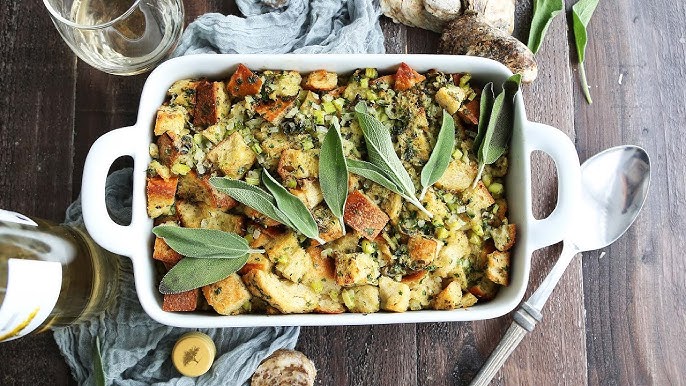
Oyster Dressing Recipe: Oyster dressing is a savory, rich dish made primarily from bread, oysters, and a blend of herbs and aromatics. It’s a staple at many Southern holiday tables and is often considered a more indulgent cousin to traditional bread stuffing. Unlike stuffing, which is cooked inside the bird, dressing is usually baked separately in a dish, allowing it to develop a crispy, golden-brown crust on top while staying moist inside.
This seafood-infused side dish has won the hearts of many with its briny, buttery flavor and satisfying texture. The oysters bring a subtle oceanic depth to the dish that perfectly complements roasted turkey, ham, or even prime rib. Whether you’re preparing it for Thanksgiving, Christmas, or a cozy Sunday dinner, oyster dressing is bound to make an impression.
The Origins of Oyster Dressing
The roots of oyster dressing stretch back to colonial America. Oysters were once abundant and cheap, especially along the Eastern seaboard and Gulf Coast. As a result, they became a common ingredient in many regional dishes, including dressings and stuffings.
In Southern cuisine, oyster dressing evolved as a luxurious holiday dish, often reserved for special occasions. African American and Creole communities, in particular, have preserved and passed down many variations of this dish, each with its unique flair. The addition of oysters signaled festivity, prosperity, and culinary indulgence—a tradition that lives on today.
Why Oyster Dressing is a Holiday Favorite
A Traditional Southern Delight
In the Southern United States, oyster dressing is a beloved family tradition. For many, it wouldn’t be Thanksgiving or Christmas without it. This dish is cherished not only for its taste but also for its connection to heritage and home. It’s the kind of recipe that gets handed down through generations, often with a few handwritten notes and secret tweaks along the way.
The Southern version typically includes cornbread, celery, onions, and plenty of butter, creating a hearty, comforting base. When the oysters are folded in, their brininess cuts through the richness, creating a perfect balance that excites the palate.
Versatility Across Occasions
While often associated with the holidays, oyster dressing isn’t confined to seasonal celebrations. Its versatility makes it suitable for any occasion that calls for a standout side dish. You can serve it at dinner parties, Sunday suppers, or seafood feasts year-round.
It pairs wonderfully with a variety of proteins—from roast chicken to pork tenderloin—and can even stand on its own as a main course when paired with a crisp salad or a bowl of chowder. Whether you’re going for rustic charm or fine dining elegance, oyster dressing adapts effortlessly.
Ingredients You’ll Need
Fresh vs. Canned Oysters
The star ingredient in this dish is, of course, oysters. You have two primary options: fresh or canned. Fresh oysters provide the best flavor and texture, with a delicate brininess that elevates the dish. However, they do require a bit of work—shucking and cleaning, in particular.
Canned oysters, on the other hand, are incredibly convenient and still quite flavorful. They’re usually packed in water or oil and can be used straight from the can. If you opt for canned, try to choose smoked or whole oysters for a more robust taste.
Bread Choices for Dressing
Your choice of bread will significantly affect the texture and flavor of your dressing. Traditional recipes often call for cornbread, which lends a crumbly, slightly sweet base. White sandwich bread or French bread offers a softer, fluffier texture.
It’s best to use day-old or slightly stale bread, as fresh bread can turn too mushy. You can also mix different types—say, half cornbread and half sourdough—for a more complex flavor.
Essential Herbs and Spices
Aromatic herbs and spices give oyster dressing its depth and warmth. Here’s a standard blend:
- Celery and onions – the aromatic foundation.
- Parsley and sage – classic herbs that echo traditional stuffing.
- Thyme and rosemary – for earthy, piney notes.
- Garlic and black pepper – to round out the flavor.
Don’t forget a generous amount of butter and a splash of chicken or seafood stock to tie everything together.
Step-by-Step Guide to Making Oyster Dressing
Step 1: Preparing Your Ingredients
Start by chopping your aromatics: onions, celery, and garlic. If you’re using fresh oysters, shuck them carefully, rinse them, and reserve their liquor (the juice inside the shell). Dice your bread into cubes and let it sit out to dry slightly, or toast it in the oven for a few minutes.
Also, preheat your oven to 350°F (175°C), and butter a large baking dish so it’s ready to go.
Step 2: Sautéing the Aromatics
In a large skillet, melt a generous amount of butter over medium heat. Add the onions and celery, cooking until they’re soft and translucent—about 7 to 10 minutes. Stir in the garlic, sage, thyme, and parsley, letting the herbs bloom in the hot butter for added fragrance.
You’re building the flavor base here, so take your time and let everything cook gently without browning.
Step 3: Mixing the Dressing Base
In a large bowl, combine your bread cubes with the sautéed aromatics. Add your oyster liquor (or a bit of seafood or chicken stock if using canned oysters) to moisten the bread. Stir everything together gently, ensuring the bread is evenly coated.
Taste the mixture and adjust the seasoning—add salt, pepper, and maybe a pinch of cayenne if you like a little kick.
Step 4: Incorporating the Oysters
Now it’s time to add the oysters. If you’re using whole oysters, chop them into smaller, bite-sized pieces to ensure even distribution throughout the dressing. Add them to the bread mixture gently, trying not to break them up too much. You want little pockets of oyster flavor in every bite, not a mushy mash.
For canned oysters, drain them well and give them a light chop if they’re large. Stir them into the mix carefully, making sure they’re evenly distributed. Add a splash more of stock if the mixture seems too dry; the dressing should be moist but not soupy.
Once everything is combined, let the mixture sit for a few minutes so the bread can soak up the flavors.
Step 5: Baking the Oyster Dressing to Perfection
Transfer the oyster dressing into your buttered baking dish, spreading it out evenly. Dot the top with a few pats of butter for that golden, crispy finish. Cover the dish with foil and bake at 350°F for about 25-30 minutes.
After that, remove the foil and bake for another 15-20 minutes until the top is crisp and browned to your liking. The edges should be slightly crunchy, while the center remains moist and flavorful.
Once done, let it rest for about 10 minutes before serving. This allows the flavors to meld and the texture to set, making each scoop even more satisfying.
Pro Tips for the Best Oyster Dressing
How to Keep it Moist, Not Mushy
Getting the perfect consistency is all about balance. You want a dressing that’s moist but holds its shape when scooped. Here’s how to achieve it:
- Use day-old bread so it soaks up moisture without falling apart.
- Don’t overdo the liquid—start with less and add more as needed.
- Bake covered first to retain moisture, then uncover to crisp the top.
- Let the dressing sit for a few minutes before baking to absorb flavors better.
A good dressing is all about texture: a golden crust with a soft, fluffy interior packed with flavor.
Flavor Boosting Add-ins
Want to elevate your oyster dressing even further? Consider mixing in some of these ingredients for added complexity:
- Crispy bacon – Adds smoky depth and extra crunch.
- Chopped sausage – Great for a heartier, meaty version.
- Bell peppers or mushrooms – Introduce more veggie variety.
- Sherry or white wine – A splash can enhance the oyster flavor.
- Lemon zest – Brightens up the richness with a citrus twist.
Don’t be afraid to personalize the recipe—every family has their secret touches, and now you can add yours.
Storing and Reheating Leftovers
Leftover oyster dressing stores beautifully and may even taste better the next day. Store it in an airtight container in the refrigerator for up to 3 days. To reheat, cover with foil and warm in a 325°F oven for about 15-20 minutes, or until heated through.
You can also reheat individual portions in the microwave, but the oven does a better job of restoring the crispiness of the top layer.
For longer storage, oyster dressing can be frozen for up to one month. Let it cool completely, wrap it tightly in plastic wrap and foil, then freeze. Thaw overnight in the fridge and reheat as usual.
FAQs about Oyster Dressing Recipe
Can I freeze oyster dressing?
Yes! Oyster dressing freezes well for up to a month. Wrap it tightly and thaw overnight in the fridge before reheating in the oven.
What’s the best bread for oyster dressing?
Cornbread and day-old white bread are excellent choices. You can even mix both for a balanced texture and flavor.
How do I make it gluten-free?
Simply substitute the bread with gluten-free bread or cornbread. Ensure your broth and other seasonings are gluten-free as well.
Can I use smoked oysters?
Smoked oysters can add a unique depth of flavor, though they are more intense. Use sparingly or combine with regular oysters.
What side dishes pair best with oyster dressing?
Roasted turkey, glazed ham, green beans, and cranberry sauce make perfect companions for oyster dressing.
Conclusion
Oyster dressing is more than just a side dish—it’s a celebration of tradition, flavor, and comfort. From its humble beginnings in Southern kitchens to its place at the holiday table, this savory, seafood-infused favorite brings families together and elevates any meal. Whether you stick to the classic recipe or add your own twist, one thing’s certain: once you’ve had a bite of perfectly made oyster dressing, your holiday menu will never be the same
Ready to wow your guests with this rich and satisfying recipe? Gather your ingredients, follow the steps, and bring a taste of Southern heritage to your table.