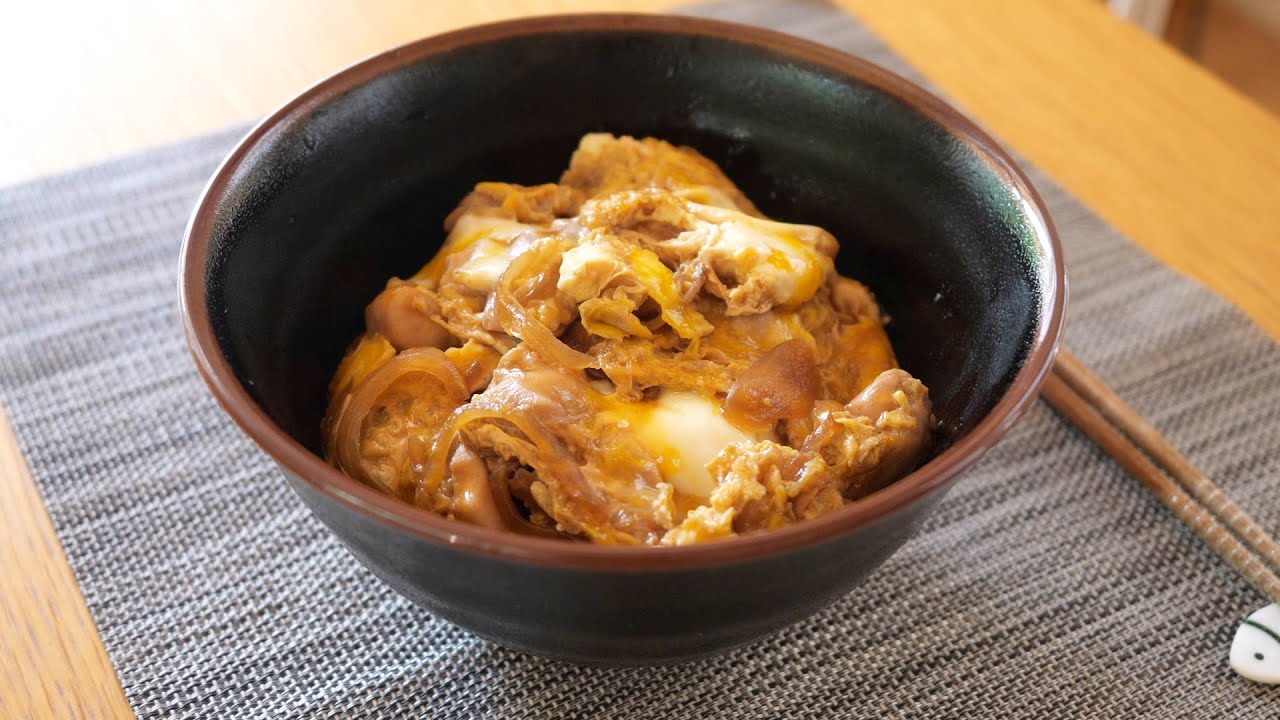
Oyako Donburi Recipe: There’s nothing more comforting than a warm bowl of Oyako Donburi. It’s savory, a little sweet, silky with eggs, and deeply satisfying. Oyako Don is a classic Japanese rice bowl where chicken and egg simmer in a flavorful broth and are then poured over hot steamed rice. In Japanese, “Oyako” means parent and child — symbolically referencing the chicken and egg combo. Heartwarming and wholesome, this dish is Japan’s ultimate soul food, loved by kids and adults alike.
Let’s walk you through everything you need to make this easy and delicious recipe from scratch — the ingredients, step-by-step instructions, and all the tips to get it just right.
Ingredients You’ll Need
You don’t need a long list to make Oyako Donburi. In fact, it’s the simplicity of ingredients that makes this dish so comforting. Each ingredient is carefully chosen to bring out balance in flavor — umami, sweetness, saltiness, and a hint of richness.
Main Ingredients
- Chicken thighs (boneless, skinless) – 1/2 pound (200–250g), sliced
- Eggs – 3 large, lightly beaten
- Onion – 1 medium, thinly sliced
- Cooked Japanese short-grain rice – Enough for 2 servings (about 2 bowls)
Seasoning & Broth
- Dashi stock – 1 cup
- Soy sauce – 3 tablespoons
- Mirin – 2 tablespoons
- Sugar – 1 tablespoon
Optional (but highly recommended):
- Chopped green onions
- Nori (seaweed strips)
- Shichimi togarashi (Japanese chili pepper mix)
Tools You’ll Need
- A small frying pan or donburi pan (about 6–8 inches)
- A rice cooker or pot for cooking rice
- Chopsticks or a wooden spoon
- Measuring spoons
- A ladle
Step-by-Step Guide to Making Oyako Donburi
1. Prepare the Rice
Start with rice — the base of your bowl. Japanese short-grain rice is the best option here because of its sticky texture and slightly sweet taste. Rinse the rice 2–3 times until the water runs clear to remove excess starch. Then cook it in a rice cooker or on the stove following the water-to-rice ratio of about 1:1.2.
Tip: Keep the rice warm and covered so it stays fluffy by the time you’re ready to serve.
2. Slice the Chicken and Onion
Use boneless chicken thighs for tenderness and flavor. Slice the chicken into bite-sized pieces — not too big, not too thin. This ensures quick cooking and even flavor absorption. Cut the onion into thin crescent slices so it melts into the broth as it simmers.
3. Make the Dashi Stock
Dashi is the backbone of Japanese cooking. You can use instant dashi powder dissolved in hot water for convenience, or make it from scratch using kombu (kelp) and bonito flakes.
To make instant dashi:
- Mix 1 tsp of dashi powder with 1 cup of hot water. Stir and it’s ready!
4. Prepare the Oyako Don Sauce
In your donburi pan or small frying pan, combine:
- 1 cup dashi
- 3 tbsp soy sauce
- 2 tbsp mirin
- 1 tbsp sugar
Heat gently and stir until the sugar dissolves completely. This sauce should taste balanced — not overly salty or sweet.
5. Simmer Chicken and Onion in Sauce
Add sliced onions to the sauce and simmer on medium heat for about 2–3 minutes until they soften. Then, add the chicken pieces and cook for another 4–5 minutes until the meat is tender and fully cooked.
This stage is all about soaking the flavors into the meat and making a fragrant base.
6. Beat and Add Eggs
Crack the eggs into a bowl and gently beat them. Don’t over-whisk — you want a mix of yolk and whites, not a uniform blend. Once the chicken is cooked, reduce the heat to low and slowly pour the beaten eggs over the mixture in a circular motion.
Do NOT stir. Let the eggs naturally settle and cook over the simmering broth.
7. Cook Eggs Just Right
You’re aiming for a “half-set” texture. Cover the pan with a lid and let the eggs steam for 1–2 minutes until they’re just set but still soft and runny. Remember, they’ll continue cooking slightly from residual heat after you remove the pan.
This silky egg layer is what makes Oyako Don sing!
8. Assemble Over Rice
Scoop a bowl of warm rice and gently slide the chicken-egg mixture on top. Be generous with the broth — it soaks into the rice and brings the flavors together.
Use a wide spatula or ladle to transfer without breaking the delicate egg layer.
9. Garnish and Serve
Top with chopped green onions, shredded nori, or a sprinkle of shichimi togarashi for a kick. These toppings add contrast and texture to the soft, savory bowl.
Serve immediately while hot — Oyako Donburi is best enjoyed fresh!
Tips for Perfect Oyako Donburi
Oyako Don might seem simple, but there are a few secrets to mastering it. This dish is all about balance — flavor, texture, and timing. Want to make it like a pro? Here are some tried-and-true tips to elevate your Oyako Don game:
- Use chicken thighs over breast meat. Thighs are juicier and more forgiving if slightly overcooked. They absorb the flavors better and stay tender.
- Don’t overcook the eggs. This is the heart of the dish. The egg should remain soft and slightly runny for a silky texture. If you prefer firmer eggs, just increase the cooking time slightly — but don’t overdo it.
- Rice matters! Use freshly steamed Japanese short-grain rice. It’s sticky enough to hold the topping and soaks up the sauce beautifully.
- Let the onions cook down well. They add a subtle sweetness that balances the umami of soy sauce and dashi.
- Taste the sauce before adding the eggs. If it feels too salty or too sweet, tweak it. Everyone’s palate is different, and this dish allows for minor adjustments.
- Cook one serving at a time if possible. Traditionally, Oyako Don is made individually for each bowl, ensuring perfect proportions and freshness. If cooking for multiple people, consider using multiple small pans or cooking in batches.
Once you’ve nailed these tricks, your Oyako Donburi will taste just like the comforting bowls served in cozy Japanese diners.
Common Mistakes to Avoid
Even though this recipe is beginner-friendly, there are a few pitfalls that can easily trip you up. Keep these in mind, and you’ll save yourself a lot of “meh” meals:
- Overcooking the eggs – This is the most common mistake. If the eggs are too firm, they lose the soft, luscious texture that makes Oyako Don special. Always turn off the heat while they’re still a bit jiggly.
- Not using real dashi – Skipping dashi or using water instead will result in a flat-tasting broth. Dashi gives Oyako Don its unique depth and savoriness.
- Using the wrong soy sauce – Regular dark soy sauce is too overpowering. Use Japanese soy sauce (like Kikkoman or Yamasa), which is lighter and more balanced.
- Overcrowding the pan – If you’re making more than one portion, avoid dumping everything into one pan. The eggs won’t set properly, and the chicken might cook unevenly.
- Pouring eggs in all at once – Instead, drizzle in a circular motion. This helps create that layered texture in the eggs.
Nutritional Breakdown
Here’s an approximate breakdown for one standard serving of Oyako Donburi (based on common ingredients):
| Nutrient | Amount per serving |
|---|---|
| Calories | ~500 kcal |
| Protein | 25g |
| Fat | 15g |
| Carbohydrates | 60g |
| Sugars | 7g |
| Sodium | 1000mg |
Health Tip: Want to lighten it up? Use chicken breast instead of thighs, reduce sugar slightly, and serve with a smaller portion of rice.
Variations of Oyako Donburi
Once you’ve mastered the classic, don’t stop there! There are countless ways to put a twist on Oyako Don and make it your own:
1. Spicy Oyako Donburi
Add a touch of chili oil, a spoonful of gochujang (Korean chili paste), or sprinkle extra shichimi togarashi on top for heat-lovers.
2. Deluxe Oyako Donburi
Throw in extras like shiitake mushrooms, spinach, or snow peas for a heartier bowl. These add texture and extra nutrients.
3. Vegan “Tofuko” Donburi
Want a plant-based option? Replace chicken with tofu or fried tempeh, and swap the dashi for kombu-based vegetarian broth. It’s just as comforting!
4. Teriyaki Oyako Don
Use teriyaki sauce instead of traditional broth. It’s a little sweeter and stickier, but perfect for those who love bold flavors.
Each version keeps the “parent-and-child” spirit while letting your creativity shine!
Pairing Suggestions
A bowl of Oyako Don is a full meal on its own, but pairing it with a few Japanese sides can turn your dinner into a restaurant-worthy spread:
- Miso Soup – Light, warming, and full of umami
- Tsukemono (Japanese pickles) – Add a crunchy, salty contrast
- Seaweed Salad – Fresh and slightly tangy
- Edamame – Steamed soybeans for a protein boost
- Chawanmushi – Japanese savory egg custard for an egg-lover’s dream combo
These sides round out the meal beautifully and enhance the dining experience.
Storage and Reheating Tips
Oyako Don is best enjoyed fresh, but if you do have leftovers, here’s how to handle them properly:
Storage
- Let the dish cool completely before storing.
- Separate the rice and the chicken-egg topping to avoid sogginess.
- Store both in airtight containers in the fridge for up to 2 days.
Reheating
- For best results, reheat the topping gently in a pan over low heat. Add a splash of water or dashi to loosen it up.
- Warm the rice separately in the microwave or on the stove with a bit of moisture (like a damp paper towel on top) to restore fluffiness.
- Avoid microwaving the whole dish at once—it ruins the egg’s texture.
Cultural Background & Origin
Oyako Donburi originated during the late 1800s in Japan and quickly gained popularity thanks to its simplicity, nutrition, and poetic name. “Oyako” means “parent and child,” referring to the chicken and egg pairing, while “donburi” simply means “bowl.”
It’s a staple in Japanese homes and diners (known as shokudo) and is often one of the first meals children learn to cook with their parents. Some families have their own twist on the dish, passed down through generations.
The beauty of Oyako Don is how deeply it connects people — through warmth, tradition, and simplicity. It’s more than food; it’s a hug in a bowl.
FAQs about Oyako Donburi Recipe
1. Can I use store-bought dashi for this recipe?
Yes! Instant dashi powder is perfect for quick meals. Just make sure it’s Japanese-style (not Chinese stock powder), and mix it with hot water as instructed.
2. What’s the best rice for Oyako Donburi?
Japanese short-grain rice is ideal. It has the right stickiness and mild sweetness that works perfectly with the savory topping.
3. Can I make Oyako Donburi ahead of time?
You can prep the chicken, onions, and sauce in advance. However, cook the egg and assemble it just before serving for the best texture.
4. What can I use instead of mirin?
Try mixing white wine or sake with a little sugar. A 3:1 ratio of sake to sugar works as a decent substitute.
5. How do I make it spicy?
Add shichimi togarashi, chili oil, or a bit of spicy miso paste to the sauce. It adds heat without losing the traditional flavor.
Conclusion
Whether you’re craving comfort food, want to impress a guest with your Japanese cooking skills, or just need a quick weeknight meal — Oyako Donburi is the answer. It’s soulful, satisfying, and surprisingly easy to make.
With a few fresh ingredients and the step-by-step guide above, you’ll be dishing out restaurant-worthy bowls in no time. Make it classic, make it spicy, or make it your own. One thing’s for sure — once you try it, you’ll want to keep coming back to this heartwarming favorite.