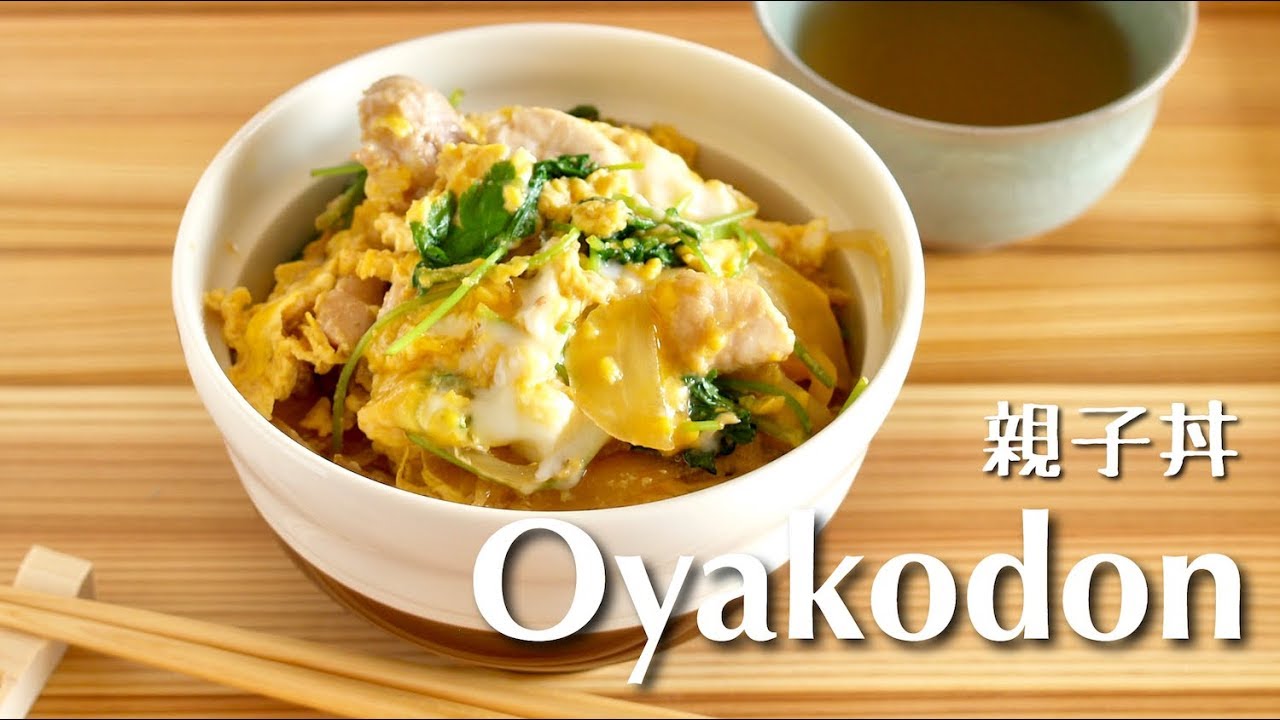
Oyako Donburi Recipe: Oyako Donburi, often shortened to “Oyakodon,” is one of Japan’s most comforting and beloved rice bowl dishes. The term itself evokes warmth and simplicity, making it a go-to meal for families, restaurants, and even bento boxes across the country. What makes this dish special? It’s the combination of tender chicken simmered in a sweet-savory sauce, gently cooked with fluffy eggs, and served over a hot bed of Japanese steamed rice. That’s it – humble, quick, but packed with flavor.
This dish is known for being more than just food—it’s a hug in a bowl. Whether you’re an amateur cook or a seasoned chef, this easy-to-make meal delivers a gourmet experience in less than 30 minutes. And if you’re craving something soulful and satisfying but don’t want to slave away in the kitchen, Oyako Donburi is your best friend.
In this detailed guide, we’ll walk you through every step of creating the perfect Oyako Donburi—from choosing your ingredients to serving it with style. So, let’s get started.
What Does “Oyako Donburi” Mean?
Let’s break down the name first. “Oyako” (親子) translates to “parent and child” in Japanese, and “Donburi” (丼) simply means “rice bowl.” Put them together, and you’ve got “parent-and-child rice bowl,” referring to the dish’s key ingredients: chicken (the parent) and egg (the child). It may sound poetic or even a little ironic, but it reflects the cultural elegance that Japanese cuisine often brings to even the simplest meals.
This name not only tells you what’s in the bowl—it also gives you a story with every bite. You’re enjoying a symbolic union of two ingredients that naturally complement each other, both in taste and in concept. That’s why Oyako Donburi holds a special place in Japanese households. It’s not just about eating—it’s about tradition and warmth.
Why Oyako Donburi is Loved in Japan and Beyond
There’s a reason why Oyako Donburi has gone global. It’s incredibly easy to make, budget-friendly, and universally loved by adults and kids alike. The balance of flavors—savory dashi broth, a hint of sweet mirin, salty soy sauce, and rich egg—creates an umami bomb that’s hard to resist. Even better? It’s a one-pan wonder that doesn’t require a lot of cleanup.
But beyond the flavors and convenience, it’s also about how the dish makes you feel. Oyako Donburi is often served in Japanese homes as a comfort food. It’s what you eat when you’re tired, homesick, or just want something cozy. Internationally, people are catching on to its charm thanks to the rise of Japanese cuisine and cooking shows. More and more food lovers want to recreate authentic Japanese meals at home, and Oyako Donburi is the perfect place to start.
Nutritional Benefits of Oyako Donburi
Don’t be fooled by how indulgent it tastes—Oyako Donburi can be a pretty balanced meal. Here’s a quick rundown of its nutritional perks:
- Protein-rich: Chicken and eggs are excellent sources of lean protein, which helps build and repair muscles.
- Low in fat (if using chicken breast): Opting for skinless breast meat can make the dish even leaner.
- Healthy carbs: The steamed rice provides energy through complex carbohydrates.
- Minerals and vitamins: Eggs provide B vitamins, selenium, and choline; chicken offers iron and zinc.
- Customizable: You can sneak in vegetables like spinach or mushrooms for added fiber and nutrition.
Want to make it even healthier? Switch to brown rice or add a side of miso soup and pickled veggies for a well-rounded, nutritious meal.
List of Ingredients You’ll Need
Let’s get our kitchen prepped. Here’s everything you need to create a classic Oyako Donburi.
For the Chicken and Egg Mixture
- 2 boneless, skinless chicken thighs or breasts, cut into bite-sized pieces
- 3 large eggs, lightly beaten
- 1 small onion, thinly sliced
- Cooked Japanese short-grain rice (for serving, about 2 cups)
For the Sauce
- ¾ cup dashi stock (can use instant dashi granules if needed)
- 2 tablespoons soy sauce
- 1 tablespoon mirin (Japanese sweet rice wine)
- 1 tablespoon sake
- 1 teaspoon sugar (adjust to taste)
Optional Toppings
- Chopped green onions (scallions)
- Shichimi togarashi (Japanese seven-spice)
- Nori (dried seaweed strips)
- Pickled ginger
- Sesame seeds
Kitchen Tools You’ll Need
- A small saucepan or skillet (preferably with a lid)
- Cooking chopsticks or a spatula
- Rice cooker or pot for cooking rice
- Measuring spoons and cups
- Sharp knife and cutting board
- Ladle or spoon for serving
How to Choose the Right Chicken for Oyako Donburi
Choosing the right chicken makes a big difference in flavor and texture. Thighs are traditionally used in Japan because they stay juicy and tender when simmered. However, if you’re watching your fat intake, chicken breasts are a great lean alternative.
Here’s a quick comparison:
| Cut | Pros | Cons |
|---|---|---|
| Chicken Thighs | Juicy, flavorful | Higher in fat |
| Chicken Breasts | Lean, high protein | Can become dry if overcooked |
To avoid toughness, always cut the chicken into uniform, bite-sized pieces so it cooks evenly in the broth. And remember, don’t overcook! Simmer just until it’s no longer pink for the juiciest results.
How to Make the Perfect Japanese Rice
Rice is half the experience in Oyako Donburi. If the rice is wrong—too dry, undercooked, or mushy—the whole dish can fall flat.
Here’s how to do it right:
- Use short-grain Japanese rice: Sushi rice or Calrose rice works best. These have a sticky texture perfect for donburi.
- Wash the rice thoroughly: Rinse 3–4 times until the water runs clear to remove excess starch.
- Use the right water-to-rice ratio: Typically 1:1.1 in a rice cooker (1 cup rice = 1.1 cups water).
- Let it steam: After cooking, let the rice rest for 10 minutes with the lid on for the best texture.
- Fluff before serving: Gently fluff with a rice paddle or fork to separate the grains.
A well-cooked bowl of rice acts like a canvas for the juicy, flavorful egg-and-chicken topping.
Step-by-Step Guide to Making Oyako Donburi
Now that we’ve got everything ready, it’s time to bring it all together. This step-by-step guide will help you make Oyako Donburi like a pro, even if it’s your first time in the kitchen.
Step 1: Prepare the Ingredients
Begin by gathering your ingredients: boneless chicken thighs, eggs, onions, soy sauce, mirin, dashi stock, and sugar. Slice the chicken into bite-sized pieces and thinly slice the onions. Crack the eggs into a bowl and lightly beat them—keeping streaks of egg white visible adds authentic texture.
Step 2: Make the Sauce
In a small pan or skillet, combine dashi stock, soy sauce, mirin, and a touch of sugar. This mixture creates the signature sweet-savory broth that flavors both the chicken and the eggs. Heat the sauce gently until the sugar dissolves and the aroma becomes fragrant.
Step 3: Cook the Chicken in the Sauce
Add the chicken pieces directly into the simmering sauce. Spread them out so they cook evenly. Let them simmer over medium heat until they turn opaque and begin to absorb the broth’s flavor.
Step 4: Add Onions and Simmer
Add the sliced onions to the pan. Simmer until they soften and turn translucent, blending naturally with the chicken. The onions sweeten the broth and create a comforting base for the eggs.
Step 5: Add Beaten Eggs Carefully
Pour the beaten eggs gently around the pan, avoiding stirring. You want the eggs to settle into the broth and partially cover the chicken and onions. This creates Oyako Donburi’s iconic custard-like texture.
Step 6: Cover and Cook Until Eggs Are Soft-Set
Place a lid over the pan and cook for a minute or two until the eggs are soft-set—slightly runny but no longer raw. Adjust cooking time depending on your preferred texture.
Step 7: Serve Over Hot Rice
Spoon the chicken, onions, and eggs over a bowl of freshly steamed rice. Pour a little of the broth on top for added flavor. Garnish with green onions or nori strips and enjoy your comforting Japanese rice bowl!
Tips for Cooking the Perfect Oyako Donburi
- Use a small skillet that just fits the ingredients—it helps everything cook evenly and stay moist.
- Don’t overcook the eggs. They should be tender and slightly runny.
- Use dashi for authenticity. Water won’t give you the same depth of flavor.
- Customize the sweetness. Add more or less sugar depending on your taste.
- Always use freshly cooked rice. Cold or day-old rice won’t do this dish justice.
Master these tips, and you’ll be making Oyako Donburi like a Japanese grandma in no time.
Common Mistakes to Avoid
- Overbeating the eggs: You want ribbons, not a scrambled texture.
- Using too much heat: Gentle simmering is key. Boiling will toughen the chicken and curdle the eggs.
- Skipping the dashi: This broth is crucial for authentic Japanese flavor.
- Adding cold rice: Reheat your rice or use freshly made—cold rice ruins the experience.
- Overloading with sauce: Too much liquid will make your rice soggy. Stick to the recipe ratios.
Best Side Dishes to Serve with Oyako Donburi
While Oyako Donburi is a complete meal in itself, pairing it with the right side dishes can elevate your dining experience to a whole new level. Japanese meals are known for their balance, and having a few complementary dishes adds variety and enhances the meal’s nutritional value.
Here are some delicious side dishes that go perfectly with Oyako Donburi:
1. Miso Soup
A classic choice. Miso soup adds warmth, depth, and another layer of umami to your meal. Made with dashi, miso paste, tofu, and wakame seaweed, it’s light but flavorful. The brothiness of miso soup contrasts beautifully with the rich donburi and cleanses your palate between bites.
2. Japanese Pickles (Tsukemono)
Pickled vegetables, such as daikon radish, cucumber, or takuan, bring acidity and crunch. They cut through the richness of the egg and chicken, giving each bite a fresh contrast. You can find them at Asian grocery stores or make your own at home.
3. Steamed Vegetables with Sesame Dressing
Want something light and healthy on the side? Steamed green beans, broccoli, or spinach with a drizzle of sesame dressing (goma-ae) can offer a nutty and nutritious touch. The flavors are subtle and won’t overpower the main dish.
4. Edamame (Boiled Soybeans)
Sprinkled with salt and served warm, edamame is a healthy and fun side dish that everyone enjoys. It’s packed with protein and adds texture and color to the table.
5. Cold Soba Salad
If you’re feeding a crowd or just want a fancier table spread, serve a cold soba noodle salad with sesame oil, vinegar, and vegetables. It’s refreshing and light, a great counterbalance to the warm, soft textures of the donburi.
These sides don’t require a lot of effort and can be prepped while the rice is cooking. Together, they turn your Oyako Donburi into a well-rounded, satisfying Japanese-style meal.
How to Store Leftovers (If Any!)
Let’s be honest—there might not be any leftovers. Oyako Donburi is that good. But in case you make extra or want to prep it ahead, here’s how to store it properly:
Storing in the Fridge
- Chicken and egg topping: Let it cool completely before transferring to an airtight container. It can be stored in the fridge for up to 2 days.
- Rice: Store separately in a sealed container. Rice tends to harden in the fridge, so splash a little water on it before reheating.
Reheating Tips
- Stovetop: Heat the topping in a small pan over medium-low heat. Add a splash of water or dashi to keep it moist.
- Microwave: Reheat in short bursts (30 seconds at a time), stirring gently between each, to avoid overcooking the eggs.
- Rice: Microwave with a damp paper towel over the top to retain moisture.
Freezing (Not Recommended)
While you can freeze the topping, the texture of the eggs may suffer. For best results, make fresh or eat within a day or two.
Variations You Can Try (Vegan, Spicy, etc.)
Looking to spice things up or make your Oyako Donburi more inclusive for different diets? No problem. Here are some fun and flavorful variations you can try:
1. Spicy Oyako Donburi
Add a dash of chili oil, gochujang (Korean red chili paste), or Japanese togarashi spice to the sauce or as a topping. It gives a fiery kick without overpowering the base flavors.
2. Cheesy Oyako Donburi
Yup, Japanese fusion is a thing. Add a sprinkle of shredded cheese on top right after adding the egg. Cover and let it melt into gooey goodness. Comfort food at its finest.
3. Vegetarian Oyako Donburi (Tamago Don)
Replace chicken with shiitake mushrooms, tofu cubes, or even eggplant. You’ll still get the creamy egg texture with a delicious plant-based twist.
4. Vegan Oyako Donburi
Skip the egg and chicken entirely. Use firm tofu and a mix of sautéed veggies like mushrooms, onions, and spinach. Swap the egg with a soft tofu scramble or JUST Egg substitute for an authentic feel.
5. Teriyaki Oyako Donburi
Use teriyaki sauce instead of the traditional soy-mirin-dashi mix for a sweeter, glazed finish. It’s like a blend of two Japanese favorites in one bowl.
These versions allow you to keep things interesting, especially if you’re making this dish regularly for family meals or meal prep.
FAQs about Oyako Donburi Recipe
1. Can I make Oyako Donburi without dashi?
Yes, but it won’t have the same authentic umami flavor. You can substitute with chicken broth, but dashi brings a unique depth that defines the dish.
2. Is Oyako Donburi safe for kids to eat?
Absolutely! It’s protein-rich, not spicy, and uses gentle seasonings. Just make sure the chicken and eggs are fully cooked for young children.
3. Can I meal prep Oyako Donburi?
Yes, you can make the topping in advance and store it in the fridge. Reheat and pour over fresh rice when ready to eat.
4. What’s the best rice for this dish?
Japanese short-grain white rice (like sushi rice) is ideal. Its sticky texture holds up well with the saucy topping.
5. Can I use other meats instead of chicken?
Yes! Pork, beef, or even seafood can work, though the dish would no longer be “oyako” (parent-child). It would still be delicious though!
Conclusion
Oyako Donburi is more than just a rice bowl—it’s an experience. A beautiful mix of textures, flavors, and comfort, it’s the kind of dish that brings warmth to your table and joy to your belly. Whether you’re cooking it after a long day or making it as a weekend treat, it never fails to satisfy.
Its simple ingredients and quick preparation make it a perfect recipe for beginners and pros alike. Plus, with all the customizations and side dishes you can add, you’ll never get bored of it.
So go ahead—grab those eggs, slice that onion, and let your kitchen fill with the irresistible aroma of Japan’s most comforting dish. Once you try Oyako Donburi, it might just become your go-to meal for life.