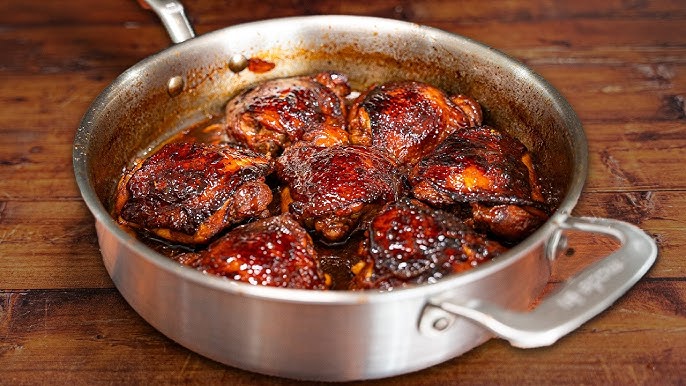
Osso Buco Recipe: If you’re craving a soul-warming dish that screams elegance and comfort at the same time, Osso Buco is what you need. This Italian classic, traditionally made with veal shanks braised slowly in wine, broth, and aromatics, is one of those dishes that takes time—but pays you back in flavor tenfold. The meat becomes fall-off-the-bone tender, the marrow melts into the sauce, and a fresh gremolata on top gives it a burst of brightness.
Osso Buco, which translates to “bone with a hole,” is more than just a dish; it’s an experience. From the first sizzle of the veal hitting the hot pan to the heavenly aroma filling your kitchen, every step is part of a rich culinary journey. This is a perfect recipe for special occasions, a romantic dinner, or simply when you’re in the mood to treat yourself to something extraordinary.
So, grab your apron, because once you try making Osso Buco at home, you’ll wonder why you ever ordered it at a restaurant.
Ingredients You’ll Need
Let’s start with the essentials. Osso Buco doesn’t require anything fancy, but every ingredient plays a key role in the flavor balance. Here’s what you’ll need:
Main Ingredients:
- 4 pieces of veal shanks (about 1.5 inches thick, bone-in)
- Flour (for dredging)
- Salt and pepper, to taste
- Olive oil – 2 tablespoons
- Butter – 2 tablespoons
- 1 onion, finely chopped
- 2 carrots, diced
- 2 celery stalks, diced
- 3 cloves garlic, minced
- 1 cup dry white wine
- 1 ½ cups beef or veal broth
- 1 can (14 oz) of diced tomatoes
- 2 bay leaves
- 1 teaspoon dried thyme
- 1 teaspoon dried rosemary
- Zest of 1 lemon
For the Gremolata (optional, but highly recommended):
- Zest of 1 lemon
- 2 cloves garlic, minced
- ¼ cup fresh parsley, finely chopped
Optional Sides:
- Risotto alla Milanese
- Mashed potatoes
- Creamy polenta
- Crusty bread (to scoop up that sauce!)
The ingredient list might seem a little long, but once you gather everything, the process flows naturally. And trust me—every item here adds a layer of flavor that builds into one of the richest braised dishes you’ll ever taste.
Choosing the Right Cut of Meat
If there’s one thing you don’t want to skimp on, it’s the meat. Veal shanks are the traditional cut used in Osso Buco for a reason. They have the perfect mix of lean meat and connective tissue, which breaks down into collagen and gives that iconic silky texture to the sauce.
Why Bone-In is Non-Negotiable
That round bone in the center? It’s not just for looks. Inside is marrow, the hidden treasure of Osso Buco. When cooked low and slow, it melts into the sauce, enriching it with unbelievable depth. You’ll want to scoop it out with a little spoon and spread it on toast—it’s that good.
Substitutes If You Can’t Find Veal
Can’t find veal or want a more budget-friendly option? Here are some solid alternatives:
- Beef shanks – richer, bolder flavor but still delicious
- Lamb shanks – more gamey but equally tender
- Turkey thighs – for a poultry twist
Whichever you choose, just make sure it’s a bone-in cut that can withstand long, slow cooking without falling apart too soon.
Kitchen Tools You’ll Need
Before we dive into the cooking, it helps to get your kitchen ready. Having the right tools makes the whole process smoother.
Essentials:
- Heavy-bottomed Dutch oven or braiser – this is non-negotiable for even heat distribution
- Tongs – for searing the meat
- Sharp knife – for chopping those aromatics
- Wooden spoon or spatula – to stir without scratching your cookware
- Zester or microplane – for the gremolata
If you’ve got a slow cooker or pressure cooker, I’ll share a few shortcuts later, but nothing beats the flavor from traditional stovetop braising.
Preparing the Ingredients
Getting everything prepped before the heat turns on is key to stress-free cooking. This recipe isn’t hard, but it’s definitely one that rewards a little planning. Let’s go step by step.
Prepping the Veal Shanks
First, make sure your veal shanks are patted dry with paper towels. Moisture is the enemy of a good sear, and you want that golden-brown crust.
- Use kitchen twine to tie around the shanks to hold the meat against the bone while cooking (optional but helps with presentation).
- Season generously with salt and freshly ground black pepper on all sides.
- Lightly dredge each shank in flour, shaking off the excess. This step helps develop that beautifully browned exterior and also thickens the sauce later.
Chopping the Aromatics
Dice your onion, carrots, and celery finely. This trio is called soffritto in Italian cooking, and it forms the flavor foundation of the dish.
- Mince your garlic finely.
- Get your lemon zest ready now if you plan to make gremolata later.
Making the Gremolata Ahead of Time
While gremolata only takes a minute to mix together, prepping it early lets the flavors meld beautifully.
- Mix lemon zest, minced garlic, and chopped fresh parsley in a small bowl.
- Set aside, covered, until you’re ready to garnish the dish just before serving.
Once everything is chopped and ready, it’s time to turn on the heat and let the magic happen.
Step-by-Step Guide to Making Osso Buco
Here’s the heart of the dish—where all the flavors begin to develop and come together. Don’t rush this part. Cooking Osso Buco is about patience and precision.
Step 1: Season and Dredge the Veal
Start by patting the veal shanks dry to help them brown evenly. Season generously with salt and pepper on all sides. Lightly dredge the shanks in flour, shaking off any excess. This flour coating helps create a rich crust and naturally thickens the sauce later.
Step 2: Brown the Meat Properly
Heat olive oil and butter in a large heavy pot or Dutch oven over medium-high heat. Add the veal shanks and sear them until deeply browned on all sides. Take your time—proper browning builds the foundation of flavor for the entire dish. Once browned, remove the shanks and set aside.
Step 3: Sauté the Vegetables
In the same pot, add chopped onions, carrots, and celery. Sauté until the vegetables soften and begin to caramelize. Add garlic for extra aroma and cook for another minute. These vegetables form the classic “soffritto” that enhances the dish’s richness.
Step 4: Deglaze with Wine
Pour in white wine, scraping the bottom of the pot to release all the flavorful browned bits. Let the wine simmer until it reduces by half, concentrating its flavor and removing the raw alcohol taste.
Step 5: Add Stock and Herbs
Return the veal shanks to the pot. Add beef or chicken stock until the shanks are partially submerged. Toss in bay leaves, thyme, and a few sprigs of rosemary. Bring everything to a gentle simmer.
Step 6: Simmer Low and Slow
Cover the pot and cook on low heat for 1.5 to 2 hours, or until the meat becomes fork-tender and begins to fall off the bone. Slow cooking allows the marrow to melt into the sauce, giving it exceptional depth.
Step 7: Make and Add Gremolata
Mix chopped parsley, lemon zest, and minced garlic to make gremolata. Sprinkle it over the finished Osso Buco before serving. This bright, zesty topping perfectly balances the richness of the dish. Enjoy!
Cooking Tips for the Perfect Osso Buco
This dish isn’t fussy, but a few pro tips can take it from great to unforgettable.
Cook Low and Slow
Osso Buco is all about slow braising. Don’t try to rush it with high heat—it’ll make the meat tough. The longer it simmers, the more the connective tissue breaks down, giving you that signature melt-in-your-mouth texture.
Layer Your Flavors
Browning the meat, sweating the vegetables, deglazing with wine—all of these steps layer flavor. Skip one, and you lose complexity. Think of it like building a house—you need every brick in place.
Let It Rest
Once it’s done, let the Osso Buco rest for 10–15 minutes before serving. This helps the juices redistribute into the meat, making each bite more flavorful.
Use Homemade Stock If Possible
While store-bought is fine in a pinch, homemade beef or veal stock makes a world of difference. It adds depth and a luxurious mouthfeel that elevates the entire dish.
Serving Suggestions
After spending hours building those deep, rich flavors, you want to serve Osso Buco with sides that complement—not compete with—it. The meat is luscious, the sauce is bold, and the gremolata is zesty. So what do you pair it with? Let’s explore the classics and a few creative options.
1. Risotto alla Milanese
This is the traditional pairing in Milan, where Osso Buco originated. It’s a rich, creamy saffron-infused risotto that absorbs the sauce beautifully.
- The risotto’s slightly floral aroma from saffron balances the boldness of the braise.
- Its creamy texture acts as the perfect cushion for the fork-tender veal.
2. Creamy Polenta
If you’re looking for rustic comfort, you can’t go wrong with soft, buttery polenta.
- It’s neutral enough to soak up the juices and thick sauce.
- A little parmesan stirred in before serving makes it absolutely dreamy.
3. Mashed Potatoes
Simple, classic, and always satisfying.
- Choose creamy, smooth mashed potatoes for a velvety pairing.
- Add roasted garlic or parmesan for an extra layer of flavor.
4. Crusty Bread
Sometimes all you need is a big slice of crusty artisan bread.
- Perfect for mopping up that sauce.
- Toasted slightly and rubbed with garlic, it becomes a flavor bomb on its own.
5. Pasta or Tagliatelle
Less traditional, but still amazing—especially with beef shank versions.
- Wide noodles like pappardelle or tagliatelle hold the sauce well.
- Top with extra gremolata and a sprinkle of parmesan.
Whatever you choose, make sure the side lets that gorgeous sauce shine. And don’t forget the spoon—for the marrow inside the bone!
Gremolata – The Flavor Enhancer
You might think the dish is done once it comes out of the oven—but Osso Buco’s secret weapon is gremolata. This simple herb garnish is what wakes everything up at the end, brightening and balancing the dish.
What is Gremolata?
It’s a three-ingredient mix made from:
- Lemon zest
- Fresh garlic
- Chopped parsley
Sounds simple, right? But don’t underestimate it. That combo cuts through the richness of the braise with a zingy, aromatic freshness.
How to Make It Perfectly
Use a microplane for the lemon zest—it gives you fine ribbons without the bitter white pith. The garlic should be minced super fine, and the parsley should be fresh, not dried.
- Mix the three just before serving so it stays vibrant and punchy.
- Sprinkle it generously over each plate—don’t be shy!
Gremolata Variations
Want to get creative? Try these twists:
- Add orange zest for a more floral citrus note.
- Toss in a pinch of chili flakes for heat.
- Sub in mint or basil with the parsley for a herbaceous twist.
- Use anchovy paste for an umami bomb (classic in some Italian variations).
Gremolata might be tiny, but it packs a punch. And once you try it, you’ll want to add it to everything.
How to Make It Ahead of Time
One of the beautiful things about Osso Buco is that it actually tastes better the next day. Like any good braised dish, it benefits from resting.
Make Ahead Tips:
- Cook the dish completely, then let it cool to room temperature.
- Store it in the refrigerator in an airtight container (or in the Dutch oven, covered).
- Let it sit for at least 12 to 24 hours if possible. The flavors will deepen.
How to Reheat:
- Reheat gently on the stovetop over low heat or in a 350°F oven, covered.
- If the sauce thickened too much overnight, just add a splash of broth or water to loosen it.
- Gremolata should be made fresh, so wait until just before serving.
Can You Freeze Osso Buco?
Yes, you can freeze it beautifully.
- Let it cool completely.
- Store in airtight, freezer-safe containers.
- It’ll last for up to 3 months.
To reheat, thaw overnight in the fridge and rewarm gently on the stove. Again, gremolata is best made fresh.
This flexibility makes Osso Buco perfect for entertaining—you can make it days in advance and simply reheat when your guests arrive.
Wine Pairings for Osso Buco
Pairing the right wine with your Osso Buco can elevate your meal to restaurant-level. Since the dish is rich and slow-braised, you want something that stands up to its boldness without overpowering it.
Best Red Wine Options:
- Barolo – A classic Italian match. Its tannins and complexity complement the depth of the meat.
- Chianti Classico – A bit brighter and more acidic, it balances the richness nicely.
- Nebbiolo or Sangiovese – Both offer earthy notes and enough acidity to keep things fresh.
Can You Use White Wine?
Yes! In fact, traditional Osso Buco alla Milanese is made with white wine. If you’re using veal and want to highlight the delicacy of the meat:
- Go with a dry white wine like Pinot Grigio, Sauvignon Blanc, or a dry Italian white like Soave.
Cooking vs. Drinking Wine:
Use a good quality wine that you’d actually drink. If it’s not tasty in a glass, it won’t do your dish any favors in the pot either.
And of course, always save a glass for the cook
Variations of Osso Buco Around the World
While the traditional Italian Osso Buco alla Milanese is where it all began, this comforting braised dish has inspired variations across the globe. Each twist offers something unique while keeping the soul of the original intact—tender meat, rich sauce, and slow-cooked love.
Regional Italian Variations
Even within Italy, different regions put their spin on Osso Buco.
- Northern Italy (Milan): The classic. Veal shanks, white wine, soffritto, tomatoes, and gremolata. Served with Risotto alla Milanese, this version is bright, zesty, and delicately flavored.
- Southern Italy: In the south, you’ll often find bolder tomato-based versions, sometimes spiced with a pinch of chili flakes. These renditions go great with rustic polenta or pasta.
- Tuscany: Known for using Chianti wine and a heavier touch of garlic and rosemary. The sauce tends to be darker and more robust.
International Twists
Beyond Italy, chefs worldwide have adopted Osso Buco, making it their own.
- French-style Osso Buco: Uses red wine instead of white, with mushrooms and pearl onions added for depth, almost like a veal Boeuf Bourguignon.
- Argentinian Version: Often made with beef or pork shanks, cooked in chimichurri and wine. Served with mashed sweet potatoes or rice.
- Middle Eastern-Inspired Osso Buco: Braised with warm spices like cinnamon, cardamom, and coriander, and served over couscous or spiced rice.
- Asian Fusion: Some modern chefs braise the shanks in soy sauce, ginger, star anise, and rice wine for a uniquely umami twist.
These global takes prove one thing: good food knows no borders. And with a little imagination, you can easily craft your own version of Osso Buco that reflects your flavor preferences or cultural background.
Health Benefits of Osso Buco
You might think of Osso Buco as an indulgent comfort food—and it is—but it also brings a surprising amount of nutritional value to the table.
High-Quality Protein
The veal (or beef) in Osso Buco is rich in lean protein, which is essential for muscle repair, immune function, and energy. Each serving packs a powerful protein punch, especially when served with rice or risotto for a balanced meal.
Bone Marrow = Superfood
The real gem? That marrow in the center of the bone. It’s not only delicious—it’s loaded with:
- Healthy fats that support brain health
- Collagen which promotes joint and skin health
- Iron, phosphorus, and vitamin B12
When slow-cooked, the marrow melts into the sauce, enriching it with nutrients and flavor.
Vegetable Power
The soffritto base of onions, carrots, and celery isn’t just there for taste. It provides:
- Antioxidants and fiber
- A dose of vitamin A and C
- Natural sweetness without needing added sugar
Low Carb (If You Want It To Be)
Skip the pasta or risotto, and Osso Buco becomes a low-carb meal perfect for keto or paleo diets—especially when served with mashed cauliflower or sautéed greens.
So go ahead and enjoy this dish guilt-free. It’s indulgent, yes, but also deeply nourishing.
Common Mistakes to Avoid
Even though Osso Buco is a relatively straightforward dish, a few missteps can derail its flavor and texture. Let’s make sure your version turns out restaurant-worthy.
1. Skipping the Sear
Searing the veal shanks before braising is crucial. It locks in flavor, adds texture, and builds the foundation of your sauce. Don’t rush this step—let the meat get nicely golden on all sides.
2. Using Boneless Meat
Osso Buco literally means “bone with a hole”—without the bone, it’s just not the same. The marrow-rich bone adds an umami depth and richness that you just can’t replicate with boneless cuts.
3. Not Reducing the Wine Enough
When deglazing with wine, make sure to simmer it down before adding broth and tomatoes. If not, your sauce might taste sharp or acidic instead of rich and mellow.
4. Overcooking or Undercooking
Osso Buco needs low and slow cooking to break down the collagen. Too short, and the meat will be chewy; too long at too high a temp, and it could dry out. Stick to around 2 to 2.5 hours at 325°F (160°C).
5. Skipping the Gremolata
This one’s huge. Without gremolata, the dish can feel heavy. That fresh lemon zest, garlic, and parsley brighten everything up and give Osso Buco its signature balance.
FAQs about Osso Buco Recipe
1. Can I make Osso Buco in a slow cooker?
Absolutely! Brown the meat and sauté the veggies first, then transfer everything to the slow cooker. Cook on low for 8 hours or on high for 4–5 hours.
2. What does “Osso Buco” mean in Italian?
It means “bone with a hole”, referring to the veal shank bone with marrow inside. That marrow is key to the dish’s deep flavor.
3. Can I substitute beef for veal?
Yes! Beef shanks are a common and delicious alternative. They have a bolder flavor and are more widely available—and budget-friendly too.
4. How long does Osso Buco last in the fridge?
Stored properly in an airtight container, it lasts up to 4 days. The flavor actually improves with time!
5. What’s the best way to thicken the sauce?
The sauce usually thickens naturally, thanks to the flour-dredged meat and reduced liquid. But if it’s too thin, you can simmer uncovered for 10–15 minutes at the end or stir in a small slurry of flour and water.
Final Thoughts
Osso Buco isn’t just a meal—it’s a ritual, a warm hug in a bowl, and a celebration of time-tested technique. The beauty of this dish is in its simplicity and patience. You don’t need fancy equipment, exotic ingredients, or culinary school skills. Just a good cut of meat, a bit of time, and a whole lot of love.
Whether you’re serving it for a special dinner, holiday gathering, or Sunday night treat, Osso Buco has a way of making any meal feel like an occasion. And once you’ve mastered it, you’ll find yourself returning to it again and again—not just for the flavor, but for the process itself.
Go ahead and give it a try. Trust the process, take your time, and don’t forget the gremolata.