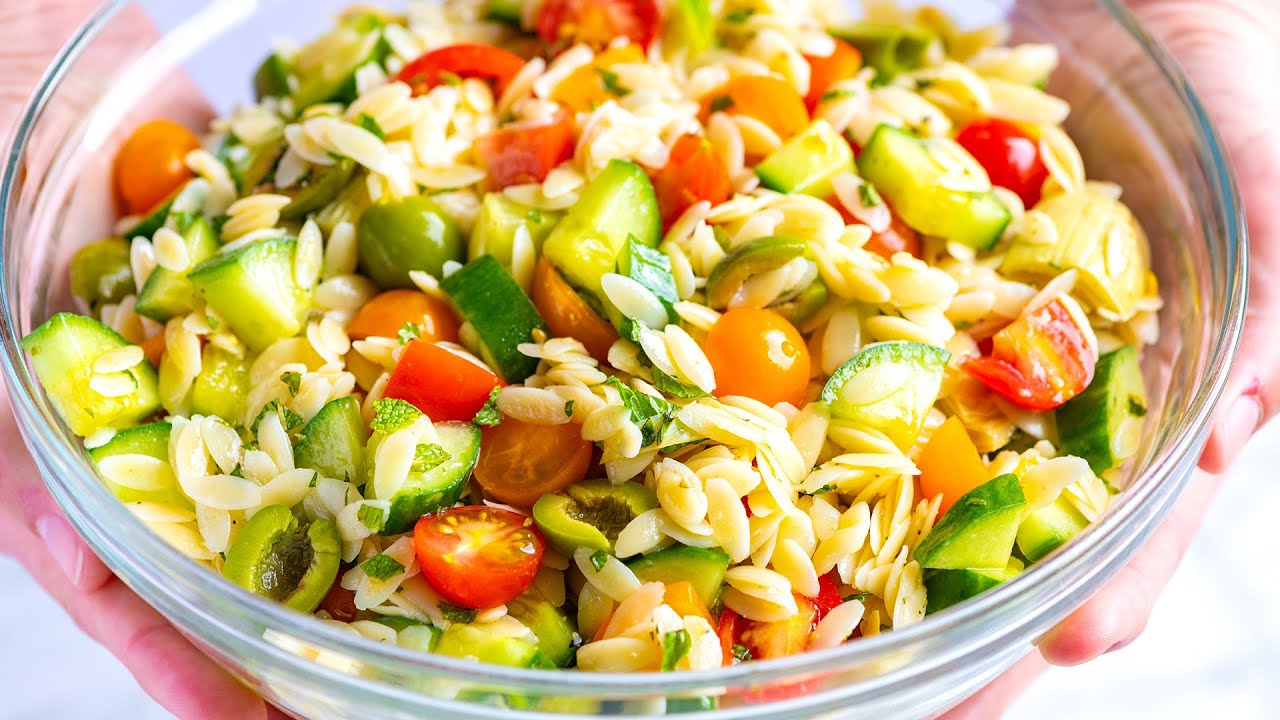
Orzo Pasta Recipe: Orzo pasta might look like rice at first glance, but don’t let appearances fool you. This small, rice-shaped pasta packs a punch in the flavor and versatility department. Whether you’re cooking up a quick weekday dinner, prepping for a cozy family gathering, or simply craving comfort food that’s easy to whip up, orzo is a fantastic choice. Today, we’re diving deep into a delicious orzo pasta recipe with a creamy, flavorful twist—perfect for any meal of the day.
This isn’t just another pasta recipe. It’s a comfort-in-a-bowl kind of dish that you’ll come back to again and again. You’ll learn everything from what ingredients to pick, how to cook orzo perfectly, and how to make it creamy and flavorful step by step.
What is Orzo Pasta?
Orzo, also known as risoni, is a type of pasta shaped like a large grain of rice. The name “orzo” actually means “barley” in Italian, which reflects its size and shape. While it might look like rice, it’s made from semolina flour, just like many traditional pastas. The beauty of orzo lies in its versatility—it can be used in soups, salads, casseroles, and even as a creamy risotto-like dish.
It absorbs flavors incredibly well, cooks quickly, and works wonderfully with a variety of ingredients. Whether you want to make it the star of the dish or serve it as a side, orzo is ready to play whatever role you need.
Why You’ll Love This Orzo Pasta Recipe
This recipe is creamy, comforting, and incredibly customizable. You can keep it simple with Parmesan and herbs or bulk it up with veggies and proteins. Here’s why you’ll fall in love with it:
- Quick and easy – Cooks in under 30 minutes.
- Customizable – Add veggies, chicken, shrimp, or keep it vegetarian.
- Rich and creamy – Like a risotto, but way easier.
- One-pot meal – Less cleanup, more enjoyment.
- Crowd-pleaser – Family-friendly and perfect for gatherings.
Whether you’re feeding picky eaters or entertaining guests, this recipe adapts beautifully to your needs.
List of Ingredients You’ll Need
Main Ingredients
To make a delicious creamy orzo pasta, here’s what you need:
- 1 cup orzo pasta
- 2 tablespoons olive oil or unsalted butter
- 1 small onion (finely chopped)
- 3 cloves garlic (minced)
- 2 ½ cups chicken or vegetable broth
- ½ cup heavy cream
- ½ cup grated Parmesan cheese
- Salt and black pepper to taste
- Fresh parsley or basil for garnish
Optional Add-Ins and Variations
Want to kick it up a notch? Try adding:
- 1 cup spinach or kale
- ½ cup sun-dried tomatoes
- Grilled chicken or shrimp
- Lemon zest for brightness
- Red chili flakes for a bit of heat
- Mushrooms or zucchini for extra veggies
The options are endless. It’s all about what you’re craving and what’s in your fridge.
Essential Kitchen Tools
Before we dive into the cooking, let’s make sure you’ve got the right tools on hand:
- Medium saucepan or deep skillet
- Wooden spoon or spatula
- Measuring cups and spoons
- Chef’s knife and chopping board
- Grater (for cheese and lemon zest, if using)
Having the right tools makes the process smoother—and cooking more fun.
Choosing the Right Orzo
Not all orzo is created equal. When shopping, look for:
- Semolina-based orzo – Offers the best texture.
- Whole wheat orzo – A healthier twist, rich in fiber.
- Gluten-free orzo – Made with corn or rice for those with dietary restrictions.
Some brands offer flavored orzo (like lemon or spinach), which can add depth to your dish without extra effort.
How to Cook Orzo Pasta Perfectly
Cooking orzo isn’t rocket science, but a few simple tips can take it from good to amazing.
- Use plenty of broth or water – Orzo absorbs liquid quickly.
- Stir frequently – Prevents sticking.
- Taste test – Cook until al dente (firm to the bite).
- Avoid overcooking – Mushy orzo is a no-go.
Toasting vs Boiling Orzo
You can either boil or toast orzo before simmering. Toasting gives it a slightly nutty flavor, like pilaf. Boiling is quicker, but you lose some depth. For this creamy recipe, toasting adds that extra “oomph.”
Step-by-Step Orzo Pasta Recipe (Creamy Style)
Step 1: Prepare Your Ingredients
Start by gathering everything you need. Measure out your orzo pasta, broth (chicken or vegetable), heavy cream, grated Parmesan, butter or olive oil, garlic, onions or shallots, and any additional mix-ins like spinach, mushrooms, or peas. Preparing ingredients ahead ensures a smooth cooking process.
Step 2: Toast or Boil the Orzo
For deeper, nutty flavor, melt a little butter in a pan and toast the orzo until lightly golden. If you prefer a milder flavor, you can skip the toasting and boil the orzo briefly, draining it halfway through cooking. Either method works, but toasting gives the dish a richer base.
Step 3: Sauté Aromatics
In a large skillet, heat butter or oil and add finely chopped onions or shallots. Cook until soft and fragrant. Add minced garlic and sauté for another 30 seconds to release its aroma without burning it.
Step 4: Add Broth and Simmer
Add the orzo to the skillet, stirring to coat it in the aromatics. Pour in the broth, bringing the mixture to a gentle simmer. Cook uncovered, stirring occasionally, until the orzo absorbs most of the liquid and becomes tender.
Step 5: Add Cream and Cheese
Pour in the heavy cream and reduce the heat to low. Stir in grated Parmesan until melted and creamy. The sauce should thicken and cling to the orzo, creating a rich, risotto-like texture.
Step 6: Toss in Your Favorites
Fold in add-ins like cooked chicken, sautéed mushrooms, sun-dried tomatoes, peas, or fresh spinach. These ingredients make the dish heartier and more flavorful.
Step 7: Finish with Fresh Herbs and Serve
Turn off the heat and garnish with fresh parsley, basil, or chives. Taste and adjust seasoning with salt and pepper. Serve warm as a main dish or a comforting side. Enjoy!
Tips for Cooking Orzo Pasta Like a Pro
- Toast before simmering: Adds a nutty, rich base flavor.
- Don’t walk away: Orzo cooks fast and can stick if left unattended.
- Use broth, not just water: Infuses more flavor into the pasta.
- Stir regularly: Especially with creamy orzo to prevent sticking or burning.
- Let it rest: Give it 2–3 minutes off the heat before serving—this helps it thicken to the perfect consistency.
Also, keep in mind that orzo continues to absorb liquid even after cooking. If it thickens too much, simply stir in a splash of warm broth or milk to loosen it up.
Orzo Pasta Variations You Can Try
This orzo pasta recipe is a blank canvas. You can reinvent it every week with different twists:
- Lemon Garlic Orzo – Skip the cream, add lemon juice, zest, and sautéed garlic.
- Greek Style Orzo – Add olives, feta, cherry tomatoes, and cucumbers.
- Mushroom and Spinach Orzo – Sauté mushrooms and spinach with garlic, then stir in.
- Pesto Orzo – Mix in a few spoonfuls of basil pesto and top with toasted pine nuts.
- Mexican-Inspired Orzo – Add black beans, corn, jalapeños, and cumin with cheddar cheese.
You can even make a cold orzo salad using the same base but skipping the cream and adding vinaigrette.
How to Make It Vegan or Gluten-Free
Want to adapt this recipe for dietary preferences? No problem!
To Make It Vegan:
- Use plant-based butter or olive oil instead of dairy butter.
- Swap heavy cream for coconut milk, cashew cream, or unsweetened almond milk thickened with flour.
- Use nutritional yeast or vegan Parmesan instead of traditional cheese.
- Choose vegetable broth.
To Make It Gluten-Free:
- Use a gluten-free orzo made from corn, rice, or legumes.
- Double-check all packaged ingredients (broth, cheese) to ensure they’re gluten-free certified.
With just a few tweaks, you can enjoy all the comfort without compromising your lifestyle or health needs.
What to Serve with Orzo Pasta
Orzo is fantastic on its own, but if you want to build a full meal, here are some serving suggestions:
- Grilled or baked chicken – Lemon herb chicken pairs beautifully.
- Roasted vegetables – Especially zucchini, bell peppers, and cherry tomatoes.
- Salmon or shrimp – Seafood + orzo = perfect combo.
- Garlic bread or focaccia – Ideal for scooping up every creamy bite.
- Fresh green salad – Balances the richness of the pasta.
Whether you’re going light or hearty, orzo plays nice with a wide variety of dishes.
Storage and Reheating Tips
If you’ve got leftovers (lucky you!), here’s how to keep them tasty:
- Store in an airtight container in the fridge for up to 3-4 days.
- To reheat, add a splash of milk, cream, or broth before microwaving or warming on the stove. Stir frequently to restore creaminess.
- Avoid freezing creamy orzo—it tends to get grainy when thawed.
Pro tip: Make a double batch and repurpose leftovers with different toppings the next day.
Common Mistakes to Avoid
Even though orzo pasta is easy to make, there are a few common pitfalls that can make or break your dish. Let’s go through them so you can sidestep any kitchen disasters.
1. Overcooking the Orzo
Orzo cooks much faster than traditional pasta—usually in about 8 to 10 minutes. If you cook it too long, it becomes mushy and loses its pleasant bite. Always taste test around the 7-minute mark, especially if simmering in broth.
2. Not Stirring Enough
Because orzo is small and starchy, it loves to stick to the bottom of the pot. Frequent stirring is key, especially if you’re cooking it in a shallow skillet. If you walk away, you risk scorching it—and cleaning burnt pasta off a pan is no fun.
3. Using Only Water
While water works in a pinch, broth makes a huge difference in flavor. Cooking your orzo in chicken or vegetable broth infuses it with savory depth. Water just doesn’t give it the same oomph.
4. Skipping the Toasting Step
This step is optional, but if you want rich, nutty flavor in every bite, don’t skip the toasting. It elevates the dish from good to gourmet.
5. Not Adjusting Consistency Before Serving
Orzo continues to soak up liquid even after it’s done cooking. If you don’t adjust it with a splash of broth, milk, or cream before serving, it can get too thick. Always give it a stir before plating and add a little moisture to bring back that creamy texture.
Health Benefits of Orzo Pasta
You might be wondering—aside from tasting great, is orzo good for you? The answer is yes, especially when enjoyed in moderation and paired with wholesome ingredients.
1. Source of Carbohydrates
Orzo provides quick energy thanks to its complex carbohydrates, making it a great fuel for active days.
2. Fortified with Nutrients
Many orzo brands are enriched with B vitamins like niacin, riboflavin, and folic acid, which support metabolism and cellular health.
3. Contains Protein
Orzo has a decent protein content, especially when paired with ingredients like Parmesan cheese or legumes. Adding a protein like chicken, tofu, or shrimp turns it into a complete meal.
4. Customizable for Special Diets
You can easily find whole wheat orzo for added fiber, or gluten-free varieties for sensitive stomachs. Plus, it’s vegetarian-friendly and easy to make vegan.
5. Pairs Well with Veggies
Orzo’s mild flavor makes it an excellent base for vegetables. Whether you’re sneaking in spinach, zucchini, or mushrooms, this pasta helps you eat the rainbow without even trying.
When prepared mindfully, orzo can be both indulgent and nourishing.
FAQs about Orzo Pasta Recipe
1. Can I use milk instead of cream in orzo pasta?
Yes, you can! Whole milk works best if you’re going for creaminess. Just note that the texture may not be as rich as with heavy cream, but it’ll still be delicious.
2. Is orzo the same as rice?
Nope! Orzo looks like rice but it’s actually a pasta made from wheat semolina. It cooks like pasta and has a completely different texture than rice.
3. How do I keep orzo from getting mushy?
The key is to cook it al dente, taste test early, and keep an eye on the clock. Stir regularly and don’t let it sit too long before serving.
4. Can I freeze creamy orzo pasta?
It’s not recommended. The creamy texture tends to separate and become grainy when thawed. It’s best to store it in the fridge and enjoy within 3–4 days.
5. What protein goes well with orzo pasta?
Grilled chicken, sautéed shrimp, pan-seared salmon, or even chickpeas all pair beautifully. Orzo is super flexible—it’ll play nice with just about anything!
Conclusion
If you’ve made it this far, you now have everything you need to whip up the ultimate creamy orzo pasta dish—from ingredients to expert tips, common mistakes, and flavor variations. This recipe is a keeper for sure. It’s quick, comforting, and endlessly versatile. Whether you’re enjoying it as a side dish or the main event, creamy orzo pasta is bound to become a regular in your kitchen rotation.
So next time you’re looking for something warm, satisfying, and simple, you know what to make. Grab that box of orzo, a splash of cream, and whatever fresh herbs or toppings you’ve got on hand—and get cooking!