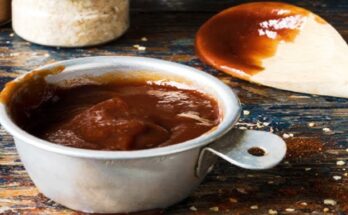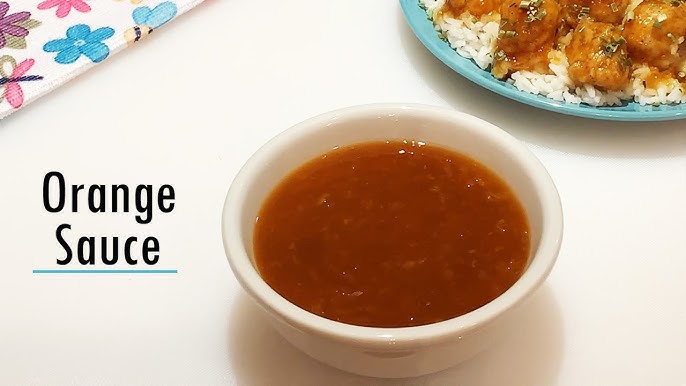
Orange Sauce Recipe: Orange sauce is one of those magical kitchen creations that can instantly elevate even the simplest of dishes. Imagine the sweet, tangy, and slightly zesty burst of flavor from fresh oranges transforming an ordinary meal into something truly special. Whether you’re preparing a sweet dessert drizzle, a glaze for chicken, or a dipping sauce for savory appetizers, orange sauce always finds its place. Unlike store-bought versions that often taste too sweet or artificial, making orange sauce at home allows you to control every detail—from the type of oranges you use to how thick or tangy the sauce becomes.
What makes orange sauce so versatile is its balance of flavors. The natural sweetness from the oranges, the refreshing citrus notes, and the ability to pair with both sweet and savory dishes make it a kitchen staple you’ll come back to again and again. Many cuisines around the world—from Chinese takeout classics like orange chicken to French-inspired dessert sauces—rely on the richness of orange flavor. By learning to make this sauce from scratch, you’ll always have a go-to condiment that can be customized to fit your mood, taste, and menu.
So, whether you’re planning a cozy family dinner or looking for a show-stopping sauce for guests, this orange sauce recipe will walk you step by step through the process. Let’s dive into the ingredients and the simple yet flavorful method.
Ingredients You’ll Need
Before you get started, it’s essential to gather all your ingredients. The beauty of this recipe is that most of the items are simple pantry staples and fresh produce you probably already have at home.
Fresh Produce
- Fresh Oranges (2–3 large ones) – The star of the recipe. Freshly squeezed juice gives the sauce its vibrant, natural flavor, while zest adds a concentrated citrus aroma.
- Lemon (optional, 1 small) – A touch of lemon can help balance the sweetness with an extra layer of acidity.
Pantry Staples
- Sugar (½ cup) – White sugar works best for sweetness, but you can also use honey or brown sugar for a richer flavor.
- Cornstarch (1–2 tbsp) – This is the thickening agent that gives the sauce its glossy, smooth consistency.
- Soy Sauce (2 tbsp, optional) – If you’re making a savory variation (like orange chicken sauce), soy sauce adds depth and umami.
- Vinegar (1 tbsp, optional) – Rice vinegar or apple cider vinegar can balance the sweetness if you prefer a tangier sauce.
- Water (½ cup) – Helps control the consistency while cooking.
Optional Add-Ons for Extra Flavor
- Ginger (1 tsp, grated) – Perfect if you’re going for an Asian-inspired sauce.
- Garlic (1 clove, minced) – Adds a savory kick.
- Red Chili Flakes (a pinch) – Great for those who like a spicy edge.
- Butter (1 tbsp) – Stirring in a little butter at the end gives the sauce a silky finish.
Having these ingredients prepped and ready makes the cooking process smoother and ensures your orange sauce turns out flavorful and balanced every time.
Equipment Required for Making Orange Sauce
You don’t need any fancy equipment to whip up a delicious orange sauce, but a few key tools will make the process much easier.
Basic Kitchen Tools
- Saucepan – A medium-sized, heavy-bottomed pan is best for even heat distribution.
- Whisk – Essential for stirring the mixture and preventing lumps, especially when adding cornstarch.
- Measuring Cups and Spoons – To ensure you get the right balance of ingredients.
- Citrus Juicer – Handy for extracting every drop of juice from your oranges and lemon.
- Zester or Grater – For collecting the fragrant orange zest.
Optional Gadgets to Simplify Cooking
- Fine Mesh Strainer – Helps achieve a smooth sauce by removing pulp and zest, if preferred.
- Blender – If you want a thicker, more pulpy sauce, blending everything together can create a richer texture.
- Glass Storage Jar – Perfect for storing your sauce in the fridge for future use.
While you could technically get away with just a saucepan and a spoon, using these extra tools ensures your orange sauce comes out smooth, flavorful, and professional every time.
Step-by-Step Guide to Making Orange Sauce
Now that your ingredients and equipment are ready, it’s time to bring everything together. Making orange sauce is straightforward, but paying attention to details will help you achieve the perfect texture and flavor.
Step 1 – Preparing the Oranges
Wash the oranges thoroughly since you’ll be using both the juice and the zest. Use a zester to collect about one tablespoon of zest—this adds an intense citrus aroma that juice alone can’t provide. Next, cut the oranges in half and juice them. You should get around one cup of fresh juice, which will form the base of your sauce. If you’d like an extra tang, add a splash of lemon juice as well.
Step 2 – Combining Ingredients
In your saucepan, pour in the orange juice, sugar, and water. Whisk everything together over medium heat. If you’re making the savory version, add soy sauce and vinegar at this stage. This mixture should start smelling fragrant as the orange zest releases its oils.
Step 3 – Cooking the Sauce
Allow the mixture to heat up slowly. Once it begins to simmer, lower the heat slightly and let it cook for about 5–7 minutes. Stir occasionally to prevent the sugar from sticking to the bottom. This simmering step helps intensify the orange flavor.
Step 4 – Thickening and Adjusting Consistency
In a small bowl, mix cornstarch with two tablespoons of water to form a slurry. Slowly whisk this into your simmering sauce. You’ll notice the mixture thickening almost immediately. Keep stirring until it reaches the glossy, smooth consistency you want. If it gets too thick, add a splash of water; if too thin, let it cook a little longer.
Step 5 – Cooling and Storing Properly
Once the sauce reaches your desired consistency, remove it from heat. Let it cool for a few minutes before transferring it into a clean glass jar. If you want a silky-smooth sauce, strain it through a fine mesh strainer before storing. Refrigerate and use within one week, or freeze for up to three months.
Tips and Tricks for Perfect Orange Sauce
Creating the perfect orange sauce is all about balance. Here are some tips to ensure it comes out just right:
- Taste as You Go – Oranges vary in sweetness, so adjust the sugar accordingly.
- Don’t Skip the Zest – It adds layers of flavor and aroma you can’t get from juice alone.
- Low and Slow Cooking – Avoid boiling too aggressively; simmering preserves the fresh citrus notes.
- Adjust Thickness – Use more or less cornstarch depending on whether you want a glaze, dipping sauce, or drizzle.
- Experiment with Flavors – Add spices like cinnamon or nutmeg for desserts, or garlic and chili for savory dishes.
With these tricks in mind, your homemade orange sauce will outshine anything you’ve ever bought at the store.
Variations of Orange Sauce
One of the best things about orange sauce is how adaptable it is. Depending on the ingredients you add or leave out, you can easily transform this simple recipe into a sweet dessert topping, a savory glaze for meats, or even a spicy dipping sauce. Let’s explore some exciting variations.
Sweet Dessert Orange Sauce
If you’re looking to create a drizzle for cakes, pancakes, or ice cream, you’ll want to keep things sweet and simple. Stick to freshly squeezed orange juice, sugar, a little zest, and cornstarch for thickening. You can enhance it with vanilla extract or a pinch of cinnamon for warmth. This version works beautifully when poured over cheesecake, sponge cakes, or even waffles for a breakfast treat. The consistency should be silky but not too thick—think of a syrup-like texture that glides easily.
Savory Orange Sauce for Meats
When making orange chicken, duck à l’orange, or even grilled salmon, you need a sauce that balances sweetness with tang and umami. For this version, add soy sauce, garlic, ginger, and a splash of rice vinegar. The savory notes pair perfectly with poultry and seafood, cutting through richness while enhancing flavor. This variation is usually thicker, almost glaze-like, so it can coat the meat evenly. The glossy orange shine not only makes the dish taste better but also gives it a restaurant-quality presentation.
Spicy Orange Sauce Twist
For those who love bold flavors, adding heat can take your orange sauce to the next level. Chili flakes, sriracha, or even fresh chopped chili peppers can be mixed in while simmering. The spicy kick balances the citrus sweetness, making this version ideal as a dipping sauce for spring rolls, dumplings, or crispy chicken wings. You can even adjust the spice level to suit your preferences—mild for a gentle warmth, or fiery for a real punch.
With these variations, you’ll never be limited to just one style of orange sauce. Depending on the occasion, you can easily tailor the recipe to fit desserts, savory meals, or spicy snacks.
Pairing Ideas for Orange Sauce
Orange sauce is incredibly versatile, which means it can be paired with a wide variety of dishes. Whether you’re planning dessert, dinner, or even breakfast, this sauce has you covered.
With Desserts
Orange sauce works beautifully with sweets because of its natural fruity sweetness. Drizzle it over chocolate cake, ice cream, or cheesecake for a refreshing twist. The citrus flavor also balances creamy desserts like panna cotta or custard. Another favorite is pairing it with crepes—orange sauce turns a simple crepe into a gourmet delight, especially when dusted with powdered sugar.
With Meats and Seafood
Savory orange sauce makes an excellent glaze or finishing touch for meats. Think classic Chinese orange chicken, roasted duck, or even grilled pork chops. It pairs exceptionally well with seafood too—shrimp, salmon, and cod all benefit from the bright citrus notes. For holiday dinners, an orange sauce glaze on roasted turkey or ham is both festive and flavorful.
With Breakfast Dishes
If you enjoy a sweet breakfast, orange sauce is a game-changer. Pour it over pancakes, waffles, or French toast for a refreshing alternative to maple syrup. It also pairs well with yogurt parfaits or oatmeal, adding natural sweetness without overpowering. For a more indulgent option, use it as a filling for pastries like Danish rolls or croissants.
By experimenting with these pairings, you’ll discover just how versatile orange sauce can be. It doesn’t just complement dishes—it transforms them.
Nutritional Value of Orange Sauce
While orange sauce is often enjoyed for its flavor, it’s also worth noting its nutritional benefits and considerations.
Health Benefits of Oranges
Fresh oranges are naturally rich in vitamin C, which boosts immunity and promotes healthy skin. They also provide antioxidants, which help fight free radicals in the body. The zest, often overlooked, contains essential oils that aid digestion and contribute to the sauce’s aroma. Using freshly squeezed juice ensures you retain more of these nutrients compared to store-bought juices that may contain preservatives.
Calories and Nutritional Breakdown
The nutritional value of orange sauce largely depends on the ingredients you add. A sweet dessert-style sauce with sugar will naturally be higher in calories, while a savory sauce with soy and garlic may be lower in sugar but higher in sodium. On average, one tablespoon of homemade orange sauce contains about 25–40 calories, depending on sweetness levels. If you’re watching your sugar intake, consider reducing the sugar or using honey, agave, or even a sugar substitute.
Overall, while orange sauce is not a low-calorie condiment, it’s still healthier than many store-bought versions since you control the ingredients and avoid artificial additives.
Storage and Shelf Life
Homemade orange sauce doesn’t contain preservatives, so proper storage is key to keeping it fresh and flavorful.
Refrigeration Tips
Once cooled, transfer your orange sauce into a clean, airtight glass jar or container. Store it in the refrigerator for up to 7–10 days. Always use a clean spoon when serving to avoid contamination, which can reduce shelf life. If the sauce thickens too much in the fridge, simply reheat it gently on the stove with a splash of water to restore its consistency.
Freezing and Reheating
For longer storage, freezing is a great option. Pour the cooled sauce into freezer-safe containers or ice cube trays for portioned servings. Frozen orange sauce can last up to 3 months. When ready to use, thaw in the fridge overnight and reheat on the stove. Avoid microwaving directly from frozen, as it may alter the texture.
By storing it properly, you can always have a batch of homemade orange sauce ready to enhance your meals.
FAQs about Orange Sauce Recipe
Can I Make It Sugar-Free?
Yes! You can replace sugar with natural sweeteners like honey, maple syrup, or agave. For a completely sugar-free version, use stevia or monk fruit sweetener. Just remember that the flavor may vary slightly depending on the substitute.
How Long Does It Last?
In the fridge, orange sauce typically lasts 7–10 days. If frozen, it can stay fresh for up to 3 months. Always check for changes in smell, texture, or appearance before using.
Can I Use Bottled Orange Juice?
Yes, but fresh orange juice is always better. Bottled juice often contains preservatives and lacks the vibrant flavor of freshly squeezed oranges. If using bottled juice, try to choose one labeled “100% juice” without added sugar.
What Dishes Work Best with Orange Sauce?
Orange sauce pairs beautifully with desserts like cakes, pancakes, and ice cream. It’s also a fantastic glaze for chicken, duck, and seafood. For a spicy twist, it makes an excellent dipping sauce for wings or dumplings.
Can I Adjust the Thickness?
Absolutely. Add more cornstarch slurry for a thicker sauce, or dilute with water or juice if you prefer a lighter consistency. The key is to adjust slowly while stirring to avoid lumps.
Conclusion
Orange sauce is one of those recipes that proves how simple ingredients can create extraordinary results. With just a handful of oranges, sugar, and pantry staples, you can whip up a sauce that’s versatile, delicious, and far healthier than store-bought alternatives. Whether you’re drizzling it over desserts, glazing meats, or spicing it up for dipping, this sauce brings brightness and balance to any dish. The best part? Once you master the basics, you can experiment with endless variations to suit every craving.
So next time you’re looking for a quick way to elevate your meals, remember this orange sauce recipe. It’s easy, customizable, and guaranteed to impress.