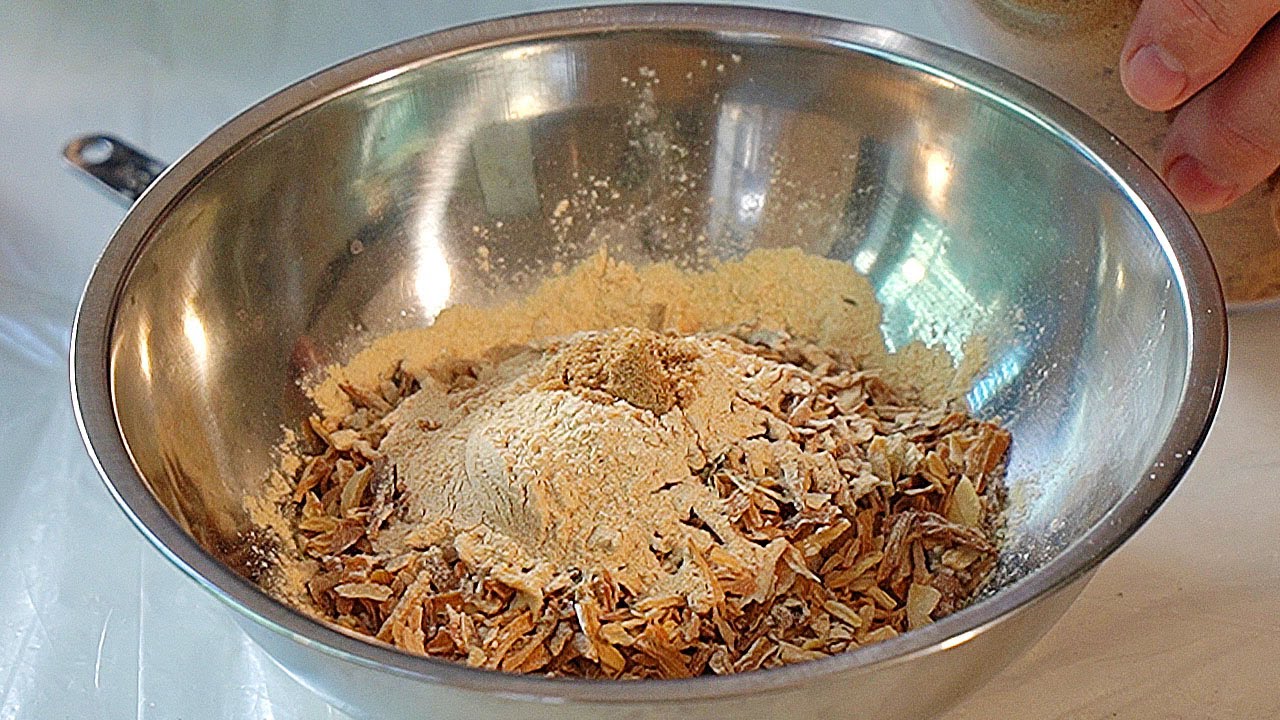
Onion Soup Mix Recipe: Onion soup mix is that humble little blend of seasonings and dried onions that packs a serious flavor punch. Think of it as your kitchen’s secret weapon—ready to elevate soups, casseroles, dips, and even roasted meats. It’s typically made from dried onion flakes, bouillon, onion powder, garlic powder, and a handful of savory spices. Most commonly associated with Lipton’s version, this pantry staple is incredibly versatile and a must-have for both beginner cooks and seasoned chefs.
Whether you want to make French onion soup from scratch, whip up a quick dip for chips, or give your meatloaf a boost of umami, onion soup mix does the job. And the best part? When you make it at home, you know exactly what’s going in it—no weird additives or preservatives.
Why Make It at Home?
Let’s be honest—store-bought mixes are convenient, but they’re often packed with sodium, MSG, and other mystery ingredients you can barely pronounce. By crafting your own onion soup mix at home, you not only gain control over what you’re eating, but you also get to customize the flavor to your taste.
Plus, it’s ridiculously easy to make. With just a few pantry staples, you can put together a big batch that’ll last for months. It saves money in the long run and, honestly, it tastes way better.
Benefits of Homemade Onion Soup Mix
Healthier Ingredients
When you make your own mix, you control every single ingredient that goes into it. Want to go low-sodium? You can. Prefer organic spices? Totally doable. Sensitive to MSG or preservatives? Leave them out completely. Homemade onion soup mix is inherently healthier because you’re the one choosing what goes in—and what stays out.
Many store-bought versions rely heavily on salt and artificial flavors to make up for lackluster ingredients. By using fresh spices and high-quality dried onion, you’ll get a mix that’s bursting with real flavor—no fake stuff necessary.
Cost-Effective Alternative
Let’s talk savings. Those tiny store-bought packets add up, especially if you’re cooking frequently or using the mix in bulk. Making your own onion soup mix at home is significantly cheaper over time. You can buy ingredients like onion flakes, bouillon, and spices in bulk and make large batches to store in airtight containers.
Even better? You probably already have most of the ingredients in your pantry. So next time you need a quick burst of flavor, you won’t have to run to the store—just open your spice drawer and get mixing.
Ingredients You’ll Need
Core Spices and Herbs
Here’s a breakdown of the essential ingredients to make a classic onion soup mix:
- Dried minced onion (1/2 cup) – The star of the show, adds that iconic oniony crunch and depth.
- Beef bouillon granules or cubes (4 tsp) – Brings the savory, umami base.
- Onion powder (1 tbsp) – Amplifies the onion flavor.
- Garlic powder (1/2 tbsp) – Adds warmth and aromatic depth.
- Parsley flakes (1 tsp) – Brings a fresh, green herbal note.
- Paprika (1/2 tsp) – Offers mild sweetness and a bit of smokiness.
- Black pepper (1/4 tsp) – Adds subtle heat and bite.
These core ingredients create a base that’s perfect for just about any savory dish you can dream up.
Optional Additions for Extra Flavor
Want to get a little fancy? You can enhance your mix with:
- Celery seed for a hint of brightness.
- Thyme or rosemary for a more herbaceous twist.
- Mustard powder to punch up the complexity.
- Sea salt or kosher salt if you want extra seasoning control.
The beauty of making your own mix is flexibility—feel free to experiment with what you love.
Equipment Needed
Basic Kitchen Tools for Mixing and Storing
You don’t need any fancy gadgets to make onion soup mix, which makes it even more appealing. Here’s what you’ll need:
- Measuring spoons – Accuracy counts when you’re mixing spices.
- Small mixing bowl – For combining your ingredients evenly.
- Whisk or spoon – To stir everything together.
- Airtight storage containers or mason jars – To keep your mix fresh for weeks.
A simple spice jar with a shaker lid is great if you plan to sprinkle the mix directly into dishes. Label your container with the name and date so you’ll always know what’s inside and when you made it.
Step-by-Step Guide to Making Onion Soup Mix
Step 1: Measure Out Your Ingredients
Start by measuring out each ingredient precisely. This helps maintain a consistent flavor every time you use your mix. Use dry measuring spoons and ensure your dried minced onion is fresh and crispy.
Measure:
- 1/2 cup dried minced onion
- 4 tsp beef bouillon
- 1 tbsp onion powder
- 1/2 tbsp garlic powder
- 1 tsp parsley flakes
- 1/2 tsp paprika
- 1/4 tsp black pepper
Make sure your spices are free from moisture and clumps for the best results.
Step 2: Mix Everything Thoroughly
Pour all your ingredients into a bowl and stir well using a spoon or whisk. The goal is to make sure everything is evenly distributed so you get consistent flavor in every tablespoon you use later.
If you’re making a big batch, consider using a large mixing bowl and transferring the mix into smaller containers afterward. You can even double or triple the recipe to keep some on hand for gifts or meal prep.
Step 3: Store It Properly
Once your onion soup mix is well combined, store it in an airtight container—preferably glass jars or BPA-free plastic containers. Keep it in a cool, dry place away from direct sunlight.
Label the jar with the mix name and the date you made it. While it can last up to 6 months, using it within 3 months ensures peak flavor and freshness.
Creative Ways to Use Onion Soup Mix
In Soups and Stews
This one’s a no-brainer. Onion soup mix is made for soups—especially French onion soup. But don’t stop there. Add it to beef stew, chicken soup, lentil soups, or even chili to instantly enrich the broth. Just one to two tablespoons can bring a whole pot of soup to life. The dried onion bits plump up when cooked, releasing flavor slowly while simmering.
Another great trick? Sprinkle it into vegetable soups for a meaty flavor without using actual meat. It’s especially handy if you’re cooking for a mixed group of vegetarians and carnivores. Onion soup mix adds that “home-cooked” taste that usually takes hours to develop—but in minutes.
Try this combo: add a tablespoon of the mix into a pot of boiling water with chopped potatoes and carrots, then let it simmer until tender. You’ll get a savory, hearty base perfect as-is or ready for more seasoning.
As a Meat Marinade or Rub
One of the best uses for homemade onion soup mix is as a dry rub for meat. Whether you’re cooking up chicken, steak, pork chops, or even tofu, this mix will take things up a notch. Simply coat your meat with olive oil, rub in the seasoning generously, and let it sit for 30 minutes to overnight in the fridge.
You’ll get a deep, caramelized flavor once the meat hits the grill, pan, or oven. The dried onions crisp up beautifully, while the spices infuse right into the protein. For a juicy roast beef or slow-cooked brisket, combine the mix with a little water and olive oil, pour over your meat, and let it cook low and slow.
For a quick meat marinade:
- 2 tablespoons of onion soup mix
- 1/4 cup olive oil
- 2 tablespoons soy sauce or Worcestershire sauce
- 1 tablespoon vinegar or lemon juice
Let your meat marinate in this mixture for 2-12 hours before cooking. You’ll thank yourself later.
In Dips and Dressings
You’ve probably had sour cream and onion dip made with a store-bought packet—but making it with your own mix takes it to the next level. Simply mix two tablespoons of your homemade onion soup mix into one cup of sour cream (or Greek yogurt for a healthier twist). Chill for at least an hour before serving.
Use it as a dip for chips, crackers, veggie sticks, or even wings. You can also stir a teaspoon or two into your salad dressings for a rich, savory twist.
Want more uses? Mix it into cream cheese for a flavorful bagel spread, or fold it into mayonnaise for a quick sandwich condiment. It’s incredibly adaptable and adds that bold onion flavor with zero effort.
Storing and Shelf Life
Best Containers to Use
To keep your onion soup mix fresh, use an airtight glass jar, a plastic spice container with a snap-tight lid, or even a vacuum-sealed bag if you’re storing a large batch. Mason jars are ideal because they’re reusable, non-reactive, and let you see how much mix you have left.
Avoid containers that don’t seal completely, or your mix could get clumpy from moisture. If you live in a humid area, toss in a food-safe silica gel packet to help absorb excess moisture.
Label your container clearly with:
- The name: “Onion Soup Mix”
- The date you made it
- Optional: the expiration date (typically 6 months from the day you made it)
How Long It Lasts and Storage Tips
When stored properly in a cool, dark place (like your pantry), onion soup mix can last anywhere from 4 to 6 months. That said, for peak freshness and potency, aim to use it within 3 months.
If you make a large batch and want to prolong shelf life, consider refrigerating or freezing the mix in small portions. Just make sure it’s well-sealed to avoid moisture absorption.
Quick tips:
- Always use a dry spoon when scooping out the mix.
- Don’t store it above the stove or near steam-producing appliances.
- Keep away from direct sunlight or heat sources.
With just a little care, your homemade mix will stay flavorful and ready to go whenever you need a savory boost.
Nutritional Information
Breakdown of Common Ingredients
Let’s get real about what’s in your mix. Here’s a basic nutritional breakdown per tablespoon of homemade onion soup mix:
| Nutrient | Amount (Approx.) |
|---|---|
| Calories | 25 |
| Total Fat | 0g |
| Sodium | 350-500mg (depending on bouillon used) |
| Carbohydrates | 4g |
| Sugars | <1g |
| Fiber | 0.5g |
| Protein | 1g |
Most of the calories come from the dried onion flakes and bouillon. If you’re using low-sodium or MSG-free bouillon, you can cut the sodium almost in half.
This mix is relatively low in calories and can be part of a healthy diet, especially when used in moderation. For people watching their salt intake, tweaking the bouillon and adding more herbs is a smart workaround.
Variations and Substitutions
Low-Sodium Version
Looking to reduce your salt intake? Here’s how to make a low-sodium onion soup mix:
- Replace regular bouillon with a low-sodium or salt-free version.
- Add more dried herbs like thyme, rosemary, and oregano to enhance the flavor.
- Skip any added salt altogether and let your dish get its seasoning from other ingredients.
Vegan and Gluten-Free Options
Good news—this recipe is already close to vegan and gluten-free, depending on the bouillon you use.
For a vegan version:
- Use vegetable bouillon powder or cubes.
- Ensure all spices are pure with no animal-derived additives.
For a gluten-free version:
- Check that your bouillon is certified gluten-free.
- Be cautious of cross-contaminated spice blends.
These adjustments don’t compromise taste—they just make the recipe more inclusive.
Tips and Tricks for the Best Mix
Flavor Pairing Advice
One of the greatest advantages of making your own onion soup mix is the ability to tailor it to your taste and cooking style. If you want to unlock maximum flavor, there are a few tricks to keep in mind. Start with fresh, high-quality ingredients. Spices lose their punch over time, so if your garlic powder is older than a year, it might be time to toss it and restock.
To boost the mix’s depth, consider lightly toasting the dried onion flakes in a dry pan for a minute or two before mixing. This process releases their natural oils and adds a rich, roasted note that store-bought mixes can’t match.
You can also experiment with flavor combinations. Add a hint of cayenne pepper if you like a little heat. For a smokier blend, smoked paprika works wonders. Want to bring out earthy tones? A touch of cumin or ground coriander can add subtle depth. Think of your onion soup mix like a customizable spice rack in a jar—play with it and find what works best for your meals.
Don’t forget to taste-test. Mix a small batch, sprinkle it onto roasted veggies or into broth, and see how it complements the dish. Adjust salt, spice, and herbs accordingly before committing to a big batch.
Common Mistakes to Avoid
Overpowering or Weak Flavors
One common mistake people make when crafting their own onion soup mix is going overboard with the salt or bouillon. Since bouillon can be heavily concentrated, adding too much can easily make your dish overly salty. Always start with less, and build up if needed. If you’re using the mix in a dish that already contains salt, you may want to skip the bouillon entirely or use a salt-free version.
Another misstep is relying too heavily on one spice. For example, too much garlic powder can overwhelm the mix, while an excess of onion flakes can lead to an unbalanced texture. The key is balance—each ingredient should support the others without dominating the flavor profile.
Using old or improperly stored spices is another issue. Moisture and air are the enemies of freshness. If your mix clumps together or smells off, it’s time to start fresh. Be sure to store it in a cool, dry place in a sealed container.
Lastly, don’t forget to label your mix. It’s easy to confuse onion soup mix with taco seasoning or another homemade blend—especially when they all look similar in a spice jar. Proper labeling helps avoid flavor surprises in your dishes.
FAQs about Onion Soup Mix Recipe
Can I use onion powder instead of dried onion flakes?
You can, but the texture will be different. Dried onion flakes add a chewy bite and visual appeal, while onion powder provides a more uniform, intense flavor. For best results, use a mix of both.
How can I reduce the salt content?
Simply use a low-sodium or salt-free bouillon, or eliminate it altogether. You can also increase the herbs and spices to make up for the lost flavor without relying on salt.
Is this mix suitable for vegetarians?
Yes, it can be. Just swap out the beef bouillon for vegetable bouillon or a vegan-friendly seasoning base. Always check labels to ensure there are no animal-derived ingredients.
What’s the best substitute for beef bouillon?
Vegetable bouillon works well, especially for vegetarian or vegan versions. You could also use mushroom powder for an earthy, umami-rich base.
Can I double the recipe easily?
Absolutely! This recipe scales up beautifully. Just maintain the same ratios, mix thoroughly, and store in airtight containers. It’s perfect for meal prep or gifting to friends and family.
Conclusion
Creating your own onion soup mix at home is not only easy—it’s empowering. You gain full control over the ingredients, taste, and health factors, all while saving money and reducing waste. With just a few pantry staples and a couple of minutes, you’ll have a flavorful blend that can transform your cooking. Whether you’re whipping up a hearty stew, spicing up roasted veggies, or making a killer chip dip, this homemade mix delivers every single time.
Now that you know how to make it, customize it, store it, and use it in countless ways, there’s no reason to go back to store-bought packets. Go ahead—grab those spices and mix up a jar. Your meals will thank you.