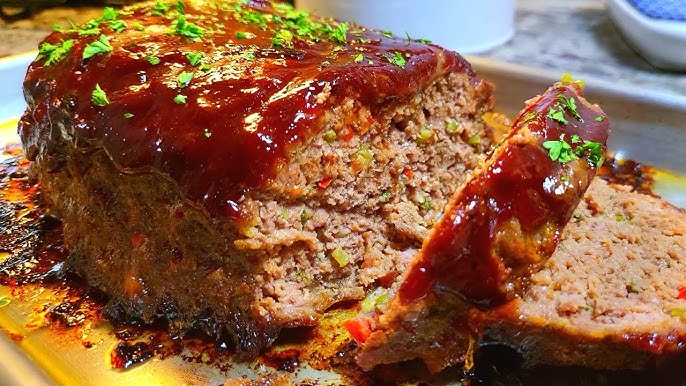
One Pound Meatloaf Recipe: There’s something deeply comforting about a good meatloaf. Whether you’re cooking for two or want just enough for a few solid meals, a one-pound meatloaf is the perfect portion. It’s hearty, flavorful, easy to whip up, and doesn’t require fancy ingredients. This article is your ultimate guide to making a delicious, juicy meatloaf with just one pound of meat. We’ll cover everything from the ingredient list to step-by-step instructions, and even offer up tips, serving suggestions, and ways to store leftovers.
Let’s be honest—meatloaf has a reputation. For some, it conjures up images of dry, bland dinners. But with the right technique, the perfect balance of seasoning, and a tasty glaze on top, meatloaf can be a true comfort food masterpiece. Ready to change your mind about meatloaf forever? Let’s dive in!
Why This One Pound Meatloaf Is Perfect for Small Families
This recipe is tailored specifically for those who don’t need to feed an army. Maybe you’re cooking for one or two people. Maybe you’re meal prepping and don’t want a ton of leftovers. Or maybe you just want something quick, easy, and satisfying. A one-pound meatloaf delivers all the flavor of the classic dish without overwhelming your fridge with days of leftovers.
Smaller portions also mean less baking time, which makes this recipe perfect for a weeknight dinner. And if you’ve got picky eaters, this one’s a winner—it’s tender, moist, and packed with flavor without being overwhelming.
Still want leftovers? This meatloaf keeps well and can be sliced for sandwiches or served with eggs the next morning. It’s as versatile as it is simple.
List of Ingredients You’ll Need
Essential Ingredients
Let’s talk about the building blocks of a great meatloaf. With only a pound of meat, every ingredient counts. Here’s what you’ll need:
- 1 pound ground beef (80/20 lean-to-fat ratio is ideal)
- 1 large egg
- ½ cup breadcrumbs (or oats for a gluten-free option)
- ¼ cup milk (adds moisture)
- 1 small onion, finely chopped
- 2 garlic cloves, minced
- 1 tablespoon Worcestershire sauce
- 1 teaspoon salt
- ½ teaspoon black pepper
- ½ teaspoon dried thyme (optional but adds depth)
Optional Add-ins for Flavor Boost
Feel like jazzing it up? Try mixing in:
- ¼ cup grated Parmesan cheese
- 1 tablespoon Dijon mustard
- A splash of BBQ sauce or ketchup into the mix
- Fresh parsley or basil for a herbaceous kick
- Crushed red pepper flakes for heat
This flexibility is part of what makes meatloaf so great. You can keep it simple or get creative depending on your taste buds and what’s in your pantry.
Equipment You’ll Need
Before we get into the nitty-gritty, make sure your kitchen is equipped with the following:
- Large mixing bowl
- Measuring cups and spoons
- Loaf pan (8×4 inch is perfect)
- Foil (optional, for covering or storing)
- Baking sheet (to catch drips if your loaf pan overflows)
- Meat thermometer (helps avoid overcooking)
You don’t need anything fancy—just the basics. This is a down-home dish, after all.
Choosing the Right Ground Meat
Let’s talk meat. The type of ground meat you use will seriously affect the flavor and texture of your meatloaf.
Beef
Beef is the classic go-to. It offers rich flavor and pairs beautifully with the traditional ketchup glaze. An 80/20 ratio is ideal—it has just enough fat to stay moist without being greasy.
Turkey
Ground turkey is leaner and healthier, but it can dry out quickly. If you’re going this route, consider adding extra moisture with milk, ketchup, or even a little grated zucchini.
Pork
Ground pork adds sweetness and juiciness. It’s excellent on its own or mixed with beef. Some people like a 50/50 beef-pork combo for a flavor boost.
You can also use a mix of all three. But keep in mind: the higher the fat content, the juicier your loaf—just don’t overdo it or you’ll end up with a greasy mess.
Preparing Your Ingredients
This step is all about setup. Trust me, once everything is chopped and measured, the process goes way smoother. Dice your onions super fine—they’ll melt into the meat rather than leaving raw chunks behind. If you’re using garlic, mince it finely or use a garlic press.
Crack your egg into a small bowl to avoid shell mishaps. Pre-measure your breadcrumbs and milk. If you’re adding cheese or herbs, get them ready now. Cooking is way more fun when you’re not fumbling with spice jars halfway through.
Step-by-Step Guide to Making One Pound Meatloaf
Step 1: Preheat the Oven
Set your oven to 350°F (175°C). This is the sweet spot for cooking meatloaf evenly without drying it out. Let the oven do its thing while you prep.
Step 2: Prep Your Loaf Pan
Lightly grease your loaf pan with cooking spray or a bit of oil. Want easier cleanup? Line it with parchment paper or foil. You can also place your meat mixture directly on a foil-lined baking sheet and shape it by hand into a loaf for more crust.
Step 3: Mix the Dry and Wet Ingredients Separately
In one bowl, mix your breadcrumbs (or oats), spices, chopped onions, garlic, and cheese if using. In another bowl, whisk together your egg, milk, Worcestershire sauce, and mustard or ketchup if desired.
Mixing separately ensures everything is evenly distributed. Trust me—it makes a difference in taste and texture.
Step 4: Combine Meat with the Mixture
Now comes the fun part. Use your hands to gently combine the ground meat with the dry and wet mixtures. Don’t overwork it—just mix until everything is combined. Overmixing makes the meatloaf dense and chewy.
If the mixture feels too wet, add a few extra breadcrumbs. Too dry? A splash more milk will fix it.
Step 5: Shape the Loaf
Transfer your meat mixture into the loaf pan or shape it on a baking sheet. Press it down gently to form an even loaf. You don’t want it too tightly packed or it won’t cook evenly.
Step 6: Make the Glaze
The glaze is where the magic happens. Here’s a classic glaze recipe:
- ¼ cup ketchup
- 1 tablespoon brown sugar
- 1 teaspoon Dijon mustard
Mix and spread over the top of the loaf. The sweet-tangy flavor caramelizes beautifully in the oven.
Step 7: Bake the Meatloaf
Place your loaf in the oven and bake for 45–55 minutes. Start checking around the 45-minute mark.
Use a meat thermometer to check the internal temperature—it should be 160°F (71°C). If you don’t have a thermometer, slice into the middle to check for doneness (no pink, juices run clear).
Step 8: Rest Before Serving
Once out of the oven, let your meatloaf rest for 10 minutes. This helps the juices redistribute and makes slicing easier.
Cut into thick slices and serve warm. Your kitchen will smell amazing and the loaf will taste even better.
Best Sauces and Glazes to Try
Sure, the classic ketchup-brown sugar glaze is a hit—but why stop there? Meatloaf is a blank canvas, and experimenting with glazes can take the flavor to a whole new level. Here are some tasty alternatives that you might just fall in love with:
1. BBQ Glaze
If you’re a fan of smoky, sweet flavors, swap out the ketchup with your favorite BBQ sauce. Mix it with a teaspoon of honey and a dash of hot sauce for an extra punch.
2. Spicy Sriracha Glaze
Combine ketchup, a teaspoon of Sriracha, and a pinch of garlic powder. This gives your meatloaf a spicy twist without overpowering the meat.
3. Honey Mustard Glaze
Mix equal parts Dijon mustard and honey with a touch of olive oil. This sweet and tangy combo pairs beautifully with ground pork or a beef/pork mix.
4. Balsamic Glaze
Mix balsamic vinegar, brown sugar, and a splash of soy sauce. The vinegar adds depth, while the sugar helps it caramelize into a sticky, finger-licking finish.
Don’t be afraid to get creative! You can even add a second layer of glaze halfway through baking for a richer, more developed crust.
Side Dishes That Pair Well with Meatloaf
You’ve got a hot, juicy meatloaf ready to go—now what should you serve with it? Luckily, meatloaf is one of those dishes that plays well with almost any side. Here are some mouthwatering options:
Classic Sides
- Mashed Potatoes – Creamy, buttery potatoes are the #1 meatloaf companion for a reason.
- Green Beans – Whether steamed or sautéed with garlic, they add a nice crunch and color.
- Corn on the Cob – Sweet, juicy corn is a crowd-pleaser every time.
Comfort Food Classics
- Mac and Cheese – The ultimate comfort pairing. Gooey, cheesy, and rich.
- Roasted Vegetables – Carrots, potatoes, and Brussels sprouts roasted in olive oil and herbs.
- Buttered Noodles – A simple, kid-friendly option that still tastes great with meatloaf juices.
Lighter Options
- Cauliflower Mash – A low-carb alternative to mashed potatoes.
- Steamed Broccoli – Add a squeeze of lemon for brightness.
- Garden Salad – Fresh, crunchy, and great for balancing the richness of meatloaf.
Pick one, mix and match, or go all out—it’s your dinner!
Common Mistakes to Avoid
Even though meatloaf is a straightforward dish, it’s easy to mess it up if you’re not careful. Here are some common pitfalls—and how to dodge them.
1. Overmixing the Meat
This is the #1 culprit for tough, rubbery meatloaf. Mix just until everything is combined—use your hands for better control.
2. Using Lean Meat Only
Super lean meat (like 90/10 beef or all turkey) will likely result in a dry loaf. Stick with 80/20 or mix in pork for added moisture.
3. Skipping the Rest Period
Cutting into your meatloaf right after it comes out of the oven causes all the juices to spill out. Always let it rest for at least 10 minutes.
4. Too Much Filler
Breadcrumbs and milk help with texture, but too much will overpower the meat and make the loaf gummy.
5. Not Seasoning Enough
Ground meat needs a generous hand with seasoning. Don’t be shy—salt, pepper, herbs, garlic, and Worcestershire all enhance the flavor.
How to Store and Reheat Leftovers
Got leftovers? Lucky you. Meatloaf stores beautifully and is super versatile the next day.
Storing
- Fridge: Let it cool completely, then wrap in foil or store in an airtight container. Good for up to 4 days.
- Freezer: Wrap slices individually in plastic wrap, then place in a freezer bag. Keeps well for up to 3 months.
Reheating
- Microwave: Place a slice on a plate, cover with a damp paper towel, and heat for 1–2 minutes.
- Oven: Reheat covered at 300°F for 15–20 minutes until warm.
- Skillet: Heat a slice in a nonstick skillet with a splash of water and cover for steam-heating.
Pro Tip: Add a drizzle of ketchup or BBQ sauce before reheating to help restore moisture and flavor.
Can You Freeze a One Pound Meatloaf?
Absolutely! Freezing is a great way to prep in advance or extend the life of your leftovers.
Freezing Before Baking
- Shape your meatloaf and wrap it tightly in plastic wrap and foil.
- Label and freeze.
- When ready to cook, thaw in the fridge overnight and bake as directed.
Freezing After Baking
- Let the meatloaf cool completely.
- Slice or freeze whole.
- Wrap well to prevent freezer burn.
When frozen properly, your meatloaf will taste just as delicious weeks later. It’s a perfect meal prep option!
Tips to Keep Your Meatloaf Juicy and Flavorful
Everyone wants a juicy, flavorful meatloaf—not a dry, crumbly brick. Here are tried-and-true tips to nail it every time:
1. Use the Right Meat Ratio
Stick with 80/20 beef or mix in pork for fat and flavor. Avoid using all lean meat unless you’re adding extra moisture sources (like veggies or sauces).
2. Don’t Overwork the Meat
Handle it gently. Overmixing toughens the proteins and squeezes out the juiciness.
3. Let it Rest
I can’t say this enough—resting your meatloaf after baking locks in the juices and keeps slices from falling apart.
4. Add Moisture-Rich Ingredients
Milk, eggs, ketchup, finely grated veggies, or even sour cream can add richness and tenderness.
5. Balance the Flavor
Use a mix of seasoning—salt, herbs, garlic, mustard, and sauces—to create depth. Bland meatloaf is just a tragedy.
Nutrition Facts (Per Serving)
Approximate values for one slice (1/5 of a one-pound meatloaf):
| Nutrient | Amount |
|---|---|
| Calories | 280–320 |
| Protein | 20–24g |
| Carbohydrates | 8–12g |
| Fat | 18–22g |
| Saturated Fat | 6–8g |
| Fiber | 0.5–1g |
| Sodium | 400–600mg |
| Sugar | 3–5g |
Values vary depending on add-ins and glaze used. Always check with specific ingredients.
FAQs about One Pound Meatloaf Recipe
1. Can I use breadcrumbs instead of oats?
Absolutely! Breadcrumbs are traditional and create a softer texture. Oats are a great gluten-free option and give a slightly firmer bite.
2. How do I prevent the meatloaf from falling apart?
Use a binder like egg and breadcrumbs, and don’t skip the rest time after baking. Also, make sure your meat mixture is moist but not too wet.
3. What temperature should the meatloaf be inside?
You’re aiming for 160°F (71°C). Use a meat thermometer for best results—it’s the easiest way to avoid over- or under-cooking.
4. Can I prepare the meatloaf ahead of time?
Yes! You can prep the loaf and keep it in the fridge (uncooked) for up to 24 hours. Just bring it to room temperature before baking or add a few extra minutes to the cooking time.
5. Is this meatloaf keto-friendly?
It can be! Just replace breadcrumbs with almond flour or crushed pork rinds, and skip sugary glazes. The base recipe is easily adaptable for low-carb diets.
Conclusion
Making a one-pound meatloaf is simple, satisfying, and perfect for smaller households or anyone craving a hearty homemade dinner without the fuss of a massive batch. With the right ingredients, the perfect glaze, and a little love, you’ll have a juicy, flavor-packed loaf that’ll make you forget every dry meatloaf you’ve ever suffered through.
Remember, don’t be afraid to experiment. Once you master the basics, the options are endless—try different meats, spices, sauces, and sides until you find your perfect combo.
So grab that ground beef and get to work. Dinner’s about to get a whole lot more comforting.