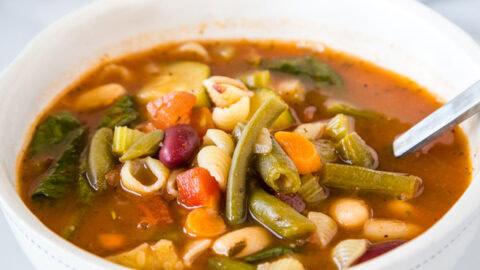
Olive Garden Minestrone Soup Recipe: When you think of Olive Garden, the first thing that comes to mind (besides breadsticks, of course) is their delicious soups. Among the classics, Minestrone soup stands out as one of the most beloved. This hearty Italian vegetable soup has a reputation for being both comforting and healthy, making it the perfect starter or even a light meal on its own. What makes Olive Garden’s Minestrone so special is its perfect balance of vegetables, beans, pasta, and herbs all swimming in a rich tomato broth.
Why This Soup is So Popular
The reason people adore Olive Garden’s Minestrone is simple—it feels like home in a bowl. Unlike heavy cream-based soups, Minestrone is light yet filling. The combination of tender vegetables, beans, and pasta gives you different textures in every bite. Plus, it’s naturally vegetarian-friendly, which makes it a versatile dish that appeals to everyone. Many diners even order this soup as part of the “Soup, Salad, and Breadsticks” deal, making it a staple comfort food at Olive Garden.
A Brief History of Minestrone Soup
Minestrone isn’t just another Italian soup—it’s a piece of Italian history. Its roots date back to ancient Rome, when people cooked whatever vegetables were in season in a simple broth. Over the years, the recipe evolved, with each region in Italy putting its own twist on it. Olive Garden’s version takes inspiration from this tradition but adapts it to American tastes with just the right seasoning and consistency. The beauty of Minestrone lies in its flexibility—no two batches are ever the same because it always reflects what’s fresh and available.
Ingredients You’ll Need
Now let’s dive into the fun part—the ingredients! To recreate Olive Garden’s Minestrone Soup at home, you’ll need a colorful mix of fresh vegetables, beans, pasta, and a rich broth.
Fresh Vegetables
Vegetables are the heart of Minestrone soup. For this recipe, you’ll need:
- Onion – adds depth and sweetness when sautéed.
- Celery – provides a crunchy base flavor.
- Carrots – natural sweetness to balance the acidity of tomatoes.
- Zucchini – a classic vegetable in Minestrone for freshness.
- Spinach or Kale – leafy greens that wilt into the broth.
- Tomatoes – canned diced tomatoes work best for consistency.
Each of these vegetables contributes not only flavor but also nutrients, making the soup rich in vitamins and minerals.
Beans and Legumes
Beans make this soup hearty and satisfying. You’ll need:
- Kidney beans – firm and slightly sweet.
- Cannellini beans (or Great Northern beans) – creamy and mild.
These beans add protein, fiber, and a creamy texture that makes the soup filling without the need for meat.
Pasta
Olive Garden typically uses small pasta shapes that don’t overpower the vegetables. Options include:
- Ditalini – small, tube-shaped pasta.
- Elbow macaroni – a great substitute if ditalini isn’t available.
Pasta gives the soup a chewy texture that balances the softness of the vegetables.
Broth and Seasonings
The broth brings everything together. You’ll need:
- Vegetable broth – the base of the soup.
- Tomato paste – enhances richness.
- Italian seasoning – a blend of oregano, thyme, basil, and rosemary.
- Garlic – fresh or minced, for that signature Italian flavor.
- Salt and pepper – to taste.
Optional: Add a pinch of red pepper flakes if you like a little heat.
Kitchen Tools and Preparation Tips
Cooking Minestrone soup doesn’t require fancy gadgets, but a few essential tools can make the process easier and smoother.
Essential Tools for the Recipe
- Large soup pot or Dutch oven – deep enough to hold all the ingredients.
- Wooden spoon – perfect for stirring without scratching the pot.
- Sharp knife and cutting board – for prepping all the vegetables.
- Ladle – for serving.
Preparation Tips for Perfect Minestrone
- Chop vegetables evenly – This ensures they cook at the same rate.
- Use fresh herbs if available – Fresh basil or parsley at the end gives the soup a bright flavor.
- Don’t overcook the pasta – Pasta continues cooking in hot broth, so add it at the end.
- Taste as you go – Olive Garden’s soup is all about balance. Adjust seasonings gradually.
- Simmer gently – A low, steady simmer helps flavors meld without turning veggies mushy.
Step-by-Step Guide to Making Olive Garden Minestrone Soup
Now that you have your ingredients and tools ready, it’s time to bring it all together.
Step 1 – Sauté the Aromatics
Start by heating olive oil in your pot. Add diced onions, carrots, celery, and garlic. Sauté until fragrant and softened. This step is the foundation of your soup’s flavor.
Step 2 – Add Vegetables and Broth
Next, stir in the zucchini and canned tomatoes. Pour in the vegetable broth, then add tomato paste and Italian seasoning. Bring the mixture to a gentle boil.
Step 3 – Add Beans and Pasta
Once the broth is simmering, add the beans and pasta. Stir well so the pasta doesn’t stick together.
Step 4 – Season and Simmer
Season with salt, pepper, and optional red pepper flakes. Let the soup simmer until the pasta is cooked al dente and vegetables are tender.
Step 5 – Serve and Garnish
Finally, stir in spinach or kale right before serving. Garnish with fresh parsley or a sprinkle of Parmesan cheese (optional). Serve hot with crusty bread or breadsticks.
Tips to Customize Your Minestrone Soup
One of the best things about Minestrone soup is its flexibility. While Olive Garden’s version is iconic, you can easily tweak it to suit your preferences, dietary needs, or whatever ingredients you already have at home. Here are some ideas to help you personalize your soup while keeping that delicious Italian flavor intact.
Making It Gluten-Free
If you’re sensitive to gluten or simply want a lighter version, you can easily adapt this recipe. Instead of regular pasta, use gluten-free pasta varieties made from rice, corn, or quinoa. Another option is to skip the pasta altogether and replace it with cauliflower florets or zucchini noodles (zoodles) for a low-carb, gluten-free twist. Keep in mind that gluten-free pasta tends to cook faster, so add it closer to the end of cooking to prevent it from getting too soft and mushy.
Adding Protein Options
Minestrone is naturally vegetarian-friendly, but you can boost the protein if you’d like to make it more filling. Some delicious protein add-ins include:
- Chicken breast or turkey – diced and cooked right in the broth.
- Italian sausage – adds a rich, savory depth.
- Ground beef – for a heartier, chili-like consistency.
- Tofu or tempeh – a plant-based alternative for vegetarians and vegans.
For those who want a complete one-pot meal, these additions turn your Minestrone into a protein-packed powerhouse.
Low-Carb Variations
If you’re watching carbs, don’t worry—you can still enjoy Minestrone! Instead of pasta and beans, bulk up the soup with more low-carb vegetables such as cauliflower, broccoli, or bell peppers. You could also use shirataki noodles or konjac noodles for a carb-free pasta substitute. These still give you that chewy texture without the carbs.
Another trick is to add more leafy greens like spinach, kale, or Swiss chard. They not only reduce carbs but also give your soup an extra dose of vitamins and minerals.
Nutritional Value of Olive Garden Minestrone Soup
One of the reasons Minestrone soup is so well-loved is because it’s as nutritious as it is tasty. Let’s take a closer look at the nutritional profile of Olive Garden’s version.
Calorie Breakdown
On average, one serving (about 1 cup) of Olive Garden Minestrone Soup contains:
- Calories: 110–150
- Protein: 4–6 grams
- Carbohydrates: 18–22 grams
- Fiber: 4–6 grams
- Fat: 2–3 grams
This makes it an excellent option for anyone looking for a light but satisfying meal. The balance of carbs, protein, and fiber helps keep you full without making you feel heavy.
Health Benefits of Ingredients
- Vegetables: Rich in vitamins A, C, and K, along with antioxidants that boost immunity.
- Beans: A great plant-based source of protein and fiber, which helps with digestion and heart health.
- Tomatoes: Packed with lycopene, an antioxidant linked to heart health and reduced cancer risk.
- Leafy greens: High in iron, calcium, and folate.
The best part? This soup is naturally low in fat and cholesterol-free, making it a heart-healthy choice. It’s a perfect recipe for anyone trying to maintain a balanced diet without sacrificing flavor.
Storage and Reheating Tips
Like many soups, Minestrone tastes even better the next day as the flavors deepen. However, proper storage is key to keeping it fresh and delicious.
How to Store in Refrigerator
- Let the soup cool to room temperature before storing.
- Transfer it into airtight containers.
- Store in the fridge for up to 4–5 days.
For best results, store the pasta separately. Pasta tends to soak up broth over time, so if you’re making a big batch, keep cooked pasta in a separate container and add it to the soup just before reheating.
Freezing Minestrone Soup
Yes, you can freeze Minestrone! Here’s how:
- Skip the pasta if you plan to freeze it (you can always add fresh pasta later).
- Pour cooled soup into freezer-safe containers or heavy-duty freezer bags.
- Label with the date and freeze for up to 3 months.
When you’re ready to eat, thaw overnight in the fridge or use the defrost setting on your microwave.
Best Reheating Methods
- Stovetop: Warm gently over medium heat, stirring occasionally.
- Microwave: Heat in a microwave-safe bowl in 1–2 minute intervals, stirring between each.
- Slow Cooker: Reheat on low for 1–2 hours if serving for a crowd.
A little trick—add a splash of broth or water when reheating to refresh the soup, especially if the pasta has soaked up some liquid.
Common Mistakes to Avoid
Even though Minestrone soup is a simple recipe, a few common mistakes can affect the final flavor and texture. Here’s what to watch out for:
Overcooking the Pasta
One of the most frequent mistakes is leaving the pasta in the soup for too long. Pasta continues to cook in hot liquid, so if you add it too early, it turns mushy. To prevent this, always cook pasta until just al dente and remove the pot from heat once it’s done.
Not Seasoning Properly
Minestrone relies on simple ingredients, so seasoning is critical. If you don’t salt your soup gradually, it can end up tasting bland. Always taste as you cook and adjust with salt, pepper, or even a splash of lemon juice to brighten the flavors.
Using Too Much Liquid
It’s easy to go overboard with broth. Minestrone should be hearty and full of chunky vegetables, not watery. Start with less broth and add more only if needed. Remember, vegetables release water as they cook, so the soup naturally thins out.
By avoiding these mistakes, you’ll get a perfectly balanced bowl every single time.
Perfect Pairings with Minestrone Soup
Soup is always better when served with something on the side. Olive Garden pairs their Minestrone with breadsticks and salad, but at home, you have endless options to elevate your meal.
Bread and Side Dishes
- Garlic bread or breadsticks – perfect for dipping into the broth.
- Focaccia bread – Italian flatbread infused with herbs.
- Crusty sourdough – adds a rustic touch.
Salad Combinations
- Classic Caesar Salad – crunchy, creamy, and refreshing.
- Caprese Salad – tomatoes, mozzarella, and basil for an Italian flair.
- Mixed Green Salad – a lighter option with balsamic vinaigrette.
Drinks to Pair With
- Red wine like Chianti or Merlot pairs beautifully with the tomato base.
- White wine like Pinot Grigio if you prefer something lighter.
- Sparkling water with lemon for a refreshing non-alcoholic choice.
Together, these pairings turn your Minestrone into a restaurant-worthy dining experience right at home.
FAQs about Olive Garden Minestrone Soup Recipe
1. Can I Make Minestrone Soup Ahead of Time?
Yes! In fact, Minestrone soup tastes even better the next day as the flavors have more time to meld. Just be sure to store it properly in an airtight container in the fridge and reheat gently before serving.
2. Can I Use Frozen Vegetables?
Absolutely. Frozen vegetables are a great time-saver and work well in Minestrone. Just add them directly to the soup—no need to thaw. They’ll cook quickly in the hot broth.
3. How Long Does It Last in the Fridge?
When stored in the refrigerator, Minestrone soup lasts about 4–5 days. If you want to keep it longer, freezing is the best option.
4. Can I Make It in a Slow Cooker?
Yes, Minestrone is perfect for a slow cooker. Simply add all ingredients (except pasta and greens) and cook on low for 6–8 hours or high for 3–4 hours. Add pasta and greens in the last 30 minutes so they don’t overcook.
5. What’s the Best Pasta Shape for Minestrone Soup?
Traditionally, ditalini is the pasta of choice because of its small, bite-sized shape. However, you can use elbow macaroni, small shells, or even broken spaghetti if that’s what you have on hand.
Conclusion
The beauty of Minestrone lies in its versatility. You can make it vegetarian, add protein, go gluten-free, or swap in whatever seasonal vegetables you have on hand. Plus, it’s budget-friendly and easy to make in large batches. With just a little effort, you’ll have a pot of soup that tastes like it came straight from Olive Garden’s kitchen—without the restaurant bill.
So, grab your ingredients, roll up your sleeves, and get cooking. Trust me, once you taste this homemade version, you’ll find yourself making it over and over again. Pair it with some crusty bread or a fresh salad, and you’ve got yourself a complete meal that’s both comforting and nourishing.