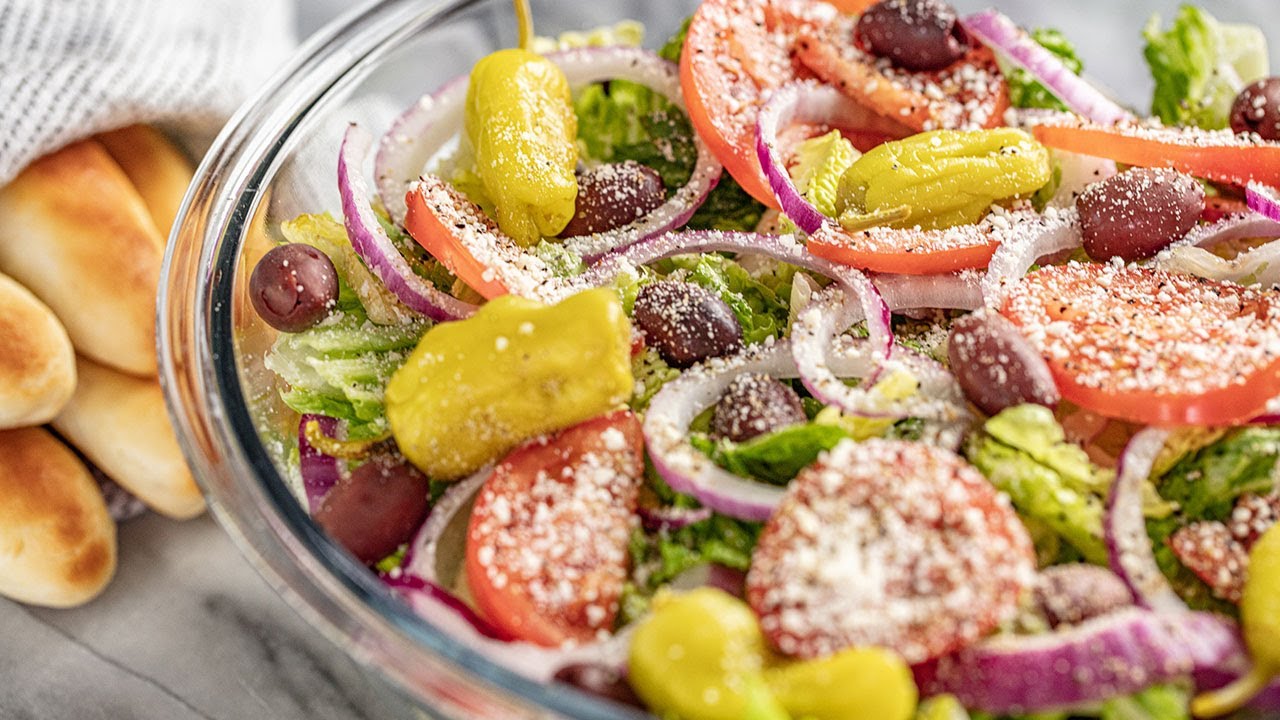
Olive Garden Dressing Recipe: You know that tangy, creamy, zesty dressing that turns a simple bowl of lettuce and tomatoes into a crave-worthy salad? Yep, we’re talking about Olive Garden’s signature salad dressing.
It’s a blend of Italian herbs, vinegar, cheese, and just enough sweetness to keep you coming back for more. The best part? You can absolutely make this magic at home, and it’s easier than you think.
Why People Love Olive Garden Salad Dressing
Olive Garden’s salad is iconic—but let’s be real, the real star is the dressing. It’s not your basic vinaigrette. It’s rich, tangy, slightly creamy, and bursting with Italian flavors. Whether you’re dining in or taking out, the dressing always leaves you wanting more. It’s versatile too. Use it on sandwiches, pasta salads, or as a marinade. Fans love it because it walks that perfect line between zesty and smooth, with just enough sweetness and spice.
The Secret Behind the Flavor
So, what makes Olive Garden’s dressing so irresistible? It’s all about the balance. A little sugar cuts the acidity. Romano cheese adds depth. Garlic and onion give it a savory base, while lemon and vinegar brighten the whole thing up. Add Italian seasoning, and you’ve got the unmistakable taste of Olive Garden right in your kitchen.
The real secret? Mayo. That’s right—it gives the dressing a slight creaminess and binds the flavors together. Add in a touch of oil, and you’ve nailed the texture.
Is This the Real Recipe?
While the exact Olive Garden dressing recipe is a closely guarded secret, the version you’re about to learn comes incredibly close to the real deal. After testing countless versions and comparing them to the original, this homemade recipe delivers the flavor and texture fans love. Many even say it tastes better than what comes out of the bottle!
List of Ingredients You’ll Need
Let’s break it down. Here’s what you’ll need to create your own Olive Garden-style dressing from scratch.
Basic Pantry Ingredients
- 1/2 cup mayonnaise – This gives the dressing a creamy texture.
- 1/3 cup white vinegar – The base acid that adds tang.
- 1 tablespoon vegetable oil – A neutral oil works best.
- 2 tablespoons corn syrup or sugar – Adds sweetness.
- 2 tablespoons grated Romano cheese – Signature cheesy taste.
- 1 teaspoon garlic powder – Adds depth and flavor.
- 1 teaspoon onion powder – Balances the garlic and adds complexity.
- 1/2 teaspoon salt – Brings everything together.
- 1/2 teaspoon pepper – For a little kick.
- 1/4 teaspoon Italian seasoning – A mix of oregano, thyme, basil, etc.
- 1 tablespoon lemon juice – Adds freshness.
Special Ingredients for Authentic Flavor
- Parmesan or Romano blend (optional) – Adds extra cheesy punch.
- Xanthan gum (optional, pinch) – If you want that slightly thick, smooth texture just like the bottled kind.
- Buttermilk powder (optional) – Adds a tangy dairy note without watering it down.
Tools & Equipment You’ll Need
You don’t need fancy gear to make this magic happen:
- Mixing bowl
- Whisk or immersion blender
- Measuring cups & spoons
- Airtight jar or bottle for storage
- Funnel (if you want to pour it neatly)
Step-by-Step Guide to Making Olive Garden Dressing
Step 1: Gather All Ingredients
Before you start, make sure you’ve got everything ready and measured. This recipe moves fast, so having ingredients prepped will save you time and avoid missing a step. Lay everything out on your countertop and prep your mixing bowl or blender.
Step 2: Mix the Dry Ingredients
In a medium bowl, combine:
- Garlic powder
- Onion powder
- Salt
- Pepper
- Italian seasoning
- Grated Romano cheese
Give them a quick whisk to blend. Mixing dry spices first ensures they’ll distribute evenly and prevents clumps.
Step 3: Add the Wet Ingredients
Now, pour in:
- Mayonnaise
- Vinegar
- Oil
- Lemon juice
- Corn syrup (or sugar)
Add them directly to your bowl with the dry mix. If you’re using optional ingredients like buttermilk powder or xanthan gum, toss them in now.
Step 4: Whisk or Blend Until Smooth
This part’s important. Whisk vigorously until the mixture becomes smooth, thick, and creamy. If you’re using a blender or immersion blender, pulse until everything is well combined and emulsified.
You want a smooth, pourable texture—not too runny, not too thick. Think “creamy vinaigrette,” not ranch.
Step 5: Taste and Adjust Seasoning
Time to fine-tune. Taste the dressing. Is it too tangy? Add a pinch more sugar. Too thick? Add a tiny splash of water. Need more zing? A few more drops of lemon juice can help.
This is where you make it your own. Trust your taste buds.
Step 6: Chill Before Serving
Once your dressing is done, pour it into a sealed jar or bottle and pop it in the fridge for at least 30 minutes to 1 hour. This helps the flavors meld and gives you that signature Olive Garden taste. Cold dressing also clings better to salad leaves.
Tips for Perfect Olive Garden Dressing Every Time
Want to nail it like a pro every single time? These tips will take your homemade Olive Garden dressing to the next level:
- Use fresh grated cheese: Pre-packaged Romano or Parmesan is fine, but freshly grated cheese gives a richer, more authentic taste.
- Don’t skip the mayo: It might sound strange, but it’s the secret ingredient for that creamy, tangy flavor. Avoid substitutes unless necessary.
- Balance your sweetness and acidity: Depending on the brand of vinegar you use, you might need to adjust the sugar. Taste and tweak.
- Let it rest: Seriously—chilling is not optional. The flavor transforms after it sits for a while. Even better the next day!
- Blend, don’t stir (if possible): A blender or immersion blender will give you that ultra-smooth texture like the bottled version.
- Use quality ingredients: The better the vinegar, oil, and cheese, the better your dressing will taste. It really makes a difference.
How to Store Homemade Dressing
Once your dressing is ready, you’ll want to store it properly to keep it tasting fresh.
- Use a glass jar or bottle: It keeps the dressing cooler and helps preserve the flavor.
- Store in the fridge: Since it contains mayo and cheese, refrigeration is a must.
- Shake before using: Natural separation happens, especially with oil-based dressings. Give it a good shake or stir before pouring.
Keep it tightly sealed, and always use a clean spoon if you’re scooping some out. Cross-contamination = quick spoilage.
Shelf Life of Homemade Dressing
Homemade Olive Garden dressing will stay fresh for about 7–10 days in the refrigerator. After that, the taste and texture might start to decline. Here are a few signs it’s time to toss it:
- It smells sour or off
- The texture becomes curdled or clumpy
- There’s visible mold or discoloration
To extend shelf life, avoid double-dipping and always use clean utensils. You can also freeze it, but keep in mind the texture might change slightly when thawed.
How to Serve Olive Garden Dressing
So now you’ve got a jar full of homemade goodness—how do you use it?
Salads That Pair Perfectly
This dressing shines on a crisp, garden-style salad, especially when you recreate the Olive Garden vibe at home:
- Romaine or iceberg lettuce
- Cherry tomatoes
- Thinly sliced red onions
- Black olives
- Pepperoncini
- Shredded carrots
- Croutons
- Freshly grated Parmesan
Toss everything with the dressing just before serving so it doesn’t wilt. Want a meal? Add grilled chicken or shrimp on top.
Other Creative Uses
Yep, this dressing is way more versatile than you’d think:
- Marinade for chicken or shrimp – The acidity helps tenderize meat.
- Pasta salad – Toss it with cold pasta, veggies, and olives for a quick side dish.
- Sandwich spread – Use it in place of mayo or mustard.
- Pizza drizzle – Sounds weird? Try it on veggie or chicken pizza—it’s a game changer.
- Dip for breadsticks or raw veggies – Move over ranch, there’s a new dip in town.
Is It Healthier Than Store-Bought?
In many ways, yes. When you make it at home, you control everything—the sugar, the sodium, the fats. Most bottled dressings have preservatives, artificial flavors, and way too much sodium.
By making it yourself, you get a fresher product with no mystery ingredients. You can also lighten it up if needed by using:
- Low-fat mayo
- Greek yogurt
- Less sugar
- Reduced-fat cheese
So yes—it’s not just tastier, it can also be way better for you.
Nutritional Info (Approximate)
Here’s a quick look at what you’re getting in a 2-tablespoon serving:
| Nutrient | Amount (Approximate) |
|---|---|
| Calories | 120–130 |
| Total Fat | 12g |
| Saturated Fat | 2g |
| Cholesterol | 5mg |
| Sodium | 270mg |
| Total Carbohydrates | 3–4g |
| Sugars | 2g |
| Protein | 1g |
Keep in mind: these numbers vary depending on your exact ingredients.
Common Mistakes to Avoid
- Using low-quality ingredients – It really affects the final taste.
- Skipping the chill time – It won’t taste right straight from the bowl.
- Over-mixing cheese – It can clump. Add slowly and mix gently.
- Using olive oil – This might sound surprising, but it can overpower the flavor. Stick to a neutral oil.
- Not adjusting seasoning – Always taste and adjust before chilling.
How to Make It Vegan or Dairy-Free
Yup, you can still enjoy this dressing if you’re dairy-free or vegan. Here’s how:
- Use vegan mayo – Tons of great options out there.
- Skip the cheese – Or use a dairy-free Parmesan or nutritional yeast for a cheesy note.
- Check your sugar – Some sugars aren’t vegan; use agave or maple syrup instead.
The flavor is slightly different, but still delicious and satisfying.
Can You Make It Keto or Low-Carb?
Absolutely. With just a few tweaks, this dressing fits right into a keto or low-carb lifestyle.
- Use keto mayo – Look for sugar-free versions made with avocado oil.
- Replace sugar/corn syrup with erythritol or monk fruit sweetener
- Use fresh cheese – Parmesan or Romano are naturally low in carbs.
In the end, you’ll have a creamy, zesty dressing with almost zero net carbs. Win!
FAQs about Olive Garden Dressing Recipe
1. Can I use olive oil instead of vegetable oil?
Technically, yes—but it may change the flavor. Olive oil has a stronger taste and might overpower the delicate balance of the dressing.
2. How long does homemade Olive Garden dressing last?
Store it in the fridge, and it should stay fresh for up to 7–10 days.
3. Can I freeze this dressing?
You can, but freezing might alter the texture. It’s best enjoyed fresh or stored in the fridge.
4. What if I don’t have Romano cheese?
Parmesan works as a great substitute. You can also mix both for added flavor.
5. Is this dressing gluten-free?
Yes! As long as your mayo, vinegar, and cheese are gluten-free, this recipe is safe for gluten-sensitive diets.
Conclusion
So there you have it—your complete guide to recreating the iconic Olive Garden salad dressing at home. With just a handful of pantry ingredients and a few minutes of your time, you can whip up a dressing that rivals the restaurant version. Whether you’re drizzling it over a big fresh salad, using it as a marinade, or dipping your breadsticks in it, this dressing is a game changer.
You’re not just saving money—you’re unlocking flavor. Give it a try, taste the difference, and never settle for boring bottled dressing again.