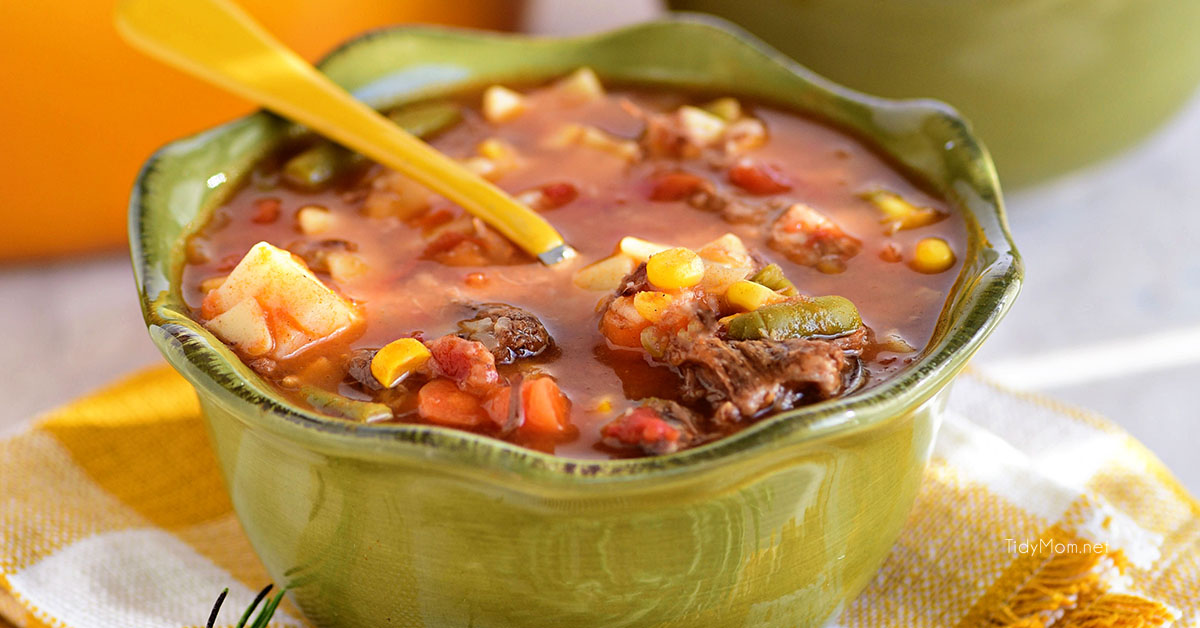
Old Fashioned Vegetable Beef Soup Recipe: There’s something special about a steaming bowl of soup that brings warmth and comfort after a long day. Among the many soup recipes that have stood the test of time, old fashioned vegetable beef soup has earned its place as a true classic. It’s not just a meal; it’s a reminder of Sunday dinners at grandma’s table, the aroma filling the kitchen, and the comforting taste of homemade goodness. This soup blends tender beef with hearty vegetables, simmered in a rich broth that develops flavor over time.
Unlike quick-fix soups, this one requires a little patience, but the result is worth every step. The flavors meld beautifully, and each spoonful is packed with a balanced mix of protein, fiber, and nutrients. Whether you’re making it for a family dinner, preparing it in bulk to freeze for later, or cooking it as a remedy for a chilly day, this soup is both nourishing and satisfying.
Let’s dive deeper into why this dish has remained a favorite for generations.
Why This Soup Stands the Test of Time
When we think of traditional home cooking, vegetable beef soup often comes to mind. Its popularity isn’t just about taste; it’s about practicality. This soup was a staple during times when families had to stretch their ingredients to feed many mouths. A small portion of beef could be transformed into a filling, flavorful meal when paired with seasonal vegetables and a slow-cooked broth.
Another reason it’s stood the test of time is its adaptability. Depending on what was in the garden or pantry, families would adjust the recipe. Fresh carrots in spring, green beans in summer, or root vegetables in winter—this soup changed with the seasons while keeping its essence intact.
Most importantly, it’s budget-friendly. A single pot can feed an entire family and still leave leftovers for the next day, making it economical and efficient.
The Comfort Factor of Homemade Soup
Soup has a way of bringing people together. There’s an emotional connection to homemade soup that store-bought varieties simply can’t replicate. The slow simmering process fills the home with rich aromas that trigger feelings of warmth and nostalgia.
In many households, this soup was more than just food—it was tradition. Passed down through generations, each family would add its own twist. For some, it meant adding corn for sweetness, while others swore by a dash of Worcestershire sauce for depth.
Beyond nostalgia, this soup provides genuine comfort for the body. Packed with nutrient-rich vegetables and slow-cooked beef, it’s hearty enough to be a meal on its own. During cold winters or when someone in the family was under the weather, this soup became the go-to remedy.
Ingredients You’ll Need
Before jumping into the cooking process, let’s gather everything required. The beauty of this recipe lies in its simplicity and flexibility. You don’t need exotic spices or complicated techniques—just fresh, wholesome ingredients that come together in harmony.
Core Ingredients
Here’s the list of essentials you’ll need to create the classic version:
- Beef Stew Meat – Around 1 ½ to 2 pounds. Chuck roast or stew beef works best as it becomes tender when simmered.
- Beef Broth – 6 to 8 cups, homemade or store-bought.
- Carrots – 3 to 4 medium, peeled and sliced.
- Celery – 2 to 3 stalks, chopped.
- Onion – 1 large, diced.
- Potatoes – 2 to 3 medium, cut into cubes.
- Tomatoes – 1 can (14 oz) diced or 2 fresh ripe tomatoes.
- Green Beans – 1 cup, fresh or frozen.
- Corn Kernels – 1 cup, fresh, frozen, or canned.
- Peas – 1 cup, fresh or frozen.
- Garlic – 3 to 4 cloves, minced.
- Seasonings – Salt, black pepper, bay leaves, thyme, and parsley.
- Olive Oil or Butter – For browning the beef.
Optional Add-ins for Extra Flavor
Want to give your soup a personal touch? Here are some optional extras:
- Cabbage – Adds sweetness and texture.
- Barley or Rice – Makes the soup more filling.
- Parsnips or Turnips – For an earthy twist.
- Worcestershire Sauce – A splash deepens the flavor.
- Red Pepper Flakes – Adds a subtle kick.
Substitutions for Dietary Needs
If you’re cooking for dietary restrictions, don’t worry—this soup can be customized.
- Gluten-Free – Skip barley and use rice or quinoa instead.
- Low-Sodium – Use low-sodium broth and adjust salt levels.
- Vegetarian Version – Replace beef with beans or lentils and use vegetable broth.
- Low-Carb/Keto – Omit potatoes and corn, and stick with leafy greens and low-carb veggies.
Step-by-Step Guide to Making Vegetable Beef Soup
Now that we have our ingredients ready, it’s time to roll up our sleeves and start cooking. This recipe is straightforward, but it does require patience for the best results.
Preparing the Beef
The first step is to brown the beef. This is crucial because it builds a flavor foundation.
- Heat a tablespoon of olive oil or butter in a large soup pot or Dutch oven.
- Add the beef pieces in batches (avoid overcrowding).
- Sear each side until golden brown—this caramelization locks in flavor.
- Remove the beef and set aside.
Prepping the Vegetables
While the beef rests, prepare your vegetables.
- Dice onions, slice carrots and celery, and cube the potatoes.
- Mince garlic for aromatic depth.
- If using fresh beans or corn, trim and cut them into bite-size pieces.
This preparation ensures smooth cooking later.
Cooking Process Explained
Now comes the heart of the recipe:
- In the same pot used for beef, sauté onions, celery, and garlic until softened.
- Add browned beef back to the pot.
- Pour in the beef broth, diced tomatoes, and bay leaves.
- Bring to a boil, then reduce to a simmer.
- Let it cook for about 60–90 minutes until beef is tender.
- Add carrots, potatoes, and beans. Continue cooking until veggies are soft (about 30 minutes).
- Stir in corn, peas, and any leafy greens last to retain color and texture.
- Season with salt, pepper, and herbs.
The slow simmering ensures the beef becomes tender while the vegetables absorb the rich broth flavors.
Slow Cooker vs. Stovetop Method
This recipe works perfectly on both stovetop and slow cooker.
- Stovetop Method – Ready in about 2 hours, requiring occasional stirring.
- Slow Cooker Method – Add all ingredients (except peas and corn) and cook on low for 7–8 hours or high for 4–5 hours. Stir in peas and corn 30 minutes before serving.
The slow cooker version is more hands-off, while the stovetop gives you more control over texture.
Tips for the Best Vegetable Beef Soup
Even a simple recipe can be elevated with the right techniques. Here’s how to make your soup even better:
Getting the Perfect Flavor Balance
- Sear the Beef Properly – Don’t rush this step. Browning adds depth.
- Layer Seasoning – Add salt in stages, not just at the end.
- Use Fresh Herbs – Parsley, thyme, or rosemary enhance freshness.
- Acidity Balance – A splash of vinegar or lemon juice at the end brightens the flavor.
Storage and Freezing Tips
This soup tastes even better the next day as flavors meld.
- Refrigeration – Store in airtight containers for up to 4 days.
- Freezing – Cool completely, then freeze in portions for up to 3 months.
- Reheating – Warm gently on the stove to preserve texture.
Serving Suggestions
A bowl of old fashioned vegetable beef soup is a meal on its own, but pairing it with the right sides can take the dining experience to another level. Think of it as creating a whole comfort-food spread—warm, hearty, and deeply satisfying.
What to Serve Alongside
- Freshly Baked Bread or Rolls – Nothing beats dipping a crusty piece of bread into the rich broth. Cornbread, sourdough, or garlic bread are excellent options.
- Side Salad – A light green salad with vinaigrette adds a refreshing crunch and balances the heaviness of the soup.
- Grilled Cheese Sandwich – A childhood favorite that pairs beautifully with soups of all kinds.
- Pickles or Fermented Veggies – These add a tangy bite that cuts through the richness of the beef.
- Baked Potatoes – If you love hearty meals, serve your soup alongside baked potatoes topped with butter and chives.
Creative Garnishing Ideas
Garnishes not only make the soup more visually appealing but also add bursts of flavor.
- Freshly chopped parsley or cilantro
- A sprinkle of grated Parmesan cheese
- Crushed crackers or homemade croutons
- A drizzle of extra-virgin olive oil
- A pinch of red chili flakes for spice
Variations of Vegetable Beef Soup
One of the best things about this recipe is how versatile it is. You can adjust it to your taste, cultural traditions, or dietary preferences. Let’s explore a few variations.
Classic Southern Style
The southern version of this soup often includes okra, lima beans, and corn, giving it a slightly different texture and a naturally sweet taste. A dash of hot sauce or cayenne pepper adds a bit of heat, making it extra comforting on cold nights.
Hearty Barley Version
Adding pearled barley turns this soup into an even more filling dish. Barley adds a chewy texture, nutty flavor, and extra nutrients like fiber and magnesium. If you want a soup that sticks to your ribs and keeps you full for hours, this version is perfect.
Low-Carb and Keto-Friendly Variation
For those following a low-carb or keto diet, skip the potatoes, corn, and peas. Instead, load up on zucchini, spinach, mushrooms, and cauliflower. The broth remains rich, and the beef provides plenty of protein while keeping carbs minimal.
Common Mistakes to Avoid
Even though this recipe is simple, there are a few pitfalls that can affect the final result. Let’s look at the most common mistakes and how to avoid them.
Overcooking the Vegetables
Vegetables like peas, corn, and green beans cook quickly. If you add them too early, they’ll turn mushy and lose their vibrant color. Always add these near the end of the cooking process to keep them fresh and flavorful.
Using the Wrong Cut of Beef
Not all beef cuts are suitable for soup. Lean cuts dry out quickly and become tough, while fatty cuts add too much grease. The best choice is chuck roast or stew beef because they break down into tender, juicy bites after slow cooking. Skipping this detail can make the difference between a chewy mess and melt-in-your-mouth goodness.
Nutritional Value of Vegetable Beef Soup
Homemade vegetable beef soup is not just delicious; it’s also packed with nutrition. Let’s break it down.
Protein and Fiber Content
- The beef provides high-quality protein, essential for muscle repair and energy.
- The vegetables add dietary fiber, which improves digestion and keeps you feeling full longer.
- If you include barley, beans, or lentils, the fiber and protein content goes even higher, making this soup an excellent balanced meal.
Vitamins and Minerals Packed Inside
Each spoonful of soup delivers a mix of nutrients:
- Carrots – Vitamin A for eye health.
- Potatoes – Potassium for blood pressure regulation.
- Tomatoes – Vitamin C and antioxidants.
- Green Beans & Peas – Iron, folate, and vitamin K.
- Beef – Iron, zinc, and B vitamins.
This soup isn’t just comfort food—it’s also a powerhouse of nutrition, perfect for boosting immunity and supporting overall health.
Why Homemade Soup Beats Canned Soup
Sure, grabbing a can of soup is convenient, but once you compare it with homemade, the difference is clear.
Flavor Comparison
Canned soups often taste flat and overly salty because they rely on preservatives. Homemade soup, on the other hand, is fresh, customizable, and full of natural flavor. The beef browning, the fresh vegetables, and the herbs create layers of taste that no canned version can match.
Health Benefits
Homemade soup allows you to control everything that goes into the pot. You can reduce sodium, avoid preservatives, and increase the amount of fresh vegetables. It’s healthier, fresher, and more satisfying. Plus, you can make a big batch at home for the same price (or cheaper) than buying multiple cans.
FAQs about Old Fashioned Vegetable Beef Soup Recipe
1. Can I make vegetable beef soup ahead of time?
Yes! In fact, the flavors develop even better overnight. Store it in the fridge and reheat gently on the stove the next day.
2. How long does it last in the fridge?
Properly stored in an airtight container, it lasts up to 4 days in the refrigerator.
3. Can I freeze vegetable beef soup?
Absolutely. Cool completely before transferring to freezer-safe containers. It lasts up to 3 months in the freezer.
4. What cut of beef works best?
Chuck roast or stew beef is ideal because it becomes tender and flavorful when simmered slowly.
5. How do I thicken vegetable beef soup?
You can thicken the soup by mashing a few potatoes directly in the broth or adding a slurry of flour and water.
Conclusion
An old fashioned vegetable beef soup is more than just a recipe—it’s a tradition, a comfort food, and a nutrient-rich meal all in one. With tender beef, hearty vegetables, and a rich, flavorful broth, it’s a dish that can warm hearts and fill stomachs. Whether you stick to the classic version or experiment with variations, this soup will never disappoint.
Cooking it may take time, but that’s part of what makes it so special. Every simmer, every aroma, every taste is a reminder that good food is worth the wait.
So next time you’re craving a hearty meal, skip the canned stuff and make a big pot of this homemade goodness—you’ll be glad you did!