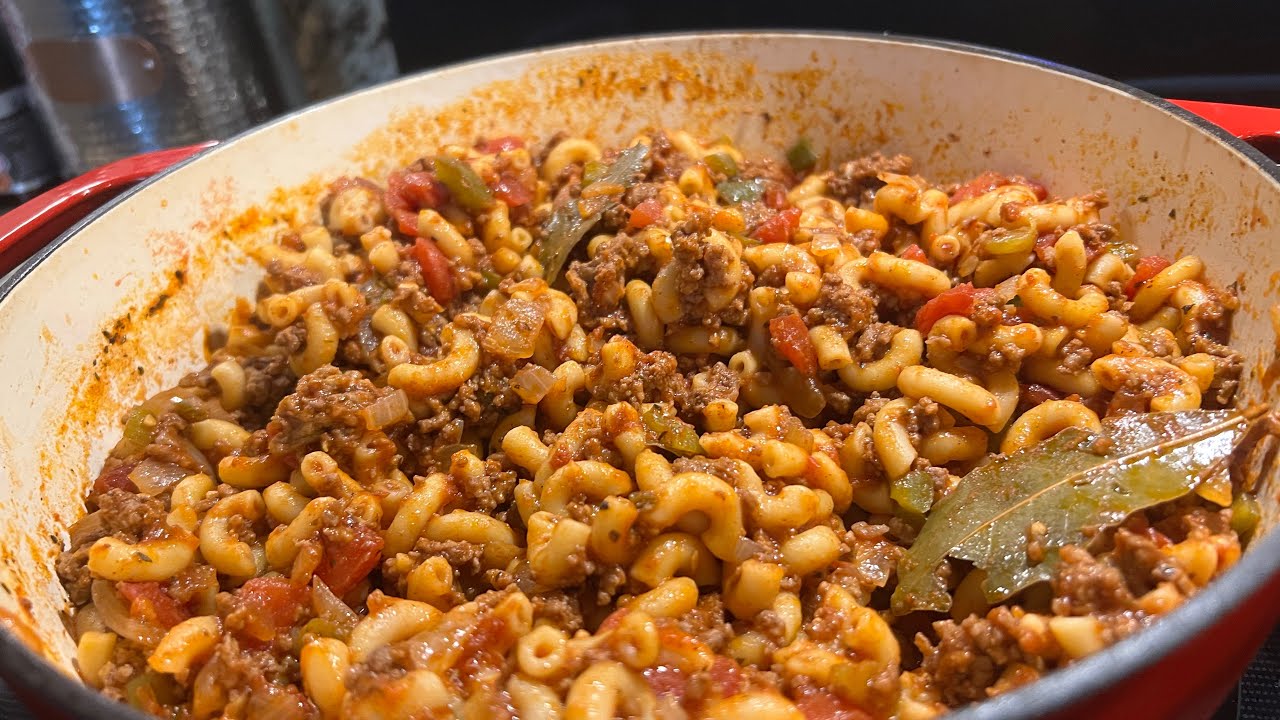
Old Fashioned Goulash Recipe: There’s something undeniably comforting about a big bowl of old-fashioned goulash—a warm, hearty dish that’s been a staple in kitchens for generations. Whether it’s served at a family gathering or made on a chilly evening, this simple, flavorful recipe brings people together with its rich aroma and nostalgic taste.
What is Goulash?
At its core, goulash is a savory stew traditionally made with beef, vegetables, and paprika-spiced tomato sauce. Originating from Hungary, it evolved over time into the American-style version we know today—featuring ground beef, elbow macaroni, and a flavorful tomato base. It’s the ultimate comfort food, combining the heartiness of pasta with the richness of slow-cooked meat.
The History Behind This Comfort Food Classic
Hungarian herdsmen first created goulash centuries ago as a portable meal they could cook over an open fire. Over time, the dish traveled to different parts of Europe and eventually to the United States, where it was adapted using readily available ingredients. The American version is simpler but just as satisfying—a delicious blend of affordability, convenience, and taste that has stood the test of time.
Why You’ll Love This Recipe
If you’re looking for an easy, one-pot dinner that’s both comforting and full of flavor, this old-fashioned goulash is exactly what you need. It’s made with pantry staples, cooks in under an hour, and reheats beautifully. Plus, it’s kid-friendly, freezer-friendly, and completely customizable to your taste preferences.
Ingredients You’ll Need
A great goulash starts with simple, wholesome ingredients. Here’s everything you’ll need to bring this classic dish to life.
Core Ingredients for Authentic Flavor
- 1 pound ground beef (80/20 preferred) – For rich, juicy flavor.
- 1 medium onion, chopped – Adds a sweet, aromatic depth.
- 2 cloves garlic, minced – Essential for that classic savory kick.
- 2 cups elbow macaroni (uncooked) – The perfect pasta for absorbing sauce.
- 2 cups tomato sauce – Forms the base of the dish.
- 1 can (14.5 oz) diced tomatoes – Adds texture and freshness.
- 1 cup beef broth or water – Helps to simmer everything together.
- 1 tablespoon Worcestershire sauce – Enhances umami richness.
- 2 teaspoons paprika – A nod to the dish’s Hungarian roots.
- 1 teaspoon Italian seasoning – For a balanced herbal note.
- Salt and pepper to taste – For seasoning balance.
Optional Add-Ons and Substitutions
- Green bell pepper – For extra crunch and flavor.
- Shredded cheddar cheese – Makes it creamy and indulgent.
- Ground turkey or sausage – A lighter or spicier twist.
- Whole wheat or gluten-free pasta – For dietary preferences.
Ingredient Preparation Tips
- Chop vegetables uniformly for even cooking.
- Pre-measure spices to streamline the cooking process.
- Use lean ground beef if you prefer a lighter dish—just drain excess fat.
- Fresh garlic is always better than powdered for authentic flavor.
Kitchen Tools You’ll Need
Before you start, make sure you have the right tools on hand.
Essential Cooking Utensils
- Large skillet or Dutch oven
- Wooden spoon or spatula
- Measuring cups and spoons
- Strainer for draining pasta
- Cutting board and knife
Recommended Cookware for Best Results
A heavy-bottomed pot or cast-iron Dutch oven works best for retaining heat and ensuring even cooking. If you’re cooking for a crowd, use a deep skillet or pot to prevent splattering while stirring.
Step-by-Step Guide to Making Old Fashioned Goulash
Now, let’s walk through how to make this delicious meal from scratch. Follow each step carefully to ensure that your goulash comes out flavorful and perfectly balanced.
Step 1: Preparing the Meat and Vegetables
Start by dicing your onion and mincing your garlic. If you’re adding bell peppers or other vegetables, chop those now too. Preparation is key—it makes the cooking process smoother and faster once the stove is on.
Step 2: Browning the Ground Beef
In a large skillet or Dutch oven, heat a tablespoon of oil over medium heat. Add the ground beef and break it apart with a wooden spoon. Cook until the meat turns brown and slightly crispy around the edges. Drain any excess grease to prevent the dish from becoming oily.
As the beef cooks, toss in the chopped onions and garlic. The onions should turn translucent, and the garlic should release its aroma—this is where your kitchen starts smelling incredible.
Step 3: Adding Spices and Seasonings
Once your beef, onions, and garlic are nicely browned, it’s time to build the flavor foundation of your old-fashioned goulash. Sprinkle in paprika, Italian seasoning, salt, and black pepper. Stir everything well so that the seasonings coat every bit of meat evenly. This step is crucial because it infuses the beef with that deep, savory taste goulash is famous for.
Add Worcestershire sauce next. This underrated ingredient gives your goulash a subtle tang and that unmistakable umami richness, making the sauce taste slow-cooked even if you’re preparing it in under an hour.
Pro Tip: If you prefer a spicier kick, you can add a pinch of red pepper flakes or a small amount of cayenne pepper. But if you’re cooking for kids, stick to the traditional mild flavor.
As the spices cook, the aroma will fill your kitchen—this is where the magic starts to happen. Keep stirring for another 2–3 minutes to allow the flavors to meld beautifully before adding the wet ingredients.
Step 4: Mixing in Tomatoes and Sauce
Now it’s time to create the rich tomato base that ties everything together. Pour in your tomato sauce, diced tomatoes, and beef broth (or water). Stir until everything is combined into a smooth, flavorful sauce.
At this stage, you’ll see the goulash beginning to take form—thick, hearty, and full of color. Reduce the heat to low, cover the pot, and let it simmer for 10–15 minutes. This helps the flavors develop and the beef to tenderize even more.
If you like your goulash thicker, let the sauce simmer uncovered for a few extra minutes to reduce. On the other hand, if you prefer it saucier, you can add a bit more broth or water.
Taste the sauce before moving on to the next step—this is the perfect moment to adjust seasonings. You might add a little more salt, pepper, or paprika depending on your taste. Remember, goulash is a comfort dish, so balance and personal preference are everything.
Step 5: Cooking the Macaroni
In a separate pot, bring salted water to a boil and cook your elbow macaroni until it’s just al dente (slightly firm to the bite). Don’t overcook it—since the pasta will continue cooking once combined with the sauce, it’s better to leave it a bit firmer.
Once done, drain the pasta and rinse it lightly under warm water to stop the cooking process. If you want a richer texture, skip the rinse so the starch helps thicken the goulash sauce.
Pro Tip: You can use rotini, penne, or shell pasta as alternatives if you don’t have elbow macaroni. However, the traditional recipe calls for elbow pasta because it perfectly absorbs the sauce without becoming mushy.
Step 6: Combining and Simmering Everything Together
Now comes the most satisfying part—combining everything into one hearty masterpiece. Add the cooked macaroni to your simmering sauce and stir well to coat each piece with the rich, flavorful mixture.
Let it cook together on low heat for another 5–10 minutes, allowing the flavors to meld and the sauce to slightly thicken. The pasta should soak up all the delicious juices from the beef and tomatoes, creating that classic old-fashioned goulash texture.
If you want it creamier, stir in a handful of shredded cheddar cheese or a spoonful of sour cream before serving. For a little extra kick, sprinkle some fresh parsley or paprika on top for color and flavor.
By now, your kitchen will smell heavenly—a mix of tomato, garlic, and spices that instantly makes you feel at home. Once everything is perfectly blended, turn off the heat and let it rest for 5 minutes before serving. This short rest helps the sauce set and the flavors become even richer.
Tips for Perfect Goulash Every Time
Every home cook has their own way of making goulash special, but a few universal tips can ensure perfection every single time.
Balancing the Flavors
The secret to a perfect goulash is in the balance of spices and acidity. If your dish tastes too tangy from the tomatoes, add a teaspoon of sugar to mellow it out. On the other hand, if it feels too mild, another dash of paprika or Worcestershire sauce can bring it back to life.
Getting the Right Texture
The texture of goulash should be thick, hearty, and stew-like—not watery or dry. If it’s too thin, simmer a bit longer with the lid off. If it’s too thick, add a small amount of broth until you reach your desired consistency.
Storage and Reheating Tips
Goulash actually tastes even better the next day because the flavors have more time to blend. Store leftovers in an airtight container and refrigerate for up to 4 days. To reheat, add a splash of water or broth to loosen the sauce and warm it gently on the stove or in the microwave. You can also freeze goulash for up to 3 months—just thaw it overnight in the fridge before reheating.
Pro Tip: If freezing, avoid overcooking the pasta. Slightly undercooked pasta holds up better when reheated.
Variations of Old Fashioned Goulash
While the classic recipe is timeless, goulash is wonderfully versatile. You can adjust it based on your tastes or dietary needs while keeping the soul of the dish intact.
Hungarian-Style Goulash
The traditional Hungarian goulash is more of a stew than a pasta dish. It uses chunks of beef instead of ground meat, slow-cooked with onions, carrots, potatoes, and a generous amount of paprika. There’s no macaroni here—just tender meat simmered in a rich, paprika-infused broth.
American-Style Goulash
The version we’re making today is the American-style goulash, which is quicker and simpler. It uses ground beef, tomato sauce, and pasta for a complete one-pot meal. It’s comfort food at its finest—less spicy than its Hungarian cousin but just as hearty and flavorful.
Vegetarian Goulash Option
For a meatless version, substitute the beef with lentils, mushrooms, or plant-based crumbles. You’ll still get that satisfying texture and deep flavor without any meat. Add extra veggies like zucchini, peas, or bell peppers for a nutrient-packed twist.
Serving Suggestions
Now that your old-fashioned goulash is ready, it’s time to think about presentation and accompaniments. While this dish is hearty enough to stand alone, pairing it with the right sides and drinks can elevate the entire dining experience.
What to Serve with Goulash
Because goulash is rich, savory, and tomato-based, it pairs beautifully with lighter or mildly flavored sides. Here are some ideas to complete your meal:
- Crusty Bread or Garlic Toast: Perfect for soaking up every last bit of that delicious sauce. The contrast of crunchy bread and soft pasta creates the ultimate comfort combo.
- Fresh Green Salad: A simple salad with lettuce, cucumbers, cherry tomatoes, and a light vinaigrette adds a refreshing touch to balance the richness of the goulash.
- Steamed Vegetables: Broccoli, green beans, or peas are excellent sides that add both nutrition and color to your plate.
- Mashed Potatoes or Rice: If you’re looking for a heavier meal, serve your goulash over creamy mashed potatoes or fluffy white rice.
- Pickles or Sauerkraut: These tangy sides are often served with Hungarian goulash for contrast and a little extra bite.
If you want to impress guests, serve the goulash in deep bowls topped with a sprinkle of cheddar cheese and a dash of paprika for color. Add a sprig of fresh parsley or basil on top for a restaurant-style finish.
Best Drinks to Pair With It
The rich flavors of goulash pair best with beverages that balance the spices and acidity:
- Red Wine: A light Merlot or Pinot Noir complements the tomato and beef beautifully.
- Beer: A crisp lager or amber ale enhances the savory notes.
- Iced Tea or Lemonade: Great for a casual family dinner, offering a refreshing contrast.
- Sparkling Water with Lemon: For a lighter option, this helps cleanse the palate between bites.
Whether you’re hosting a dinner or enjoying a quiet night in, the right sides and drinks will transform your goulash from a simple dish to a full, comforting experience.
Nutritional Information
While old-fashioned goulash is a comfort food, it can also be surprisingly balanced when made thoughtfully. Here’s a general nutritional breakdown for a standard serving (approximately 1½ cups):
| Nutrient | Amount (Approx.) |
|---|---|
| Calories | 380–420 kcal |
| Protein | 25g |
| Carbohydrates | 45g |
| Fat | 12–15g |
| Fiber | 4g |
| Sodium | 750mg |
These values can vary depending on ingredient brands and preparation methods, but they give you a good idea of what to expect.
Calories and Macronutrients
The majority of calories come from the beef and pasta, with protein making up a significant portion. It’s filling and satisfying, making it a complete one-pot meal. If you want to make it a bit lighter, consider using lean ground beef, whole wheat pasta, or reduced-sodium tomato sauce.
How to Make It Healthier
- Add More Vegetables: Incorporate diced carrots, zucchini, or spinach for added fiber and nutrients.
- Use Lean Meat: Choose 90/10 ground beef or ground turkey for less fat without losing flavor.
- Control the Sodium: Opt for low-sodium broth and no-salt-added tomatoes.
- Whole Grain Pasta: Boosts fiber and keeps you full longer.
- Cheese Alternatives: Use low-fat cheese or skip it altogether to reduce calories.
Even with these tweaks, you’ll still enjoy the hearty, traditional flavor that makes goulash so beloved.
Common Mistakes to Avoid
Even though old-fashioned goulash is simple, a few small missteps can affect the texture or taste. Here are the top mistakes to watch out for and how to fix them:
- Overcooking the Pasta: This is the number one mistake. Remember, pasta continues to cook in the sauce. Always keep it al dente before mixing.
- Not Draining the Beef Properly: Too much grease can make your goulash heavy and oily. Always drain excess fat after browning the meat.
- Adding Too Much Liquid: If you overdo the broth or tomatoes, your goulash might turn soupy. Simmer uncovered if it becomes too thin.
- Skipping the Simmering Step: Goulash needs a few minutes of simmering to let the flavors come together. Rushing this process leads to a flat-tasting dish.
- Underseasoning: Tomato-based dishes often need more salt and spice than you think. Taste as you go and adjust accordingly.
By avoiding these pitfalls, you’ll achieve that perfect balance of rich sauce, tender pasta, and bold flavors every time.
FAQs about Old Fashioned Goulash Recipe
1. Can I make goulash ahead of time?
Absolutely! Goulash tastes even better the next day because the flavors have time to deepen. Store it in the fridge for up to 4 days and reheat on the stove or in the microwave.
2. What’s the best pasta for goulash?
Elbow macaroni is the classic choice, but you can also use shells, rotini, or penne. Just make sure it’s short pasta that holds sauce well.
3. Can I freeze old-fashioned goulash?
Yes! Let it cool completely before transferring to a freezer-safe container. It can be frozen for up to 3 months. Thaw overnight in the fridge before reheating.
4. What’s the difference between Hungarian and American goulash?
Hungarian goulash is a thick stew made with chunks of beef, potatoes, and paprika. American goulash uses ground beef, tomatoes, and pasta—quicker to make and more like a pasta casserole.
5. How long can goulash last in the refrigerator?
When stored properly in an airtight container, goulash lasts up to 4 days. Reheat it gently on the stove to maintain its texture and flavor.
Conclusion
There’s something timeless about old-fashioned goulash—a dish that feels like a warm hug in a bowl. Whether you’re cooking it for your family on a weeknight or making a big pot for a gathering, its blend of simple ingredients and bold flavors never fails to satisfy.
This recipe captures everything we love about traditional comfort food: hearty ground beef, tender pasta, and a rich tomato sauce infused with spices. It’s economical, easy to make, and tastes even better the next day.
So, grab your skillet, gather your ingredients, and bring this nostalgic favorite back to your dinner table. With this step-by-step guide, you’re guaranteed a foolproof goulash that will earn you compliments from everyone who tastes it.