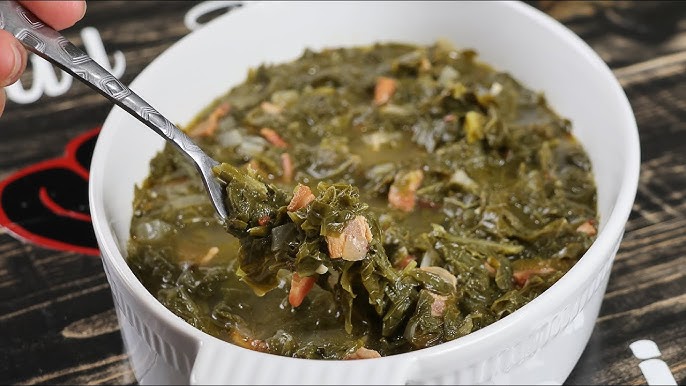
Mustard Greens Recipe: Looking to add a punch of flavor and a powerhouse of nutrients to your meals? Let me introduce you to the magic of mustard greens. These leafy greens are bold, slightly peppery, and totally underrated in the world of cooking. They’re a southern staple, a vegan favorite, and a must-have for anyone who loves flavor-packed veggies.
So why should mustard greens make their way into your kitchen? Simple: they’re inexpensive, they cook quickly, and they can soak up spices like a sponge. Whether you’re cooking them down with smoky turkey legs or sautéing them with garlic and a drizzle of olive oil, they’re bound to make your plate more interesting.
In this guide, we’ll walk through everything you need to know — from choosing the best bunch of greens at the market to cooking them into something absolutely mouthwatering. Let’s get started!
Health Benefits of Mustard Greens
Mustard greens aren’t just tasty — they’re also ridiculously good for you. Think of them as leafy superheroes packed with antioxidants, fiber, and essential vitamins that your body loves. Want to feel lighter, more energized, and support your immune system at the same time? These greens are your go-to.
They’re especially high in:
- Vitamins A, C, and K – for skin, bones, and immunity
- Folate and fiber – to support digestion and heart health
- Glucosinolates – natural compounds that may help your body detox
What’s even better? They’re low in calories but big in flavor. This makes them perfect for anyone trying to eat cleaner or cut down on processed foods. And because they’re naturally peppery, you don’t need to drown them in sauces or fats to make them taste good.
If you’re trying to mix up your greens beyond kale or spinach, mustard greens deserve a try. Your body (and your taste buds) will thank you.
Different Ways to Cook Mustard Greens
Mustard greens are super versatile, and depending on how you cook them, they can taste completely different. Here are a few popular styles:
Southern-Style Mustard Greens
Slow-simmered with smoked meats like ham hocks or turkey legs, southern-style greens are full of savory, smoky depth. They’re comfort food at its best.
Sautéed with Garlic and Olive Oil
This is the quick and healthy method. Just a few minutes in a hot skillet with garlic, and you’ve got a side dish bursting with flavor.
Indian-Inspired with Spices
In Indian cuisine, mustard greens (called sarson ka saag) are often cooked with ginger, garlic, and spices like cumin and turmeric. The result? A rich, earthy flavor that pairs perfectly with flatbreads.
However you choose to make them, mustard greens bring bold flavor and flexibility to the table.
List of Ingredients You’ll Need
You don’t need a ton of fancy stuff to make delicious mustard greens. Keep it simple and flavorful.
Fresh Ingredients:
- 1–2 bunches of fresh mustard greens (about 1.5–2 lbs)
- 1 medium onion (chopped)
- 4 cloves garlic (minced)
- 1 smoked turkey leg or ham hock (optional for southern-style)
- 1–2 tbsp olive oil or butter
- 4 cups low-sodium chicken or vegetable broth
Pantry Staples:
- Salt (to taste)
- Black pepper
- Crushed red pepper flakes (for heat)
- Apple cider vinegar or lemon juice (for tang)
- Sugar (optional – just a pinch to balance bitterness)
You can also get creative and add things like smoked paprika, bay leaves, or even hot sauce depending on your taste!
How to Choose and Prepare Fresh Mustard Greens
Not all mustard greens are created equal. If you want the tastiest dish possible, it all starts at the store or farmers market.
Tips for Selecting the Best Greens:
- Look for vibrant, deep green leaves with no yellowing or spots.
- The leaves should be firm, not floppy, and free of slime or wilting.
- Avoid greens with tough or woody stems — these will be harder to cook down.
Cleaning and Chopping Techniques:
Mustard greens tend to hold onto dirt and grit. Here’s how to clean them right:
- Fill your sink or a large bowl with cold water.
- Soak the greens and swish them around to loosen dirt.
- Lift them out of the water (don’t pour — that just redistributes the grit).
- Repeat this process 2–3 times until the water stays clear.
Once they’re clean, trim off the thick stems and chop the leaves into bite-sized pieces. Now you’re ready to cook!
Step-by-Step Guide to Cooking Mustard Greens
Alright, now for the good stuff. Here’s your easy, foolproof guide to making mustard greens like a pro.
Step 1: Washing the Greens Thoroughly
As mentioned, these greens can hide a LOT of dirt. Give them a good soak — preferably twice. Dirt doesn’t taste good, trust me.
Step 2: Chopping and Prepping
After removing the stems, chop the leaves into smaller pieces. They’ll wilt a lot as they cook, so don’t worry about them looking bulky at first.
Step 3: Sautéing the Aromatics
In a large pot, heat olive oil over medium heat. Add chopped onion and cook until softened (about 5 minutes). Add the minced garlic and cook another minute until fragrant.
Step 4: Adding the Mustard Greens
Start adding the greens in handfuls. They’ll seem like a lot, but they’ll cook down quickly. Stir to coat them in the oil and aromatics.
Step 5: Simmering and Softening the Greens
Pour in your broth (enough to mostly cover the greens), and if using, add in the smoked meat. Bring everything to a simmer and cook for about 30–40 minutes until tender.
Step 6: Seasoning to Perfection
Now’s the time to flavor it up! Add salt, black pepper, red pepper flakes, and a dash of vinegar or lemon juice. Taste as you go — mustard greens should be bold, not bland.
Step 7: Optional Add-Ins for Flavor Boost
Feeling fancy? Throw in a pinch of sugar, a dash of hot sauce, or a bit of smoked paprika. This is where you can make the recipe your own.
Best Seasonings and Spices for Mustard Greens
Let’s talk flavor — because mustard greens are naturally peppery and bold, they don’t need much to taste amazing. But with the right seasonings? Game-changer.
Top Seasonings That Work Like Magic:
- Garlic & Onion: The classic combo. They provide a savory base that tames the bitterness.
- Crushed Red Pepper Flakes: For a touch of heat that wakes up your taste buds.
- Smoked Paprika: Adds warmth and a subtle smokiness without needing meat.
- Apple Cider Vinegar or Lemon Juice: A splash of acid brightens everything up. Think of it like a squeeze of citrus on grilled fish — it just works.
- Salt & Pepper: Essential for drawing out the natural flavors.
- Sugar (optional): Just a small pinch can balance bitterness, especially if you’re not using smoked meat.
Spices to Experiment With:
- Cumin and Turmeric: Give your greens an earthy twist — perfect for Indian-style dishes.
- Mustard Seeds: If you really want to double down on that mustard flavor.
- Bay Leaves: Great for long simmers in broth, especially with southern-style greens.
The key is balance. Too many spices can overpower the greens. Taste as you go and trust your gut — you’ll know when it hits just right.
Pro Tips for Perfect Mustard Greens
Want to cook mustard greens like someone who’s done it a hundred times? These simple tricks will level up your game:
1. Don’t Skip the Wash
Grit is real. These leaves grow close to the soil and trap dirt. If you skip a proper wash, you’ll bite into sand. Not fun.
2. Use Enough Liquid
Whether you’re going full-on southern with broth and smoked meat or keeping it light with just olive oil and garlic, moisture helps break down the fibers and soften the greens.
3. Don’t Overcook
Yes, you want them tender — but too long on the stove, and you’ll end up with a mushy, flavorless mess. Aim for 30–40 minutes for simmered and 8–10 minutes for sautéed.
4. Add Acid at the End
A splash of apple cider vinegar or lemon juice just before serving makes the flavors pop. It balances bitterness and brings a little sparkle to every bite.
5. Cook Them With Love (and a Lid)
Keeping the pot covered while simmering helps steam the greens and preserve flavor. If you want richer broth, cook uncovered during the last few minutes to reduce the liquid.
These greens are forgiving, but with these tips, you’ll get perfect results every time.
Mustard Greens Serving Suggestions
Now that you’ve made your mustard greens, how should you serve them? Well, that depends on your vibe:
As a Southern Side Dish: Serve them alongside fried chicken, meatloaf, or baked pork chops. Add some cornbread on the side to soak up that flavorful broth (aka “pot liquor”).
With Rice or Grits: Try them over a bed of rice, creamy grits, or even mashed potatoes. The greens + grain combo is super satisfying.
In Soups and Stews: Add chopped mustard greens to your favorite soup base — they’re great in white bean stew, lentil soup, or chicken and veggie broths. Just toss them in during the last 10–15 minutes of cooking.
In Grain Bowls: Pair sautéed greens with quinoa, roasted veggies, and a soft-boiled egg for a healthy, Instagram-worthy lunch bowl.
Tucked in Wraps or Tacos:Leftover sautéed mustard greens? Roll them into a wrap with some grilled chicken or tofu, avocado, and hot sauce. Boom — lunch is done.
Storing and Reheating Mustard Greens
Cooked too much? Lucky you — mustard greens taste even better the next day. Here’s how to keep them fresh:
Storing in the Fridge:
- Let them cool completely before transferring to an airtight container.
- Store in the refrigerator for up to 4 days.
- Reheat on the stovetop over low heat, or microwave in a covered bowl with a splash of water.
Freezing for Later:
- Cool and portion the greens into freezer-safe bags or containers.
- Squeeze out extra air to avoid freezer burn.
- Freeze for up to 3 months.
- Thaw overnight in the fridge or reheat directly from frozen on the stove with a bit of broth.
Pro tip: Freeze in single-serving sizes so you can thaw only what you need.
Mustard Greens Substitutes
Can’t find mustard greens at your store? No worries — there are several leafy alternatives that cook up similarly and taste great too.
Great Substitutes:
- Collard Greens: Milder and slightly sweeter; takes a bit longer to cook.
- Turnip Greens: Peppery like mustard greens, but slightly less bitter.
- Kale: Especially curly kale — similar in texture and quick to cook.
- Swiss Chard: Less spicy, but cooks down nicely and adds great color.
- Spinach: Super fast to cook, though much milder in taste and texture.
Just remember: each green has its own personality. You might need to tweak cooking time or seasoning slightly to match.
Mistakes to Avoid When Cooking Mustard Greens
Even though mustard greens are pretty forgiving in the kitchen, there are a few pitfalls you’ll want to avoid if you want the best results. These common mistakes can turn your delicious greens into a dish that’s just…meh.
1. Overcooking the Greens
Let’s be real — nobody wants a pile of mush. If you simmer mustard greens for too long, especially without enough liquid, you’ll lose the vibrant color, texture, and flavor. Instead, aim for tender but not falling apart. For sautéed greens, 8–10 minutes is enough. For simmered southern-style greens, about 30–40 minutes is the sweet spot.
2. Not Using Enough Seasoning
Mustard greens have a bold flavor, but they still need the right balance of salt, acid, and spice. If you skip seasoning or try to keep it too plain, they’ll taste flat or overly bitter. Don’t be shy with garlic, vinegar, or a dash of spice.
3. Skipping the Acid
This is the one step people often forget — and it makes a HUGE difference. A splash of apple cider vinegar or lemon juice at the end cuts the bitterness and lifts the whole dish. It’s like adding lime to tacos or lemon to seafood — total flavor upgrade.
4. Forgetting to Wash Properly
We’ve said it already, but it’s worth repeating: mustard greens hide a lot of dirt. If you don’t wash them well, you’re going to crunch into sand, and no amount of seasoning will save that.
5. Using Too Much Oil or Fat
While it’s tempting to pour on the butter or bacon grease, too much fat can weigh the dish down. A tablespoon or two is enough to add richness without drowning the flavor of the greens.
Keep these tips in mind, and your mustard greens will be full of flavor, texture, and soul.
FAQs about Mustard Greens Recipe
Can You Eat the Stems?
Technically, yes — but they can be very tough, especially on mature greens. You can either remove them completely or chop them finely and sauté first to soften them before adding the leaves.
Why Do Mustard Greens Taste Bitter?
That peppery bitterness is part of their charm. But if it’s too much, try adding a splash of vinegar or lemon juice — or a small pinch of sugar. Both balance the bitterness beautifully.
Do You Need to Boil Before Cooking?
Nope! As long as you cook them low and slow with liquid, there’s no need to pre-boil. Boiling is sometimes done to reduce bitterness, but it’s totally optional.
Can You Mix Mustard Greens With Other Greens?
Absolutely. Try mixing mustard greens with kale, collards, or spinach. This gives you a blend of textures and flavors — and it’s a great way to use up whatever’s in your fridge.
5. Do you have to remove the stems?
Not necessarily, but it’s recommended for older, tougher greens. The stems can be fibrous and hard to chew if not cooked long enough. If you’re short on time, go ahead and remove them before cooking.
Conclusion
Mustard greens might not be the flashiest vegetable in the produce aisle, but once you cook them right, they’re unforgettable. They’ve got that earthy, peppery bite that stands up to bold flavors — making them perfect for slow-cooked southern dishes, quick garlic sautés, and everything in between.
Whether you’re here for the health benefits, the comfort-food factor, or just want to try something new, mustard greens deliver every time. They’re easy to cook, super versatile, and ridiculously satisfying when seasoned just right. Plus, with a few basic ingredients and a bit of patience, you can turn this humble green into something you’ll crave again and again.
So next time you’re staring at those leafy greens at the market — don’t walk past them. Pick up a bunch, bring them home, and cook them like a pro with this step-by-step guide.