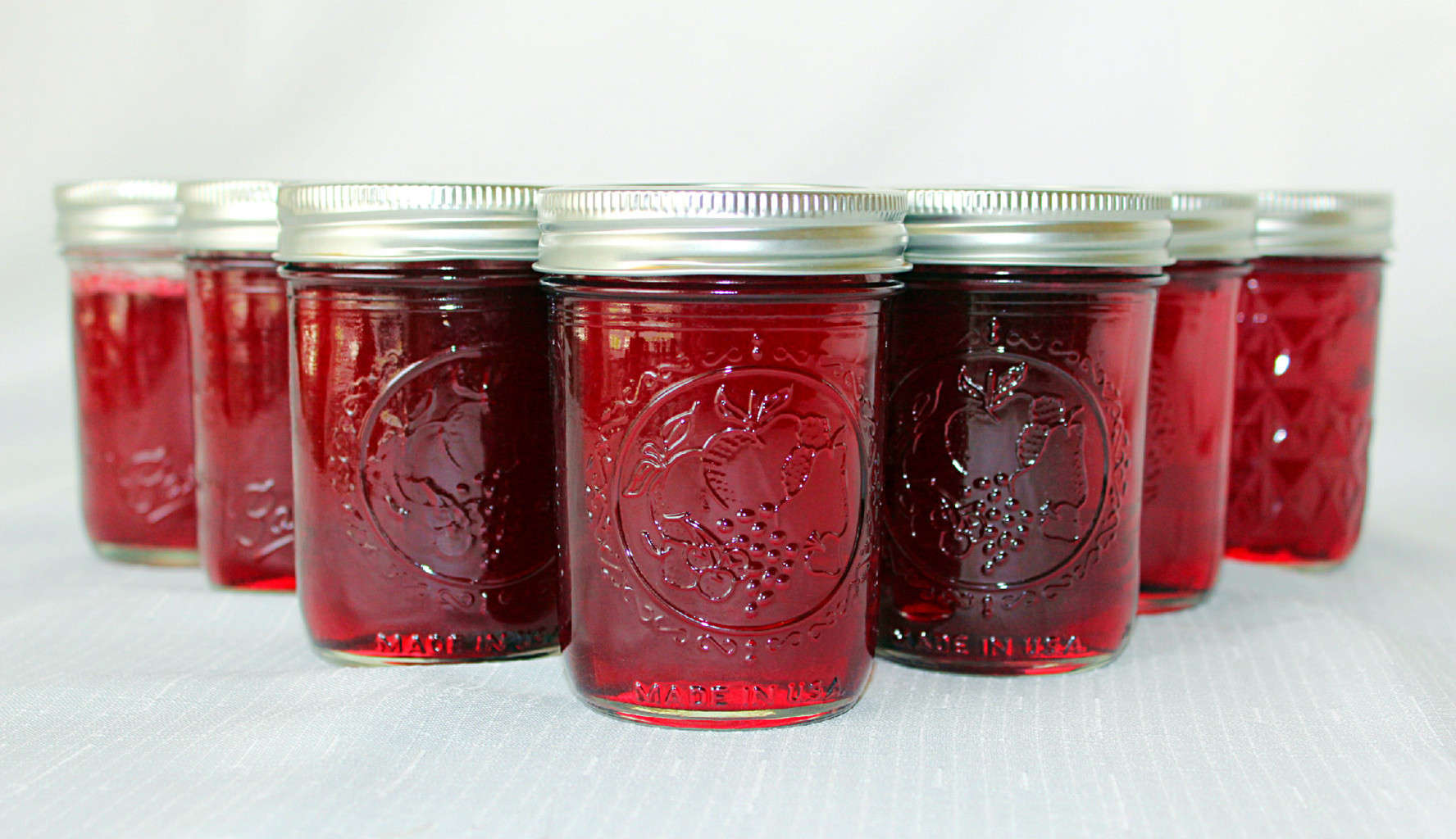
Muscadine Jelly Recipe: Imagine spreading a deep purple, glossy jelly on warm toast—the sweet, slightly tart burst of flavor that instantly brings the Southern summer to your table. That’s muscadine jelly, and today, we’re diving deep into how you can make this classic Southern delight at home. Whether you have access to wild muscadines or pick some up at a local farmer’s market, this recipe will walk you through every step in detail.
Let’s get started!
What Are Muscadine Grapes?
Muscadine grapes are native to the southeastern United States and are prized for their rich, unique flavor and deep color. Unlike typical table grapes, muscadines have thick skins and a robust, earthy sweetness that sets them apart.
Origins and History
The muscadine grape (Vitis rotundifolia) dates back centuries, with cultivation starting as early as the 16th century in North America. These grapes are exceptionally suited to warm, humid climates and grow abundantly in the South. Native Americans used muscadines for food, medicine, and wine.
Flavor Profile
Muscadines have a sweet, sometimes musky taste, with a burst of juicy pulp inside their thick skin. They come in colors ranging from green-bronze (called Scuppernongs) to deep purple. This unique flavor makes them perfect for jelly, as the sugar balances their naturally tangy, bold taste.
Why Make Homemade Muscadine Jelly?
There’s something magical about making jelly from scratch. It’s more than just cooking—it’s bottling memories and flavors that can last all year long.
Health Benefits
Muscadine grapes are rich in antioxidants, particularly resveratrol and ellagic acid. These compounds are known for supporting heart health, boosting the immune system, and even fighting off some chronic diseases.
Cost-Effective and Delicious
Buying gourmet jelly can get expensive, especially for specialty varieties like muscadine. Making your own jelly at home costs a fraction of store-bought options and allows you to control the sweetness and ingredients.
When Is the Best Time to Make Muscadine Jelly?
Timing is everything in jelly making.
Seasonality of Muscadine Grapes
Muscadines are typically harvested from late August to early October, depending on the region. This is the perfect window for jelly making, while the grapes are at their freshest and most flavorful.
Ingredients You’ll Need
Let’s break down the simple but essential ingredients.
Core Ingredients
- 5 cups muscadine juice (from approx. 6–7 lbs of grapes)
- 6 cups granulated sugar
- 1 packet (1.75 oz) powdered fruit pectin (or equivalent liquid pectin)
- 1/2 tsp unsalted butter (optional – helps reduce foaming)
Optional Add-ins
- Lemon juice (for a touch of acidity)
- Cinnamon or cloves (for a warm spice note)
- Honey (to replace part of the sugar)
Every ingredient plays its role, and tweaking them slightly can change the texture or taste of your jelly. Stick with the core list if it’s your first time.
Equipment You’ll Need
Having the right tools can make or break your jelly-making adventure.
Essential Tools
- Large stainless steel pot
- Jelly strainer or cheesecloth
- Canning jars (half-pint or pint)
- Lids and rings
- Jar lifter and funnel
- Ladle
- Tongs
Optional Tools for Ease
- Candy or jelly thermometer
- Canner or large stockpot for water bath processing
- Food mill (for seed removal)
- Juicer or steam juicer
Most of these tools are reusable and a great investment if you plan on making jams or jellies regularly.
Preparing the Muscadine Grapes
Before any cooking happens, your grapes need to be cleaned and prepped properly.
Washing and Sorting
Rinse the grapes thoroughly under cold water. Remove any stems, leaves, or shriveled grapes. A good batch of jelly starts with the best fruit—ripe, plump, and firm.
Removing Seeds
Muscadines have thick skins and large seeds. You can cut the grapes and scoop the pulp into a separate bowl to cook and strain later. This extra step makes a noticeable difference in the clarity and texture of your jelly.
How to Extract Juice from Muscadine Grapes
This step is where the real magic begins—turning fruit into a deep purple juice.
Boiling Method
- Place the prepared grapes in a large pot.
- Add just enough water to cover the bottom (¼ cup).
- Bring to a boil and then simmer for 10–15 minutes, mashing occasionally.
- Pour the cooked fruit into a jelly bag or cheesecloth-lined colander.
- Let it drain for several hours or overnight.
Using a Juicer
If you have a steam juicer or electric juicer, this process becomes easier. Steam juicers extract juice and separate pulp and skin in one step.
Step-by-Step Guide to Making Muscadine Jelly
Now that you’ve got your juice ready, it’s time to dive into the fun part—making the jelly! This step-by-step guide will walk you through everything from preparing the jars to sealing them up for long-term storage.
Step 1: Sterilize Your Jars
Begin by washing your jars and lids in hot, soapy water. Place the jars in a pot of boiling water for 10 minutes to sterilize them. Keep them hot until ready to fill so they don’t crack when the jelly goes in.
Step 2: Prepare the Juice
Rinse the muscadine grapes thoroughly, then place them in a large pot with enough water to barely cover. Bring to a boil and mash the grapes as they soften. Simmer for 10–15 minutes, then strain through cheesecloth or a fine sieve without pressing. This ensures a clear jelly.
Step 3: Mix Ingredients
Measure 5 cups of muscadine juice into a clean pot. Add 1 box of powdered pectin and bring to a full rolling boil. Stir constantly to prevent sticking.
Step 4: Cook the Jelly
Add 7 cups of sugar all at once and stir until dissolved. Bring the mixture back to a full rolling boil and cook for 1 minute. The jelly should thicken slightly and become glossy.
Step 5: Test the Set
Place a small spoonful on a chilled plate. If it wrinkles when pushed, it’s ready. If not, boil another minute.
Step 6: Fill and Seal Jars
Ladle hot jelly into hot jars, leaving ¼-inch headspace. Wipe rims, apply lids, and process in a boiling water bath for 5 minutes. Cool and store.
How to Test If Jelly Is Set Properly
Getting the perfect jelly texture isn’t always easy—here’s how to know if you’ve nailed it.
Spoon Test (aka The Sheet Test)
Dip a clean, cold metal spoon into the jelly. Hold it sideways over the pot. If the jelly forms two drops that merge into a “sheet” and fall off together, it’s ready.
Plate Test
Place a small plate in the freezer before you start cooking. When you think the jelly is done, spoon a bit onto the cold plate and let it sit for 30–60 seconds. Push it with your finger—if it wrinkles slightly, it’s set.
Thermometer Method
If you want precision, a candy thermometer will take out the guesswork. You’re looking for a temperature of 220°F (104°C).
How to Store Muscadine Jelly
Proper storage ensures your jelly lasts for months—or even longer.
Shelf Life and Refrigeration
- Sealed jars: Store in a cool, dark place. They’ll last 12–18 months unopened.
- Opened jars: Refrigerate after opening and use within 3–4 weeks.
Long-Term Storage Tips
- Always label jars with the date.
- Avoid storing near heat sources or in direct sunlight.
- Check seals before use—if a jar’s lid pops when you press it, discard it.
Troubleshooting Common Jelly Problems
Even experienced jelly-makers run into issues from time to time. Here’s how to fix common mistakes.
Too Runny or Too Firm?
- Too runny: It may not have boiled long enough. You can re-cook it with added pectin.
- Too firm: Overcooking causes jelly to become rubbery. Try mixing in a bit of hot water to loosen it when serving.
Cloudy Jelly
Usually caused by squeezing the jelly bag during juice extraction. Next time, let it drip naturally—even if it takes a while.
Jars Didn’t Seal
If a jar didn’t seal, refrigerate and use it within 3 weeks, or reprocess it within 24 hours using a new lid.
Variations and Flavor Additions
The classic muscadine jelly is already a flavor bomb—but that doesn’t mean you can’t jazz it up a little! Whether you’re into spices, citrus zings, or even boozy kicks, there are plenty of ways to customize your jelly to match your taste buds.
Spiced Muscadine Jelly
Adding spices like cinnamon, cloves, nutmeg, or allspice can give your jelly a warm, cozy flavor perfect for fall. Here’s how to infuse the spice:
- Add 1-2 cinnamon sticks or a teaspoon of ground spice to the juice before boiling.
- Strain out whole spices before adding sugar and pectin.
This version goes great on toast, waffles, or even as a glaze for pork or turkey.
Citrus-Infused Muscadine Jelly
A splash of citrus can brighten the jelly and enhance the grape’s natural tartness. Try:
- Zest and juice of 1 lemon or 1 orange added to the juice before boiling.
- Replace ½ cup of grape juice with orange or lemon juice.
Citrus adds complexity and a fresh aroma that makes the jelly pop.
Honey-Sweetened Version
Want a more natural sweetener? Substitute part of the sugar with local honey. Note:
- Use 4 cups sugar + 2 cups honey instead of 6 cups sugar.
- This may slightly alter the consistency—adjust pectin if needed.
Honey adds a floral note that pairs beautifully with the muscadines’ wild sweetness.
Serving Ideas for Muscadine Jelly
So, you’ve got your muscadine jelly—now what? Sure, slathering it on toast is a no-brainer, but this jelly is more versatile than you might think.
Breakfast Uses
- Toast & Biscuits: Classic, right? A warm biscuit with butter and muscadine jelly is a Southern staple.
- Yogurt Topping: Swirl a spoonful into plain or vanilla yogurt for a fruity upgrade.
- Pancakes & Waffles: Forget maple syrup. Try jelly warmed up as a topping.
Savory Pairings
- Glaze for Meats: Use it as a glaze for pork chops, chicken, or turkey. Add a splash of vinegar and mustard for a zesty twist.
- Charcuterie Boards: Pair with brie, sharp cheddar, or goat cheese on crackers.
- Sandwiches: Use it as a spread in grilled cheese or turkey sandwiches for a sweet-savory contrast.
Baking
- Thumbprint cookies: Fill the center with muscadine jelly.
- Cake filling: Add a layer of jelly between cake layers for a fruity surprise.
Health Benefits of Muscadine Grapes
Not only are muscadines delicious, but they’re also a nutritional powerhouse. These wild grapes pack a punch when it comes to antioxidants and health-supporting compounds.
Rich in Antioxidants
Muscadines contain resveratrol, a potent antioxidant also found in red wine, known for heart-health benefits. They also have ellagic acid, which may support cancer prevention and detoxification.
High in Fiber and Nutrients
- Fiber: Muscadines have edible skins, which contain fiber that aids digestion.
- Vitamins: A good source of vitamin C, potassium, and B vitamins.
Consuming muscadine jelly in moderation offers a sweet treat with some added health perks.
Can You Make Muscadine Jelly Without Pectin?
Absolutely! Muscadine grapes contain natural pectin, especially in their skins and seeds. You can still make jelly the traditional way without commercial pectin, but it takes longer.
How to Do It
- Cook the grapes longer to extract more natural pectin.
- Use sour apples (also high in pectin) in the juice mix.
- Cook the jelly until it naturally reaches the gel point (test with plate method).
Note: Jellies without added pectin may have a softer set, but the flavor is often more concentrated and rich.
Tips for First-Time Jelly Makers
Making jelly might sound intimidating, but with a few practical tips, you’ll feel like a pro in no time.
Safety Tips
- Always use clean, sterilized equipment.
- Follow water bath canning guidelines if storing outside the fridge.
- Never reuse old lids—they must be new to ensure a proper seal.
Common Mistakes to Avoid
- Changing sugar or juice ratios—it messes up the set.
- Under-boiling or over-boiling—follow times precisely.
- Skipping the pectin test—always check the set before jarring.
- Overfilling jars—leave ¼-inch headspace or jars won’t seal properly.
Start small with one batch, follow the recipe exactly, and take your time. Jelly making is equal parts science and art!
FAQs about Muscadine Jelly Recipe
1. Can I freeze Muscadine jelly instead of canning it?
Yes, you can freeze muscadine jelly! Just use freezer-safe containers and leave room at the top for expansion. It will stay fresh for up to a year in the freezer.
2. How long does homemade Muscadine jelly last?
If sealed and stored correctly, muscadine jelly can last 12 to 18 months. Once opened, refrigerate and use within 3 to 4 weeks.
3. Can I reduce the sugar in the recipe?
Reducing sugar can affect the jelly’s texture and ability to set. If you want a low-sugar version, use a low-sugar pectin designed for such recipes.
4. Is Muscadine jelly safe for diabetics?
Traditional jelly has a high sugar content. For a diabetic-friendly version, consider using a sugar substitute like Stevia and a pectin suitable for low-sugar recipes.
5. What if I don’t have a canner?
No worries! You can use a deep stockpot with a rack at the bottom. Make sure the jars are fully submerged in water and covered by at least 1 inch of water during the boil.
Conclusion
Muscadine jelly is a Southern gem that deserves a spot in every kitchen. Whether you’re preserving family tradition or just want to taste something truly unique, making your own muscadine jelly from scratch is deeply satisfying.
From harvesting those wild grapes to popping open a sealed jar months later, each step in this journey offers its own reward. The flavors are bold, the aroma is nostalgic, and the final product is pure gold in a jar.
So gather your grapes, prep your jars, and dive into the joy of jelly making. Trust me—once you taste homemade muscadine jelly, you’ll never want store-bought again.