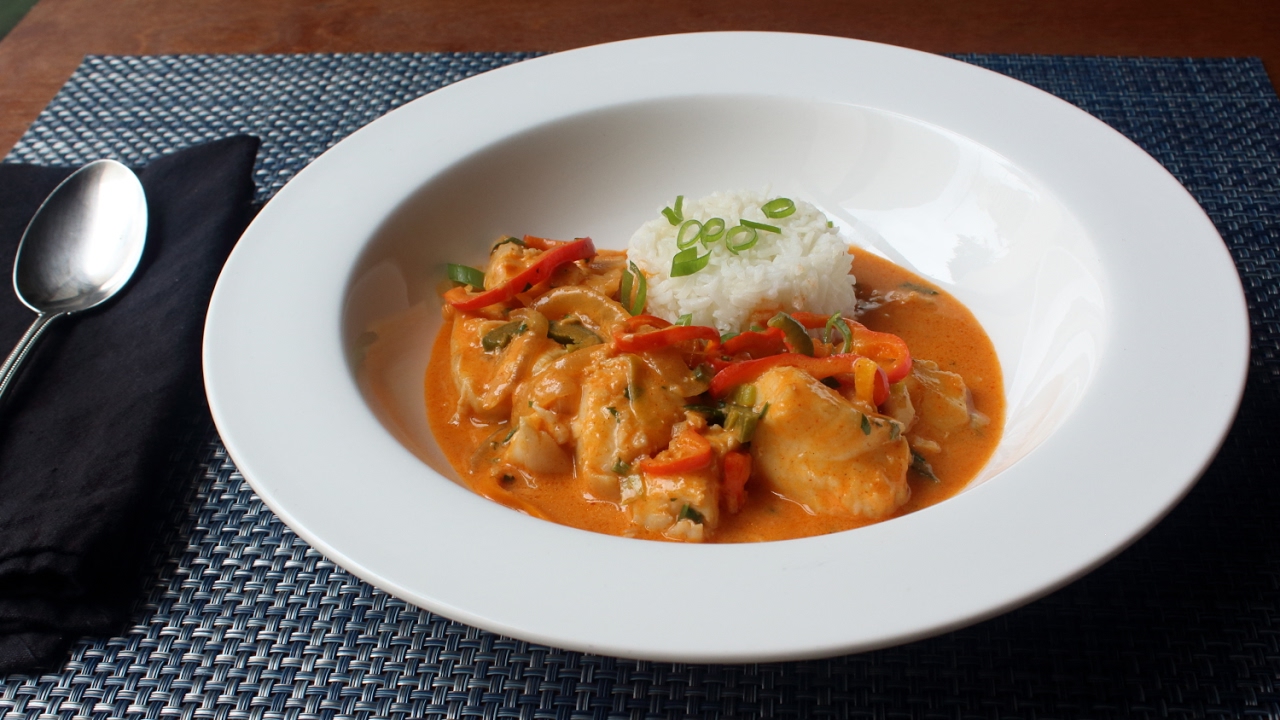
Moqueca Recipe: Ever wanted to try a hearty, soul-satisfying dish that tastes like the tropics? Welcome to the world of Moqueca – Brazil’s beloved fish stew that’s as colorful as Carnival and as comforting as a beachside sunset. With rich coconut milk, bright bell peppers, fresh fish, and fragrant herbs, Moqueca is more than just a meal – it’s a celebration of Brazilian culture on a plate. In this step-by-step guide, I’ll walk you through everything you need to know to make a Moqueca that’ll impress even your Brazilian friends (or make you a new one).
This guide includes the essential ingredients, prep work, a detailed cooking process, and tips to make sure your Moqueca comes out perfect every time. And yes, this article is designed to be super beginner-friendly. So, roll up your sleeves, grab your favorite pot, and let’s make some magic happen in your kitchen!
What Is Moqueca?
Moqueca (pronounced mo-keh-kah) is a traditional Brazilian seafood stew that dates back hundreds of years. It’s typically made with white fish, onions, garlic, tomatoes, bell peppers, and fresh cilantro, all simmered together in a clay pot with coconut milk and dendê oil (palm oil). The result is a fragrant, creamy, and slightly spicy stew that bursts with flavor in every bite.
This dish is not just about taste—it’s about texture, aroma, and color. Each spoonful is warm, velvety, and brimming with the essence of Brazil’s rich culinary traditions. Unlike some stews that rely heavily on stock or thickening agents, Moqueca’s base comes from the natural juices of its ingredients, making it lighter yet more aromatic.
History and Origin of Moqueca
Moqueca has roots that go back to both Indigenous and African traditions. The word “Moqueca” itself is derived from the Indigenous Brazilian word moquém, meaning “slow-cooked over a fire.” Over centuries, African and Portuguese influences added richness to the dish through the use of coconut milk and palm oil.
There are two major regional versions: Moqueca Capixaba, from the Espírito Santo region, and Moqueca Baiana, from Bahia. While both share the same core concept, they differ in ingredients and cooking techniques, making them equally delicious but unique in taste and cultural significance.
Different Variations of Moqueca
Moqueca Capixaba
This version comes from the southeastern state of Espírito Santo. It uses olive oil instead of palm oil and does not include coconut milk. The dish is usually cooked in a black clay pot called “panela de barro,” which imparts a smoky flavor. It’s a lighter version but still rich in flavors thanks to fresh herbs and veggies.
Moqueca Baiana
Originating from Bahia, this is the most popular version internationally. It includes coconut milk and dendê oil, giving it a vibrant orange color and a tropical, slightly nutty flavor. This version is creamier, spicier, and considered the more “decadent” variation of the two.
Health Benefits of Moqueca
Don’t let its creamy richness fool you—Moqueca can be a healthy choice if prepared with fresh, wholesome ingredients. Here are some of its benefits:
- High in protein thanks to the fish.
- Rich in Omega-3 fatty acids (if you use fatty fish like salmon or mackerel).
- Loaded with vitamins from fresh vegetables like tomatoes, peppers, and onions.
- Coconut milk contains good fats that are easier to digest and can boost energy.
- Herbs like cilantro and garlic offer antioxidant and anti-inflammatory properties.
Plus, since it’s naturally gluten-free and dairy-free, Moqueca fits into many modern dietary lifestyles.
What Makes Moqueca So Special?
It’s not just a stew. It’s an experience. Moqueca is a sensory overload—in the best way possible. The sizzling sound when vegetables hit the pan, the aroma of coconut mingling with garlic, and the vibrant layers of color all contribute to the magic.
But what really sets it apart is the dendê oil. This West African palm oil gives Moqueca Baiana its signature flavor—earthy, aromatic, and just the right touch of exotic. Combine that with fresh seafood and tropical ingredients, and you’ve got a stew that’s unlike anything else on your plate.
Essential Ingredients for Moqueca
Let’s break down the core ingredients you’ll need to make an authentic Moqueca. No guesswork here!
List of Ingredients You’ll Need
Here’s a comprehensive list of what you need for the classic Moqueca Baiana version:
Seafood
- 1.5 to 2 lbs of firm white fish (snapper, cod, or sea bass)
- Optional: shrimp, squid, or scallops for variety
Marinade
- Juice of 2 limes
- 4 cloves garlic, minced
- Salt and black pepper to taste
- 1 tsp paprika
Vegetables
- 1 large onion, sliced
- 2 large tomatoes, sliced
- 1 red bell pepper, sliced
- 1 yellow bell pepper, sliced
- 1 green bell pepper, sliced
Cooking Base
- 2 tbsp dendê oil (red palm oil)
- 1 can (400ml) full-fat coconut milk
- 2 tbsp olive oil
- ½ bunch fresh cilantro, chopped
- ½ bunch green onions (scallions), chopped
Optional Add-Ins
- 1 hot chili pepper (like habanero or jalapeño), sliced thin
- 1 tsp fish sauce or Worcestershire sauce (for umami)
- Cooked rice (for serving)
- Farofa or pirão (traditional sides)
Substitutes and Alternatives
Can’t find dendê oil? Use a mix of olive oil and paprika for color and flavor. No coconut milk? Use cashew cream or a light tomato broth. Prefer chicken? Go ahead and swap the fish for chicken breast, but keep in mind it won’t be traditional.
Choosing the Right Fish for Moqueca
The success of your Moqueca depends heavily on the type of fish you use.
Best Types of Fish to Use
- Snapper
- Cod
- Halibut
- Sea bass
- Grouper
These are firm, white fish that hold up well during simmering.
Fresh vs Frozen Fish
Fresh is always better if you have access to it. But frozen can work—just make sure to thaw it completely and pat it dry before marinating. Avoid delicate fish like tilapia as they can fall apart.
How to Prepare for Cooking
Before diving into the actual cooking, let’s prep like a pro.
Cleaning and Marinating the Fish
- Rinse your fish fillets under cold water and pat dry.
- In a bowl, mix lime juice, minced garlic, salt, pepper, and paprika.
- Coat the fish in the marinade and let it sit for 30 minutes to an hour in the fridge.
Chopping the Vegetables
- Slice the onions, peppers, and tomatoes into rings for easy layering.
- Chop your herbs just before cooking for maximum freshness.
- Keep everything organized for smooth cooking.
Step-by-Step Moqueca Recipe
Now, let’s bring everything together. Follow these steps for a foolproof Moqueca.
Step 1: Marinate the Fish
Begin by seasoning your fish fillets—commonly snapper or cod—with salt, pepper, garlic, lime juice, and a bit of paprika. Let the fish marinate for at least 20–30 minutes. This step adds depth and freshness to the final dish.
Step 2: Sauté the Aromatics
In a large pot, heat a little oil and sauté chopped onions and garlic until fragrant. These aromatics form the savory foundation of a traditional Brazilian moqueca.
Step 3: Add Peppers and Tomatoes
Next, add sliced bell peppers (red, yellow, or green) and chopped tomatoes. Cook for a few minutes until they begin to soften. Their juices will help create the broth that carries the dish’s signature flavor.
Step 4: Layer the Ingredients
Place the marinated fish gently on top of the sautéed vegetable mixture. Do not stir—moqueca is traditionally cooked in layers to preserve the fish’s structure.
Step 5: Simmer with Coconut Milk and Dendê Oil
Pour coconut milk over the fish and drizzle in dendê (palm) oil for authentic Brazilian richness. Cover and let everything simmer gently for 15–20 minutes, allowing the flavors to meld without breaking the fish apart.
Step 6: Final Touches and Simmer
Finish with chopped cilantro, green onions, and a squeeze of lime. Let the stew simmer for an additional 5 minutes. Serve hot with rice for a comforting, aromatic moqueca. Enjoy!
What to Serve with Moqueca
So, you’ve got your bubbling pot of Moqueca ready—now what do you serve with it? Traditionally, Moqueca is enjoyed with a few classic Brazilian sides that soak up the sauce and balance the richness of the dish.
Traditional Side Dishes
- White Rice: The go-to companion. It soaks up all the juicy, spicy, coconut-y sauce.
- Farofa: A toasted cassava flour mixture, sometimes with onions and bacon. It adds crunch and texture.
- Pirão: A porridge-like dish made by mixing fish broth with cassava flour. Creamy, earthy, and rich.
- Hot Sauce: Brazilians love to add a few drops of hot sauce to their Moqueca.
Modern Twists
- Quinoa or Brown Rice: For a healthier take.
- Grilled Plantains: Adds a sweet contrast.
- Garlic Bread: Not traditional, but hey—scooping up that sauce with warm bread? Yes, please!
Whatever you choose, just make sure you have something to sop up that incredible sauce. Leaving any of it in the bowl should be a crime!
Tips for Making the Perfect Moqueca
Even though Moqueca is pretty straightforward, a few chef secrets can take it from good to mind-blowing.
- Use fresh ingredients. The flavors in Moqueca are simple, so quality matters. Fresh fish, ripe tomatoes, and aromatic herbs make all the difference.
- Don’t skip the marinating step. It infuses the fish with flavor and tenderizes it.
- No stirring! Let the ingredients simmer gently. Stirring can break the fish apart.
- Clay pot = next level. If you can get your hands on a panela de barro (clay pot), use it! It adds a smoky, earthy note.
- Layer wisely. Always put a layer of veggies under the fish so it doesn’t stick to the bottom.
- Coconut milk should be full-fat. Don’t go for the light version—it just won’t be the same.
- Garnish fresh. Add herbs right before serving to keep them bright and fragrant.
Mistakes to Avoid When Cooking Moqueca
Cooking Moqueca isn’t hard, but here are some common pitfalls to steer clear of:
- Overcooking the Fish
Fish cooks quickly. If you simmer too long, it will fall apart and become rubbery. - Using too much dendê oil
While delicious, palm oil is potent. Use it sparingly, or it can overpower the dish. - Skipping the marinade
This is not optional. The fish needs that burst of lime, garlic, and salt to shine. - Using watery coconut milk
Thin coconut milk makes the stew runny instead of creamy. Go full-fat. - Not layering ingredients properly
Messy layering can lead to uneven cooking. Follow the steps and keep your layers neat. - Stirring while simmering
You’ll end up with fish bits instead of beautiful fillets. Let it simmer undisturbed.
Storing and Reheating Leftovers
Got leftovers? Lucky you! Moqueca actually tastes even better the next day after the flavors have melded.
Storing:
- Let the stew cool to room temperature.
- Store in an airtight container in the fridge for up to 3 days.
- Avoid freezing if the dish contains coconut milk—freezing can alter the texture.
Reheating:
- Reheat gently over low heat on the stove.
- Add a splash of water or coconut milk to loosen the sauce if it’s too thick.
- Avoid microwaving in plastic containers—use glass or ceramic.
Moqueca makes a fantastic lunch the next day, especially when served with a fresh scoop of rice and a sprinkle of herbs.
FAQs about Moqueca Recipe
1. Can I make Moqueca without fish?
Yes! You can substitute fish with tofu, mushrooms, or even chickpeas for a delicious vegetarian or vegan version. Just be sure to keep the flavor base strong.
2. What can I use instead of dendê oil?
Dendê oil is unique, but if you can’t find it, try using a combination of olive oil and smoked paprika or a touch of sesame oil for depth.
3. Is Moqueca spicy?
It can be, depending on how much chili you add. Traditionally, it’s mildly spiced, but you can dial it up or down to suit your taste.
4. How long does it take to cook Moqueca from start to finish?
From prep to plate, about 1 to 1.5 hours. Most of that is marinating and simmering time.
5. What’s the best drink to pair with Moqueca?
Caipirinha (Brazil’s national cocktail) pairs beautifully, or try a crisp white wine like Sauvignon Blanc or a cold beer.
Conclusion
Moqueca isn’t just a recipe—it’s an adventure. From its roots in Afro-Brazilian culture to its explosion of tropical flavors, this iconic Brazilian fish stew brings warmth, comfort, and a touch of the exotic to your kitchen. Whether you’re new to Brazilian cuisine or just looking for something bold and different, Moqueca is sure to impress.
With this step-by-step guide, you now have everything you need to make an authentic, mouthwatering Moqueca right at home. So what are you waiting for? Put on some Brazilian tunes, gather your ingredients, and let the flavors of Bahia transport you—one spoonful at a time.