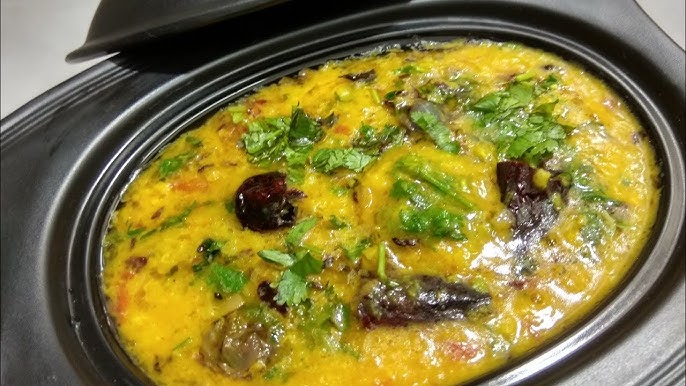
Moong Dal Recipe: Moong dal, also known as mung bean lentils, is a staple in Indian households. It’s made from split green gram that has been hulled, revealing a yellow-colored lentil. Mild in flavor and soft in texture, moong dal is perfect for daily meals, offering comfort in every bite. Unlike other heavy lentils, this one is light, easy on the stomach, and cooks relatively quickly. It forms the foundation for a variety of Indian dishes and is versatile enough to blend with spices, vegetables, and even rice.
Health Benefits of Moong Dal
Moong dal is a powerhouse of nutrition. It’s rich in protein, fiber, and essential minerals like magnesium and potassium. Being low in fat and cholesterol-free, it supports heart health and helps in weight management. The high protein content makes it ideal for vegetarians and fitness enthusiasts alike. It’s also known for improving digestion due to its high fiber and antioxidant levels. Including moong dal in your regular diet can enhance energy levels, boost immunity, and aid in muscle building. Moreover, it’s suitable for people with diabetes due to its low glycemic index.
Ingredients for Moong Dal
Basic Ingredients
To make a basic moong dal, you’ll need the following:
- 1 cup yellow moong dal (split and husked)
- 2 ½ cups water (for pressure cooking)
- 1 medium onion (finely chopped)
- 1 medium tomato (finely chopped)
- 1 green chili (slit)
- 1 tsp turmeric powder
- Salt to taste
These ingredients form the base of the dal. The simplicity of this combination allows the flavor of the lentils to shine through while giving you the flexibility to customize as per your taste.
Optional Ingredients for Extra Flavor
To take your moong dal up a notch, consider these additions:
- 1 tsp cumin seeds
- 2-3 garlic cloves (crushed or minced)
- ½ inch ginger (grated)
- Fresh coriander leaves (for garnish)
- 1 tsp ghee or oil (for tempering)
- A pinch of asafoetida (hing)
- Red chili powder or dry red chilies (for spice lovers)
These optional ingredients add depth and complexity. The tadka (tempering) with garlic, cumin, and ghee not only enhances the aroma but makes the dish irresistible.
Preparation Before Cooking
Soaking the Moong Dal
Soaking the dal is optional but highly recommended. Rinse the moong dal thoroughly under running water until it runs clear. Then soak it in water for 15-20 minutes. This step helps reduce cooking time and improves the texture. If you’re short on time, you can skip soaking and directly pressure cook, but expect a slightly longer cooking time.
Chopping and Prepping Veggies & Spices
While the dal is soaking, prepare the other ingredients. Chop onions, tomatoes, green chilies, ginger, and garlic. Measure out your spices and keep them ready. Prepping everything in advance not only makes the cooking process smoother but ensures nothing gets left out. This mise-en-place method (everything in its place) is a great habit that professional chefs swear by.
Cooking Moong Dal – Step by Step Process
Step 1: Pressure Cooking the Dal
In a pressure cooker, add the soaked and drained moong dal along with 2 ½ cups of water, turmeric, and a pinch of salt. Close the lid and cook on medium heat for 2 to 3 whistles. Let the pressure release naturally. Once done, the dal should be soft and mushy. If it’s too thick, add a little more water and mix well. The consistency can be adjusted depending on whether you prefer thick or soupy dal.
Step 2: Preparing the Tadka (Tempering)
In a separate pan, heat 1 tsp of ghee or oil. Add cumin seeds and let them splutter. Then add minced garlic, ginger, green chilies, and sauté until golden. Throw in the chopped onions and cook till translucent. Now add the chopped tomatoes and a pinch of salt. Cook until tomatoes soften and oil starts separating. This tempering process is the heart of flavor in any dal. The crackle of spices and the aroma they release truly elevate the dish.
Step 3: Mixing and Simmering
Pour the prepared tadka into the cooked dal and mix well. Bring it back to a simmer for 5–7 minutes so the flavors blend beautifully. Taste and adjust salt or spice if needed. Garnish with chopped coriander leaves. Serve hot with rice, chapati, or enjoy it as a light soup.
Variations of Moong Dal
Moong Dal Tadka
This is perhaps the most beloved version of moong dal. In moong dal tadka, the dal is first cooked plain, and then a rich, spiced tempering (tadka) is poured over it right before serving. The tadka typically consists of ghee, mustard seeds, cumin, garlic, dry red chilies, and a pinch of hing (asafoetida). Sometimes even chopped onions and tomatoes are added to the tempering to make it heartier. This method enhances the aroma and adds a new dimension of flavor. Moong dal tadka is best paired with steamed basmati rice or jeera rice, creating a soulful, comforting Indian meal.
Moong Dal Khichdi
When comfort food calls, moong dal khichdi answers. It’s a simple mix of moong dal and rice, cooked together with basic spices and often vegetables. It’s especially good for kids, the elderly, or anyone recovering from illness due to its easily digestible nature. Add a dollop of ghee on top, and you’ve got a complete, nutritious one-pot meal. You can even customize it with spinach, carrots, or peas for added nutrition.
Moong Dal with Vegetables
Adding vegetables to moong dal is a fantastic way to make it more filling and nutritious. Popular additions include spinach, bottle gourd (lauki), carrots, and tomatoes. Simply add the chopped vegetables into the cooker along with the dal and pressure cook them together. This not only saves time but lets the flavors infuse naturally. It’s an excellent way to sneak more veggies into your diet, especially for kids.
Tips for Perfect Moong Dal Every Time
- Soak the dal: Soaking for at least 20 minutes speeds up cooking and gives a better texture.
- Adjust water for consistency: Some prefer a thick dal, while others enjoy it soupy. Add more or less water based on your taste.
- Use fresh ingredients: Fresh garlic, ginger, and green chilies make a noticeable difference.
- Don’t overcook the tadka: Burnt garlic or spices can make your dal bitter. Keep an eye on the heat.
- Ghee for flavor: A spoon of ghee enhances the taste and gives an authentic Indian touch.
- Use hing sparingly: A pinch is enough; too much can overpower the dish.
- Garnish generously: Fresh coriander brings freshness and color, making your dal more appealing.
These small touches might seem minor, but they truly elevate a humble bowl of moong dal into something memorable.
Serving Suggestions
Moong dal is versatile and pairs beautifully with many Indian staples:
- With rice: The classic moong dal-chawal combo is unmatched in comfort and taste.
- With chapati: For a lighter meal, serve it with whole wheat chapatis and a simple side salad.
- As soup: Dilute slightly and enjoy it as a warm, nourishing soup with a squeeze of lemon.
- With pickles and papad: Add these on the side to enhance the experience with tang and crunch.
- With sabzi: Serve alongside a dry vegetable dish like aloo gobi or bhindi fry for a full Indian thali experience.
You can also serve moong dal as part of a larger meal during festivals or gatherings. It adapts well and never feels out of place.
Storage and Reheating Tips
Got leftovers? No worries. Moong dal stores well and tastes even better the next day!
- Refrigeration: Store in an airtight container in the fridge for up to 3 days.
- Freezing: Freeze in small portions for quick weekday meals. It lasts up to a month.
- Reheating: Reheat on the stove with a splash of water to loosen it up. Microwave works too—just cover to prevent splattering.
- Avoid repeated heating: This can degrade the flavor and nutrition.
Moong dal is one of those dishes that deepens in flavor over time, so leftovers can be just as delicious as the fresh batch.
Nutritional Information
Here’s an approximate nutritional breakdown for one serving of plain moong dal (without ghee):
| Nutrient | Amount per Serving |
|---|---|
| Calories | 180–200 kcal |
| Protein | 12–14g |
| Fat | 1–2g |
| Carbohydrates | 30–35g |
| Fiber | 6–8g |
| Sodium | Depends on salt |
| Iron | 15–20% DV |
| Magnesium | 10–15% DV |
It’s high in plant-based protein, fiber, and essential minerals, making it perfect for vegetarians and those following a clean diet. The calorie count will vary depending on how much oil or ghee you use.
Common Mistakes to Avoid
Even a simple dish like moong dal can go wrong if you’re not careful. Here are some common pitfalls and how to avoid them:
- Skipping the rinse: Always rinse the dal until the water runs clear. This removes dirt and excess starch which can otherwise make the dal slimy.
- Not soaking: Soaking helps reduce cooking time and enhances the dal’s texture. Skipping this step can result in uneven cooking.
- Overcooking in pressure cooker: Moong dal cooks fast. Too many whistles or excessive time can make it overly mushy, almost like a paste.
- Burning the tadka: Tadka is all about timing. If you overheat the oil or ghee, the garlic and spices can burn quickly, imparting a bitter taste.
- Adding salt too early: Salt can toughen the dal if added before it’s fully cooked. Add it towards the end for best results.
- Neglecting the simmer: After adding the tadka to the dal, always let it simmer. This allows the flavors to marry well.
- Using old lentils: Aged moong dal takes longer to cook and may not soften properly. Use fresh, high-quality lentils for the best outcome.
Avoiding these mistakes can make the difference between just okay and truly delicious dal.
Moong Dal in Indian Cuisine
Moong dal holds a sacred spot in Indian kitchens. It’s not just food—it’s tradition, comfort, and health wrapped into one.
From everyday lunches to elaborate thalis during festivals, moong dal plays a starring role. In North India, it’s often enjoyed with rice, ghee, and a crisp papad. In South India, it finds its way into dosas and sambar variations. Gujarati households often add jaggery for a sweet and savory twist. Even Bengali cuisine uses moong dal to create complex flavors, often to accompany deep-fried vegetables like begun bhaja.
Ayurveda praises moong dal as a tridoshic food—it balances all three doshas (vata, pitta, and kapha), making it ideal for holistic well-being. It’s also used during fasting days or detox diets for its sattvic (pure) qualities.
Vegan and Gluten-Free Options
Great news—moong dal is naturally vegan and gluten-free! However, here are a few things to consider:
- Vegan option: Skip the ghee and use oil (like coconut or mustard oil) for tempering. You can also use vegan butter for a rich finish.
- Gluten-free note: Moong dal is inherently gluten-free, but check labels if you’re buying packaged dal to ensure there’s no contamination.
- Vegan protein: Combine moong dal with rice or quinoa to get a complete amino acid profile.
- Dairy-free flavor boost: Use coconut milk or almond cream to enrich the dal without dairy.
Whether you’re on a plant-based diet or have dietary restrictions, moong dal fits right into your lifestyle.
FAQs about Moong Dal Recipe
1. Can I cook moong dal without a pressure cooker?
Yes! Just use a regular pot. Boil the dal in water, cover partially, and simmer for 30–40 minutes until soft. Add more water if needed.
2. How do I reduce gas or bloating from dal?
Soak the dal for 20–30 minutes and add a pinch of hing (asafoetida) while cooking. It helps with digestion.
3. Can I use moong dal for baby food?
Absolutely. Moong dal is soft, easy to digest, and full of nutrients. Just skip the spices and blend it well.
4. How can I make moong dal spicy?
Add more green chilies, red chili powder, or a spicy tadka with dry red chilies to give it a fiery kick.
5. What other dishes can I make with moong dal?
Besides dal, you can make moong dal pancakes (chillas), dosa batter, pakoras (fritters), or even add it to soups and salads for protein.
Conclusion
Moong dal may seem humble, but it’s anything but boring. With its incredible health benefits, versatility in cooking, and comforting flavor, it deserves a regular spot on your plate. Whether you’re looking for a quick weekday meal or a dish to soothe your soul, moong dal delivers every single time.
From a simple tadka to a veggie-rich khichdi, this golden lentil can be transformed in countless ways. Its ease of preparation, minimal ingredients, and adaptability make it ideal for beginners and seasoned cooks alike. And the best part? It never goes out of style.
So next time you’re wondering what to cook, let moong dal be your answer. Your taste buds—and your body—will thank you.