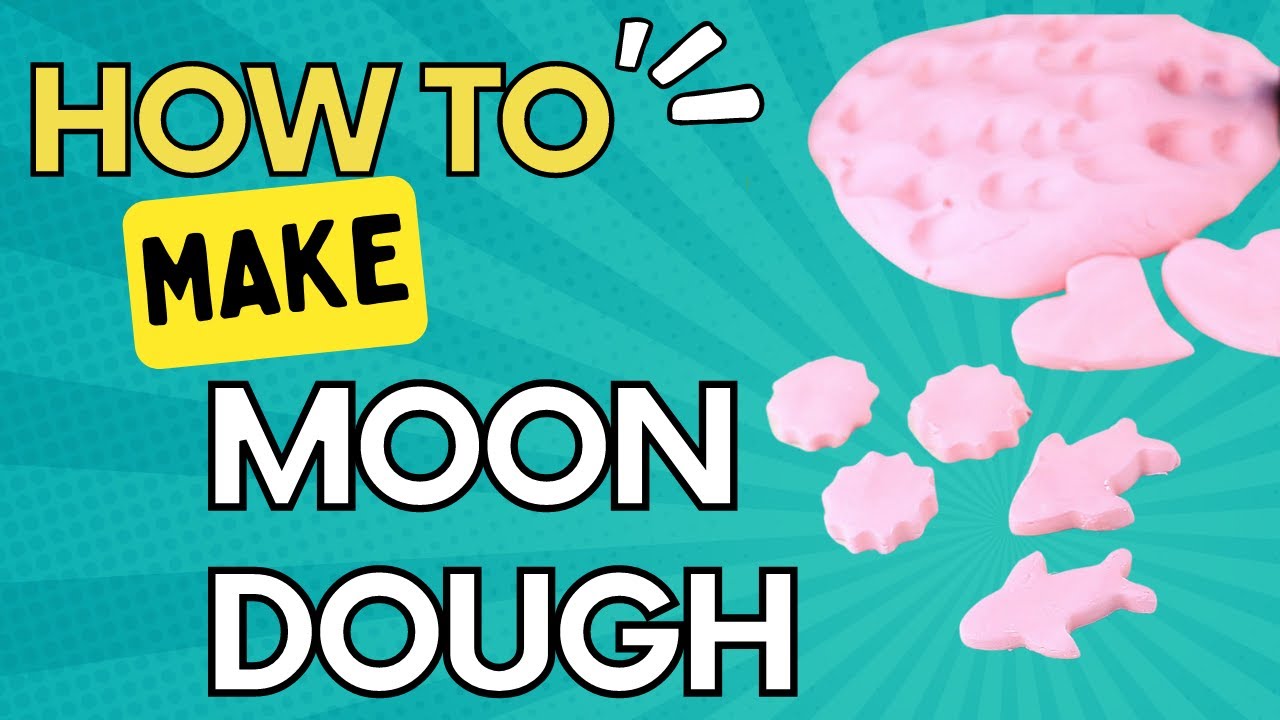
Moon Dough Recipe: Moon Dough is a magical, moldable, and ultra-soft play dough that feels like a cross between flour and kinetic sand. It’s not sticky like traditional play dough, and it has a crumbly yet shapeable texture that kids—and even adults—can’t resist squishing between their fingers. Think of it as the sensory love child of silky flour and smooth oil.
Unlike regular doughs, Moon Dough doesn’t dry out quickly, making it a favorite for sensory bins and long-term play. Plus, it’s ridiculously easy to make at home using just two to three simple pantry staples. No cooking, no mess, no stress!
The best part? It’s 100% customizable. Want it colorful? Add food coloring. Prefer a relaxing lavender scent? Add essential oils. This versatile DIY project is perfect for parents, teachers, and anyone who loves a good hands-on activity.
Why You’ll Love This DIY Moon Dough Recipe
Let’s be real—store-bought sensory toys can be expensive. But with Moon Dough, you’re getting an easy, cost-effective, and fun alternative that you can whip up in minutes. Here’s why you’ll fall in love with this DIY Moon Dough recipe:
- Budget-friendly: You probably already have the ingredients in your kitchen.
- Quick & easy: No cooking required—just mix and go!
- Customizable: Color it, scent it, sparkle it… totally up to you.
- Soothing texture: Soft, calming, and perfect for sensory therapy.
- Reusable: With the right storage, it lasts for weeks.
- Great bonding activity: Ideal for craft time with kids or stress relief for adults.
Whether you’re a parent, teacher, therapist, or sensory play enthusiast, this Moon Dough recipe will become your new favorite go-to project.
Benefits of Playing with Moon Dough
Playing with Moon Dough isn’t just about fun—it’s a full-on sensory experience that supports learning and development, especially in young children. Here’s how:
- Fine motor skill development: Scooping, molding, pinching, and rolling help strengthen hand muscles and coordination.
- Creativity and imagination: Kids can sculpt anything—from castles to cupcakes.
- Calming effects: The soft texture and repetitive motions can help ease anxiety and support emotional regulation.
- Tactile learning: Perfect for sensory-seeking kids or those with sensory processing disorders.
- STEM learning: Measuring, mixing, and experimenting with textures introduces early science and math concepts.
So the next time you’re wondering how to keep your child busy and engaged, pull out the Moon Dough. It’s not just play—it’s purposeful fun.
Safety Note: Is Moon Dough Safe for Kids?
Yes, Moon Dough is generally safe for kids—but like with anything, supervision is key.
Here’s what you should know:
- Edibility: It’s made from food-safe ingredients (typically flour and oil), but it’s not meant to be eaten.
- Allergies: If your child has a gluten or nut allergy, substitute accordingly (we’ll include safe alternatives later).
- Choking hazard: For very young children (under 3), monitor play closely to prevent accidental ingestion.
Want to make it even safer? Use gluten-free flour and edible oils, or switch to a taste-safe version using cornstarch and coconut oil. Always adjust based on your child’s specific needs.
List of Ingredients You’ll Need
Let’s break it down simply. Moon Dough is all about minimalism. Here’s what you need to get started.
Basic Ingredients:
- 2 cups of all-purpose flour
- ¼ cup of vegetable oil (or baby oil for a smoother texture)
Yup, that’s it for the base recipe! You mix those two and get an incredible moldable dough.
Optional Add-ins for Color and Scent:
- Food coloring (gel or liquid)
- Essential oils (lavender, peppermint, or citrus work great)
- Glitter (for sparkle!)
- Cornstarch (optional for a silkier feel)
- Cocoa powder (for chocolate-scented dough)
Tools and Materials You’ll Need
You don’t need anything fancy, just a few simple kitchen tools:
- Large mixing bowl
- Measuring cups
- Mixing spoon or spatula
- Airtight containers or ziplock bags for storage
- Gloves (optional, for handling food coloring)
Want to make clean-up easier? Lay down a plastic tablecloth or play mat before you start.
Step-by-Step Guide: How to Make Moon Dough at Home
Let’s get to the fun part! Here’s a detailed, foolproof guide to making your own Moon Dough in just minutes.
Step 1: Prepare Your Workspace
Start by setting up a clean, flat surface such as a table or countertop. Lay down parchment paper or a tray to catch any spills. Gather your ingredients—typically flour and oil—and ensure measuring cups, bowls, and optional add-ins are within reach.
Step 2: Measure the Dry Ingredients
Pour 2 cups of all-purpose flour into a large mixing bowl. The flour forms the soft, fluffy base of moon dough. You can also substitute cornstarch for an even silkier texture. Smooth out any lumps for best results.
Step 3: Mix in the Oil
Add ¼ to ½ cup of baby oil or vegetable oil to the flour. Start with a smaller amount and gradually mix using your hands or a spoon. The dough should begin to clump together softly without becoming greasy.
Step 4: Knead and Test the Texture
Use your hands to knead the mixture thoroughly. Moon dough should hold its shape when squeezed but crumble gently when pressed. Adjust by adding more oil for firmness or more flour for dryness.
Step 5: Add Colors or Scents (Optional)
If desired, incorporate food coloring, powdered paint, or scents like vanilla or lavender. Knead until the color or fragrance is evenly distributed.
Step 6: Store Properly for Longevity
Place the finished moon dough in an airtight container or zip bag. Store at room temperature to keep it soft for weeks. Enjoy safe, fun sensory play!
Tips for Perfect Moon Dough Every Time
Let’s be honest—not every batch comes out perfect on the first try, especially when you’re experimenting with ingredients or letting the kids take the lead. But here are some pro tips to make sure your Moon Dough is on point every time:
- Use the right flour: All-purpose flour works best, but if you need a gluten-free version, use a 1:1 gluten-free baking flour or cornstarch.
- Measure accurately: Don’t just eyeball it. Even a small miscalculation can make the dough too greasy or too dry.
- Oil matters: Baby oil gives the softest texture, but for toddlers and younger kids, go with food-safe oils like coconut or olive oil.
- Don’t overmix: You want a light, fluffy texture, not dense like bread dough. Mix just enough to combine.
- Add colors last: Mixing in food coloring too early can create a mess and make the dough overly wet.
- If it’s sticky: Add a little more flour.
- If it’s too crumbly: Add a teaspoon of oil at a time and knead again.
Consistency is key! Don’t be afraid to play around and adjust. Moon Dough is forgiving—and once you get the hang of it, you’ll be mixing batches with your eyes closed.
Moon Dough vs Play Dough: What’s the Difference?
You might be wondering, “Isn’t this just play dough?” Not quite. Although they look similar, Moon Dough and Play Dough are different in texture, composition, and usage.
| Feature | Moon Dough | Play Dough |
|---|---|---|
| Texture | Soft, crumbly, moldable (like kinetic sand) | Smooth, pliable, like clay |
| Ingredients | Flour and oil (no cook) | Flour, salt, cream of tartar, water (cooked) |
| Shelf Life | Weeks when stored properly | A few days to a week |
| Mess Level | Low (dusty at most) | Can get sticky and messy |
| Age Suitability | Toddlers to adults | 3+ due to salt content |
| Sensory Play | Excellent for tactile stimulation | Better for creative molding |
Moon Dough is best for calm, sensory exploration, while Play Dough is great for sculpting and pretend play. Both have their place—but Moon Dough is unbeatable when it comes to relaxing, therapeutic play.
Creative Ways to Play with Moon Dough
Once you’ve got your Moon Dough ready, the possibilities are endless. It’s not just about squishing it in your hands—here are some creative and educational ideas to explore:
1. Cookie Cutter Fun
Use cookie cutters to make stars, hearts, or dinosaurs. Perfect for hand-eye coordination and shape recognition.
2. Sensory Bins
Fill a shallow tub with Moon Dough, add scoops, plastic animals, cups, or small toys. Great for imaginative, open-ended play.
3. Construction Site
Add toy trucks and construction vehicles—watch as your kids build roads, hills, and mini cities.
4. Alphabet or Number Imprints
Use alphabet stamps or number molds for letter and counting practice.
5. DIY Bakery
Create Moon Dough cupcakes, cookies, and pretend cakes. Sprinkle with fake sprinkles for extra fun.
6. Hidden Treasures Game
Hide small objects (buttons, gems, or tiny toys) in the dough and let kids dig them out.
Whether you’re teaching a lesson or just letting your child explore freely, Moon Dough is a beautiful blend of fun and learning.
Educational Activities Using Moon Dough
Moon Dough isn’t just a toy—it’s a learning tool. Here’s how to turn playtime into a mini classroom:
- Math Skills: Practice measuring, dividing, and shaping into fractions or numbers.
- Science Experiments: Compare textures by making Moon Dough with different oils.
- Language Skills: Spell out words or letters using molds or shape cutters.
- Fine Motor Development: Rolling, pinching, and shaping help build hand strength and coordination.
- Emotional Expression: Use Moon Dough for storytelling or emotional play (“Show me how you feel using the dough”).
Teachers and therapists use Moon Dough to encourage focus and calm in kids with ADHD, autism, or sensory processing needs. It’s truly a hands-on approach to holistic learning.
How to Make Colored Moon Dough
Colorful Moon Dough? Absolutely. Here’s how to brighten things up:
Materials:
- Food coloring (liquid or gel)
- Gloves (to avoid staining your hands)
- Separate mixing bowls for each color
Steps:
- Divide your dough into equal portions.
- Add a few drops of food coloring to each batch.
- Knead until the color is evenly distributed.
- Add more flour if the dough gets too wet.
Pro Tip: Gel food coloring gives more vibrant colors and requires less liquid. Want pastels? Just use a tiny amount of coloring.
How to Make Scented Moon Dough
Scented Moon Dough is next-level sensory fun. It not only feels good—it smells amazing too.
Best Scents to Use:
- Lavender: Calming and great before bedtime.
- Peppermint: Invigorating and perfect for winter themes.
- Lemon or Orange: Refreshing and clean-smelling.
How-To:
- Add 2–4 drops of essential oil to your dough while mixing.
- Mix thoroughly until the scent is evenly spread.
- Be mindful of the scent’s strength, especially for sensitive kids.
You can also use cocoa powder (for chocolate scent) or vanilla extract for a delicious-smelling twist. Just make sure kids know it’s not edible!
How to Store Moon Dough
Proper storage means longer playtime and fewer messes. Here’s how to keep your dough fresh:
Storage Tips:
- Store in airtight containers or ziplock bags.
- Keep away from direct sunlight or heat.
- Use separate containers for each color or scent.
Lifespan:
Stored correctly, Moon Dough can last 3–4 weeks or even longer. If it starts drying out, knead in a few drops of oil and it’ll be good as new.
Common Mistakes and Troubleshooting Tips
Made a batch and something feels off? Don’t worry—it happens. Here’s how to fix the most common Moon Dough mistakes:
Too Crumbly
- Add oil a teaspoon at a time and knead until smooth.
Too Sticky or Wet
- Sprinkle in more flour and knead until it reaches a moldable consistency.
Color Won’t Mix Evenly
- Try using gel food coloring.
- Wear gloves and knead thoroughly.
It Smells Weird
- Use a fresh batch of oil or flour.
- Add a drop of essential oil for a pleasant scent.
Dough Dried Out
- Add a few drops of oil and knead back to life.
FAQs about Moon Dough Recipe
1. Can I make Moon Dough gluten-free?
Yes! Substitute all-purpose flour with gluten-free flour or cornstarch for a safe, allergy-friendly option.
2. How long does Moon Dough last?
If stored in an airtight container, it can last for 3–4 weeks or longer. Just knead in some oil if it starts drying out.
3. Is Moon Dough safe for toddlers?
It’s generally safe if made with edible oils and flour, but supervision is always recommended—especially for kids under 3.
4. Can I bake or cook Moon Dough?
Nope. Moon Dough isn’t meant to be baked or cooked—it’s strictly for sensory play.
5. Can I reuse Moon Dough after it’s dried out?
Yes! Add a bit of oil and knead it back into shape. It’s surprisingly easy to revive.
Conclusion
Moon Dough is the perfect combo of creativity, simplicity, and sensory magic. Whether you’re crafting a stress-relieving sensory bin for your child or just want a relaxing DIY activity for yourself, this flour-and-oil miracle delivers every time. It’s easy to make, safe to play with, and incredibly versatile.
So grab your ingredients, roll up your sleeves, and start mixing. You’ll be amazed at how something so simple can bring so much joy and calm.