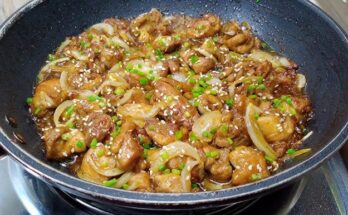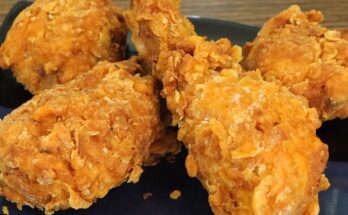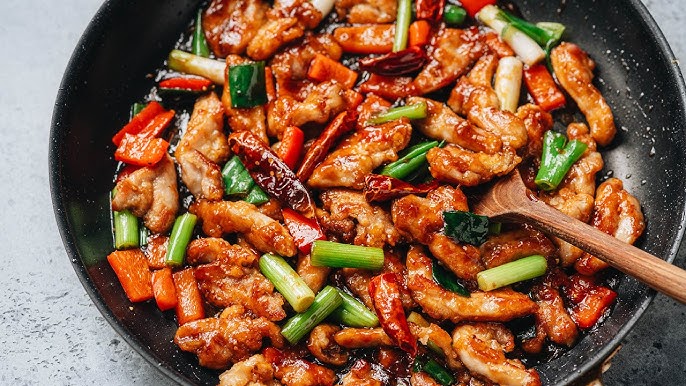
Mongolian Chicken Recipe: Mongolian Chicken is one of those Asian-inspired dishes that never fails to hit the spot. It’s sweet, savory, sticky, and slightly spicy—all the things you want in a satisfying stir-fry meal. Often confused with Mongolian Beef, this version swaps out the red meat for tender pieces of chicken that are usually flash-fried to get a deliciously crispy texture. The dish is typically served over a bed of fluffy white rice or with a side of stir-fried noodles, making it an ideal meal for both weeknights and weekend indulgences.
But don’t be misled by the name—Mongolian Chicken isn’t actually from Mongolia. It’s a creation of Chinese-American cuisine that blends traditional Asian flavors with Western dining habits. That’s why you’ll commonly see it featured on the menu at Chinese takeouts and buffets across the U.S.
Origins and Popularity
Despite its misleading name, Mongolian Chicken has become wildly popular in households and restaurants alike. It originally stemmed from the classic Mongolian Beef dish, which likely got its name from the Mongolian BBQ style of cooking. Over time, the dish evolved, with chefs and home cooks experimenting with different proteins, leading to the chicken variation we enjoy today.
This dish stands out because of its versatility and simplicity. With basic pantry ingredients like soy sauce, brown sugar, and garlic, you can whip up something that tastes gourmet without spending hours in the kitchen. The ease of customization also means you can adjust the heat, sweetness, or even add vegetables according to your preference.
Ingredients Needed
Main Ingredients
Before diving into cooking, it’s essential to gather your ingredients. Here’s what you’ll need for the perfect Mongolian Chicken:
- 1 lb boneless, skinless chicken thighs or breasts
- 1/4 cup cornstarch (for coating the chicken)
- 2 tablespoons vegetable oil (for frying)
Chicken thighs are typically juicier and more flavorful, but if you’re watching your fat intake, chicken breasts work just fine too.
Sauce Ingredients
The magic of Mongolian Chicken lies in its sauce. It’s thick, glossy, and packed with flavor.
- 1/2 cup low-sodium soy sauce
- 1/4 cup dark brown sugar (adjust to taste)
- 2 teaspoons minced garlic
- 1 teaspoon freshly grated ginger
- 1/2 cup water
- 1 teaspoon hoisin sauce (optional for extra depth)
- 1 teaspoon cornstarch (for sauce thickening)
- 2 tablespoons green onions (for garnish)
The combination of soy sauce and brown sugar gives the dish its iconic sweet and salty flavor. Ginger and garlic add that aromatic kick that keeps you coming back for more.
Optional Add-ons
Want to jazz things up? Here are a few optional ingredients you can throw into the mix:
- Red pepper flakes or chili oil for heat
- Sliced bell peppers or onions for crunch
- Sesame seeds for garnish
- Broccoli or snow peas for added nutrition
These additions not only add color and texture but can also make your Mongolian Chicken a more complete and balanced meal.
Kitchen Tools Required
Essential Cooking Utensils
Cooking Mongolian Chicken doesn’t require fancy equipment, but having the right tools can make the process smoother and more enjoyable. Here’s what you’ll need:
- Cutting board and sharp knife (for slicing chicken)
- Mixing bowls (for marinating and mixing sauce)
- Tongs or chopsticks (to handle chicken pieces)
- Measuring cups and spoons
Accuracy matters in recipes like this. A little too much soy sauce, and your dish could turn out too salty. Not enough sugar? You might lose that balance of flavors.
Recommended Cookware
If you’ve got a wok, this is its time to shine. But a non-stick skillet will also do the job nicely.
- Wok or large skillet (for stir-frying)
- Small saucepan (for thickening the sauce if needed)
Using a wok helps you stir-fry efficiently, keeping the high heat centralized and cooking everything quickly. If you’re using a skillet, just make sure it’s large enough to avoid overcrowding the chicken, which could make it soggy instead of crispy.
Preparing the Chicken
Choosing the Right Chicken Cut
For the best results, go with boneless, skinless chicken thighs. They’re not only juicier but also remain tender even after stir-frying. However, if you’re aiming for a leaner option, chicken breasts will also work. Just be cautious not to overcook them, as they can dry out quickly.
Cutting and Marinating Tips
Cut your chicken into thin, bite-sized strips. This ensures quick cooking and a better texture. Then, toss the pieces in cornstarch—this step is crucial. It helps the chicken develop a crispy exterior when fried and also helps the sauce cling better to each piece.
Let the cornstarch-coated chicken sit for about 10 minutes. You don’t need to marinate it in traditional fashion, but giving it a little time helps the coating adhere better and improves the final texture.
Making the Mongolian Sauce
Mixing Ingredients Perfectly
The sauce is what makes Mongolian Chicken truly shine. Begin by combining the following in a bowl:
- ½ cup soy sauce
- ¼ cup dark brown sugar
- 2 teaspoons minced garlic
- 1 teaspoon grated fresh ginger
- ½ cup water
- 1 teaspoon hoisin sauce (optional)
Mix thoroughly until the sugar dissolves and everything is well incorporated. If you want a thicker sauce, dissolve 1 teaspoon of cornstarch in 1 tablespoon of cold water separately, and then stir it into your sauce mixture. The hoisin sauce, while optional, adds an earthy undertone that gives your dish more complexity.
The key here is balance. Taste your sauce before heating—if it’s too salty, add a splash of water or a touch more sugar. If it’s too sweet, a few drops of vinegar or extra soy sauce can bring it back in line.
Getting the Right Consistency
Now, let’s cook the sauce. Pour the mixture into a small saucepan over medium heat. Stir continuously until it starts to simmer and thicken. You’ll know it’s ready when it reaches a silky texture that clings to the spoon. This should take about 3–5 minutes.
If you’re adding cornstarch slurry, pour it in slowly while stirring, and watch the sauce thicken instantly. Keep it warm on low heat while you fry the chicken—this helps everything blend smoothly later on.
Cooking the Chicken to Perfection
Stir-Frying Basics
The next step is all about turning your coated chicken into golden, crispy perfection. Heat 2 tablespoons of oil in a large skillet or wok over medium-high heat. Add the chicken in a single layer. Don’t overcrowd the pan—cook in batches if necessary to maintain a crispy texture.
Let the chicken cook undisturbed for about 2–3 minutes before flipping. Once all sides are golden brown and fully cooked (internal temperature of 165°F or 74°C), remove the pieces and set them aside on a paper towel-lined plate to absorb any excess oil.
Make sure you maintain a high enough heat. Stir-frying is all about quick cooking, which locks in moisture and flavor. Too low a temperature will leave your chicken soggy, and too high could burn the coating before the inside is done.
Maintaining the Ideal Texture
After frying, your chicken should be slightly crispy on the outside while remaining juicy inside. Avoid overcooking or refrying the chicken once it’s out of the pan, as this can make it chewy or dry. If you want to keep the chicken warm while finishing up other parts of the dish, place it in a warm oven (around 200°F or 93°C) instead of reheating it in the pan again.
If you used chicken breasts and find them slightly drier, don’t worry—the sauce will help revive that moisture when everything comes together.
Combining Chicken with the Sauce
When to Add the Sauce
Once your chicken is fried and your sauce is ready, it’s time for the best part—combining everything. Clean out your skillet or use a fresh one, and heat it over medium heat. Add the cooked chicken back into the skillet and pour the sauce over it.
You should hear a satisfying sizzle. That’s the sauce caramelizing slightly as it hits the hot pan, which helps intensify the flavor. Stir everything well to ensure each piece of chicken is evenly coated.
Letting Flavors Infuse
Let the chicken simmer in the sauce for 2–3 minutes. This allows the flavors to meld together beautifully. The sauce will thicken even more as it cools slightly, clinging to the chicken like a delicious glaze.
During this step, toss in any optional ingredients like chopped green onions, sesame seeds, or chili flakes. Stir to combine, and let them cook for an additional minute. Your kitchen should now smell amazing, and the dish should look glossy and appetizing.
Serving Suggestions
Best Side Dishes
Mongolian Chicken is typically served over white jasmine rice or steamed rice, which balances the strong flavors of the sauce. But there are other options too:
- Fried rice for a heartier, more indulgent meal
- Stir-fried noodles for a twist
- Cauliflower rice or quinoa for a healthier low-carb alternative
You can also pair it with steamed vegetables like broccoli, bok choy, or green beans for extra crunch and nutrition.
Presentation Tips
Presentation matters, especially if you’re serving guests. Spoon the chicken over a bed of rice, drizzle extra sauce on top, and sprinkle with fresh green onions or sesame seeds. Use a wide, shallow dish for plating to give it that restaurant-style flair.
Add some colorful veggies to the plate, and you’ve got a dish that looks as good as it tastes. Want to really impress? Serve it in a sizzling cast iron plate just like your favorite Chinese takeout joint.
Storage and Reheating Tips
Refrigeration Guidelines
Got leftovers? No worries! Mongolian Chicken stores beautifully, and the flavors often intensify after a day in the fridge. To store it properly:
- Let the chicken cool to room temperature before refrigerating.
- Place it in an airtight container.
- Store it in the refrigerator for up to 4 days.
Avoid keeping it in the pan or loosely covered, as exposure to air can dry out the chicken and dull the sauce’s flavor. For optimal freshness, separate the chicken and rice (or noodles) before storing them.
If you’re planning to freeze it, use a freezer-safe container or ziplock bag. Mongolian Chicken can be frozen for up to 2 months. Just remember to thaw it overnight in the fridge before reheating.
Reheating Without Losing Taste
Reheating Mongolian Chicken can be tricky—too much heat, and it becomes rubbery; too little, and it stays cold in the center. Here are the best methods:
- Stovetop (Best Method): Heat a non-stick skillet over medium heat. Add a splash of water or a bit of oil, then add the chicken. Stir occasionally until heated through. This keeps the chicken moist and the sauce glossy.
- Microwave: Place the chicken in a microwave-safe bowl, cover with a microwave lid or damp paper towel, and heat in 30-second intervals. Stir between each round to ensure even heating.
- Oven: Preheat to 350°F (175°C). Place chicken in an oven-safe dish, cover with foil, and bake for 10–15 minutes.
No matter which method you use, avoid overcooking. The goal is to warm the dish without drying out the chicken or scorching the sauce.
Nutritional Information
Calorie Count
Mongolian Chicken is delicious, but what does it look like nutrition-wise? Here’s a breakdown for one typical serving (without rice):
- Calories: 350–400 kcal
- Protein: 25–30g
- Carbs: 20–25g
- Fat: 18–22g
- Sugar: 10–12g
- Sodium: 800–1000mg (depending on the soy sauce)
The brown sugar and soy sauce combo contributes to the higher sugar and sodium levels, so if you’re watching either, there are ways to tweak the recipe.
Healthier Ingredient Alternatives
If you’re looking to make a healthier version of Mongolian Chicken, here are some simple swaps:
- Use low-sodium soy sauce to cut down salt content.
- Replace brown sugar with honey or a sugar substitute like monk fruit or stevia.
- Air fry or bake the chicken instead of frying to reduce oil and fat.
- Use skinless chicken breast instead of thighs to reduce saturated fat.
- Add more vegetables like broccoli, snap peas, or carrots for extra fiber and vitamins.
This way, you still get all the flavor and satisfaction without the guilt!
Tips and Tricks for the Perfect Dish
Common Mistakes to Avoid
Even a seemingly simple dish like Mongolian Chicken can go wrong if you’re not careful. Here are some pitfalls to steer clear of:
- Overcrowding the pan: This leads to steaming, not frying. Cook in batches if needed.
- Skipping the cornstarch coating: It’s what gives the chicken that irresistible texture and helps the sauce stick.
- Burning the garlic: It turns bitter fast. Add it just before pouring in the sauce.
- Too much sugar: The sauce should be sweet, not dessert-level sweet. Taste and adjust!
- Overcooking the chicken: Especially if you’re using breasts. Keep an eye on it—2 to 3 minutes per side is usually enough.
Avoiding these will take your dish from good to great.
Pro Chef Tips
Want to take your Mongolian Chicken to restaurant-level? Try these:
- Marinate the chicken for 15–30 minutes in a mix of soy sauce and ginger for extra depth of flavor.
- Use freshly grated ginger and garlic instead of powders for a sharper taste.
- Cook over high heat to mimic wok cooking—just don’t walk away!
- Deglaze the pan with a splash of water or rice vinegar after frying the chicken to lift flavorful bits off the bottom.
- Double the sauce if you’re serving with rice or noodles—trust me, you’ll want extra!
With these small tweaks, you’ll surprise yourself at how authentic and flavorful your homemade Mongolian Chicken turns out.
Variations of Mongolian Chicken
Spicy Mongolian Chicken
If you like a bit of fire in your food, transforming your standard recipe into a spicy version is easy:
- Add ½ to 1 teaspoon red pepper flakes to the sauce.
- Drizzle in some chili oil for extra heat and flavor.
- Sauté sliced red chilies with the chicken.
This variation packs a punch and gives the dish an exciting twist without overpowering the classic sweet-savory base.
Vegetarian Alternatives
Craving the flavors of Mongolian Chicken but avoiding meat? No problem!
- Tofu: Firm or extra-firm tofu makes a fantastic substitute. Press it to remove moisture, cut into cubes, coat in cornstarch, and fry just like chicken.
- Mushrooms: Shiitake or portobello mushrooms bring a meaty texture and soak up the sauce beautifully.
- Cauliflower: Roasted or pan-fried cauliflower florets add crunch and are great for low-calorie meals.
All these options work perfectly with the Mongolian sauce, proving you don’t need meat to enjoy this amazing dish.
FAQs about Mongolian Chicken Recipe
Q1: Can I use frozen chicken for this recipe?
Yes, but make sure it’s completely thawed and patted dry before coating with cornstarch. Excess moisture can ruin the texture.
Q2: How do I make the sauce less salty?
Use low-sodium soy sauce and balance it with a bit more sugar or a splash of vinegar to reduce saltiness.
Q3: What’s the best oil for frying the chicken?
Use a neutral oil with a high smoke point, like vegetable, canola, or peanut oil.
Q4: Can I prep this dish ahead of time?
Absolutely! You can prep the sauce and coat the chicken a few hours ahead. Store separately and cook when ready.
Q5: Is Mongolian Chicken gluten-free?
Not usually, but you can make it gluten-free by using tamari instead of soy sauce and checking that your hoisin and cornstarch are certified gluten-free.
Conclusion
Mongolian Chicken is the perfect combo of sweet, savory, and spicy in every bite. It’s easy enough for a weeknight dinner yet delicious enough to impress your friends or family. Whether you stick to the classic version or experiment with variations like spicy or vegetarian, this dish is guaranteed to be a crowd-pleaser.
From slicing the chicken to simmering the sauce and garnishing the final plate, you’re now equipped to master this flavorful recipe right at home. So, heat up that skillet, get your ingredients ready, and dive into the rich, addictive world of Mongolian Chicken.