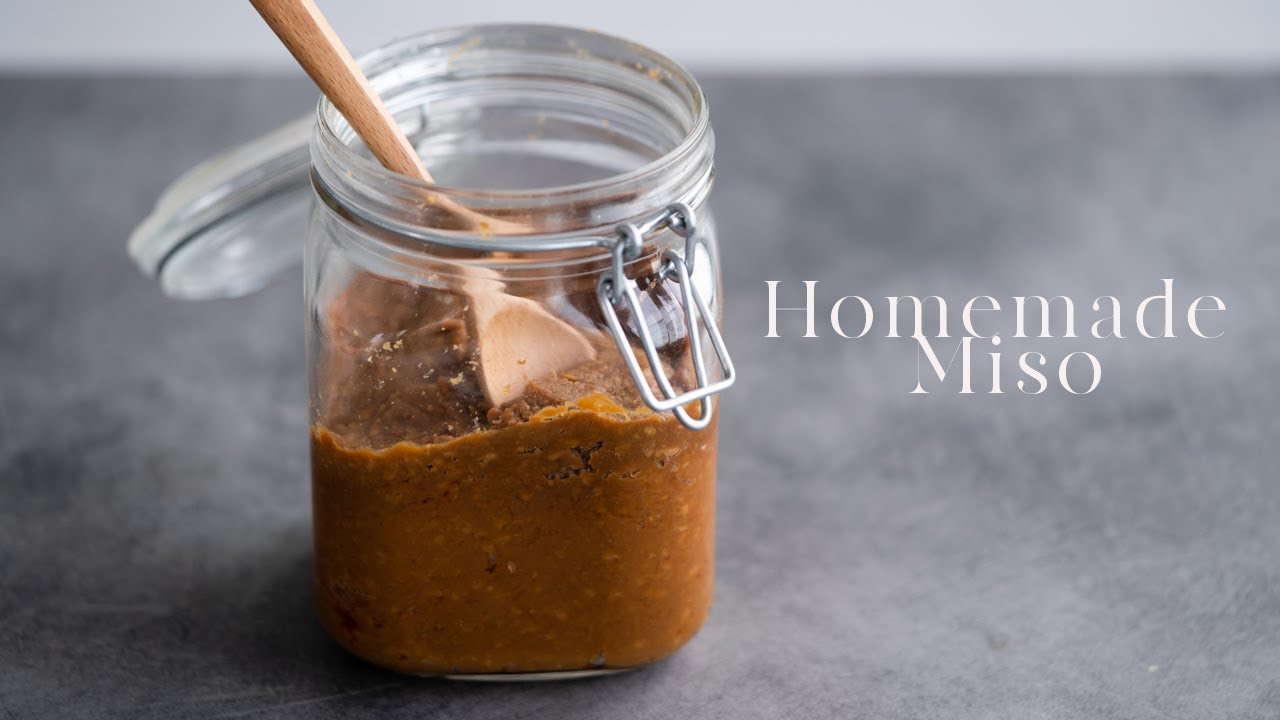
Miso Paste Recipe: Ever opened a tub of miso paste and wondered what kind of magic goes into it? That deep umami flavor that makes miso soup so comforting—it all starts with fermentation, patience, and just a few simple ingredients. The good news? You can make miso paste at home. Yep, right in your kitchen. And it’s easier (and way more rewarding) than you think.
Making your own miso means you’re not just making a condiment. You’re crafting a living, evolving flavor bomb that gets better with time. This guide walks you through every detail, from ingredients to storing, and gives you the confidence to take on this ancient, probiotic-rich culinary art.
Let’s roll up those sleeves and get started.
What is Miso Paste?
Miso paste is a traditional Japanese seasoning made from fermented soybeans, salt, and a fungus called Aspergillus oryzae, commonly known as koji. The fermentation process can last from a few weeks to even years, depending on the type of miso and the desired depth of flavor.
There are a few different types of miso you might come across:
- White Miso (Shiro Miso) – Mild and slightly sweet, usually fermented for a shorter time.
- Red Miso (Aka Miso) – Deeper flavor, saltier, and fermented for longer.
- Mixed Miso (Awase Miso) – A blend of red and white miso, offering a balance of both flavor profiles.
Used in everything from soups to marinades and salad dressings, miso is a kitchen staple in many Asian households and has found its way into global cuisine. It’s savory, complex, and ridiculously versatile.
Health Benefits of Miso
Let’s talk about why miso is more than just a flavor enhancer—it’s a gut hero. Since miso is a fermented food, it’s rich in probiotics, the good bacteria that help your digestive system stay balanced. These same probiotics can help improve immune function, reduce inflammation, and even improve mood (yep, your gut and brain are besties).
Here are just a few health benefits of miso:
- Rich in essential minerals like manganese, zinc, and copper
- Packed with plant-based protein from soybeans
- Excellent source of probiotics, especially if unpasteurized
- May reduce blood pressure and support heart health, according to some studies
The key is making it at home or buying raw miso that hasn’t been pasteurized, because heat can kill the beneficial bacteria.
Why You Should Make Your Own Miso Paste
So why go through the trouble of making miso yourself when you can just buy it? Simple: flavor, control, and quality.
- Flavor: Homemade miso is unlike anything you’ll find on a store shelf. It’s richer, more complex, and uniquely yours.
- Control: Want it a little saltier? A bit sweeter? Prefer a chunkier texture? You’re the boss here.
- No additives: Commercial miso often contains preservatives or alcohol. Homemade miso? Clean as it gets.
- Satisfying AF: Seriously, there’s something rewarding about making something that ferments and transforms over time.
It’s kind of like planting a garden—you wait, you nurture, and then boom: delicious payoff.
Types of Miso Paste You Can Make
There are three main styles of miso you can make at home, depending on your taste and patience level:
White Miso (Shiro)
- Ferments for 1 to 3 months
- Mild, sweet, and creamy
- Great for salad dressings, light soups, and sauces
Red Miso (Aka)
- Ferments for 6 to 12 months (or longer)
- Deep, rich umami flavor
- Best in hearty soups, stews, and marinades
Mixed Miso (Awase)
- Blend of white and red miso
- Balanced flavor
- Super versatile, ideal for any recipe
The longer the fermentation, the darker and more intense the miso. Your kitchen, your rules.
Ingredients You’ll Need
Before we get into the step-by-step guide, let’s go over your shopping list. You only need a few basic ingredients to get started:
Basic Ingredients:
- Soybeans – Organic, dried soybeans work best
- Koji – Fermented rice or barley inoculated with Aspergillus oryzae
- Salt – Non-iodized (sea salt or kosher salt preferred)
- Water – Filtered is ideal
Optional Add-Ins:
- Kombu (kelp) – Adds extra umami
- Dried shiitake mushrooms – Deepens the savory profile
- Other legumes – Chickpeas or black beans can be used in place of soy for variation
You’ll also need patience, because fermentation takes time—but the results are worth every second.
Tools & Equipment Required
Good tools make the process smoother and cleaner. Here’s what you’ll need:
- Large pot – For cooking the soybeans
- Food processor or potato masher – To mash the cooked beans
- Fermentation container – Glass, ceramic, or food-grade plastic
- Cheesecloth or kitchen towel – To cover the container
- Weight or plate with a clean object on top – To press the miso down
- Rubber gloves – Optional but helpful for cleanliness
Sanitizing everything before use is crucial. Miso is a living food, and unwanted bacteria can mess up the process.
How to Source Koji for Miso
Koji might sound exotic, but it’s pretty accessible nowadays.
- Buy online: Specialty Japanese or Asian food stores, Amazon, Cultures for Health
- Make your own: If you’re feeling adventurous, inoculate rice or barley with koji spores (a.k.a. tane koji), but it requires controlled temperature and humidity
- Fresh vs. dried: Dried koji is easier to find and stores longer, while fresh has better fermentation potential
Once you’ve got your koji, you’re ready to ferment like a pro.
Preparing the Soybeans
This is where it all begins—the humble soybean. To get the creamy texture and depth of flavor you want in your miso paste, preparing the soybeans properly is absolutely essential. It takes time, but trust me, it’s totally worth it.
Step 1: Wash Thoroughly
Start by measuring out your dried soybeans—typically, you’ll need about 500g (1.1 lbs) for a medium batch. Rinse them several times under cold running water until the water runs clear. This helps remove any dirt, dust, or impurities.
Step 2: Soak Overnight
Place the washed soybeans in a large bowl and cover with at least three times the amount of water. They’ll swell to nearly triple their size, so give them plenty of space. Soak them for at least 12–18 hours, or overnight.
Step 3: Cook Until Tender
Drain the soaked beans and transfer them to a large pot. Add fresh water (not the soaking water) and bring it to a boil. Lower the heat and simmer for 3–4 hours, or until the beans are very soft and squishable between your fingers.
Tip: Skim off any foam that rises during cooking. It helps keep the flavor clean.
Alternative: Use a Pressure Cooker
Want to cut down the cooking time? Use a pressure cooker. You’ll have soft beans in under an hour. Just be sure they’re fully cooked—they should mash easily with your fingers.
Once your beans are cooked, let them cool until they’re warm but not hot to the touch. High heat can damage the koji and ruin the fermentation.
Mixing the Ingredients
Now comes the fun (and slightly messy) part—turning your beans into a flavorful base for fermentation. This is where you’ll combine your prepared soybeans with koji and salt.
Step 1: Mash the Soybeans
Using your hands, a potato masher, or a food processor, mash the beans until they’re mostly smooth with a few small chunks for texture. Think chunky peanut butter—not baby food.
If you like a rustic texture, mash by hand. Want it super smooth? Go for the food processor.
Step 2: Mix Salt with Koji
In a large bowl, combine your koji with salt. This ensures the salt is distributed evenly throughout the miso and prevents unwanted bacterial growth. Reserve a tablespoon of salt for the top of your container to prevent mold later.
Typical ratios for white miso:
- 500g cooked soybeans
- 500g koji
- 180g salt
For red miso, increase the salt to around 200–220g and decrease the koji slightly.
Step 3: Combine Everything
Now, blend the mashed beans with your salt-koji mixture. Mix it all thoroughly. You want it to feel like a sticky dough, pliable enough to form into firm balls without cracking. If it feels too dry, add a bit of the cooled bean cooking water. Too wet? Add a bit more salt and mix.
Forming it into balls at this stage helps you remove air as you pack it into the container later.
Packing and Storing for Fermentation
Fermentation is where the magic happens. But first, you need to pack your miso mixture correctly to avoid spoilage.
Step 1: Sanitize Your Container
Whether you’re using a ceramic crock, glass jar, or food-grade plastic tub, make sure it’s squeaky clean and sanitized. This step is critical—bad bacteria love dirty environments.
Step 2: Pack the Miso
Take your miso “dough” and form it into baseball-sized balls. Slam each ball into the bottom of the container to remove air pockets. Once all the paste is packed, smooth out the surface as evenly as possible.
Step 3: Add Salt Layer
Sprinkle the reserved tablespoon of salt evenly over the surface. This salt barrier helps prevent mold.
Step 4: Cover and Weigh It Down
Place a piece of plastic wrap or parchment directly on top of the miso to create a barrier, then add a weight. This could be:
- A clean plate with a heavy object on top
- A zip-top bag filled with salted water (to prevent leaks)
Step 5: Cover and Label
Cover the container with a clean cloth or loose-fitting lid to allow airflow but keep dust out. Label with the date and type of miso.
Fermentation Timeline
The next step? Waiting. Miso needs time to develop that deep umami flavor.
White Miso (Shiro):
- Ferment for 1–3 months
- Mild and sweet, perfect for first-timers
Red Miso (Aka):
- Ferment for 6–12 months (some go even longer!)
- Strong, salty, and full-bodied
Tips for Fermenting:
- Store at room temperature, ideally between 65–75°F (18–24°C)
- Avoid direct sunlight and keep it in a cool, dark spot
- Check monthly to ensure no mold is forming
- If white mold appears (like yeast), it’s usually harmless—just scrape it off
- If it’s green, black, or smells off? Toss it and start over
Fermentation isn’t just science—it’s an art. Give it love, and it’ll reward you with rich, savory gold.
Storage After Fermentation
Once your miso has reached its perfect flavor (taste it to know!), it’s time to move it into cold storage to stop fermentation and lock in that goodness.
Refrigeration
Transfer the paste to smaller, airtight containers and store it in the fridge. It will last for up to a year or more, getting even better over time.
Signs It’s Ready:
- Darker color
- Deep, nutty aroma
- Balanced salty-savory flavor
- Smooth, paste-like texture
Spoilage Signs:
- Off smells (sour, rotten)
- Mold that’s black, green, or fuzzy
- Slimy or unusually wet texture
Pro tip: Keep a spoon dedicated to scooping miso to avoid contamination.
Using Your Homemade Miso
Alright, you’ve waited months. Time to dig in and use that glorious miso in your kitchen!
1. Miso Soup
The classic. Just dissolve a tablespoon of miso in warm (not boiling) dashi broth, add tofu, scallions, and seaweed, and you’re golden.
2. Marinades
Mix miso with sake, mirin, and sugar for a delicious marinade for fish, tofu, or meat.
3. Salad Dressings
Whisk together miso, rice vinegar, sesame oil, and honey for a creamy umami dressing.
4. Stir-fries & Glazes
Use miso in a glaze for roasted vegetables or a finishing touch to a stir-fry.
5. Sauces
Mix with tahini, garlic, lemon, and olive oil for a knockout dip or sauce.
The options are endless. Homemade miso will become your go-to secret ingredient for umami-packed meals.
Common Mistakes to Avoid
Miso-making is an age-old art, but even pros mess up sometimes. If you’re making miso at home for the first time, it’s totally normal to be a bit nervous. Avoiding a few key mistakes will drastically improve your chances of crafting a batch you’ll be proud of.
1. Not Using Enough Salt
Salt isn’t just for flavor—it’s essential for preventing bad bacteria from taking over. Some beginners try to reduce salt to make a “healthier” miso, but doing that can lead to spoilage. Stick to recommended ratios. Remember: miso is used in small amounts, so the overall sodium intake per meal is low.
2. Using Iodized Salt
Iodine can interfere with fermentation by inhibiting microbial growth. Always use non-iodized salt like sea salt or kosher salt. It preserves the natural fermentation process without unwanted additives.
3. Poor Hygiene
Fermentation is like gardening—you need to prepare your environment properly. Always sanitize your containers and wash your hands or wear gloves. Any stray bacteria or mold spores from dirty surfaces can ruin your batch.
4. Not Mashing the Beans Enough
Undermashed beans lead to uneven fermentation and an inconsistent texture. You don’t need it to be baby-smooth, but aim for a paste that’s uniform with only a few chunks left for character.
5. Leaving Air Pockets
Air is the enemy during fermentation. It encourages mold growth. When packing your miso into containers, make sure to press down hard and eliminate any gaps. Use the “miso ball” technique to help with this.
6. Impatience
Fermentation takes time. Trying to use your miso too early can lead to bland or unfinished flavors. White miso needs at least a month. Red miso? Give it six months minimum. It’s a waiting game, but the results are worth every day you wait.
By avoiding these common mistakes, you’ll be much more likely to end up with a rich, complex miso paste that tastes like it came straight out of a high-end Japanese kitchen.
FAQs about Miso Paste Recipe
1. Can I use other beans besides soybeans for miso?
Absolutely! While soybeans are traditional, many people experiment with chickpeas, black beans, or even lentils. Chickpea miso is especially popular for those with soy allergies. The flavor and texture will vary, but it’s a great way to customize your miso.
2. Is homemade miso paste gluten-free?
It depends on the koji. If you’re using rice koji or soybean koji, then yes—it’s gluten-free. But barley koji contains gluten. Always check the source of your koji if you’re cooking for someone with celiac disease or gluten intolerance.
3. What if mold appears on my miso during fermentation?
It’s not uncommon to see a bit of white mold (kōji-kin) on the surface—that’s usually harmless. Just scrape it off gently. However, if you see black, green, or fuzzy mold, that’s a red flag. It’s best to discard the batch and sanitize everything before starting over.
4. Can I speed up the fermentation process?
Miso needs time to develop flavor. While warmer temperatures can speed it up slightly, rushing fermentation often leads to inferior taste. White miso is your best bet for a “quick” batch—ready in 1–3 months.
5. Does homemade miso taste better than store-bought?
In most cases—yes! Store-bought miso is often pasteurized (which kills beneficial microbes) and can contain preservatives. Homemade miso is alive, fresh, and tailored to your taste. Plus, the pride of making it yourself adds an unbeatable flavor.
Conclusion
Making miso at home is more than a recipe—it’s a ritual. It connects you with centuries of tradition and invites you to slow down in a fast-paced world. With just soybeans, koji, salt, and time, you can create something deeply flavorful, nourishing, and uniquely yours.
There’s something magical about the transformation that happens during fermentation. Over weeks and months, your humble bean mash evolves into a living, breathing paste of umami goodness—ready to enrich your dishes and impress your taste buds.
So if you’ve ever thought, “I could never do that,” think again. Miso-making isn’t just for master chefs in Tokyo or fermentation nerds on YouTube. It’s for anyone with a little curiosity, a love of flavor, and a dash of patience.
Go make some miso magic. You’ll be amazed by what you can create in your own kitchen.