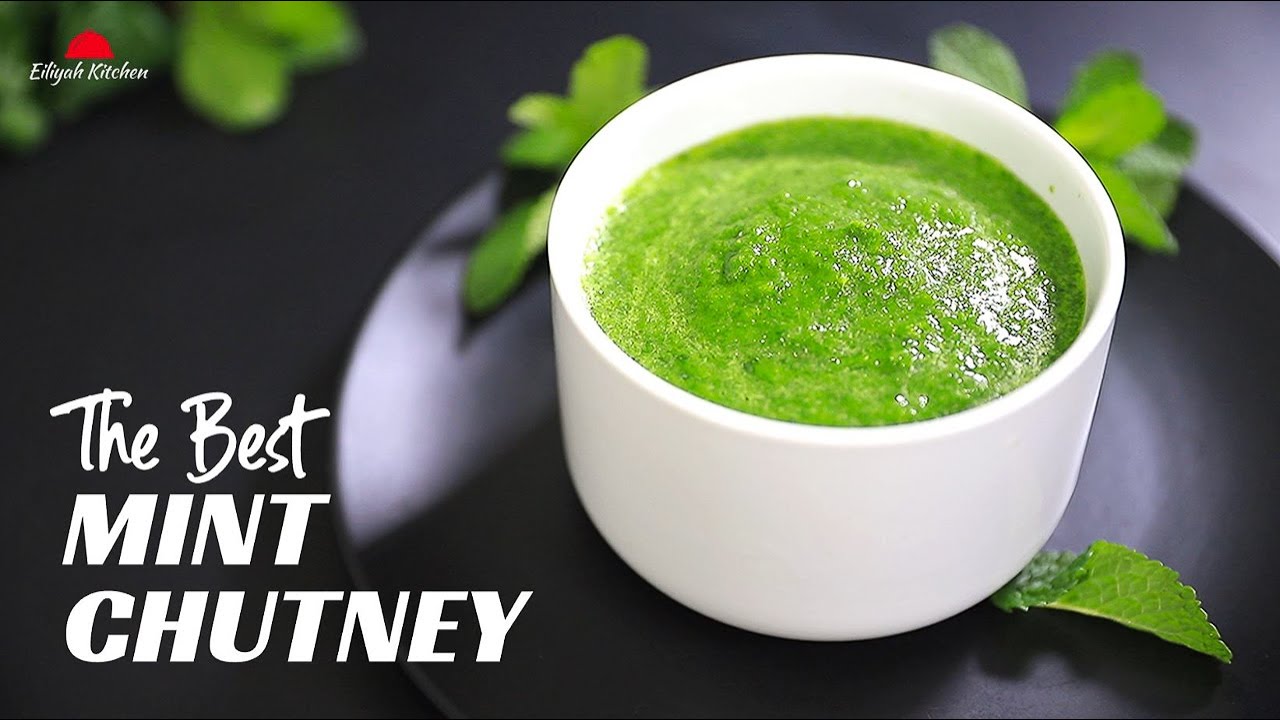
Mint Chutney Recipe: Mint chutney, also known as Pudina chutney, is one of those magical condiments that can transform even the simplest meal into something extraordinary. It’s vibrant, tangy, spicy, and oh-so-refreshing.
This easy-to-make chutney is a staple in Indian households and is commonly served with snacks like samosas, pakoras, kebabs, chaats, or even as a sandwich spread.
If you’re looking to spice up your meals and add a zesty punch, this mint chutney recipe is your go-to guide.
What is Mint Chutney?
Mint chutney is a classic Indian dip made using fresh mint leaves, coriander leaves, green chilies, and a handful of spices blended together to form a smooth, aromatic paste. Unlike creamy dips, this chutney is water-based, light, and bursting with natural flavor. It’s commonly served as an accompaniment in Indian street food and restaurant-style meals.
What makes it unique is its versatility—it pairs well with spicy, fried snacks but also tastes incredible with grilled items, rice dishes, and wraps. It’s vegan, gluten-free, and can be customized easily to suit your taste preferences—whether you like it spicy, tangy, or sweet.
Why You’ll Love This Recipe
There are plenty of reasons to fall in love with this mint chutney recipe:
- Quick and Easy: It takes less than 10 minutes to prepare!
- No Cooking Needed: It’s a raw chutney—just blend and you’re done.
- Customizable: Whether you want it spicy, tangy, or slightly sweet, you can adjust the ingredients.
- Super Fresh: The use of fresh herbs makes it vibrant and incredibly refreshing.
- Healthy: Made with wholesome ingredients and no preservatives.
- Multipurpose: Use it as a dip, spread, dressing, or marinade.
If you’ve never made chutney at home before, don’t worry—this step-by-step guide will walk you through everything you need to know.
Ingredients You’ll Need
Let’s break down the ingredients needed for a traditional mint chutney. Most of these are pantry staples in an Indian kitchen, but they’re also widely available in supermarkets and online.
Fresh Ingredients
- Mint Leaves (Pudina) – 1 cup, tightly packed
- Coriander Leaves (Cilantro) – 1 cup, roughly chopped
- Green Chilies – 1 to 2, depending on spice level
- Ginger – ½ inch piece, peeled
- Garlic (Optional) – 1 small clove
- Lemon Juice – 1 tablespoon for tang and freshness
- Water – 2-3 tablespoons or as needed
Spices and Seasonings
- Cumin Seeds (Jeera) – ½ teaspoon
- Black Salt or Regular Salt – to taste
- Chaat Masala (Optional) – ½ teaspoon for extra zing
- Sugar (Optional) – ½ teaspoon, balances flavors
Optional Add-ons for Variations
- Yogurt (Curd) – for a creamy mint chutney
- Tamarind Pulp – adds a tangy-sweet taste
- Roasted Peanuts – for nutty flavor and thickness
How to Pick the Best Mint for Chutney
Choosing the right mint is crucial for a flavorful chutney. Go for fresh, bright green leaves with no dark spots or wilting. Avoid mint that’s too mature or has yellowing stems. Organic mint, if available, is always a plus because it’s grown without pesticides and has a more robust flavor.
Always wash the leaves thoroughly to remove dirt or small insects. Pluck only the leaves (discard stems) to prevent bitterness in the chutney. You can store fresh mint wrapped in a damp paper towel in the fridge for a couple of days before use.
Tools and Equipment Required
You don’t need any fancy tools to make mint chutney. Here’s what you’ll need:
- A good blender or mixer grinder
- Measuring cups and spoons
- A knife and chopping board
- A spatula to scrape down the sides
- An airtight container to store the chutney
That’s it! Once you have these basics ready, you can make mint chutney anytime.
Step-by-Step Guide to Make Mint Chutney
Step 1: Clean and Prep the Mint and Coriander Leaves
Start by separating the mint leaves from the stems. Do the same with coriander. Wash both thoroughly under running water at least 2-3 times. This helps remove any dirt, sand, or pesticide residues. Drain using a sieve or pat dry with a kitchen towel.
It’s important to avoid excess water as it can make the chutney runny and reduce its shelf life.
Step 2: Gather the Other Ingredients
Peel the ginger, deseed the green chilies if you want a milder chutney, and gather your cumin, salt, lemon juice, and optional add-ons. Having everything ready will make the blending process quick and smooth.
Step 3: Add All Ingredients to a Blender
In your blender jar, add:
- Mint leaves
- Coriander leaves
- Green chilies
- Ginger
- Garlic (if using)
- Cumin seeds
- Salt
- Lemon juice
- Sugar or chaat masala (if using)
- A little water to help it blend
Make sure the leaves are pushed down to the blades to ensure even grinding.
Step 4: Blend Until Smooth
Blend everything into a fine paste. Pause in between to scrape down the sides. If the chutney is too thick, add a teaspoon of water at a time. Don’t add too much water initially—it’s easier to thin it later than fix a watery chutney.
The consistency should be smooth but not runny. The color will be a vibrant green.
Step 5: Adjust Seasoning and Consistency
Taste the chutney and adjust salt, spice, or lemon juice as needed. Want it tangier? Add more lemon. Want it milder? Add some yogurt or a pinch of sugar.
Once you’re happy with the taste and texture, transfer it to a serving bowl or storage container.
Tips for Making the Perfect Mint Chutney
Even though mint chutney is super easy to make, a few simple tips can take your chutney from good to absolutely amazing.
- Use only the leaves – Mint stems can make your chutney bitter. Always pluck the leaves and discard the stems.
- Balance flavors – If the chutney is too spicy, balance it with a bit of sugar or yogurt. If it’s too tangy, reduce lemon juice or skip chaat masala.
- Add ice cubes while blending – This keeps the chutney green and fresh-looking. Heat from the blender motor can dull the color.
- Use cold water – Just like ice cubes, cold water helps preserve the vibrant color of the herbs.
- Don’t over-blend – Over-blending generates heat, which can cause discoloration. Pulse in short bursts instead.
- Store it right – Always store in an airtight glass container. Avoid metal, as it can react with the acidity from lemon or tamarind.
These tips ensure your chutney tastes fresh, looks appealing, and stays delicious even after a day or two.
Different Ways to Customize Your Mint Chutney
One of the best things about mint chutney is how easily it can be customized to suit your taste or dietary preference.
Here are a few popular variations:
1. Mint Yogurt Chutney
Blend 2 tablespoons of thick curd/yogurt into the chutney. This adds a creamy texture and mellows the spice, making it perfect for kebabs or grilled meats.
2. Tamarind Mint Chutney
Add 1 tablespoon of tamarind pulp for a tangy, slightly sweet flavor. This is especially good with chaats or samosas.
3. Sweet Mint Chutney
Add a teaspoon of jaggery or sugar and a bit of tamarind for a sweet-sour twist. Kids love this version!
4. Spicy Mint Chutney
Double the green chilies or add a small piece of raw mango for an extra punch. Great with fried snacks.
5. Nutty Mint Chutney
Add roasted peanuts or cashews while blending. This makes the chutney thicker, nuttier, and richer—perfect for sandwich spreads.
You can even combine a few of these ideas. For example, tamarind + jaggery + peanuts = a sweet, tangy, nutty mint chutney!
Serving Suggestions
Mint chutney is incredibly versatile. It’s not just a dip; it can elevate so many dishes! Here are some of the best ways to serve it:
- With Indian Snacks: Samosas, pakoras, kachoris, tikkis – you name it.
- With Grilled or Roasted Dishes: Chicken tikka, paneer tikka, seekh kebabs, or roasted veggies.
- As a Sandwich Spread: Mix with mayonnaise or butter and use in sandwiches or wraps.
- In Chaats: Dahi puri, bhel puri, aloo chaat – this chutney brings them to life.
- With South Indian Dishes: Pair it with idli, dosa, or vada for a North-South fusion.
- With Rice: Yes, you can mix mint chutney with hot rice and ghee—it tastes divine!
The possibilities are endless. Just a spoonful can add a flavor boost to even the plainest dish.
What to Serve Mint Chutney With
Looking for inspiration? Here’s a helpful table of popular foods that pair beautifully with mint chutney:
| Dish Name | Best Chutney Pairing |
|---|---|
| Samosas | Classic mint chutney |
| Grilled Chicken | Yogurt-based mint chutney |
| Paneer Tikka | Spicy mint chutney |
| Bhel Puri | Sweet & tangy mint chutney |
| Sandwiches | Nutty mint chutney spread |
| Veg Pakoras | Classic mint + tamarind mix |
| Aloo Tikki | Chaat-style mint chutney |
| Dosa/Idli | Coconut-mint chutney |
You can get creative and experiment by pairing it with burgers, tacos, or even pasta salads for a fusion twist.
Storing and Shelf Life
Mint chutney is best enjoyed fresh, but if stored properly, it can last for a few days without losing flavor.
- In the refrigerator: Store in an airtight glass container. It will stay fresh for 3 to 4 days.
- Avoid contamination: Use a clean spoon every time to prevent spoilage.
- To maintain the color: Squeeze a few extra drops of lemon juice while storing.
- Don’t leave it out too long: Always refrigerate within an hour of making it.
Can You Freeze Mint Chutney?
Yes, absolutely! Freezing is a great way to preserve mint chutney for weeks without losing much flavor.
Here’s how:
- Pour the chutney into ice cube trays and freeze.
- Once frozen, pop out the cubes and transfer them to a zip-lock bag or airtight container.
- Label the container with the date.
These frozen cubes can be thawed and used as needed. Just note that the color might dull slightly, but the taste will remain delicious. For best quality, use within 1 month of freezing.
Common Mistakes to Avoid
Avoiding these common errors will ensure your mint chutney is vibrant, tasty, and not bitter or watery.
- Using stems of mint – This can make your chutney bitter.
- Adding too much water – Makes it watery and dulls the flavor.
- Over-blending – Generates heat, dulling both taste and color.
- Improper storage – Not refrigerating or using metal containers can spoil the chutney.
- Not tasting before storing – Always adjust spice, salt, and tang after blending.
Stick to the steps, and you’ll end up with a perfect chutney every single time.
Health Benefits of Mint Chutney
Beyond flavor, mint chutney packs quite a few health perks:
- Aids Digestion – Mint and cumin are known to soothe the stomach and reduce bloating.
- Boosts Immunity – Coriander and mint are rich in antioxidants.
- Low-Calorie Dip – A guilt-free replacement for creamy dressings or sauces.
- Rich in Vitamins – Mint leaves contain vitamins A and C.
- Anti-inflammatory – Ginger and green chilies provide anti-inflammatory benefits.
So yes, mint chutney is more than just a side—it’s a healthy, immunity-boosting powerhouse!
FAQs about Mint Chutney Recipe
1. Can I make mint chutney without coriander?
Yes, but the flavor will be sharper. You can balance it by adding a little yogurt or tamarind.
2. How do I prevent the chutney from turning black?
Use cold water or ice cubes while blending and add lemon juice to preserve the color.
3. Is mint chutney good for weight loss?
It’s low in calories and helps with digestion, so it can be a great addition to a weight-loss diet.
4. Can I use dried mint instead of fresh mint?
Fresh mint is strongly recommended for the best flavor. Dried mint will not give the same taste or color.
5. What’s the best substitute for green chili in this recipe?
You can use black pepper or a pinch of red chili powder, though the flavor will vary.
Conclusion
Mint chutney is a staple in Indian cuisine for a reason—it’s fresh, versatile, and incredibly easy to make. With just a few ingredients and a blender, you can whip up a vibrant, flavorful chutney in minutes that elevates any dish. Whether you’re pairing it with street food, grilled meats, or sandwiches, its cool freshness and spicy kick make it unforgettable.
Try it once, and you’ll be hooked. And with all the variations and health benefits, there’s no reason not to keep a jar in your fridge (or freezer) at all times!