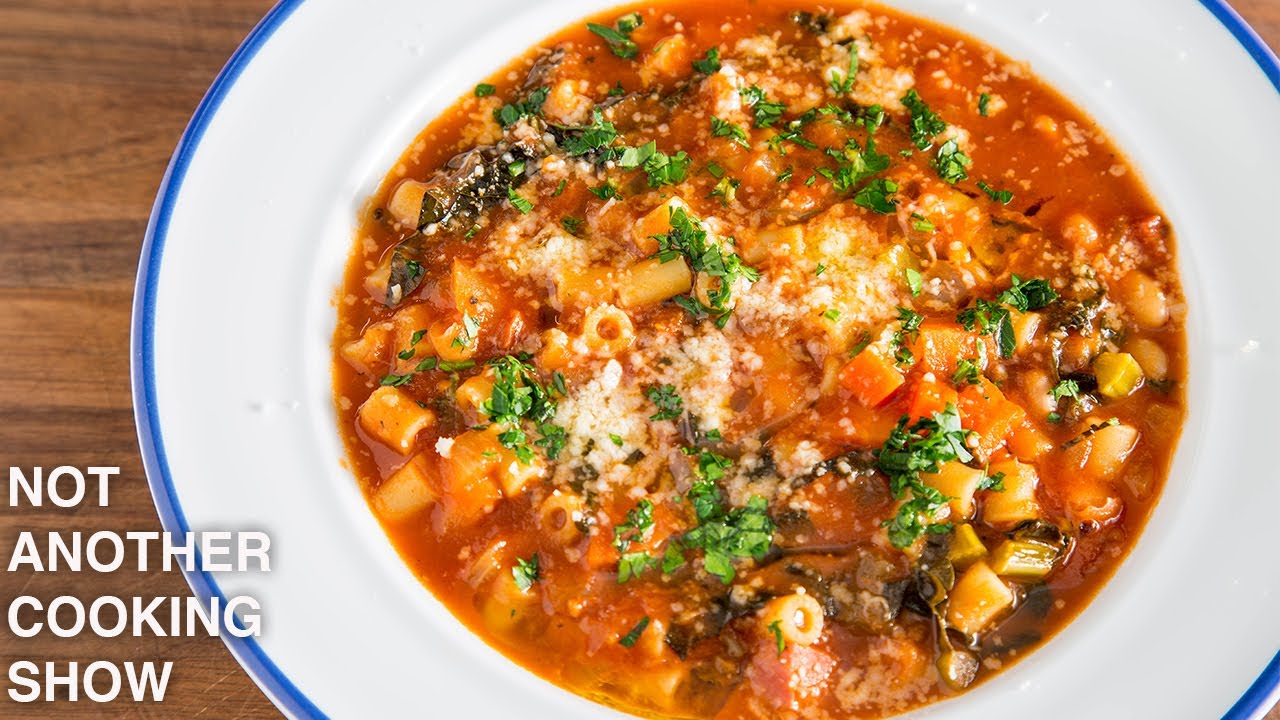
Minestrone Recipe: Minestrone is more than just a vegetable soup—it’s a hearty, wholesome, and deeply satisfying dish that’s loved all around the world. Originally from Italy, this rustic soup is a staple in Italian cuisine and varies widely depending on the region, the season, and what ingredients are on hand. Unlike other soups that follow a rigid recipe, minestrone thrives on flexibility. You can mix and match vegetables, beans, pasta, or rice to make it your own.
The beauty of minestrone lies in its simplicity. It’s a comforting one-pot meal that brings together fresh vegetables, fragrant herbs, and a rich, savory broth. Whether you’re looking for a light summer dish or a cozy winter bowl, minestrone delivers every time.
History and Origins of Minestrone Soup
The story of minestrone dates back to ancient Rome, when the diet of the average citizen was primarily vegetarian. The earliest versions of this soup were made with onions, garlic, lentils, cabbage, and other locally available vegetables. As trade expanded and more ingredients became available, the soup evolved into the minestrone we know today.
It was originally a dish for the poor, made with leftover vegetables and pantry staples. But as it spread across regions, it took on different forms. Northern Italy added rice, the South introduced pasta, and some even added meat for extra richness. Each variation is a testament to the resourcefulness and creativity of home cooks throughout the centuries.
Why Minestrone is Perfect for Any Season
One of the best things about minestrone is its adaptability. In the spring and summer, you can use zucchini, green beans, and fresh herbs. Come fall and winter, hearty root vegetables like carrots, potatoes, and kale shine through. It’s a recipe that invites creativity and seasonal experimentation.
Not only is it flexible with ingredients, but it also fits any occasion. It can be a light appetizer or a filling main course. Add some crusty bread on the side, and you’ve got a complete meal. Plus, it’s easy to make in large batches and freezes well, making it ideal for meal prep.
Ingredients You’ll Need
Fresh Vegetables
Vegetables are the heart and soul of any minestrone. While there’s no fixed list, the most common ones include:
- Onions – For a flavorful base.
- Garlic – Adds a kick and depth to the broth.
- Carrots and Celery – The classic mirepoix combo.
- Zucchini and Green Beans – For freshness and texture.
- Tomatoes – Either fresh or canned, they bring acidity and richness.
- Spinach or Kale – A handful of greens added at the end for a nutritional boost.
Feel free to raid your fridge for whatever you have. That’s the beauty of this dish—it’s perfect for using up leftover veggies.
Beans and Legumes
Beans provide the protein and make this soup a full meal. You can use:
- Cannellini beans
- Kidney beans
- Chickpeas
- Lentils (if you’re going for a different texture)
Canned beans are convenient and work just fine, but if you have time, cooking dried beans adds a whole new depth of flavor.
Herbs and Seasonings
To make the broth sing, you need the right blend of herbs and seasonings:
- Bay leaves
- Thyme
- Rosemary
- Basil or Oregano
- Salt and Pepper
- Chili flakes (optional, for a bit of heat)
You can use fresh or dried herbs, but fresh ones added at the end bring a brightness that dried herbs just can’t match.
Pasta or Rice
This is where minestrone gets its extra body. Tiny pasta shapes like ditalini, elbow macaroni, or small shells are commonly used. Alternatively, you can go for rice or even barley for a different twist.
Just remember, if you’re making a big batch to freeze, cook the pasta or rice separately and add it when reheating. This prevents it from soaking up all the broth and turning mushy.
Kitchen Tools Required
Essential Utensils
You don’t need fancy gadgets to make minestrone, just some kitchen basics:
- Cutting board and sharp knife – For chopping all those veggies.
- Measuring cups and spoons – To get your proportions right.
- Wooden spoon or spatula – For stirring the pot.
A soup ladle is also handy when it comes time to serve.
Recommended Cookware
- Large soup pot or Dutch oven – This is the most important piece. It needs to be big enough to hold all your ingredients and sturdy enough for a long simmer.
- Colander – Useful for draining canned beans or rinsing vegetables.
- Blender or immersion blender (optional) – If you want to puree part of the soup for a creamier texture.
Step-by-Step Instructions to Make Minestrone
Step 1 – Prepare the Vegetables
Start by washing and chopping all your vegetables. Dice the onions, mince the garlic, and chop carrots, celery, and zucchini into bite-sized pieces. Drain and rinse your beans if using canned, and measure out your herbs and spices.
Preparation is key here. Having everything ready before you turn on the stove will make the cooking process smooth and stress-free. It’s also a great opportunity to involve kids or other family members—give them safe jobs like rinsing the beans or tearing up spinach leaves.
Step 2 – Sauté the Aromatics
Now that your ingredients are prepped, it’s time to build flavor. Heat a generous splash of olive oil in a large soup pot or Dutch oven over medium heat. Add the chopped onions, carrots, and celery—this trio is the foundation of so many great soups, and minestrone is no exception.
Sauté the vegetables for about 8–10 minutes, stirring frequently, until the onions turn translucent and the carrots start to soften. Next, add the minced garlic and cook for another minute. Be careful not to let it burn—garlic can go from golden to bitter in a flash.
This step is where the magic starts to happen. The gentle cooking of the aromatics brings out their natural sweetness and sets the tone for the rest of the dish. If you’re using dried herbs like thyme or oregano, you can add them now so they infuse into the oil and become fragrant.
Optional tip: Add a tablespoon of tomato paste at this stage and cook it down for a couple of minutes. It deepens the flavor and adds a rich, umami backbone to your broth.
Step 3 – Add the Broth and Simmer
Once your aromatics are golden and fragrant, it’s time to turn this into a proper soup. Pour in your broth—vegetable broth for a vegetarian version or chicken broth if you prefer a meatier flavor. Use about 6–8 cups depending on how chunky or brothy you like your minestrone.
Then, add your diced tomatoes (either fresh or canned) and toss in a couple of bay leaves for added depth. Stir everything together, scraping the bottom of the pot to loosen any flavorful bits.
Bring the soup to a gentle boil, then reduce the heat and let it simmer. This is the step where the flavors really start to meld. Let it cook for 20–30 minutes, uncovered, so the vegetables soften and the broth thickens slightly.
Taste as you go. Add salt and pepper, or a pinch of sugar if your tomatoes are a bit too acidic. Minestrone isn’t about following exact rules—it’s about balance and intuition.
Step 4 – Add Beans and Pasta
Once your veggies are tender and your kitchen smells incredible, it’s time to add the heartiness. Stir in your cooked or canned beans—kidney, cannellini, or chickpeas are all great options. Let them simmer in the broth for 5–10 minutes to absorb the flavor.
Then add your pasta. Small pasta shapes like ditalini or elbow macaroni work best. Use about 1 cup of dry pasta and let it cook directly in the soup. This helps the pasta absorb all that wonderful broth, enhancing every bite.
Keep an eye on it, though—pasta can quickly go from al dente to overcooked if left unattended. Stir often to prevent sticking, and taste a piece to check for doneness.
Pro tip: If you’re planning to store or freeze the soup, consider cooking the pasta separately and adding it to individual portions. This keeps it from getting soggy and maintains the soup’s texture over time.
Step 5 – Finish with Fresh Herbs and Serve
As the pasta finishes cooking, it’s time for the final flourish. Stir in a handful of fresh spinach or kale, and let it wilt into the soup. This adds color, nutrients, and a lovely fresh note.
Now remove the pot from heat and discard the bay leaves. Taste one last time and adjust the seasoning if needed. Want more heat? Add a pinch of red pepper flakes. Want more body? Grate in some Parmesan cheese or stir in a spoonful of pesto.
Ladle the soup into bowls, drizzle with extra virgin olive oil, and top with freshly grated Parmesan if you like. Serve with crusty bread or garlic toast on the side—it’s practically mandatory.
Congratulations! You’ve just made a batch of comforting, delicious, homemade minestrone soup. Whether it’s your first time or your hundredth, it never gets old.
Tips and Tricks for the Best Minestrone
Adjusting for Dietary Needs
One of the greatest things about minestrone is how easily it adapts to dietary preferences and restrictions. Whether you’re cooking for a vegetarian, someone gluten-free, or a low-sodium diet, minestrone has your back.
- Vegetarian/Vegan: Use vegetable broth and skip cheese or replace it with a vegan alternative. Instead of Parmesan, try nutritional yeast for a cheesy, umami flavor.
- Gluten-Free: Opt for gluten-free pasta or even replace the pasta altogether with rice, quinoa, or lentils. Make sure to read labels, especially if using canned ingredients.
- Low-Carb/Keto: Ditch the pasta and beans, and load up on low-carb vegetables like zucchini, spinach, mushrooms, and cauliflower.
- High-Protein: Boost protein with extra beans, tofu, or even shredded chicken if you’re not sticking to a vegetarian version.
Don’t be afraid to get creative. This soup thrives on personalization. The key is balancing flavor, texture, and nutrition while staying true to your taste buds.
Making it Ahead and Freezing
Minestrone is a meal-prepper’s dream. It not only tastes better the next day, but it also freezes beautifully. In fact, many say it’s even more flavorful after sitting for a day or two in the fridge.
Tips for storing and freezing:
- Refrigeration: Let the soup cool completely before transferring it to airtight containers. Store for up to 5 days. Reheat on the stove or in the microwave.
- Freezing: Omit the pasta if you’re freezing. Pasta tends to get mushy when thawed and reheated. Instead, cook it fresh and add it to each portion when serving.
- Portion control: Freeze in individual portions for easy grab-and-go meals. Just thaw overnight in the fridge or reheat directly from frozen over low heat.
With a batch of minestrone in your freezer, a nourishing and satisfying meal is always just minutes away.
Nutritional Benefits of Minestrone Soup
A Healthy Choice for All Ages
Minestrone isn’t just delicious—it’s packed with nutrients that make it a stellar choice for any diet. Whether you’re feeding picky kids, hungry teens, or trying to eat healthier yourself, it’s hard to go wrong with this veggie-loaded powerhouse.
Here’s a breakdown of its health benefits:
- Rich in Fiber: Between the vegetables and beans, minestrone offers a healthy dose of fiber. This helps with digestion, keeps you full longer, and supports heart health.
- Low in Calories: Despite being filling, it’s relatively low in calories—perfect for weight management or light dinners.
- Loaded with Vitamins and Minerals: You get a full spectrum of nutrients including vitamin A, C, K, potassium, magnesium, and iron.
- Protein-Packed: Thanks to the beans (and optional pasta or tofu), there’s enough protein to make this a complete meal.
- Heart-Healthy: The olive oil, beans, and vegetables make it naturally cholesterol-free and great for your cardiovascular system.
If you’re looking to feed your body and soul with something warm, nourishing, and guilt-free, minestrone is the way to go.
FAQs about Minestrone Recipe
1. Can I make minestrone in a slow cooker?
Absolutely! Sauté the aromatics first, then transfer everything to a slow cooker. Cook on low for 6–8 hours or high for 3–4 hours. Add pasta in the last 30 minutes.
2. What’s the best pasta to use in minestrone?
Small shapes like ditalini, elbow macaroni, or small shells work best. They cook evenly and are easy to eat in a spoonful of soup.
3. How can I thicken my minestrone soup?
Blend a small portion of the soup and stir it back in, or mash some of the beans. This creates a thicker, creamier texture without adding cream.
4. Can I use frozen vegetables in minestrone?
Yes! Frozen veggies are a great time-saver. Add them straight to the pot—no need to thaw. Just adjust cooking times accordingly.
5. Is minestrone good for weight loss?
Definitely. It’s low in calories and high in fiber, which makes you feel full longer. Just be mindful of the portion size and type of pasta used.
Conclusion
Minestrone is more than just a soup—it’s a celebration of fresh ingredients, simple techniques, and cozy flavors that never go out of style. Whether you’re making it as a weeknight dinner, a leftover-clearing weekend special, or a make-ahead freezer meal, it always hits the spot.
What makes it so magical is how customizable it is. Don’t have zucchini? Use squash. Out of pasta? Add rice. Hate kale? Spinach will do just fine. It’s a forgiving, flexible recipe that allows you to get creative while still producing a delicious and wholesome result.
Plus, it brings people together. There’s nothing like sharing a big pot of homemade soup with friends or family, paired with some warm bread and good conversation. So grab a spoon, stir up a pot, and let this Italian classic become a staple in your kitchen.