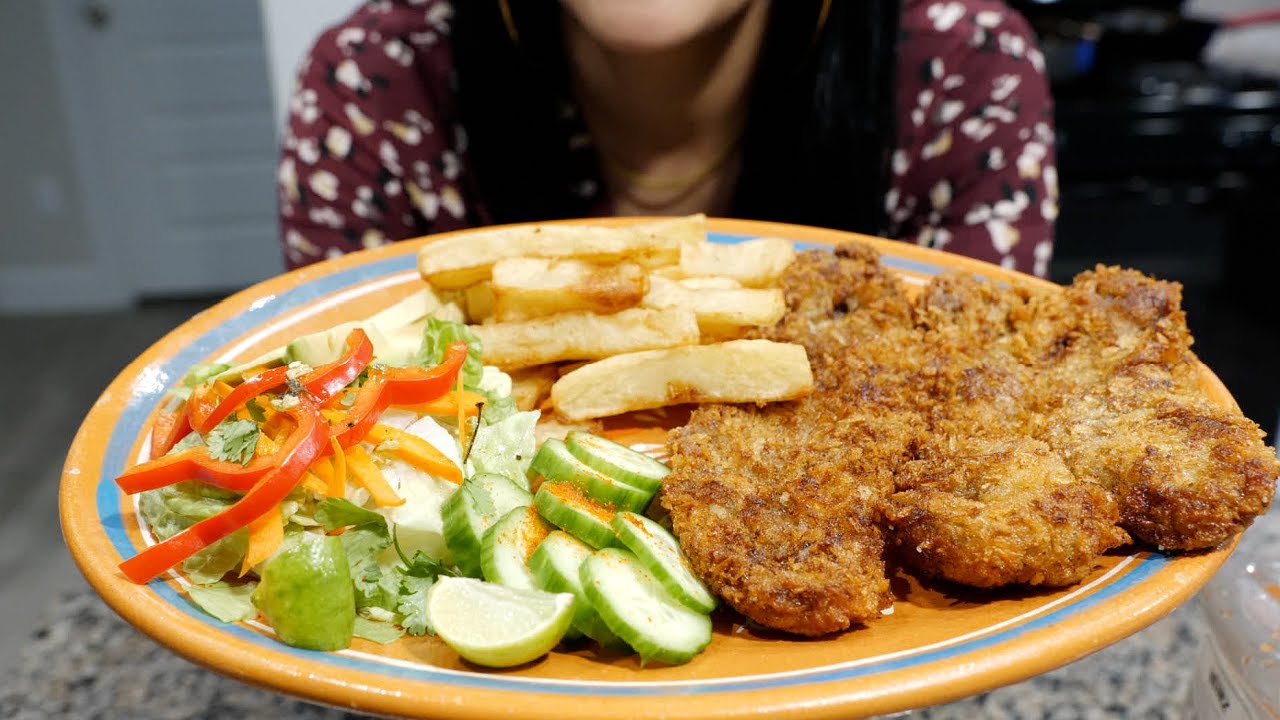
Milanesa Recipe: If you’ve ever visited Argentina, Uruguay, or even Mexico, chances are you’ve heard of Milanesa. This beloved dish is a staple in Latin American households, often served as comfort food during family gatherings or as a quick but satisfying weeknight meal. Imagine a golden, crispy piece of thinly breaded meat, bursting with flavor, paired with simple sides like mashed potatoes, fries, or salad. That’s the magic of Milanesa.
So, what exactly is it? In simple words, Milanesa is a breaded cutlet, usually made from beef, chicken, or even vegetables. It’s similar to the Italian Cotoletta alla Milanese or the German Schnitzel, but Latin American kitchens have given it their own twist. From street food to fancy restaurants, Milanesa holds a special place in Latin cuisine.
The origins of Milanesa can be traced back to Italian immigrants who settled in South America. They brought with them their love for breaded and fried meats, which gradually evolved into what we know today as Milanesa. Over time, each country adapted the recipe to local tastes and ingredients, making it a versatile dish enjoyed in countless variations.
What makes Milanesa so special is its simplicity. With just a handful of pantry staples, you can transform a plain piece of meat into something crunchy, juicy, and utterly delicious. It’s also a crowd-pleaser—kids love it, adults crave it, and you can serve it in sandwiches, over rice, or as the star of the plate.
If you’re ready to bring this Latin classic into your kitchen, let’s break it down step by step, starting with the ingredients you’ll need.
Ingredients You’ll Need
One of the best things about Milanesa is that you don’t need fancy or hard-to-find ingredients. Most of the items are probably already sitting in your pantry. To keep things simple, let’s go through the essentials first, and then I’ll share some optional add-ons to make your dish extra special.
Essential Ingredients for Milanesa
- Meat: Beef round, chicken breast, or veal cutlets are the most popular choices. Thin cuts are best for quick frying.
- Eggs: Act as the binding agent that helps the breadcrumbs stick.
- Breadcrumbs: Traditional plain breadcrumbs or panko for extra crunch.
- Flour: For the initial coating so the eggs stick better.
- Garlic & Parsley: Freshly minced for flavoring the eggs.
- Salt & Pepper: Basic seasoning for taste.
- Oil: Neutral oils like sunflower or vegetable oil are perfect for frying.
Optional Add-ons and Variations
- Parmesan cheese – Mix with breadcrumbs for a cheesy crust.
- Oregano or paprika – Add a kick of flavor to the breading.
- Mustard or Worcestershire sauce – Mix into the egg wash for depth of flavor.
- Lemon wedges – For serving, adding brightness to the fried cutlets.
Best Meat Cuts for Milanesa
Choosing the right meat cut makes a huge difference in texture and taste:
- Beef Milanesa: Top round, sirloin tip, or thin flank steak.
- Chicken Milanesa: Boneless, skinless chicken breast, pounded thin.
- Veal Milanesa: Traditional and tender, but a bit pricier.
The key is always the same—thin cuts that cook quickly without drying out.
Now that we’ve covered the shopping list, let’s dive into the fun part: preparing Milanesa step by step.
Step-by-Step Guide to Making Milanesa
Step 1 – Preparing the Meat
The first step is to prepare the meat correctly. If you’re using chicken breasts, slice them lengthwise into thinner fillets. For beef or veal, ask your butcher to cut thin steaks, or pound them yourself with a meat mallet until they’re about 1/4-inch thick. The thinner the cut, the quicker and crispier it will cook.
Trimming off excess fat is also a good idea, especially if you want a uniform texture. Some people even soak the meat in milk or lemon juice for about 30 minutes before breading—this tenderizes the meat and adds a subtle flavor.
Once your meat is ready, pat it dry with a paper towel. This ensures the flour, egg, and breadcrumb coating sticks perfectly without sliding off during frying.
Step 2 – Seasoning and Marinating
Here’s where the flavor magic begins. Season your meat generously with salt and pepper on both sides. For extra flavor, whisk eggs in a bowl and mix in minced garlic, parsley, and a splash of milk or mustard. Dip the meat into this egg mixture and let it rest for at least 15 minutes.
This simple marinating process not only seasons the meat but also helps tenderize it. If you have extra time, you can let it sit in the fridge for a couple of hours to intensify the flavors.
Think of this step as laying the foundation for that mouthwatering Milanesa taste—it’s worth the patience.
Step 3 – Breading the Meat Properly
The breading process is what gives Milanesa its signature crunch. Set up a dredging station with three shallow plates: one with flour, one with the egg mixture, and one with breadcrumbs.
- Coat the meat in flour – shake off excess.
- Dip into the egg mixture – make sure it’s fully covered.
- Press firmly into breadcrumbs – for an even, crispy coating.
For an extra crunchy Milanesa, repeat the egg-and-breadcrumb step twice. Once coated, place the meat on a tray and let it rest for about 10 minutes before frying. This prevents the breading from falling apart.
Step 4 – Frying the Milanesa to Perfection
This is the moment where all your preparation pays off—the sizzling, golden crust that makes Milanesa irresistible. To achieve the perfect fry, you’ll want to use a wide skillet or frying pan and fill it with enough oil to cover at least half of the cutlet. A neutral oil like sunflower, canola, or vegetable oil works best because it won’t overpower the flavors of the breaded meat.
Heat the oil over medium-high heat until it reaches around 350°F (175°C). If you don’t have a thermometer, you can test it by dropping a small breadcrumb into the oil; if it sizzles and rises immediately, the oil is ready.
Carefully lay the breaded cutlets into the hot oil without overcrowding the pan. Fry for about 2–3 minutes per side until they’re golden brown and crispy. Overcrowding lowers the oil temperature and can make the breading soggy, so fry in batches if necessary.
Once fried, transfer the Milanesa to a plate lined with paper towels to drain excess oil. This step is crucial for keeping them crispy instead of greasy. Some people also sprinkle a pinch of salt over them immediately after frying for an extra flavor boost.
The result? A crispy, juicy Milanesa that’s tender inside and perfectly golden outside. Trust me, the crunch when you cut into it is pure heaven.
Step 5 – Serving and Garnishing Ideas
Milanesa is incredibly versatile, which is why it’s loved across Latin America. You can serve it as the star of the plate or transform it into a complete meal with sides, toppings, or sauces.
Here are a few popular serving ideas:
- With Fries (Milanesa con Papas Fritas): The Argentine classic—crispy cutlet with golden fries.
- With Mashed Potatoes: Comfort food at its finest. Creamy mash balances the crispy meat beautifully.
- In a Sandwich (Milanesa al Pan): Slice some baguette or crusty bread, add lettuce, tomato, mayo, and your Milanesa. Simple and delicious.
- With Salad: A lighter option, pairing the fried cutlet with fresh greens, lemon, and olive oil.
- With Rice and Beans: A popular choice in Latin households, hearty and filling.
For garnishing, a squeeze of fresh lemon is a must. It cuts through the richness of the fried meat and adds brightness to every bite. You can also sprinkle chopped parsley or serve with chimichurri sauce for that extra punch of flavor.
Whether you serve it on its own or dress it up, Milanesa adapts to any occasion—family dinner, quick lunch, or even a picnic sandwich.
Variations of Milanesa
One of the best things about Milanesa is how adaptable it is. You can change the protein, experiment with flavors, or even make a vegetarian version. Let’s go through the most popular variations:
Chicken Milanesa (Milanesa de Pollo)
Chicken Milanesa is lighter and cooks even faster than beef. Simply slice chicken breasts thinly or pound them flat, then follow the same breading and frying steps. It’s especially popular in sandwiches because it’s lean, tender, and pairs well with fresh veggies.
Beef Milanesa (Milanesa de Res)
This is the classic version found in Argentina and Uruguay. Beef Milanesa is hearty, flavorful, and perfect for serving with fries or mashed potatoes. The thin beef cutlets absorb seasoning beautifully and stay juicy inside while crispy outside.
Vegetarian Milanesa (Eggplant or Zucchini)
If you don’t eat meat, no worries—vegetables like eggplant, zucchini, or even mushrooms make excellent substitutes. Slice them thin, season, bread, and fry just like the meat version. Eggplant Milanesa is especially popular in Argentina as a vegetarian alternative.
Other fun twists include Milanesa Napolitana (topped with ham, cheese, and tomato sauce, like a pizza-meets-Milanesa dish) and baked versions for a healthier take. The possibilities are endless!
Perfect Side Dishes for Milanesa
Choosing the right side dish can turn Milanesa from a simple cutlet into a well-rounded meal. Depending on your mood, you can go traditional, modern, or healthy.
Traditional Argentine Pairings
- French Fries (Papas Fritas): The undisputed classic.
- Mashed Potatoes: Creamy and buttery to balance the crispy Milanesa.
- Ensalada Criolla: A simple salad with tomatoes, onions, and olive oil.
Modern Fusion Pairings
- Milanesa Burger: Serve in a brioche bun with lettuce, cheese, and mayo.
- Quinoa Salad: A trendy pairing that keeps it light yet filling.
- Roasted Veggies: Adds color and nutrition to your plate.
Healthy Side Dish Options
- Steamed Vegetables: Light and guilt-free.
- Brown Rice or Couscous: Nutty flavors pair well with crispy cutlets.
- Fresh Green Salad: With lemon vinaigrette for a refreshing touch.
No matter which sides you choose, Milanesa always manages to steal the spotlight.
Tips and Tricks for the Perfect Milanesa
Every great cook knows that small details make the biggest difference. While Milanesa may seem like a straightforward dish, there are a few secrets that separate a good cutlet from a great one. If you want your Milanesa to be perfectly crispy, golden, and flavorful every single time, keep these tips in mind.
Common Mistakes to Avoid
- Cutting meat too thick: If the meat isn’t pounded thin, it won’t cook evenly and may turn out tough. Always aim for about ¼-inch thickness.
- Skipping the flour step: Flour helps the egg and breadcrumbs stick. Without it, the breading may fall off during frying.
- Overcrowding the pan: Putting too many cutlets in the oil at once lowers the temperature, making the Milanesa soggy instead of crispy.
- Using the wrong oil temperature: Too cold, and it absorbs oil. Too hot, and the outside burns before the inside cooks. Aim for 350°F (175°C).
Expert Cooking Tips
- Double breading = extra crunch. Dip in egg and breadcrumbs twice for a thicker, crispier crust.
- Resting the breaded meat. After breading, let the cutlets rest for 10–15 minutes before frying. This helps the coating stick firmly.
- Season your breadcrumbs. Add garlic powder, paprika, or Parmesan cheese for a flavorful twist.
- Use fresh breadcrumbs. While store-bought works, freshly ground bread makes a lighter, tastier crust.
Storage and Reheating Tips
Milanesa tastes best freshly fried, but you can store leftovers. Keep them in an airtight container in the fridge for up to 3 days. To reheat, avoid the microwave—it makes the crust soggy. Instead, place the cutlets in the oven or air fryer until warmed through and crispy again. You can also freeze breaded, uncooked cutlets and fry them straight from frozen when needed.
Master these tips, and you’ll be serving restaurant-quality Milanesa right at home.
Nutritional Information
While Milanesa is undeniably delicious, you may be curious about what’s on your plate nutritionally. The calorie count can vary depending on the type of meat and frying method, but here’s a general breakdown for a standard beef Milanesa.
Calories and Macronutrients (Per Serving, Fried in Oil)
- Calories: 400–500 kcal
- Protein: 30–35g
- Fat: 18–25g
- Carbohydrates: 25–30g
Chicken versions are slightly lower in calories and fat, while vegetarian Milanesa made with eggplant or zucchini is even lighter.
Healthier Alternatives
If you want to enjoy Milanesa with fewer calories:
- Bake instead of fry. Coat with breadcrumbs and bake at 400°F (200°C) until crispy.
- Air fry. Gives the same crunch with little to no oil.
- Use whole wheat breadcrumbs. Adds fiber and makes it a bit more nutritious.
- Go for chicken or turkey. Leaner than beef but still flavorful.
This way, you can indulge in your favorite comfort food while keeping things balanced.
FAQs about Milanesa Recipe
1. Can I bake Milanesa instead of frying?
Yes! You can bake it at 400°F (200°C) for about 20 minutes, flipping halfway through. While it won’t be quite as crispy as frying, it’s a healthier option.
2. What is the difference between Milanesa and Schnitzel?
They are very similar, but Schnitzel is traditionally Austrian or German, while Milanesa is the Latin American adaptation influenced by Italian immigrants. Milanesa often includes local seasonings and variations.
3. How do I make Milanesa gluten-free?
Simply swap regular flour and breadcrumbs for gluten-free versions. Crushed cornflakes also work beautifully as a crunchy coating.
4. Can I prepare Milanesa in advance?
Absolutely. You can bread the cutlets and refrigerate them for up to 24 hours before frying. You can also freeze uncooked breaded cutlets for quick meals later.
5. What sauces go best with Milanesa?
Chimichurri, garlic aioli, or even a squeeze of fresh lemon are classic choices. For Milanesa Napolitana, tomato sauce and melted cheese are added as toppings.
Conclusion
Milanesa isn’t just food—it’s tradition, comfort, and versatility on a plate. Whether you go for beef, chicken, or a vegetarian version, the process is simple, the ingredients are basic, and the results are always satisfying. From family dinners to quick lunches, Milanesa adapts to every occasion, winning hearts with its crispy crust and juicy inside.
Now that you know the step-by-step process, expert tips, and side dish pairings, it’s your turn to bring this Latin American classic into your kitchen. Once you try it, Milanesa will likely become one of your go-to recipes for busy nights or special gatherings. After all, who can resist that golden crunch?