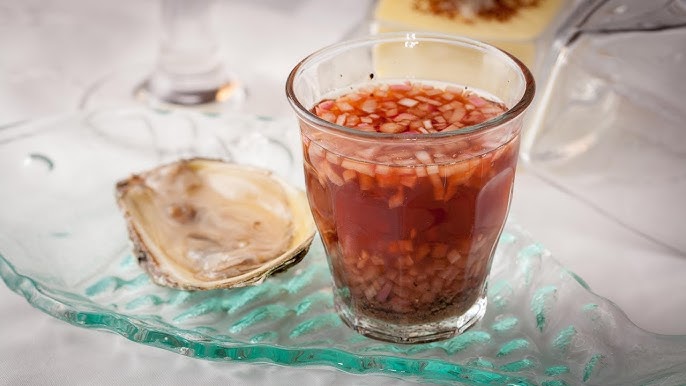
Mignonette Sauce Recipe: Mignonette sauce is a simple, tangy, and flavorful condiment traditionally served with raw oysters. This French-born sauce combines vinegar, shallots, and freshly cracked black pepper to create a bold, acidic contrast that enhances the oceanic freshness of oysters. Unlike creamy or spicy sauces, mignonette plays a supporting role, allowing the natural brininess of the shellfish to shine.
The name “mignonette” originally referred to a sachet of spices, but over time, it evolved to refer to this particular vinegar-based preparation. It’s typically spooned over raw oysters just before eating, adding a zesty burst of flavor. The best part? It takes just minutes to make but brings an elegant, gourmet feel to any oyster platter.
You don’t need to be a professional chef to master this sauce. With just a few ingredients and a bit of chilling time, you can whip up an authentic mignonette that rivals any fine dining experience.
Why Mignonette Sauce is Perfect for Oysters
Oysters and mignonette sauce go together like peanut butter and jelly—but much more sophisticated. The magic lies in contrast. Oysters are soft, slightly sweet, and salty, while mignonette is sharp, crunchy, and acidic. That clash of textures and flavors makes each bite unforgettable.
Raw oysters are often described as tasting like the ocean, with a subtle mineral finish depending on where they’re harvested. Mignonette cuts through the richness and brings clarity to the flavor. It enhances, not overpowers. It refreshes the palate with every slurp, encouraging you to reach for another oyster.
Think of mignonette as the ultimate palette cleanser and flavor enhancer all rolled into one. If you’ve only ever had oysters with lemon or cocktail sauce, you’re missing out. This is the real game-changer, and it’s so easy to make at home.
The History of Mignonette Sauce
Mignonette sauce dates back centuries and has roots in classic French cuisine. Originally part of haute cuisine traditions, the sauce gained traction in French coastal regions, where raw oysters were a common delicacy. Over time, it crossed borders and became a staple in oyster bars around the world.
Its simplicity has helped it stand the test of time. While other sauces come and go in culinary trends, mignonette has remained relevant thanks to its three-ingredient backbone and the explosion of oyster culture in places like New York, San Francisco, and Tokyo.
Mignonette has even inspired dozens of modern spins, proving that even the most traditional recipes can evolve while honoring their origins.
Flavor Profile: What Does Mignonette Sauce Taste Like?
Tangy. Bright. Pungent. Crisp. Mignonette sauce is like a splash of edible electricity for your oysters. At first bite, the acidity of the vinegar hits you—sharp, but not aggressive. Then comes the subtle sweetness and crunch of finely minced shallots. Finally, the black pepper adds a peppery heat that lingers just long enough to keep things interesting.
Each component plays a role:
- Vinegar brings brightness and sharpness.
- Shallots add sweetness, crunch, and depth.
- Black pepper provides heat and balance.
Together, they create a flavor symphony that complements—not competes with—the delicate nature of oysters. It’s the kind of taste that makes you close your eyes for a second, just to savor it a little longer.
List of Ingredients You’ll Need
Here’s everything you need for a classic mignonette sauce:
- ½ cup red wine vinegar (or your choice of vinegar)
- 2 tablespoons finely minced shallots
- ½ teaspoon freshly cracked black pepper
That’s it—just three ingredients. But don’t let the simplicity fool you. The quality of each item matters. Use fresh shallots, high-quality vinegar, and freshly cracked pepper for the best results.
Let’s break them down a bit more…
Vinegar Choices
While red wine vinegar is the traditional pick, don’t be afraid to explore:
- Champagne vinegar for a light, floral finish
- Sherry vinegar for a nutty complexity
- White wine vinegar for a more neutral tone
- Apple cider vinegar for a fruity, tangy kick
The choice of vinegar shapes the entire personality of your mignonette, so taste test before you commit.
Shallots: The Secret Ingredient
Shallots are the MVP of mignonette. They bring in a mild, sweet onion flavor that plays beautifully with vinegar. The key is dicing them as finely as possible—almost a mince. This allows the flavor to infuse into the vinegar and makes the sauce easy to spoon onto oysters without big chunks.
Avoid substituting with red onions or scallions—they’re too strong or not quite right in texture.
Pepper: The Finishing Touch
Freshly cracked black pepper is non-negotiable. Pre-ground pepper won’t give you the same intensity or aroma. You want coarse, uneven grains that bring a peppery punch and a slightly gritty texture.
If you’re feeling adventurous, try pink peppercorns or green peppercorns for a subtle twist. But for purists, black is best.
Step-by-Step Guide to Making Mignonette Sauce
Step 1: Finely Mince the Shallots
Grab a sharp knife or a mini food processor. Peel and mince the shallots into tiny, almost microscopic pieces. The goal is texture without crunch. You want the shallots to melt into the sauce, not stand out.
Use a cutting board with a groove—shallots are juicy and you don’t want to lose any of their natural sugars. Once minced, measure out about 2 tablespoons.
Step 2: Choose and Measure Your Vinegar
Decide which vinegar suits your taste—or go classic with red wine vinegar. Measure out ½ cup. Pour it into a small bowl or glass container. If you want a bolder punch, reduce the vinegar slightly and let the shallots take center stage.
Optional: Taste your vinegar solo to see what kind of brightness it brings to the mix.
Step 3: Add Freshly Cracked Black Pepper
Crack your pepper fresh from the grinder—about ½ teaspoon. Sprinkle it into the vinegar and shallot mix. Stir gently to distribute evenly. You’ll see the sauce start to take on texture and character already.
Tip: Add the pepper a little at a time and taste test. You can always add more, but you can’t take it out.
Step 4: Combine All Ingredients
In your small bowl, mix the vinegar, shallots, and pepper together until well incorporated. The shallots will float and the pepper may settle, but that’s totally normal. Let it sit for a few minutes so the flavors start bonding.
Don’t be tempted to add salt or sugar—this sauce is meant to be bold and clean.
Step 5: Let It Rest and Chill
Cover the bowl and refrigerate for at least 30 minutes, or up to 24 hours. The longer it chills, the better it gets. This resting time allows the shallots to mellow and the flavors to blend into a balanced, vibrant sauce.
Pro tip: Mignonette sauce is even better the next day.
Best Vinegars to Use in Mignonette
Choosing the right vinegar is where you can really personalize your mignonette sauce. While red wine vinegar is the traditional base, it’s just the beginning. Each vinegar variety brings a unique tone to the table. Here’s a quick breakdown of popular choices and what they bring:
| Vinegar Type | Flavor Profile | Best Paired With |
|---|---|---|
| Red Wine Vinegar | Sharp, bold, classic | Briny East Coast oysters |
| Champagne Vinegar | Light, delicate, slightly floral | Sweet West Coast oysters |
| Sherry Vinegar | Rich, nutty, complex | Creamy oysters (e.g., Kumamotos) |
| White Wine Vinegar | Milder, bright | Subtle-tasting oysters |
| Apple Cider Vinegar | Fruity, tangy | Wild-caught or sweet oysters |
| Rice Vinegar | Soft, slightly sweet | Asian-inspired oyster dishes |
You can even experiment by mixing two types of vinegar—say, red wine and champagne vinegar—to get a layered flavor effect.
Mignonette Sauce Variations
Want to put your own spin on this classic? Here are some creative mignonette sauce variations that still honor the original but offer exciting new twists.
Classic Red Wine Vinegar Mignonette
- ½ cup red wine vinegar
- 2 tbsp minced shallots
- ½ tsp freshly ground black pepper
This is the OG. Simple, sharp, and pairs beautifully with any oyster type.
Champagne Mignonette
- ½ cup champagne vinegar
- 1 tbsp minced shallots
- 1 tbsp minced chives
- Fresh white pepper to taste
Light and elegant—perfect for delicate oysters like Kusshi or Kumamoto.
Citrus Twist Mignonette
- ¼ cup rice vinegar
- 1 tbsp lemon juice
- 1 tbsp orange zest
- 2 tbsp minced shallots
- Pinch of chili flakes (optional)
For a fruity, refreshing burst—great with Pacific oysters.
Asian-Inspired Mignonette
- 2 tbsp rice vinegar
- 1 tsp soy sauce
- 1 tsp grated ginger
- 1 tbsp minced green onion
- Pinch of sesame seeds
A fun fusion version that complements oysters with Asian-style toppings or sides.
Don’t be afraid to get creative—add herbs like tarragon or dill, or even a splash of white wine for complexity.
Pro Tips for the Best Mignonette Flavor
To take your mignonette sauce from good to gourmet, keep these tips in mind:
- Use the freshest shallots possible. Older shallots can be bitter or mushy.
- Always use freshly cracked pepper. Pre-ground won’t deliver that punch.
- Let it rest. Even 30 minutes in the fridge makes a huge difference.
- Keep the sauce cold. Mignonette should always be chilled when served with oysters.
- Taste as you go. Not all vinegars have the same acidity—adjust to your preference.
- Don’t over-salt. In fact, don’t add salt at all. The oysters bring enough brine on their own.
Small details matter. Precision is what makes this simple recipe feel restaurant-quality.
How to Serve Mignonette Sauce with Oysters
Presentation is part of the experience—especially when it comes to oysters. Here’s how to serve mignonette like a pro:
- Chill the oysters: Always serve raw oysters over crushed ice to keep them cold.
- Use a small spoon: A tiny cocktail or demitasse spoon is perfect for drizzling the sauce.
- Add the mignonette right before eating: Pouring it on too early can dilute the oyster’s natural brine.
- Serve mignonette in a small ramekin or sauce bowl right on the ice platter, so guests can help themselves.
- Include lemon wedges and hot sauce for variety, but make sure the mignonette is the star.
The goal is to enhance the oysters, not overpower them. Less is more—one small spoonful is all you need per oyster.
What to Avoid When Making Mignonette
Even the simplest recipes can go sideways. Watch out for these common mignonette mistakes:
- Overpowering the oysters: Too much vinegar or shallot will drown out their delicate flavor.
- Chunky shallots: If the pieces are too big, the sauce feels clunky and unrefined.
- Using sweet onions instead of shallots: They don’t have the right flavor balance.
- Not chilling the sauce: Room-temp mignonette can taste too sharp or acidic.
- Using cheap vinegar: This is a three-ingredient recipe—quality matters.
Stick to the fundamentals, and you’ll get a clean, vibrant sauce every time.
How Long Does Mignonette Sauce Last?
One of the best parts about mignonette? It’s super easy to store and lasts a surprisingly long time. Because it’s vinegar-based and has no perishable dairy or fats, it can keep in the fridge for up to one week—sometimes longer.
In fact, many oyster lovers say it tastes better after 24-48 hours as the flavors continue to blend and mellow. The shallots soften, and the acidity becomes more rounded.
Just make sure to:
- Keep it in an airtight container.
- Store it in the coldest part of your fridge.
- Give it a good stir before serving again.
Storage Tips and Shelf Life
Here’s how to store your mignonette for maximum freshness:
- Use a glass jar or glass container with a lid to avoid any reaction with the vinegar.
- Avoid plastic, especially if reusing containers—they can absorb odors and affect the taste.
- Label your container with the date made, so you don’t forget how old it is.
- Discard if the shallots start to discolor or the sauce smells funky—though this is rare.
A well-stored mignonette can be your secret weapon for impromptu oyster nights all week long.
Pairing Mignonette with Different Types of Oysters
Not all oysters are created equal—and neither are their pairings. Use this quick guide to match the right mignonette with your oysters:
| Oyster Type | Flavor Profile | Best Mignonette Type |
|---|---|---|
| Kumamoto | Sweet, buttery | Champagne or citrus twist |
| Blue Point | Briny, firm | Classic red wine |
| Malpeque | Clean, crisp | White wine or citrus twist |
| Wellfleet | Salty, strong finish | Red wine or sherry |
| Fanny Bay | Mild, cucumber-like | Asian-inspired |
Tailoring your sauce to the oyster type takes your culinary game to the next level.
FAQs about Mignonette Sauce Recipe
1. Can I make mignonette sauce ahead of time?
Absolutely! In fact, it’s better when made a few hours—or even a day—in advance.
2. Can I freeze mignonette sauce?
Freezing isn’t recommended. The shallots lose their texture, and the flavor balance changes.
3. What’s the best substitute for shallots?
If you’re in a pinch, a tiny amount of very finely minced red onion can work, but shallots are preferred for their mild flavor.
4. Can I use flavored vinegar?
Yes, but stick to subtle infusions like herbs or citrus. Avoid overly sweet or synthetic flavors.
5. Is mignonette sauce only for oysters?
Not at all! Try it with clams, shrimp cocktail, or even as a salad dressing base—it’s versatile and delicious.
Conclusion
Mignonette sauce may be simple, but it’s a powerhouse of flavor that elevates raw oysters into something spectacular. With just three ingredients—vinegar, shallots, and pepper—you can craft a timeless condiment that balances acidity, crunch, and heat. Whether you stick to the classic or experiment with champagne, citrus, or even Asian-inspired twists, you’ll find that this little sauce makes a huge difference.
The best part? It’s fast, easy, and makes you feel like a pro chef in your own kitchen. So grab your oysters, whip up a fresh batch of mignonette, and dive into the delicious world of elevated seafood.