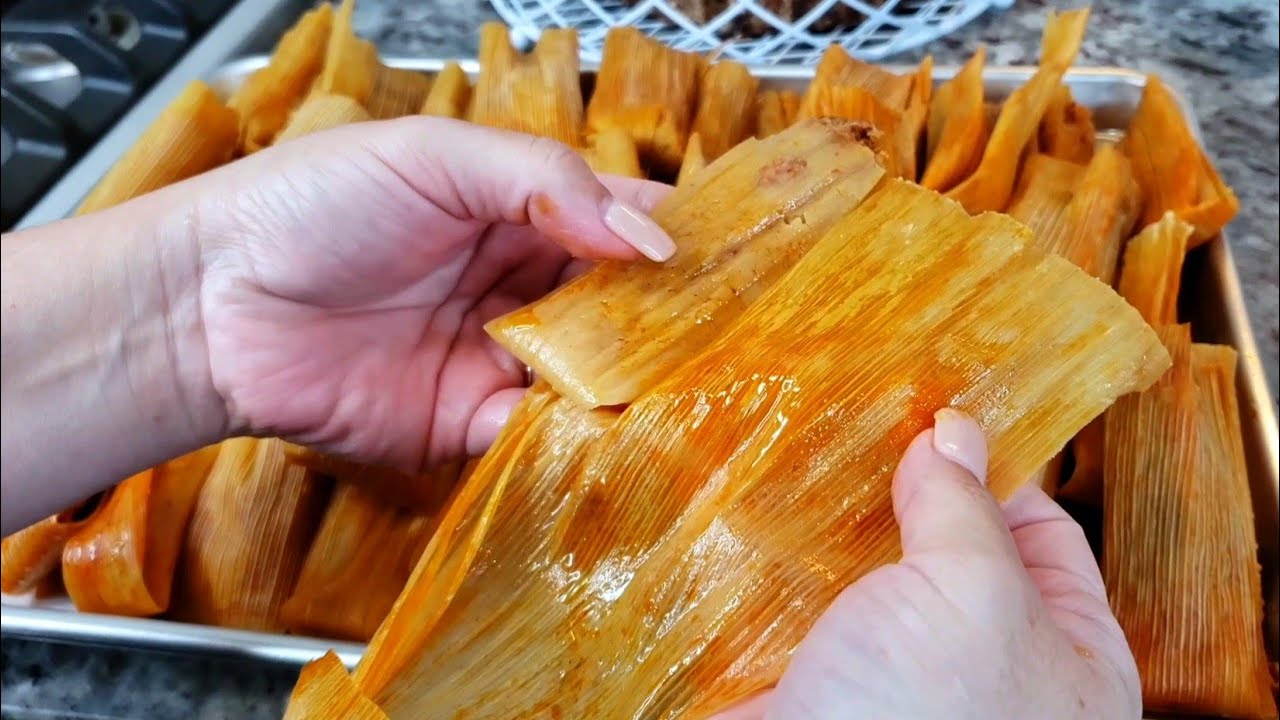
Mexican Tamales Recipe: Tamales are a traditional Mexican dish made of masa (a starchy dough, usually corn-based) filled with meats, cheeses, vegetables, or chilies, then wrapped in a corn husk and steamed to perfection. Imagine biting into a soft, savory package that reveals a warm, flavorful filling—pure comfort food with deep cultural roots. Tamales are incredibly versatile, making them a staple for holidays, family gatherings, and even everyday meals in Mexican households.
Unlike many foods that can be whipped up in minutes, tamales are a labor of love. They require time, patience, and a bit of elbow grease. But don’t let that scare you. Once you make your first batch, you’ll understand why people say making tamales is just as enjoyable as eating them.
A Glimpse Into Their Cultural Significance
Tamales date back to ancient Mesoamerican civilizations like the Aztecs and Mayans. These people needed portable meals for hunters and warriors, and tamales—wrapped and cooked in corn husks or banana leaves—fit the bill. Over the centuries, the dish evolved but remained a culinary icon, especially in Mexico and Central America.
Today, tamales are not just food; they’re a tradition. Families gather during the holidays (especially Christmas and Día de los Muertos) to participate in a “tamalada”—a tamale-making party where everyone takes part in the process. It’s about bonding, storytelling, and sharing a meal that took hours to prepare but is devoured in minutes. There’s love and legacy in every bite.
Ingredients Needed for Mexican Tamales
Masa Dough Ingredients
The heart of any tamale is the masa dough. This dough gives tamales their soft, fluffy texture and holds the filling together. Here’s what you need:
- Masa harina (corn flour) – 4 cups
- Warm chicken broth or vegetable broth – 3 to 4 cups
- Lard or vegetable shortening – 1 cup
- Baking powder – 1 tablespoon
- Salt – 1 teaspoon
Masa harina is not just corn flour—it’s corn that’s been treated with lime and dried, so don’t try to substitute it with regular cornmeal. You can find it in most Latin grocery stores or in the international aisle of major supermarkets.
Mixing the dough correctly is crucial. It should be soft but not too sticky. When ready, it will hold its shape but still spread easily over a corn husk.
Filling Options (Chicken, Pork, Cheese, etc.)
This is where you get to be creative. Tamales can be filled with practically anything savory—or even sweet! The most traditional fillings include:
- Shredded pork with red chili sauce (deep, smoky, spicy)
- Shredded chicken with green salsa (bright, tangy, herby)
- Cheese and jalapeño (creamy with a kick)
- Beans and veggies for vegetarian lovers
- Even sweet versions with cinnamon, raisins, or fruit
You can prepare your filling a day in advance, and honestly, it’s encouraged—it helps break the tamale-making process into manageable parts and deepens the flavor.
Other Essentials (Corn Husks, Broth, etc.)
Don’t forget the unsung heroes of tamale-making:
- Corn husks (dried) – about 40-50, soaked in warm water
- Cooking twine or strips of husk for tying (optional)
- A large steamer pot or tamalera
- Additional broth for steaming if needed
Soaking the corn husks before you use them is crucial. They need to be pliable so they can be wrapped around the dough without breaking. If you skip this step, you’ll end up with cracked, useless husks and a frustrating experience.
Preparing for the Tamale-Making Process
Soaking the Corn Husks
Start by soaking your corn husks in warm water for at least 1 hour. This softens them, making them flexible enough to fold around the tamales without tearing. To keep them submerged, place a heavy bowl or plate on top. You can even soak them overnight to save time on the day of your tamalada.
After soaking, rinse each husk to remove any dirt or dust, then pat dry gently with a towel. Keep them in a damp towel until you’re ready to use them. Don’t let them dry out, or they’ll be hard to work with.
Choose large husks for wrapping and set aside the smaller ones—you can tear those into strips to tie your tamales if you want to keep them neat and tidy.
Making the Masa Dough
This is the foundation of your tamale, so getting it right is key. Here’s how:
- Beat the lard (or shortening) until it’s fluffy. This helps make the masa light and airy.
- In a large bowl, combine the masa harina, salt, and baking powder.
- Gradually add the broth while mixing until a dough forms.
- Mix in the whipped lard until well incorporated.
The dough should be soft and spreadable—like thick peanut butter. Here’s a trick to test if it’s ready: Drop a small ball of dough into a glass of water. If it floats, it’s ready. If it sinks, you need to whip it a bit longer.
If it feels dry or crumbly, add more broth. If too wet, sprinkle a little more masa harina. Tamales are forgiving, but a smooth, balanced masa makes all the difference.
How to Prepare the Filling
Traditional Red Pork Filling
This is the king of tamale fillings—rich, flavorful, and undeniably satisfying.
Ingredients:
- 2 lbs pork shoulder, cut into chunks
- 2 cups water or broth
- 4 dried guajillo chilies (seeded)
- 2 dried ancho chilies (seeded)
- 1 onion, chopped
- 4 garlic cloves
- 1 tsp cumin
- Salt to taste
Instructions:
- Boil the pork in salted water until tender (about 1.5 hours), then shred.
- While the pork is cooking, toast and rehydrate the chilies.
- Blend the chilies with garlic, onion, and cumin until smooth.
- Cook the chili sauce in a pan for 10 minutes, then add the shredded pork.
- Simmer for 15 more minutes to let the flavors meld.
The result is a bold, savory filling that makes every bite of your tamale unforgettable.
Chicken with Green Salsa
Green salsa chicken tamales offer a lighter, tangy alternative to the robust red pork version. The freshness of tomatillos combined with tender shredded chicken creates a zesty filling that’s incredibly satisfying yet not overpowering.
Ingredients:
- 2 lbs chicken breasts or thighs
- 1 lb tomatillos (husks removed)
- 3–4 fresh jalapeños or serrano peppers
- 1 bunch of fresh cilantro
- 1 onion
- 3 garlic cloves
- Salt and pepper to taste
Instructions:
- Cook the chicken: Boil the chicken in salted water until tender (about 30 minutes), then shred it using two forks or a stand mixer.
- Prepare the salsa verde: Boil tomatillos, peppers, onion, and garlic until soft. Blend them together with fresh cilantro until smooth. Season with salt.
- Combine the salsa with the chicken: Sauté the salsa in a bit of oil until slightly thickened, then mix in the shredded chicken. Let it simmer for 10-15 minutes so the flavors really get into the meat.
This filling is ideal if you’re looking for something vibrant and herbal. It’s not just delicious, it’s also a crowd-pleaser—even for those who aren’t fans of spicy food. Adjust the number of peppers based on your heat preference.
Vegetarian Options
Don’t think you have to be a meat eater to enjoy tamales. Vegetarian tamales can be just as hearty and flavorful. Whether you’re cooking for a meat-free crowd or just want a healthier option, here are a few winning combinations:
Cheese and Jalapeño
A simple yet classic combo. Use slices of Oaxaca cheese or mozzarella, paired with strips of fresh or pickled jalapeños. It melts beautifully and gives a satisfying gooey bite.
Beans and Veggies
Use refried black beans or whole pinto beans seasoned with cumin and garlic. Add roasted corn, bell peppers, zucchini, or mushrooms for added depth. You can even toss in some crumbled queso fresco for extra richness.
Sweet Corn Tamales
Yes, tamales can be dessert too! Blend fresh or frozen corn with a touch of sugar, cinnamon, and a bit of butter. The result is a slightly sweet tamal perfect as a snack or light dessert.
Vegetarian tamales tend to be lighter and steam faster. Make sure to label them differently from your meat versions so you know which is which when serving!
Assembling the Tamales
Spreading the Dough on the Husk
Now comes the fun (and messy) part—assembly. Lay a soaked corn husk flat on your palm or on a clean surface. Spread about 2 tablespoons of masa onto the center, forming a thin rectangle. Start from the wider end and leave about 1 inch of space from the sides and the top.
Tips for spreading masa:
- Use the back of a spoon or a spatula.
- Wet your hands slightly to prevent sticking.
- Don’t overfill—less is more for structure and flavor balance.
Consistency is key. Once you get the hang of it, you’ll be spreading masa like a pro.
Adding the Filling
Next, spoon about 1 to 2 tablespoons of your filling into the center of the masa strip. Make sure it’s not too much—just enough to cover the middle without oozing out the sides.
Remember:
- Don’t push the filling into the masa—just lay it gently.
- You can experiment with combinations, like pork and cheese or green chile and beans.
A good tamale has a balanced ratio of dough to filling. If you go too heavy on one, it throws off the whole bite.
Folding the Tamales Correctly
Time to wrap it up—literally. Here’s how:
- Fold the right and left sides of the husk toward the center so the masa encloses the filling.
- Then fold the narrow bottom end up toward the center.
- You can leave the top open or tie it with a strip of husk or cooking twine for a neat, festive look.
Place each folded tamale upright in your steamer with the open end facing up. Keep them snug but not too tight—you want the steam to circulate freely.
Steaming the Tamales
Using a Steamer Pot (Tamalera)
Steaming is the final, crucial step in tamale-making. It’s where all that hard work transforms into tender, flavorful bundles of joy. You’ll need a large steamer pot, also called a tamalera. If you don’t have one, a stockpot with a steam insert works just fine.
Instructions:
- Fill the bottom of the pot with water—just below the steaming rack. You don’t want the tamales sitting in water.
- Line the rack with extra corn husks or a wet towel to prevent burning.
- Place the tamales standing upright, open side up, and packed close enough to keep them standing, but not so tight they can’t expand.
- Cover them with more husks or a clean, damp kitchen towel, then put the lid on tight.
Steam the tamales for 1.5 to 2 hours. Check occasionally to make sure there’s still water in the bottom—if it runs dry, your tamales might scorch. Add boiling water as needed.
To test if they’re done, remove one tamale and let it sit for a few minutes. If the husk peels away easily and the masa is firm and no longer sticky, they’re ready.
Serving and Storing Tamales
How to Serve Tamales
Tamales are usually served hot straight from the steamer. You can enjoy them plain or dress them up with toppings like:
- Salsa verde or roja
- Crema (Mexican sour cream)
- Queso fresco
- Fresh cilantro
- Lime wedges
Some people like to eat tamales for breakfast with eggs and beans, while others prefer them as dinner with rice and salad. There’s no wrong way—just unwrap and enjoy.
Storing and Reheating Tips
If you have leftovers (lucky you!), tamales keep well:
- Fridge: Store in an airtight container for up to 5 days.
- Freezer: Wrap each tamale individually and freeze for up to 3 months.
To reheat:
- Steamer: Best for keeping them moist. Steam for 15–20 minutes.
- Microwave: Wrap in a damp paper towel and heat in 30-second bursts.
- Skillet: Toast them lightly in a nonstick pan for crispy edges.
Tamales for Special Occasions
Tamales aren’t just food—they’re tradition. In Mexico and many Latino communities, tamales play a starring role during holidays and family events.
Christmas and Las Posadas
During the Christmas season, families gather for tamaleras—assembly lines where everyone has a job. It’s a bonding activity and a way to pass recipes from generation to generation.
Tamales are also central to Las Posadas, a celebration that reenacts Mary and Joseph’s search for shelter before the birth of Jesus. Tamales, ponche (a warm fruit punch), and champurrado (a thick chocolate drink) are served at these festive gatherings.
Día de los Muertos and Birthdays
Tamales are also common offerings for Día de los Muertos altars. They represent nourishment for returning spirits and respect for family tradition. On birthdays or weddings, tamales can be part of a buffet, symbolizing prosperity and comfort.
Tips for First-Time Tamale Makers
Let’s be honest—your first tamale-making session might get messy, but that’s part of the fun. Here are a few practical tips to help you along the way:
- Don’t Overfill – Start small. You can always add more, but it’s tough to fix an overstuffed tamale.
- Use an Assembly Line – If you’re making a big batch, get friends or family involved. It’s faster and more enjoyable.
- Label Your Tamales – Different fillings? Use husk ties or colored strings to identify them.
- Prep Ahead – Make fillings and dough the day before. It breaks up the workload and improves flavor.
- Be Patient – The steaming process takes time, but it’s worth it. Don’t rush it.
FAQs about Mexican Tamales Recipe
1. Can I use banana leaves instead of corn husks?
Yes, banana leaves are traditional in some regions, especially in southern Mexico and Central America. They add a subtle, earthy flavor and a soft texture to tamales.
2. What’s the best filling for beginner tamale makers?
Start simple—shredded chicken with green salsa or cheese and jalapeño are easy and forgiving options.
3. Can I make sweet tamales?
Absolutely! Try mixing masa with sugar, cinnamon, and vanilla, and fill them with fruit, chocolate, or sweet cheese.
4. How many tamales does this recipe make?
This recipe yields about 25–30 medium tamales, depending on the size and how much filling you use.
5. How long can I store cooked tamales in the freezer?
Up to 3 months when properly wrapped. Reheat by steaming or microwaving for a freshly made taste.
Conclusion
Making tamales might seem like a big job—and it is—but it’s one of the most rewarding dishes you can create at home. From the soft, flavorful masa to the rich, savory fillings and that comforting aroma while they steam, tamales are pure joy. It’s more than just cooking—it’s connecting with tradition, culture, and loved ones. Whether it’s your first time or your fiftieth, every tamale tells a story.
So roll up your sleeves, grab some husks, and get steaming. Your taste buds (and your friends and family) will thank you.