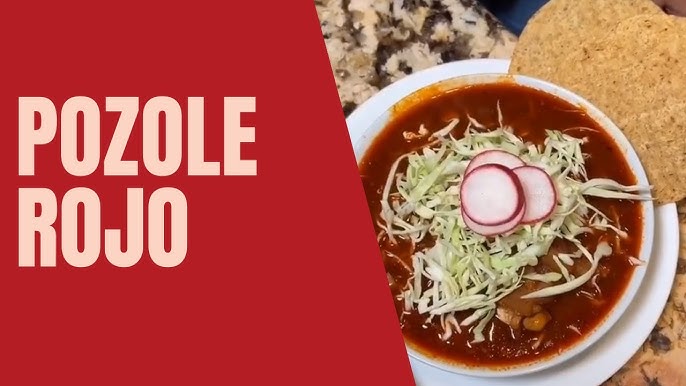
Mexican Pozole Recipe: Pozole is not just a soup—it’s a celebration in a bowl. This traditional Mexican dish is rich in history and flavor, known for its heartwarming broth, tender meat, and chewy hominy. It’s more than just food; it’s a cultural experience. Pozole, which means “hominy” in Nahuatl, revolves around nixtamalized corn (hominy), which gives it that unique texture and flavor. Typically enjoyed during festive gatherings, especially around Christmas and Mexican Independence Day, pozole is often the centerpiece of communal joy.
The beauty of pozole lies in its flexibility. You can make it with pork, chicken, or even go vegetarian. With the addition of vibrant chili sauces, fresh garnishes like radishes and cabbage, and a touch of lime, each spoonful is a burst of taste and tradition. Unlike many other soups, pozole is a meal in itself—hearty, fulfilling, and perfect for feeding a crowd.
History and Cultural Significance
Pozole dates back to pre-Columbian times and was originally a sacred dish among the Aztecs. It was used in rituals and made with great reverence. Over time, it transformed with the influence of Spanish colonizers who introduced pork as a primary protein. Today, pozole stands as a fusion of indigenous and Spanish culinary traditions, a dish that speaks to Mexico’s diverse and complex history.
It’s common to see families preparing huge pots of pozole for special occasions. It’s not just the flavors that make it special, but the process of making it together. Cooking pozole can take hours, but it’s a labor of love—a ritual of connection passed down through generations. Every family has its own variation, making each bowl a personal piece of history.
Ingredients Overview
Main Ingredients for Pozole
To make a traditional red pozole (Pozole Rojo), you’ll need a few key ingredients. Here’s a rundown of the essentials:
- Hominy (Canned or Dried): This is the heart of pozole. If using dried, soak and cook it first.
- Pork Shoulder or Chicken: Pork is traditional, but chicken works great too.
- Guajillo and Ancho Chilies: These dried chilies give the soup its vibrant red color and smoky, earthy flavor.
- Onion and Garlic: The foundational aromatics.
- Bay Leaves and Oregano: Essential for that deep Mexican flavor.
- Salt and Pepper: For seasoning.
You can also use chicken broth or pork broth to enrich the base. Make sure you have enough liquid, as pozole is meant to be brothy and soup-like.
Optional Garnishes and Toppings
Garnishing is where pozole truly comes alive. It’s a choose-your-own-adventure of textures and flavors. Common toppings include:
- Shredded Cabbage or Lettuce
- Thinly Sliced Radishes
- Diced Onion
- Lime Wedges
- Oregano and Chili Flakes
- Tostadas or Tortilla Chips
- Avocado Slices
Set up a garnish bar and let everyone customize their bowl. It’s part of the fun!
Types of Pozole
Pozole Rojo (Red Pozole)
Red pozole gets its bold color and flavor from dried chilies like guajillo and ancho. These chilies are soaked, blended, and added to the broth, giving it a rich, smoky, and slightly spicy kick. It’s the most common version in central and northern Mexico and typically includes pork shoulder.
Pozole Verde (Green Pozole)
Green pozole is popular in Guerrero and other southern states. It uses ingredients like tomatillos, green chilies, and pumpkin seeds to create a zesty, herbaceous flavor. Chicken is often used as the protein, making this version lighter and slightly tangy.
Pozole Blanco (White Pozole)
The most basic and arguably oldest form of pozole, the white version skips any added sauces, allowing the natural flavor of the broth and hominy to shine. It’s often served with plenty of garnishes to add flavor at the table.
Step-by-Step Cooking Guide
Step 1: Preparing the Hominy
If you’re using dried hominy, you’ll need to soak it overnight, then boil it until it’s tender, which can take 2-3 hours. This process brings out its nutty, chewy texture. Canned hominy is a quicker alternative and just needs a good rinse before being added to the soup.
Pro tip: Simmer the hominy with a clove of garlic or a bay leaf to infuse it with flavor as it cooks.
Step 2: Cooking the Meat
Place your pork shoulder (or chicken) in a large stockpot with water, onion, garlic, and a few bay leaves. Let it simmer until the meat is tender and easily shreds—about 2-3 hours for pork and 1-1.5 hours for chicken. Skim off any foam or fat that rises to the top for a cleaner broth.
Once cooked, remove the meat, shred it, and set it aside. Strain the broth to remove any bits and return the clear liquid to the pot.
Step 3: Making the Chili Sauce
This is where the flavor magic happens. Take your guajillo and ancho chilies, remove the stems and seeds, and toast them lightly on a skillet until fragrant—about 30 seconds per side. Don’t burn them; just a light toast will enhance their flavor.
Next, soak the chilies in hot water for about 20 minutes until they’re soft. Then blend them with a few cloves of garlic, a bit of the soaking liquid, and some salt until you get a smooth, deep red sauce. Strain the sauce through a fine mesh sieve to remove any remaining skins or seeds. You’ll be left with a rich, silky chili base ready to transform your pozole.
Add this chili sauce to your broth, stirring it in well. Bring everything to a gentle simmer to let the flavors meld—this takes about 20-30 minutes.
Step 4: Combining Everything
Now comes the fun part—bringing it all together! Add your cooked hominy to the chili-infused broth, followed by the shredded meat. At this stage, season with salt, pepper, and a generous pinch of dried Mexican oregano (rubbed between your palms to release its aroma).
Let the soup simmer for another 30 minutes to an hour. The longer it cooks, the more flavorful it becomes. Keep an eye on the broth level—add more water or broth if it reduces too much. This is a dish meant to be enjoyed by the ladleful.
The final broth should be deep red, rich with spice, and filled with tender meat and plump hominy kernels. Taste and adjust seasoning one last time before serving.
Step 5: Final Simmer and Flavor Boost
Just before serving, you can add a splash of lime juice or even a spoonful of Masa Harina dissolved in water if you want a thicker broth. This last step adds depth and a touch of earthiness to the already complex flavors.
Your pozole is now ready to be dished up—piping hot, vibrant, and utterly irresistible.
Serving Suggestions
How to Serve Pozole Like a Local
Serving pozole is just as important as making it. Traditionally, it’s ladled into large bowls and served family-style with a spread of garnishes. Arrange toppings like shredded cabbage, sliced radishes, diced onion, avocado, and lime wedges on the table so everyone can build their perfect bowl.
Pozole is often enjoyed with tostadas or crispy tortillas on the side, adding a wonderful crunch to each bite. Don’t forget a sprinkle of oregano and crushed red chili flakes if you like it spicy.
Some like to dunk their tostadas right into the soup, while others eat them on the side with a dollop of sour cream or guacamole. There’s no wrong way—just your way.
Best Drinks and Sides to Pair With Pozole
To drink, a cold beer or a refreshing agua fresca (like hibiscus or tamarind) balances out the richness of the soup perfectly. You could also go for Mexican hot chocolate or atole if you’re enjoying pozole on a cold evening.
On the side, consider a simple salad or even elote (Mexican street corn) for a summery touch. And if it’s a celebration, a slice of tres leches cake for dessert is always a hit.
Pozole isn’t just food—it’s a party on a plate (or in a bowl).
Tips and Tricks
Substitutions and Variations
Not everyone has access to the same ingredients, so here are some creative swaps and tweaks:
- No pork? Use chicken thighs or a combination of dark and white meat.
- Vegetarian? Skip the meat and use mushrooms or jackfruit for texture. A rich veggie broth with the same chili base still delivers big on flavor.
- No dried chilies? In a pinch, you can use chili powder, but try to find whole chilies for authenticity.
- Want more heat? Add a few arbol chilies or a spoonful of chipotle in adobo to the chili blend.
Pozole is forgiving and customizable. Don’t be afraid to make it your own.
Storing and Reheating Leftovers
Pozole tastes even better the next day—seriously. Store leftovers in an airtight container in the fridge for up to 4 days. The flavors deepen as it sits, making it a fantastic make-ahead meal.
To reheat, just bring it to a gentle simmer on the stovetop or microwave individual bowls. You may need to add a splash of water or broth to loosen the consistency.
Pozole also freezes well. Portion it into containers and freeze for up to 2 months. When you’re ready to enjoy it again, thaw in the fridge overnight and reheat slowly.
FAQs about Mexican Pozole Recipe
1. Can I use canned hominy instead of dried?
Yes! Canned hominy saves time and works perfectly. Just rinse it before adding to the broth.
2. How spicy is pozole rojo?
It has a mild to medium spice level, depending on the chilies used. You can adjust by adding more or fewer chilies.
3. Is pozole gluten-free?
Yes, pozole is naturally gluten-free. Just check that any packaged ingredients like broth or tostadas are certified gluten-free.
4. Can I make pozole in an Instant Pot or slow cooker?
Absolutely. Both methods cut down cooking time and deliver great results. Just adjust the steps accordingly.
5. What can I do with leftover pozole?
Eat it the next day—it’s even better! Or freeze it in portions for a quick and hearty meal down the road.
Conclusion
Pozole is more than just a soup—it’s a rich, comforting dish that brings people together. Whether you’re cooking it for a celebration or just because, every bowl tells a story of tradition, family, and flavor. With its tender meat, chewy hominy, and spicy, soulful broth, pozole captures the essence of Mexican home cooking like few dishes can. Follow this step-by-step guide, and you’ll be serving up a pot of joy that everyone will remember.