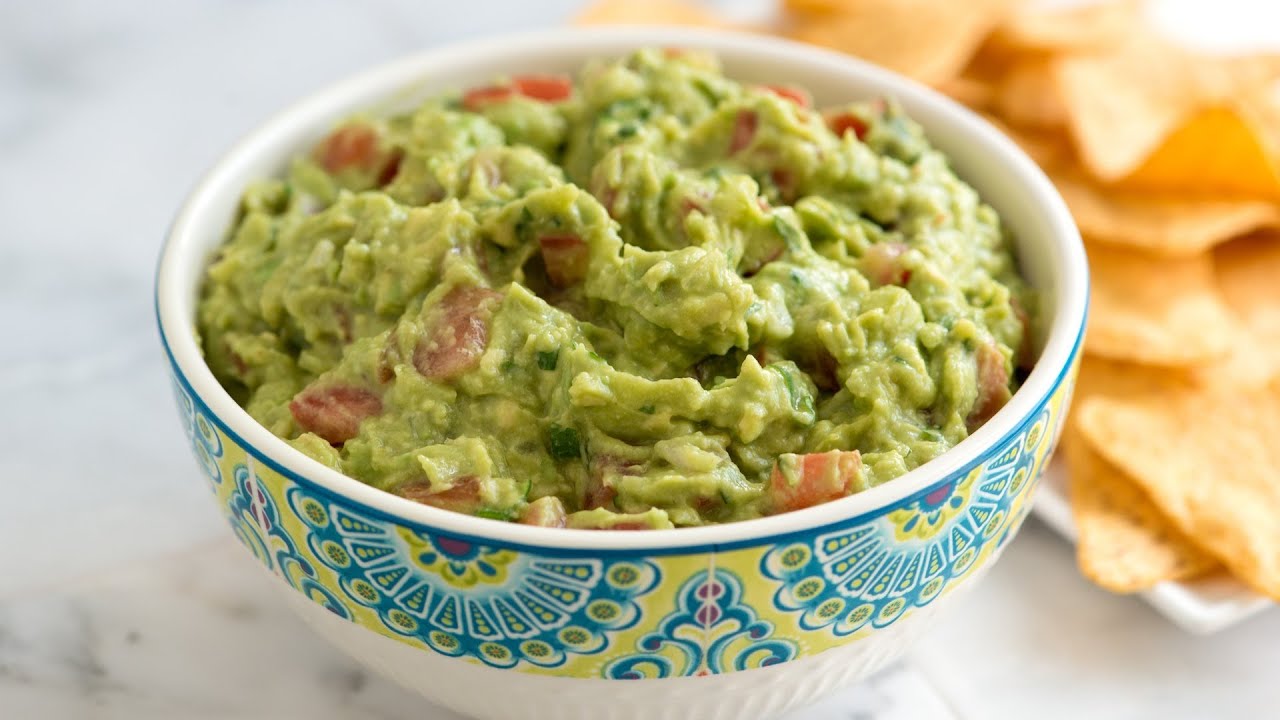
Mexican Guacamole Recipe: Guacamole isn’t just a dip. It’s a cultural icon, a party essential, and honestly, the reason some of us even show up at potlucks. Whether you’re scooping it with crunchy tortilla chips, slathering it on toast, or spooning it into tacos, there’s just something magical about its creamy, tangy, and fresh flavor. But you know what’s even better than store-bought guac? The kind you make yourself—fresh, vibrant, and full of that Mexican soul.
In this guide, we’re diving deep into the art of making authentic Mexican guacamole from scratch. Not the over-processed, preservative-packed kind from a plastic container. We’re talking the real deal. And no, you don’t need to be a chef to master it. All you need is the right ingredients, a few kitchen tools, and this simple step-by-step recipe that’ll have your friends thinking you took a culinary trip to Mexico.
Let’s get started. You might want to keep some chips nearby because by the time you’re done reading, you’ll definitely be hungry.
What is Traditional Mexican Guacamole?
Traditional Mexican guacamole is simplicity at its finest. It’s not loaded with unnecessary ingredients or drowned in spices. Instead, it’s a celebration of fresh, bold flavors. The authentic version typically includes ripe avocados, chopped onions, cilantro, lime juice, salt, and sometimes tomatoes and chili peppers like jalapeños or serranos. That’s it.
What makes guacamole so special is how the ingredients complement each other perfectly. The creaminess of the avocado balances the sharpness of the onion. The lime juice cuts through the richness, bringing a zing that wakes up your taste buds. The cilantro adds a burst of herbal freshness, while salt ties it all together. Optional ingredients like diced tomatoes or chilis add texture and heat, but they never overpower the core.
Unlike many modern versions that include sour cream or mayo (yes, people do that), traditional guacamole sticks to its roots. It’s rustic. It’s pure. And it’s bursting with flavor. One of the reasons this recipe has been loved for centuries is because it doesn’t try too hard—it just works.
Health Benefits of Guacamole
Sure, guacamole tastes amazing. But did you know it’s also packed with health benefits? Let’s break it down:
- Avocados are rich in heart-healthy monounsaturated fats that can help reduce bad cholesterol levels.
- They’re loaded with potassium—even more than bananas.
- Avocados contain fiber, which helps keep you full and supports gut health.
- Cilantro has antioxidants and antibacterial properties.
- Onions and garlic (if used) are known to support heart health and boost immunity.
- Lime juice provides vitamin C and enhances iron absorption.
So next time you’re digging into a bowl of guac, remind yourself: this isn’t just a delicious dip—it’s nutrient-packed brain and heart fuel.
List of Ingredients You’ll Need
To create the most flavorful and authentic guacamole, make sure you’ve got the following fresh ingredients:
Fresh Ingredients Breakdown:
- 3 ripe avocados – the star of the show. Look for Hass avocados for the best flavor and texture.
- 1 small red or white onion, finely chopped – for a bit of crunch and sharpness.
- 1–2 limes, juiced – adds brightness and preserves the green color.
- 1 medium tomato, deseeded and diced – optional, but adds texture and a pop of color.
- A handful of fresh cilantro, chopped – don’t skip this unless you absolutely hate it.
- Salt, to taste – balances all the flavors.
- 1 fresh jalapeño or serrano chili, minced – optional for heat lovers.
Optional Add-Ins for Extra Flavor:
- 1 garlic clove, minced – for a deeper, savory kick.
- Ground black pepper, to taste.
- Cumin, for a smoky twist.
- Diced mango or pineapple – for a sweet & spicy variation.
Always use fresh produce for the best results. Guacamole is one of those dishes where freshness makes all the difference.
Choosing the Right Avocados
The quality of your guacamole depends heavily on one thing: your avocados. If they’re underripe, your guac will be hard and flavorless. If they’re overripe, it’ll be brown and mushy. So here’s how to get it just right.
How to Pick Ripe Avocados
- Gently press the avocado with your thumb. It should yield slightly but not feel mushy.
- Check the stem nub at the top. If it pops off easily and reveals green underneath, it’s ripe.
- Avoid avocados with dark, sunken spots or wrinkled skin—they’re past their prime.
Tips for Ripening Avocados at Home
- Place unripe avocados in a brown paper bag with a banana or apple. The ethylene gas speeds up ripening.
- Store them at room temperature—not in the fridge—until ripe.
- Once ripe, you can store them in the fridge for 1–2 days to prevent over-ripening.
Choosing perfect avocados is a bit of an art form, but once you get the hang of it, you’ll never go back to guessing again.
Kitchen Tools You’ll Need
Before you get started, make sure your kitchen is stocked with these essentials:
- A sharp knife – for cutting avocados, onions, and other veggies.
- A cutting board – preferably wooden or plastic.
- A mixing bowl – medium-sized.
- A fork or potato masher – for mashing avocados.
- A spoon – to scoop out the avocado flesh.
- Optional: a mortar and pestle (molcajete) for the traditional way of making guac.
That’s it. No fancy gadgets or machines. Just basic tools and fresh ingredients.
Step-by-Step Guide to Making Authentic Guacamole
Ready to whip up the best guacamole of your life? Follow this foolproof, step-by-step guide that walks you through the process, just like it’s done in Mexican kitchens. Whether it’s your first time or your hundredth, these steps will help you nail it every single time.
Step 1: Cut and Scoop the Avocados
Start by slicing your avocados in half lengthwise. Carefully twist the halves apart and remove the pit using a spoon or, if you’re comfortable, tap your knife into the pit and twist it out. Then, take a spoon and gently scoop out the creamy green flesh into your mixing bowl.
Tip: Be cautious when removing the pit. Don’t try to stab at it too hard or you might injure yourself—always hold the avocado with a towel if needed.
Once all your avocado halves are scooped, you’re ready for the next step. Don’t worry about perfection here—the magic happens in the mixing.
Step 2: Mash to Desired Consistency
Now grab your fork or potato masher and start mashing the avocados. The key here is personal preference—some folks like it chunky, others prefer it silky smooth.
If you like a more rustic, chunky guac, just mash lightly until there are still small, uneven pieces. For creamier guacamole, mash longer until smooth. There’s no wrong way here—just go with what you love.
Pro tip: Don’t over-mash. A little texture goes a long way in making your guacamole feel homemade and satisfying.
Step 3: Add the Chopped Onion, Tomato, and Cilantro
This is where the freshness kicks in. Add the finely chopped red or white onion, diced tomato (if using), and a generous handful of chopped cilantro into your mashed avocado. Stir everything together gently.
The onion adds a crisp bite. The tomato gives it juiciness and color. And the cilantro? That unmistakable herbal punch that screams “Mexican flavor.”
Not a cilantro fan? It’s okay to leave it out—but it does add a traditional touch.
Step 4: Squeeze in the Lime Juice
Next up, lime time! Squeeze the juice from 1 to 2 limes directly into the mixture. Not only does this add a bright, tangy flavor, but it also helps keep your guacamole from turning brown too quickly.
Make sure you taste after the first lime—some limes are juicier and more acidic than others. Add more if needed, but don’t drown it.
Pro tip: Roll the lime on your countertop before slicing to help release more juice.
Step 5: Season with Salt (and Pepper if Desired)
Salt is non-negotiable in guacamole. It balances the richness of the avocado and brings out the best in every ingredient. Start with a pinch and build your way up, tasting as you go. You’ll know when it hits the sweet spot—your tastebuds will sing.
Optional: A little black pepper can add depth, but don’t let it overpower the fresh flavors.
Step 6: Mix and Taste Test
Now that all your ingredients are in, give your guacamole a final stir. Mix gently to keep the texture nice and chunky. Then comes the most important part: the taste test.
Grab a tortilla chip (you know you want to) and give it a dip. Is it tangy enough? Salty enough? Does it need a little more heat or lime? Adjust accordingly.
This step separates good guacamole from great guacamole.
Step 7: Optional – Add Jalapeños or Garlic
If you’re into a little kick, finely mince a fresh jalapeño or serrano chili and toss it in. Want even more flavor depth? Add a clove of freshly minced garlic.
Be conservative—these ingredients pack a punch. You can always add more, but you can’t take them out once they’re in.
Tips to Customize Your Guacamole
Want to put your own spin on the classic recipe? Here are a few fun ideas to make your guac stand out:
- Add fruit: Diced mango, pineapple, or pomegranate seeds give a sweet contrast.
- Use roasted garlic instead of raw for a milder, nutty flavor.
- Sprinkle in spices: Try ground cumin, smoked paprika, or chili powder.
- Fold in crumbled queso fresco for a creamy-salty surprise.
- Mix in roasted corn for a sweet and smoky twist.
Think of guacamole like a blank canvas—you can paint it with all sorts of delicious flavor profiles without losing its soul.
Mistakes to Avoid When Making Guacamole
Even simple recipes have their pitfalls. Avoid these common mistakes to make sure your guacamole always turns out amazing:
- Using unripe or overripe avocados – They ruin the texture and flavor.
- Over-mashing the avocado – You want some texture, not baby food.
- Adding too much lime juice – It can make your guac watery and overly sour.
- Skipping the salt – Guacamole without salt is like salsa without tomatoes. Bland.
- Making it too far in advance – Guac is best when fresh. Make it just before serving if you can.
Avoid these, and you’ll be a guacamole god or goddess in no time.
How to Serve Guacamole
Guacamole isn’t just a dip. It’s a vibe. Here’s how you can serve it like a true food lover:
Pairing Ideas
- Classic tortilla chips – can’t go wrong.
- Veggie sticks – for a lighter, crunchy option.
- Spread on toast – for that avo-toast brunch flex.
- As a side for tacos, burritos, or quesadillas.
- Topping for grilled meats – steak, chicken, even fish.
Creative Serving Styles
- Serve it in a molcajete for that traditional Mexican look.
- Garnish with extra cilantro, lime wedges, or chili flakes.
- Create a guacamole bar with various mix-ins for guests to customize.
Presentation matters—especially when you’re trying to impress your foodie friends or Instagram followers.
Storing Leftover Guacamole Without Browning
Nobody likes brown guac. The culprit? Oxygen. Here’s how to store your leftovers and keep them as green as possible:
- Place plastic wrap directly on the surface of the guacamole to block air exposure.
- Add a thin layer of lime juice or olive oil over the top before sealing.
- Store in an airtight container in the fridge.
- Or, press the guac down into the container and add the avocado pit back on top.
These methods won’t keep it perfect forever, but you’ll get an extra day or two of freshness.
How Long Does Guacamole Last?
Fresh guacamole is best eaten the same day. But if you store it right:
- In the fridge, it lasts about 2 to 3 days.
- After that, the flavor and texture start to decline.
- Don’t freeze guacamole unless it’s a pure avocado mash with no onions, lime, or tomatoes. The other ingredients don’t freeze well.
If it smells funky, tastes sour, or turns very dark, it’s time to let it go. Don’t risk it.
Guacamole Variations Across Mexico
Guacamole isn’t a one-size-fits-all recipe. Depending on where you are in Mexico, you might find it prepared in several unique ways—each with its own twist, but all equally delicious. Mexican cuisine is all about regional flavors, and guacamole is no exception.
Northern Mexico
In the northern regions, guacamole tends to be simple and spicy. Locals often skip the tomatoes and instead include more chili peppers, especially serranos. The focus here is on the bold contrast between the creamy avocado and the fiery heat. Sometimes, a little white vinegar is added for tang, especially in ranch-style guacamoles.
Central Mexico
This is where the classic version we’ve described really shines. You’ll find onion, tomato, cilantro, lime, and chili in perfect harmony. It’s served everywhere—from roadside taco stands to five-star restaurants.
Some families use a molcajete (traditional volcanic stone mortar and pestle) to grind the ingredients together. This method releases the oils from herbs and spices, giving the guacamole a deep, complex flavor.
Southern Mexico (Oaxaca, Chiapas)
In these regions, guacamole might feature regional herbs or tropical fruits like mango or pomegranate. There’s also a version where toasted pumpkin seeds (pepitas) are mixed in for a rich, nutty flavor and added texture.
You might even find smoky guacamoles here—flavored with chipotle or roasted chilies, giving them a deep red hue and bold taste.
Yucatán Peninsula
Here, the local spin includes naranja agria (sour orange juice) instead of lime, and sometimes a touch of habanero pepper for that extra-hot bite. The Yucatán is famous for its unique blend of Mayan and Spanish culinary influences, and it shows in their guac too.
Each region adds its personality, and once you try a few variations, you’ll never think of guacamole as just one thing ever again.
Fun Facts About Guacamole
Who doesn’t love a few fun tidbits to share over chips and dip? Here are some surprising and cool facts about guacamole you probably didn’t know:
- The name “guacamole” comes from the Aztec word āhuacamōlli, which literally means “avocado sauce.”
- Avocados were considered a symbol of love and fertility by the ancient Aztecs.
- Americans consume over 80 million pounds of guacamole on Super Bowl Sunday alone.
- Guacamole wasn’t always made with lime. Original recipes used local sour oranges or vinegar before limes became common.
- Some versions of guacamole include grasshoppers (chapulines) in Oaxaca—yes, they’re crunchy, spicy, and a delicacy!
- Avocados are actually a fruit, not a vegetable. They’re part of the berry family.
Guacamole has deep roots and a rich history. So the next time you serve it, you can drop a little trivia knowledge to go along with your delicious creation.
FAQs about Mexican Guacamole Recipe
1. Can I make guacamole in advance?
Yes, but it’s best within a few hours of making it. If you must prep ahead, press plastic wrap directly onto the surface and refrigerate. Adding extra lime juice can also help prevent browning.
2. What do I do if my avocados aren’t ripe yet?
Place them in a brown paper bag with a banana or apple to speed up the ripening process. Keep them at room temperature. They should ripen in 1–3 days.
3. Is it okay to freeze guacamole?
Only if it’s basic—just avocado and lime. Add-ins like onions and tomatoes don’t freeze well. Thawed guacamole often has a different texture, so fresh is always best.
4. What makes guacamole turn brown?
Oxidation. When avocado flesh is exposed to air, it starts turning brown. Lime juice slows this down, but airtight storage and plastic wrap pressed on the surface are your best defenses.
5. Can I use a food processor instead of mashing by hand?
Technically yes, but it’s easy to over-process and lose that signature chunky texture. If you’re after rustic and authentic, stick with a fork or molcajete.
Conclusion
There you have it—a deep dive into everything guacamole. From picking the perfect avocado to adding that last squeeze of lime, you now have all the knowledge you need to make authentic, flavorful Mexican guacamole from scratch.
It’s more than just a recipe; it’s a tradition passed down through generations. And like all great traditions, there’s room for creativity. Stick to the basics when you want something classic, or throw in mango and jalapeños when you’re feeling bold. Either way, you’re guaranteed to have something that tastes incredible.
Whether you’re making a snack for movie night, hosting a party, or just in the mood for something fresh, guacamole never lets you down. It’s quick, healthy, and oh-so-satisfying.
So grab those avocados, roll up your sleeves, and start mashing. Your perfect bowl of guac is waiting.