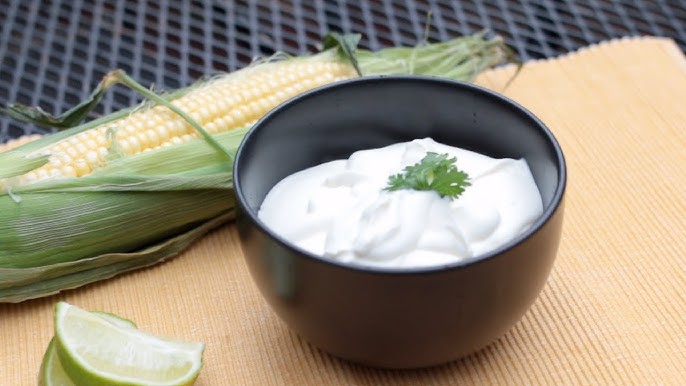
Mexican Crema Recipe: Mexican crema is a rich, tangy, and slightly thick dairy condiment that’s a staple in Mexican cuisine. Think of it as the lovechild between sour cream and crème fraîche. It’s lighter and less tangy than sour cream but creamier than the latter. Unlike its American counterparts, Mexican crema doesn’t overpower the dish but complements it with a mellow acidity and smooth texture.
Used over tacos, enchiladas, tostadas, soups, or even grilled corn (elote), crema adds that cooling, luxurious finish that makes your dish complete. What makes it even more charming is its versatility—whether you’re aiming for something a bit savory or mildly tangy, crema adapts to both.
Why Make It at Home?
Sure, you can find bottled crema in Latin markets or some grocery stores, but nothing beats the freshness of homemade. Making crema at home lets you control the flavor, thickness, and quality of ingredients. You skip unnecessary preservatives, avoid overly processed textures, and can adjust the taste to your liking.
Homemade crema also gives you bragging rights—it’s that one small detail that takes your tacos from tasty to “whoa, did you make this yourself?!” Plus, it only takes a few basic ingredients and a little patience.
Ingredients Needed for Mexican Crema
Core Ingredients Breakdown
You don’t need a ton of fancy ingredients. In fact, you’ll only need three main items, most of which are probably already in your fridge:
- Heavy Cream (1 cup) – Go for full-fat for the creamiest results.
- Buttermilk (2 tablespoons) – This acts as a culture, giving crema its characteristic tang and helping it thicken.
- Lime Juice or Lemon Juice (1 teaspoon) – Optional, but helps cut through the richness with a fresh pop.
Each of these ingredients plays a role. The heavy cream is the body, the buttermilk is the soul, and the citrus is the sparkle.
Optional Add-ins for Flavor Variations
While traditional crema is fairly simple, you can jazz it up depending on what you’re serving it with:
- Minced garlic for a savory punch.
- Chopped cilantro or chives for freshness.
- Chipotle in adobo for a smoky, spicy edge.
- Sea salt to enhance flavor subtly.
Try mixing in roasted poblano pepper for a smoky crema variation or a bit of honey for sweetness if you’re drizzling it over roasted vegetables.
Tools and Equipment You’ll Need
Kitchen Essentials
Making Mexican crema doesn’t require any fancy gadgets. Here’s what you’ll need:
- Glass jar or bowl – A mason jar or small glass mixing bowl works best.
- Plastic wrap or a lid – For covering the mixture while it rests.
- Whisk or spoon – To stir the ingredients together smoothly.
Alternatives You Can Use
If you’re missing traditional tools, here are some workarounds:
- No mason jar? Use a clean food-safe container or even a deep cup.
- No whisk? A fork or even a small blender will do the trick.
- No buttermilk? Mix 1 tablespoon of white vinegar or lemon juice with 1 cup of milk and let it sit for 10 minutes.
Step-by-Step Instructions for Making Mexican Crema
Step 1: Mixing the Ingredients
Start with clean hands and utensils. In your glass jar or bowl, combine:
- 1 cup heavy cream
- 2 tablespoons buttermilk
Whisk gently until well blended. If you’re adding lime juice, do it now. The mixture should be smooth but not whipped. Cover it loosely with plastic wrap or the jar lid (but don’t seal it tight—you want some air circulation to allow fermentation).
Let it sit at room temperature (ideally 70–75°F) for 12 to 24 hours. The longer it sits, the thicker and tangier it becomes. Don’t worry—this is totally safe. The buttermilk contains live cultures that prevent spoilage.
Step 2: Fermenting the Crema
After about 12 hours, you’ll start to see a difference. The mixture will thicken slightly, and you may notice a gentle sour aroma. Give it a gentle stir. If it’s still too thin for your liking, let it rest longer—up to 24 hours.
Once you’re happy with the texture and taste, stir it one last time. Then, transfer it to the fridge for another few hours. This helps set the texture and deepen the flavor.
Step 3: Adjusting the Texture and Flavor
Once it’s chilled, give your crema a taste. Want it tangier? Add a touch more lime juice or a pinch of sea salt. Need it thinner? Mix in a splash of milk. Want it thicker for dipping? Stir in a spoon of sour cream or Greek yogurt.
Store in an airtight container in the fridge for up to 7 days. Stir before each use to keep the consistency even.
Serving and Storing Mexican Crema
Best Dishes to Pair With
Mexican crema is the unsung hero that completes countless Latin dishes. It’s not just a topping—it’s a flavor enhancer, a texture balancer, and a visual delight. Here are some go-to meals where a generous drizzle of crema truly shines:
- Tacos: Whether you’re filling them with carne asada, grilled shrimp, carnitas, or roasted veggies, crema brings a cooling richness that ties it all together.
- Enchiladas: After you’ve smothered them in sauce, a line of crema over the top adds extra decadence.
- Elote (Mexican Street Corn): Creamy, cheesy, tangy—crema is essential on grilled corn, especially when mixed with cotija and chili powder.
- Soups: Add a swirl into tortilla soup or pozole for a creamy twist.
- Chilaquiles and Nachos: It cuts through the spice and salt, offering balance and elegance.
But don’t stop at Mexican cuisine—crema is just as good over baked potatoes, grilled meats, roasted veggies, or as a dipping sauce for fries and empanadas.
Want to go next level? Combine crema with avocado for a creamy green sauce or mix it with chipotle for a smoky crema drizzle.
How to Store for Freshness
Homemade crema may not have preservatives, but it keeps well if stored properly. Here are a few tips:
- Refrigerate Immediately: Once it reaches your preferred consistency, pop it into the fridge. Use a glass container with a tight lid.
- Shelf Life: Your crema will stay fresh for up to 7 days. Some even stretch it to 10 days if it’s kept cold consistently.
- Stir Before Each Use: Natural separation may occur. A quick stir brings it back to creamy perfection.
- Freeze with Caution: It’s not recommended. The texture can become grainy when thawed. If you must freeze it, use an ice cube tray and thaw only what you need, whisking well before serving.
Want to keep your crema super fresh? Add a pinch of salt or lemon juice—both act as natural preservatives.
Customizing Your Mexican Crema
Make It Vegan or Dairy-Free
If you’re lactose-intolerant, vegan, or simply want a plant-based option, don’t worry—crema can still be on the table. Here’s how to create a vegan version that doesn’t skimp on taste or texture:
- Base: Use unsweetened full-fat coconut cream, cashew cream, or plant-based sour cream. Cashews (soaked and blended) provide the best mimicry of dairy’s richness.
- Tanginess: Instead of buttermilk, use a splash of apple cider vinegar or lemon juice. A probiotic capsule (opened and stirred in) can help ferment the mixture like the traditional method.
- Blending: Combine all ingredients in a high-speed blender and process until silky smooth. Let it sit covered at room temperature for a few hours to ferment slightly.
- Flavor Enhancers: Add garlic powder, onion powder, or nutritional yeast for more depth.
Vegan crema stores just as well—up to 5 days in the fridge. The flavors might intensify over time, so taste it before each use to see if it needs adjusting.
Low-Fat Options and Substitutes
Looking to keep things a little lighter without sacrificing creaminess? You’ve got options:
- Use Half-and-Half Instead of Heavy Cream: It’ll still thicken, just a bit less rich.
- Plain Greek Yogurt: This can sub for both cream and buttermilk in a pinch. It’s tangy and creamy, though not quite as smooth.
- Blended Cottage Cheese: Weird? Maybe. Effective? Definitely. Blend until smooth and add a splash of milk to thin it out.
Just remember: lower fat means a shorter shelf life and potentially different flavor notes. So adjust accordingly—add lemon juice or a drop of white vinegar to maintain that tang.
Common Mistakes to Avoid
Too Thin or Too Thick?
Texture is everything. Here’s how to troubleshoot your crema:
- Too Thin? It may not have fermented long enough. Let it sit longer at room temperature. Still watery after 24 hours? Try stirring in a spoon of sour cream or Greek yogurt.
- Too Thick? Add a little milk, one teaspoon at a time, and whisk until it loosens up.
Also, avoid over-stirring after fermentation—it can break the emulsion and lead to separation.
Souring Too Much or Not at All
If your crema is way too tangy or smells funky, it likely fermented too long or sat in too warm an environment. Always taste it around the 12-hour mark and again at 18 hours.
Not tangy at all? Check that your buttermilk isn’t ultra-pasteurized (those lack active cultures). If you’re unsure, add a tablespoon of plain yogurt to kickstart the fermentation.
Cultural Significance of Mexican Crema
Crema in Traditional Mexican Cooking
Crema isn’t just a garnish—it’s cultural comfort food. In Mexican households, it’s as essential as salsa or tortillas. Passed down through generations, homemade crema often appears on family tables during breakfast, lunch, and dinner.
Whether it’s spooned over huevos rancheros in the morning or poured over spicy enchiladas for dinner, crema softens heat, enhances flavor, and ties all elements of a dish together.
Regional Variations and Names
Mexico is rich in culinary diversity, and crema takes many forms:
- Crema Mexicana: Standard, lightly tangy and thick.
- Crema Agria: More sour and similar to sour cream.
- Crema Fresca: Slightly sweeter and milder.
In some regions, crema is even flavored with local herbs or peppers. It’s a reflection of the land, the people, and the vibrant cuisine.
Creative Uses for Leftover Mexican Crema
Beyond Mexican Dishes
Got extra crema? Great news—it’s incredibly versatile. Here are some creative, delicious ways to use it up:
- Drizzle Over Roasted Veggies: Roasted carrots, potatoes, or Brussels sprouts get a creamy lift with crema.
- Baked Potatoes or Sweet Potatoes: Use crema instead of sour cream for a more complex taste.
- Spread for Sandwiches or Wraps: Mix crema with herbs or spices for a quick, flavorful spread.
- Breakfast Boost: Swirl it into scrambled eggs, top avocado toast, or serve alongside frittatas.
- Savory Dips: Blend with mashed avocado or refried beans for a unique party dip.
You can also turn it into a creamy salad dressing by mixing it with olive oil, vinegar, and fresh herbs. The possibilities are endless!
Sweet Pairings and Dessert Ideas
Believe it or not, crema can lean sweet too! Here’s how to get dessert-ready:
- Crema + Honey or Maple Syrup: Drizzle over pancakes, waffles, or French toast.
- With Fresh Fruit: Try it over mango slices, berries, or grilled peaches.
- Crema Parfait: Layer crema with granola and fruit for a quick dessert or snack.
When sweetened slightly, crema becomes an excellent stand-in for whipped cream—so don’t hesitate to experiment.
FAQs about Mexican Crema Recipe
1. Can I make Mexican crema without buttermilk?
Yes! You can substitute with plain yogurt, sour cream, or DIY buttermilk using milk and vinegar/lemon juice.
2. Is Mexican crema the same as sour cream?
Not quite. Crema is thinner, less tangy, and more luxurious than American sour cream.
3. How long does homemade crema last?
Stored in the fridge, it can last up to 7 days. Always use a clean spoon to extend freshness.
4. Can I make it spicy?
Absolutely! Blend in chipotle, jalapeño, or hot sauce for a spicy crema variation.
5. Is Mexican crema gluten-free?
Yes, traditional crema contains no gluten. Just check any flavor add-ins if you’re using pre-packaged items.
Conclusion
Mexican crema is more than just a condiment—it’s an experience. Creamy, slightly tangy, and endlessly adaptable, it enhances everything it touches. Whether you’re crafting an authentic Mexican feast or just looking to add some smooth flair to your weekday dinners, homemade crema is the way to go.
You only need a few simple ingredients, a bit of patience, and the curiosity to experiment. And once you taste your own version, it’s hard to go back to store-bought. With all the customizations, serving ideas, and flavor tweaks available, Mexican crema can easily become a go-to staple in your kitchen.
So grab that cream, mix it up, and get ready to wow your taste buds—because the best dishes always start with a little bit of love (and a lot of crema).