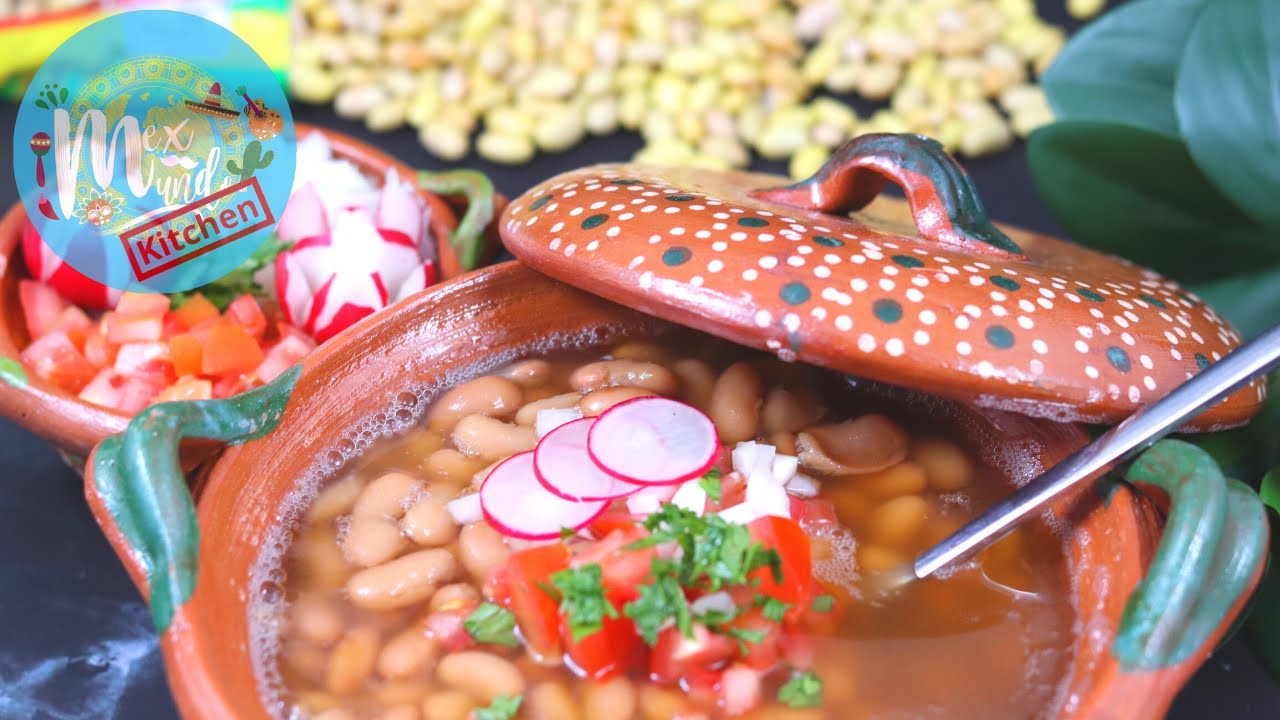
Mexican Beans Recipe: There’s something undeniably comforting about a hearty bowl of Mexican beans. Whether you’re scooping them into warm tortillas, pairing them with rice, or enjoying them as a side dish, these beans are a staple in countless Mexican households. But why are they so loved? Simple: they’re full of flavor, protein-rich, and incredibly versatile. And the best part? They’re easy to make at home.
Mexican beans aren’t just about tossing some beans in a pot and adding salt. They represent generations of tradition and family gatherings. Each family might have its twist, but the foundation remains the same — wholesome ingredients and slow cooking that builds rich, layered flavor.
In this guide, you’ll learn how to cook traditional Mexican beans from scratch. No fancy chef tricks or hard-to-find ingredients — just honest, home-style cooking.
What Makes Mexican Beans Special?
Mexican beans go beyond a simple side dish. They’re a celebration of flavor, culture, and community. What makes them truly special is the balance of earthy beans with spices like cumin, garlic, and chili, combined with the heartiness of slow-cooked onions and tomatoes. This isn’t a rush job — it’s about taking your time to let those flavors marry.
What sets Mexican beans apart is their flexibility. You can keep them vegetarian or toss in bits of bacon, chorizo, or even bone broth for a deeper taste. Want them spicy? Add jalapeños or chipotle peppers. Prefer them mild? Stick with the classic seasoning. They’re perfect for tacos, burritos, or just eaten by the spoonful. And because they’re packed with fiber and plant-based protein, they’re as nourishing as they are delicious.
Health Benefits of Mexican Beans
Beyond their crave-worthy taste, Mexican beans are a nutritional powerhouse. For starters, beans are a great source of plant-based protein, making them ideal for vegetarians and meat-eaters alike. They’re rich in fiber, which supports digestion, keeps you full longer, and even helps manage blood sugar levels.
Black beans, pinto beans, and kidney beans — all commonly used in Mexican dishes — are loaded with antioxidants. They help fight inflammation and can improve heart health. They’re also naturally low in fat and completely cholesterol-free, making them a heart-healthy food.
Add in tomatoes, garlic, and onions, and you’re boosting the antioxidant and vitamin content even more. It’s like comfort food that’s secretly good for you — no guilt, just goodness.
Ingredients You’ll Need
Basic Ingredients
Before you start cooking, make sure you’ve got everything on hand. Here’s a basic list of ingredients for traditional Mexican beans:
- 2 cups of dried pinto or black beans
- 1 medium onion, chopped
- 2 cloves garlic, minced
- 1 teaspoon ground cumin
- 1 teaspoon chili powder
- 1 teaspoon oregano
- 1 tablespoon olive oil or lard
- 6 cups water or broth (chicken or vegetable)
- Salt to taste
- Fresh cilantro (optional)
These are your go-to ingredients for an authentic batch of beans. Pinto beans are especially common in Northern Mexico, while black beans are popular in the South.
Optional Add-ins for More Flavor
Want to take your beans to the next level? Here are a few optional ingredients that can elevate your dish:
- Chopped tomatoes or tomato paste
- Jalapeños or chipotle peppers
- A dash of smoked paprika
- Crumbled bacon or chorizo
- Bay leaves
- A splash of lime juice before serving
These additions are great for experimenting with flavor. For instance, smoked paprika adds depth, while tomatoes make the dish slightly tangy. It’s all about what suits your taste buds.
Equipment Required
Kitchen Tools That Make Cooking Easier
You don’t need a high-tech kitchen to make a delicious pot of Mexican beans, but a few basic tools will make the process smoother and more efficient. Here’s what you should have on hand:
- Large pot or Dutch oven – Ideal for cooking beans evenly and giving them space to expand.
- Colander or strainer – Essential for rinsing and draining the beans before cooking.
- Wooden spoon or spatula – For stirring aromatics and keeping beans from sticking.
- Measuring cups and spoons – To ensure your seasonings and liquid ratios are just right.
- Pressure cooker or Instant Pot (optional) – Great if you want to speed up the cooking process.
- Blender or immersion blender (optional) – Useful if you’re planning to make refried beans later.
A slow cooker also works wonders if you prefer a “set it and forget it” approach. No matter which method you choose, it’s all about consistent heat and patience to get those tender, flavorful beans.
Preparing the Beans
Soaking the Beans
Soaking is a crucial step that many people skip, but if you want creamy, tender beans, don’t ignore this. Soaking reduces cooking time and helps break down complex sugars that can cause digestive discomfort.
How to soak beans:
- Measure out your beans and place them in a large bowl.
- Cover with 3-4 inches of water. The beans will swell, so give them room.
- Soak overnight for at least 8 hours.
- Rinse thoroughly the next morning.
This method results in beans that cook faster and more evenly. It also improves their texture, ensuring that you don’t end up with some beans mushy while others are still firm.
Tips for Faster Cooking
Forgot to soak your beans? No problem. Here’s a quick soak method:
- Put beans in a large pot.
- Cover with water and bring to a boil.
- Let them boil for 2-3 minutes.
- Turn off the heat and let them sit, covered, for 1 hour.
- Drain and rinse.
This shortcut mimics overnight soaking and helps reduce cooking time significantly. While it’s not quite as effective as a long soak, it’ll still get the job done if you’re short on time.
Cooking Mexican Beans – Step by Step
Step 1: Heating the Oil and Sautéing Aromatics
Start by heating a tablespoon of oil (olive oil, lard, or vegetable oil) in your pot over medium heat. Once hot, add your chopped onion and cook until it becomes translucent—about 5 minutes. Then, toss in the minced garlic and cook for another minute until fragrant.
This initial step sets the flavor base for your beans. The combination of oil, onions, and garlic is classic in Mexican cuisine, and it’s the foundation for almost every variation of the dish.
Step 2: Adding the Spices
Once your aromatics are ready, stir in your spices—cumin, chili powder, and oregano. Toasting the spices in the hot oil enhances their flavor and releases their essential oils, deepening the overall taste of your beans.
You can also add optional spices at this point: smoked paprika for a smoky kick, or cayenne pepper if you like heat. Stir the spices for about 30 seconds to a minute, just until they become fragrant.
Step 3: Cooking the Beans to Perfection
Now it’s time to add your soaked beans. Pour them into the pot along with enough water or broth to cover them by about 2 inches. Bring the mixture to a boil, then reduce the heat to low and cover.
Let the beans simmer gently. This can take anywhere from 1.5 to 2 hours, depending on the bean variety and how soft you like them. Stir occasionally and check the water level—add more hot water or broth if needed.
You’ll know they’re done when they’re tender but not falling apart. Taste and season with salt once the beans are almost finished cooking. Adding salt too early can make the beans tough.
Step 4: Final Touches and Simmering
In the final 15 minutes of cooking, toss in any extra flavor add-ins you want: chopped tomatoes, jalapeños, a bay leaf, or even a splash of lime juice. Let everything simmer together so the beans soak up that last layer of flavor.
If you like your beans thicker, mash some of them against the side of the pot with your spoon. This releases starch and creates a naturally creamy texture.
Serving Suggestions
What to Serve with Mexican Beans
Mexican beans are incredibly versatile and pair beautifully with countless dishes. Whether you’re preparing a simple lunch or a festive family dinner, beans can be the star or the perfect companion.
Here are some popular pairings:
- Mexican Rice – A classic combo that never fails.
- Tacos and Burritos – Use beans as a filling or a topping.
- Enchiladas – Spoon beans beside or inside your enchiladas.
- Grilled Meats – Beans make an excellent side for carne asada, grilled chicken, or pork.
- Egg Dishes – Serve alongside scrambled eggs or huevos rancheros for a hearty breakfast.
If you want to keep it light, beans also go well with a fresh salad, especially when paired with avocado, lime, and shredded lettuce.
Making It a Complete Meal
To turn Mexican beans into a satisfying full meal, try adding:
- Grains: Serve over brown rice or quinoa.
- Protein: Mix with shredded chicken, ground beef, or tofu.
- Toppings: Avocado slices, crumbled cheese (like cotija or queso fresco), sour cream, chopped cilantro, or lime wedges.
Add a tortilla or two, and you’ve got a complete, balanced meal packed with fiber, protein, and flavor. It’s the kind of meal that fills you up without weighing you down.
Storing and Reheating Leftovers
Best Practices for Storage
One of the best things about making Mexican beans is that they store beautifully. In fact, they often taste better the next day as the flavors continue to meld.
Follow these tips for storing:
- Cool completely before transferring to storage containers.
- Refrigerate in airtight containers for up to 5 days.
- Freeze in freezer-safe bags or containers for up to 3 months. Make sure to leave a little room for expansion.
To prevent sogginess, store beans with just enough broth to cover them, especially if you plan on reheating multiple times.
How to Reheat Without Losing Flavor
When you’re ready to reheat, the key is low and slow:
- On the stovetop: Warm over low heat, stirring occasionally. Add a splash of broth or water if the beans seem too thick.
- In the microwave: Cover loosely with a lid or microwave-safe wrap. Heat in 1-minute increments, stirring in between.
Avoid boiling them again as this can cause the beans to fall apart or lose their texture.
Common Mistakes to Avoid
Avoiding Mushy or Undercooked Beans
Cooking beans might seem foolproof, but a few common missteps can ruin the texture and flavor:
- Skipping the soak: Unsoaked beans take longer to cook and can be uneven in texture.
- Salting too early: This can make beans tough. Always add salt toward the end of cooking.
- Not tasting as you go: Flavors develop gradually. Taste and adjust seasoning throughout.
- Boiling too hard: A rapid boil breaks down the beans and turns them to mush. Keep the heat low and steady.
- Not checking liquid levels: Beans absorb a lot of liquid. Letting the pot run dry is a surefire way to burn them.
Be patient and follow each step carefully. Good beans take time—but they’re worth every minute.
Variations of Mexican Beans
Spicy, Smoky, or Sweet – Customize Your Flavor
One of the best things about Mexican beans is their flexibility. You can take the base recipe and tweak it a hundred different ways depending on your mood, dietary needs, or what’s in your fridge.
Here are some popular variations to explore:
- Spicy Beans: Add diced jalapeños, serrano peppers, or chipotle in adobo sauce for heat. Crushed red pepper flakes also do the trick.
- Smoky Beans: Stir in a teaspoon of smoked paprika or a diced chipotle pepper. Cooking your onions in bacon grease or adding bits of smoked meat brings a deep, smoky dimension.
- Sweet and Spicy: A pinch of brown sugar or a splash of molasses balances spicy heat and adds a hint of sweetness—great with black beans.
You can also change up the texture:
- Refried Beans: Mash the cooked beans and fry them in a bit of oil or lard until thick and creamy.
- Soup-Style Beans: Add extra broth, tomatoes, and seasonings to create a comforting bean soup.
The goal is to make the beans your own. Don’t be afraid to experiment—you might just discover your new favorite version.
Nutritional Facts
What’s in Every Bite?
Mexican beans aren’t just delicious—they’re incredibly good for you. Here’s a breakdown of the nutritional perks you get from a typical serving (1 cup) of cooked pinto beans:
| Nutrient | Amount |
|---|---|
| Calories | 245 |
| Protein | 15g |
| Fiber | 15g |
| Carbohydrates | 45g |
| Fat | 1g |
| Iron | 20% Daily Value |
| Magnesium | 21% Daily Value |
| Potassium | 746mg |
They’re low in fat and high in complex carbohydrates, making them a slow-burning energy source that keeps you full. Their high fiber content supports digestion and heart health, while their protein helps build muscle and repair tissue.
For vegans and vegetarians, beans are a staple source of protein. Even for meat eaters, they’re a valuable way to add plant-based nutrients to your diet.
FAQs about Mexican Beans Recipe
Can I Use Canned Beans Instead of Dry Beans?
Yes, you can. Just skip the soaking and long cooking steps. Use two 15-ounce cans of pinto or black beans. Rinse them well and simmer with the same aromatics and spices for at least 20–30 minutes for best flavor.
How Long Do Cooked Mexican Beans Last in the Fridge?
Cooked beans can last in the fridge for 4–5 days. Store them in an airtight container and reheat gently over low heat or in the microwave.
What Beans Are Best for Authentic Mexican Recipes?
Pinto beans are most common, especially in Northern Mexico. Black beans are popular in the southern regions. Both are great choices and can be used interchangeably depending on the dish.
Can I Freeze Mexican Beans?
Absolutely. Let them cool completely, then transfer to freezer-safe bags or containers. They’ll last for up to 3 months. Thaw in the fridge overnight before reheating.
Are Mexican Beans Vegan?
They can be! Simply use oil instead of lard and stick with vegetable broth or water. Skip any meat additions like bacon or chorizo for a fully plant-based version.
Conclusion
There’s something deeply satisfying about a pot of homemade Mexican beans simmering on the stove. It’s not just about the food—it’s about tradition, comfort, and nourishment. Whether you’re serving them as a side, turning them into refried beans, or using them as the base for a hearty meal, you now have all the tools and tips to make them authentically and deliciously.
From soaking to simmering, flavoring to customizing, making Mexican beans at home is a rewarding experience. And the best part? Once you’ve mastered the basic recipe, you can endlessly tweak it to match your cravings.
So next time you’re thinking of what to cook that’s simple, affordable, and downright tasty—give Mexican beans a try. Your tastebuds (and your family) will thank you.