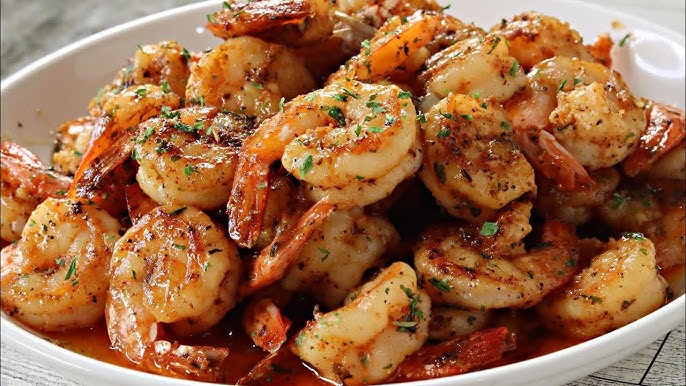
Mediterranean Shrimp Recipe: There’s something magical about Mediterranean flavors—bright, fresh, tangy, and aromatic. When you pair those vibrant tastes with juicy shrimp, you’ve got a dinner that feels fancy but comes together in under 30 minutes. This Mediterranean shrimp recipe is the perfect combination of healthy and delicious, delivering zesty lemon, creamy feta, briny olives, and juicy tomatoes in every bite. It’s the kind of meal that’s light but satisfying, colorful, and guaranteed to impress whether you’re serving it for a casual dinner or a weekend get-together.
Whether you’re new to cooking shrimp or a seasoned pro, this step-by-step guide breaks down everything from prepping your ingredients to serving it with the perfect sides. By the time you’re done, you’ll have a go-to dish that rivals anything from a seaside Greek taverna. Ready to bring the Mediterranean to your kitchen?
Health Benefits of Mediterranean Shrimp
One of the biggest draws of this Mediterranean shrimp dish—besides the flavor, of course—is how healthy it is. Shrimp itself is a powerhouse of lean protein, low in calories and fat, and packed with nutrients like selenium, vitamin B12, and iodine. Combine that with heart-healthy olive oil, antioxidant-rich tomatoes, and brain-boosting omega-3 fatty acids, and you’ve got a meal that does more than just taste great.
The Mediterranean diet is often hailed as one of the healthiest ways to eat. It focuses on whole foods, healthy fats, plenty of vegetables, and lean proteins. This recipe checks all those boxes. Plus, it’s naturally gluten-free, and you can easily make it low-carb or keto by pairing it with cauliflower rice or zucchini noodles.
And let’s not forget how satisfying it is. The combination of warm, garlicky shrimp with bursts of juicy tomato and the creamy bite of feta gives you a plate full of balanced textures and tastes. You won’t feel heavy after eating it, but you’ll definitely feel full and happy.
List of Ingredients You’ll Need
Here’s your full shopping list. Each ingredient brings a punch of flavor and fits beautifully into that classic Mediterranean profile:
Seafood
- 1 pound large shrimp, peeled and deveined (tail on or off based on preference)
Oils & Acids
- 2 tablespoons extra virgin olive oil
- 1 tablespoon lemon juice
- Zest of 1 lemon
Vegetables
- 4 cloves garlic, minced
- 1 small red onion, thinly sliced
- 1 cup cherry tomatoes, halved
- ½ cup Kalamata olives, pitted and sliced
Dairy
- ½ cup crumbled feta cheese
Herbs & Spices
- 1 teaspoon dried oregano
- 2 tablespoons fresh parsley, chopped
- Salt and pepper to taste
- Red pepper flakes (optional, for heat)
Optional Add-ons
- 1 cup baby spinach
- ¼ cup chopped artichoke hearts
- A splash of white wine or broth for added depth
Keep in mind: quality matters. Use fresh herbs if you can, real Greek feta, and the best olive oil you have—it makes all the difference.
Choosing the Right Shrimp
Before you even start cooking, it’s important to select the right kind of shrimp. You want large or extra-large shrimp—look for a count like 21/25 per pound, which means you’ll get about 21 to 25 shrimp per pound. This size is ideal because it’s big enough to stay juicy and flavorful without overcooking quickly.
You can use fresh or frozen shrimp, but if you go with frozen, make sure they’re completely thawed before cooking. Run them under cold water in a colander for about 10 minutes if you’re in a rush.
Also, consider buying peeled and deveined shrimp to save time. Tail-on looks pretty for presentation, but if convenience is key, tail-off works just as well.
If possible, choose sustainably sourced shrimp. Look for certifications like MSC (Marine Stewardship Council) or ask your fishmonger for advice. Sustainably caught shrimp are better for the environment and often better in quality too.
Kitchen Tools Required
Before diving into the cooking process, make sure you’ve got the right tools at hand. You don’t need a gourmet kitchen to make this recipe shine, but a few essentials will make the process smoother and more enjoyable:
- Large skillet or sauté pan – Preferably non-stick or stainless steel for even cooking.
- Tongs or spatula – Helps you flip and stir the shrimp and veggies without damaging them.
- Cutting board and sharp knife – For prepping your vegetables and herbs.
- Microplane or zester – For zesting your lemon with ease.
- Measuring spoons and cups – To get your ratios just right.
- Mixing bowl (if marinating shrimp) – Adds flavor before cooking.
Pro tip: Have everything prepped and within reach (mise en place). Shrimp cooks quickly, so having to slice garlic mid-cook can lead to overdone seafood. Prep smart to cook smart.
Prepping Your Ingredients
Here’s where the magic begins. Proper prep can be the difference between a decent dish and a fantastic one. Let’s break it down step by step:
1. Clean the Shrimp
If your shrimp aren’t cleaned yet, rinse them under cold water. Use a small knife to devein them (a dark line running down the back) and remove the shells if needed. Pat them dry with a paper towel—this helps them sear better in the pan.
2. Chop the Vegetables
- Garlic: Finely mince or slice it thin—your choice depending on how bold you want the flavor.
- Red onion: Thinly slice so it softens quickly in the pan.
- Cherry tomatoes: Halve them for juicy bites.
- Kalamata olives: Slice or leave whole for a burst of saltiness.
3. Prep Herbs and Feta
- Parsley: Chop it fine for a fresh garnish.
- Feta: Crumble and keep ready to sprinkle over the final dish.
4. Lemon Zest & Juice
Use a microplane to zest the lemon before cutting it in half to juice. This gives both a zingy freshness and a light citrus aroma that ties everything together.
Once your ingredients are all prepped and lined up, it’s time to move to the flavor booster…
Marinating the Shrimp (Optional for Extra Flavor)
While marinating isn’t necessary for this dish, it definitely adds a depth of flavor that’s worth the extra 15 minutes. Shrimp absorbs marinade fast, so even a short soak makes a noticeable difference.
Quick Lemon-Herb Marinade Recipe:
- 2 tablespoons olive oil
- 1 tablespoon lemon juice
- 1 teaspoon lemon zest
- 1 teaspoon dried oregano
- 2 garlic cloves, minced
- Salt and pepper to taste
Toss the cleaned shrimp in this marinade and let it sit for 15 minutes. You can do this while prepping your veggies. Avoid marinating longer than 30 minutes—too much acid (lemon juice) can start to “cook” the shrimp and make them rubbery.
Step-by-Step Cooking Instructions
This is where it all comes together. Follow these steps and you’ll have sizzling, golden shrimp swimming in savory Mediterranean flavors in no time.
Step 1: Heat the Skillet
Place your skillet over medium-high heat and add 2 tablespoons of olive oil. Let it warm up until it shimmers slightly. This ensures a quick sear on the shrimp, locking in all that juicy flavor.
Step 2: Sauté Garlic and Onions
Add the sliced red onion first and cook for about 2 minutes until it starts to soften. Then toss in the garlic and sauté for another 30 seconds. Don’t let it brown—burnt garlic turns bitter fast!
Step 3: Cook the Shrimp
Add the marinated shrimp in a single layer. Let them cook undisturbed for 2–3 minutes until pink and slightly golden on one side, then flip and cook another 1–2 minutes. Remove from the skillet and set aside (they’ll go back in at the end). Overcooked shrimp = chewy sadness.
Step 4: Add Tomatoes and Olives
In the same skillet, toss in your halved cherry tomatoes. Let them blister slightly—this releases their juices and amps up their flavor. After 2 minutes, add the sliced olives and stir to combine.
Step 5: Combine and Finish
Return the shrimp to the pan. Toss everything together for 1 minute, then turn off the heat. Sprinkle in your fresh parsley, lemon zest, and crumbled feta. Give it one final gentle toss and boom—you’re done.
Serving Suggestions
What’s the best way to enjoy this Mediterranean shrimp masterpiece? Honestly, the options are endless—but here are some of our favorite serving ideas:
Grains & Carbs:
- Fluffy couscous – The tiny grains soak up every drop of sauce.
- Steamed jasmine or basmati rice – For a simple, classic base.
- Quinoa – For a protein-rich, nutty base.
- Crusty bread or pita – Perfect for mopping up all those delicious juices.
Low-Carb Options:
- Zucchini noodles (zoodles) – Light and fresh.
- Cauliflower rice – Keeps it keto-friendly.
- On a bed of arugula or baby spinach – Warm shrimp over greens = a satisfying salad.
Pair With:
- A side of Greek salad or tabbouleh
- A glass of chilled white wine like Sauvignon Blanc or Pinot Grigio
- A dollop of tzatziki or hummus for dipping
This dish is versatile enough to be dinner party-worthy or weeknight-simple. Dress it up or keep it casual—your call.
Storing and Reheating Leftovers
If you’ve got leftovers (lucky you!), the good news is that this dish stores well and can be just as delicious the next day—if you handle it right. Shrimp is delicate, though, so you’ll want to be a little gentle during the reheating process.
Storing Instructions:
- Let the dish cool completely before storing.
- Transfer to an airtight container.
- Store in the refrigerator for up to 2-3 days.
- Avoid freezing it, as shrimp can become rubbery when thawed and reheated.
Reheating Tips:
- Stovetop: The best way. Add a small splash of olive oil or broth to a skillet and gently reheat over medium-low heat. Stir occasionally for even warming.
- Microwave: Use a lower power setting and cover loosely to avoid overcooking. Heat in short bursts (30 seconds at a time), stirring between intervals.
- Avoid high heat! Shrimp reheated too quickly turns tough and chewy.
Want to refresh it a bit? Add a squeeze of fresh lemon or a sprinkle of parsley before serving—it’ll wake the dish right up!
Tips to Elevate the Flavor
Want to take your Mediterranean shrimp to the next level? These little tweaks can make a big difference:
1. Use Infused Olive Oils
Garlic-infused or chili-infused olive oil can add another layer of depth without much effort. Drizzle a bit on just before serving for a flavor boost.
2. Add a Splash of White Wine or Broth
Deglazing the pan with a little white wine or veggie broth right after cooking the shrimp adds a savory depth. Just a splash will do—scrape up the browned bits for extra flavor.
3. Use Fire-Roasted Tomatoes Instead of Fresh
If cherry tomatoes are out of season or bland, try canned fire-roasted tomatoes. They bring a smoky, rich tomato flavor that pairs beautifully with shrimp.
4. Try Grilling Instead of Sautéing
Grill the shrimp on skewers and then toss with the sautéed vegetables. This adds a charred, smoky note that’s next-level delicious.
5. Layer Seasoning
Salt in layers: season the shrimp, season the vegetables, and season at the end. Each layer enhances the overall dish.
Common Mistakes to Avoid
Even simple dishes can go sideways if you’re not careful. Let’s cover the most common slip-ups so you can dodge them like a pro:
1. Overcooking the Shrimp
This is the #1 mistake. Shrimp cook fast—2-3 minutes per side tops. They’re done when they’re opaque and curled into a “C” shape. If they curl into an “O,” you’ve gone too far.
2. Skipping the Prep Work
Because shrimp cook quickly, you don’t have time to chop garlic or herbs mid-cook. Prep everything beforehand so you’re not scrambling when the skillet’s hot.
3. Using Too Much Salt (Especially with Feta & Olives)
Both feta and Kalamata olives are salty. Taste before adding more salt. You can always add more, but you can’t take it out.
4. Not Using Fresh Ingredients
This dish relies on fresh, vibrant flavors. Use fresh lemon juice (never bottled!), ripe tomatoes, and real Greek feta for the best results.
5. Not Resting the Dish
Letting your finished shrimp sit for 2–3 minutes off the heat helps the flavors settle and gives you a juicier final result.
Variations of the Recipe
This recipe is a base that you can riff on depending on what’s in your fridge or pantry. Here are a few tasty variations:
1. Spicy Mediterranean Shrimp
- Add ½ teaspoon red pepper flakes or a diced chili pepper while cooking the garlic.
- Finish with a drizzle of spicy harissa or chili oil.
2. Shrimp with Spinach and Sun-Dried Tomatoes
- Add a handful of fresh baby spinach to the pan after the shrimp is cooked. Let it wilt gently.
- Mix in ¼ cup chopped sun-dried tomatoes for an intense, tangy flavor.
3. Creamy Mediterranean Shrimp
- After cooking, stir in a splash of heavy cream or coconut milk and simmer for 1–2 minutes.
- This adds a rich, silky texture—great for serving over pasta.
4. No-Cheese, Dairy-Free Version
- Omit the feta and use chopped avocado for creaminess.
- Boost flavor with more herbs and lemon zest.
5. Mediterranean Shrimp Pasta
- Toss the finished dish with cooked linguine or angel hair pasta.
- Add a splash of pasta water or white wine to loosen the sauce and coat the noodles beautifully.
Make It a Full Mediterranean Meal
Want to turn your shrimp dish into a complete Mediterranean feast? Here’s how to build it out:
Appetizers:
- Hummus with warm pita bread
- Stuffed grape leaves (dolmas)
- Baba ghanoush or tzatziki dip
Salads:
- Classic Greek salad with cucumbers, tomatoes, red onion, olives, and feta
- Chickpea salad with lemon and fresh herbs
- Tabbouleh made with parsley, mint, and bulgur
Desserts:
- Baklava – sweet, nutty, and flaky
- Greek yogurt with honey and walnuts
- Lemon sorbet or gelato for a light finish
Drinks:
- White wine – Sauvignon Blanc, Pinot Grigio, or Greek Assyrtiko
- Iced mint tea
- Sparkling water with lemon and cucumber slices
This way, your Mediterranean shrimp becomes the star of a vibrant, unforgettable spread.
FAQs about Mediterranean Shrimp Recipe
1. Can I use frozen shrimp?
Yes! Just make sure they’re fully thawed and patted dry before cooking. Frozen shrimp work great when you’re short on time.
2. How long should I cook the shrimp?
Shrimp usually cook in about 2–3 minutes per side. Once they turn pink and opaque, they’re done. Avoid overcooking—they’ll become rubbery.
3. Is this dish keto-friendly?
Absolutely. As long as you skip high-carb sides like rice or pasta and pair it with zucchini noodles or a salad, it’s perfect for keto.
4. Can I make this ahead of time?
You can prep the ingredients in advance, but for the best texture, cook the shrimp right before serving. Reheating is possible, but be careful not to overcook.
5. What wine pairs best with Mediterranean shrimp?
A crisp white wine like Sauvignon Blanc, Pinot Grigio, or even a Greek Assyrtiko pairs beautifully with the citrus and herbs in this dish.
Conclusion
There you have it—your ultimate, step-by-step guide to making a flavor-packed, healthy, and absolutely delicious Mediterranean shrimp dish. Whether you’re cooking for one, for family, or for a crowd, this recipe brings sunshine to your plate. With bright lemon, briny olives, juicy shrimp, and creamy feta all dancing together in one skillet, it’s a quick, beautiful meal that satisfies without weighing you down.
Plus, the flexibility of this dish means you can make it your own. Add heat, change up the herbs, serve it over your favorite base, or keep it simple and classic. It’s fast enough for a weeknight but elegant enough for guests—and once you make it, it just might become a regular on your menu.
So grab your skillet, throw on your apron, and let the flavors of the Mediterranean take you on a little kitchen getaway.