Mediterranean Diet Recipes for Weight Loss: Let’s be honest—we all want a diet that’s not only good for our waistline but also doesn’t feel like torture, right? Enter the Mediterranean diet, a way of eating that’s as satisfying as it is healthy. Think of fresh vegetables drizzled with olive oil, perfectly grilled fish, hearty legumes, and fruit-forward desserts. Sounds indulgent? That’s the beauty of it. This isn’t just a diet—it’s a lifestyle rooted in centuries of tradition, and science backs it up as one of the healthiest ways to eat.
This guide is your all-in-one resource to help you get started with the Mediterranean diet for weight loss, complete with:
- Easy-to-find ingredient lists
- Step-by-step recipes for breakfast, lunch, and dinner
- Snacks and even dessert options that won’t derail your progress
- A sample 7-day meal plan
Ready to turn your kitchen into a Mediterranean haven? Let’s dive right in.
Understanding the Mediterranean Diet
You might be wondering, what exactly is the Mediterranean diet? It’s not a strict meal plan or a calorie-counting nightmare. Instead, it’s a flexible and delicious way of eating inspired by the traditional cuisines of countries like Greece, Italy, Spain, and southern France.
This diet emphasizes fresh, whole foods—like vegetables, fruits, legumes, whole grains, olive oil, nuts, and lean proteins such as fish and chicken. It also includes moderate wine (yes, really!), and minimal red meat or processed foods.
Here’s why it’s great for weight loss:
- It’s naturally low in processed sugars and refined carbs
- The fiber and healthy fats keep you fuller for longer
- It helps balance blood sugar and reduce cravings
- It’s sustainable—no weird shakes or pills needed
People in Mediterranean regions don’t follow a diet—they live it. They enjoy food, savor their meals, and stay active. That’s the magic we’re tapping into here.
Core Principles of the Mediterranean Diet
To stick to the Mediterranean way of eating, keep these guiding principles in mind:
- Prioritize whole, unprocessed foods: The fewer ingredients, the better.
- Go big on plants: Most of your plate should be veggies, fruits, legumes, and whole grains.
- Choose healthy fats: Olive oil is king here—ditch the margarine and butter.
- Eat seafood at least twice a week: Fatty fish like salmon, sardines, and mackerel are rich in omega-3s.
- Enjoy meals with others: Social connection is a big part of this lifestyle.
- Get moving naturally: Walking, gardening, and daily activity help keep you trim and healthy.
No counting points. No weighing every bite. Just real food and mindful eating.
List of Ingredients You’ll Need
Here’s what you’ll want to stock up on before diving into Mediterranean-style cooking:
Vegetables
- Tomatoes, cucumbers, bell peppers
- Spinach, arugula, kale, Swiss chard
- Zucchini, eggplant, red onion
- Artichokes, olives, and capers
Fruits
- Lemons, oranges, grapes
- Apples, pears, figs
- Berries (blueberries, raspberries, strawberries)
- Dates (use sparingly for sweetness)
Whole Grains & Legumes
- Quinoa, farro, bulgur, barley
- Brown rice, whole-wheat couscous
- Chickpeas, lentils, white beans
- Whole grain pita or bread
Protein Sources
- Salmon, tuna, sardines, mackerel
- Skinless chicken breast
- Eggs
- Greek yogurt and feta cheese (in moderation)
Healthy Fats
- Extra virgin olive oil
- Avocados
- Walnuts, almonds, pistachios
- Tahini
Herbs & Spices
- Oregano, basil, thyme, rosemary
- Garlic, parsley, dill, mint
- Cumin, paprika, black pepper
Having these on hand makes it so much easier to stick to your goals without feeling restricted.
Pantry Staples for Mediterranean Cooking
You know how they say, “Fail to plan, plan to fail?” That couldn’t be truer for eating healthy. A well-stocked pantry makes Mediterranean meal prep a breeze. These items are your secret weapons:
Grains & Legumes
- Canned chickpeas and beans
- Lentils (red and green)
- Brown rice, quinoa, bulgur
- Whole wheat pasta (use in moderation)
Oils & Condiments
- Extra virgin olive oil
- Balsamic vinegar, red wine vinegar
- Dijon mustard
- Tahini (for dressings)
Canned & Jarred Goods
- Crushed tomatoes, tomato paste
- Tuna or salmon in olive oil
- Roasted red peppers
- Olives and capers
Spices
- Ground cumin, smoked paprika
- Sea salt and black pepper
- Dried oregano, bay leaves
Snack Items
- Raw nuts (almonds, walnuts, pistachios)
- Dried fruit (sparingly!)
- Whole grain crackers
With this pantry, you’re always 10 minutes away from a healthy, Mediterranean-inspired meal.
Meal Prep Tips for Weight Loss on the Mediterranean Diet
Meal prepping is a total game changer when it comes to staying consistent with any diet, and the Mediterranean diet is no exception. In fact, prepping your meals ahead of time can help you make smarter food choices, avoid impulse eating, and stick to your weight loss goals without stress.
Batch Cooking for Busy Days
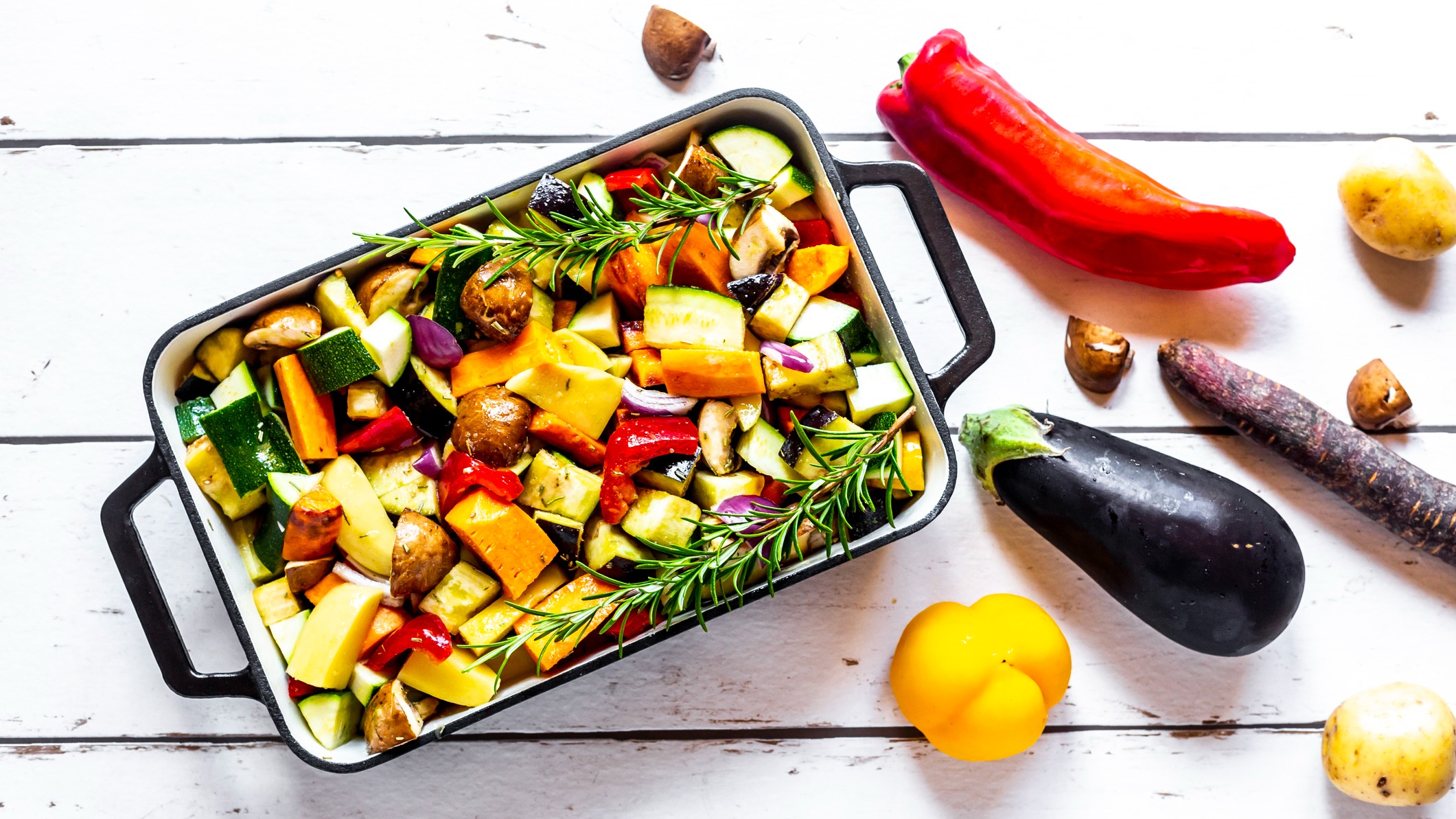
Start with cooking in bulk—grains like quinoa, barley, or brown rice can be prepped ahead and stored in the fridge for up to five days. Roast a big tray of veggies like bell peppers, zucchini, onions, and eggplant, and keep them handy to toss into salads, wraps, or grain bowls.
Batch-cook your protein sources, too:
- Grilled chicken breasts
- Baked salmon fillets
- Boiled eggs
- Lentil or chickpea patties
Store them in individual containers, so you can just grab, reheat, and eat.
Portion Control Without Obsessing
The Mediterranean diet isn’t about strict calories, but portion control still matters—especially for weight loss. Try using smaller plates and loading half of it with vegetables, one-quarter with lean protein, and the last quarter with whole grains or legumes.
Don’t forget about fats. Olive oil is healthy, but it’s still calorie-dense. Measure with a spoon instead of free-pouring it into every dish.
Make Your Meals Flavorful
Use herbs and spices to bring out vibrant flavors without adding extra calories. Garlic, lemon juice, za’atar, and sumac can turn simple dishes into something special.
Pro tip: Make a batch of dressing with olive oil, lemon, mustard, and herbs, and use it all week on salads, grain bowls, or as a marinade.
Breakfast Recipes for Weight Loss
A healthy, satisfying breakfast sets the tone for the day. It can help reduce cravings, stabilize blood sugar, and stop you from reaching for that mid-morning pastry. Here are two simple and delicious Mediterranean-style breakfast options you’ll love.
Greek Yogurt Bowl with Berries and Honey
This breakfast is creamy, refreshing, and loaded with protein and antioxidants.
Ingredients:
- 1 cup plain Greek yogurt (2% fat for satiety)
- ½ cup fresh berries (blueberries, strawberries, or raspberries)
- 1 tablespoon chia seeds
- 1 teaspoon honey or maple syrup (optional)
- A handful of chopped walnuts or almonds
- A sprinkle of cinnamon
Steps to Prepare:
- Scoop the Greek yogurt into a bowl.
- Top with fresh berries, chia seeds, and chopped nuts.
- Drizzle with honey and sprinkle cinnamon on top.
Nutrition Tips:
Greek yogurt offers protein and probiotics, while berries are high in fiber and antioxidants. Nuts add healthy fats to keep you full until lunch.
Mediterranean Avocado Toast
Forget the boring buttered toast—this version is creamy, savory, and full of flavor.
Ingredients:
- 1 slice whole grain or sprouted bread
- ½ ripe avocado
- 1 boiled egg (sliced)
- A sprinkle of za’atar or red pepper flakes
- Sea salt and lemon juice to taste
- Optional: cherry tomatoes or microgreens on top
Steps to Prepare:
- Toast the bread until golden and crisp.
- Smash the avocado on top and sprinkle with salt and lemon juice.
- Lay the sliced egg over the avocado.
- Add herbs, spices, and toppings.
Why it Works:
Avocados are rich in heart-healthy monounsaturated fats, and whole grain bread provides lasting energy. Add eggs for a protein boost to keep you energized and satisfied.
Lunch Recipes for Weight Loss
Midday meals should be light yet energizing—nothing that sends you into a food coma. These two lunch ideas are easy to prep and ideal for bringing to work or enjoying at home.
Quinoa Tabbouleh Salad
A refreshing, plant-based lunch loaded with fiber, protein, and greens.
Ingredients:
- 1 cup cooked quinoa
- 1 cucumber, diced
- 2 tomatoes, diced
- ½ red onion, finely chopped
- ½ cup chopped parsley
- 2 tablespoons fresh mint
- Juice of 1 lemon
- 2 tablespoons extra virgin olive oil
- Salt and pepper to taste
Steps to Prepare:
- Mix all the chopped vegetables and herbs in a large bowl.
- Add the cooked quinoa and stir well.
- Drizzle with olive oil and lemon juice.
- Season and toss everything together.
Bonus Tips:
Make this salad in advance—the flavor improves as it sits. You can also add crumbled feta or chickpeas for extra protein.
Chickpea & Veggie Wrap with Tahini Sauce
This wrap is the ultimate plant-based, protein-packed lunch.
Ingredients:
- 1 whole wheat or low-carb wrap
- ½ cup canned chickpeas (rinsed and drained)
- ½ cup shredded carrots
- ¼ cup chopped red cabbage
- ¼ cucumber, sliced thin
- 1 tablespoon tahini
- 1 teaspoon lemon juice
- Garlic powder, salt, pepper
Steps to Prepare:
- Mash chickpeas slightly in a bowl with a fork.
- Mix tahini, lemon juice, and seasonings to create a creamy dressing.
- Layer the wrap with veggies and chickpeas.
- Drizzle the tahini sauce and roll it tightly.
Why It Works:
Chickpeas provide protein and fiber, while the fresh veggies add crunch and nutrients. The tahini sauce adds richness without dairy.
Dinner Recipes for Weight Loss
Dinner should be satisfying, not heavy. These Mediterranean-inspired dinners are full of bold flavors, healthy fats, and lean proteins that help you stay full without feeling sluggish.
Baked Salmon with Lemon and Dill
This one’s a Mediterranean classic—simple, delicious, and packed with omega-3s that support heart health and fat loss.
Ingredients:
- 2 salmon fillets (around 4–6 oz each)
- Juice of 1 lemon
- 1 tablespoon extra virgin olive oil
- 2 cloves garlic, minced
- Fresh dill (or dried)
- Salt and black pepper
- Lemon slices for garnish
Steps to Prepare:
- Preheat your oven to 375°F (190°C).
- Place salmon on a parchment-lined baking tray.
- In a small bowl, mix olive oil, lemon juice, garlic, dill, salt, and pepper.
- Brush this mixture over the salmon fillets.
- Top each fillet with a slice of lemon.
- Bake for 15–18 minutes or until the salmon flakes easily.
Pro Tips:
Pair with a side of roasted Mediterranean vegetables or a cucumber-tomato salad for a complete, low-carb dinner. Salmon is rich in healthy fats that help regulate appetite and boost metabolism—a key combo for weight loss.
Grilled Chicken Over Greek Salad
This dish is everything you want from a weight-loss dinner—light, full of crunch, and super satisfying.
Ingredients:
- 1 chicken breast (boneless, skinless)
- 1 tablespoon olive oil
- 1 teaspoon dried oregano
- 1 garlic clove, minced
- Juice of ½ lemon
- Salt and pepper
For the Salad:
- 1 cup chopped romaine or mixed greens
- ½ cucumber, sliced
- 1 small tomato, diced
- ¼ red onion, sliced thin
- 5–6 Kalamata olives
- 1 tablespoon crumbled feta
- Drizzle of olive oil and red wine vinegar
Steps to Prepare:
- Marinate chicken in olive oil, lemon, oregano, garlic, salt, and pepper for at least 30 minutes.
- Grill or pan-sear the chicken until cooked through and golden.
- In a bowl, toss salad ingredients with a splash of olive oil and vinegar.
- Slice the chicken and place it over the salad.
Why It Works:
This meal gives you a solid dose of lean protein and fiber-rich veggies, helping you feel full and fueled without extra calories. It’s perfect for meal prepping—just store the salad and chicken separately to keep things fresh.
Snack Ideas That Keep You Full
Let’s be real: we all get the munchies. The trick is to snack smart—choosing foods that satisfy hunger and fuel your body instead of spiking your blood sugar.
1. Hummus with Veggie Sticks
A classic go-to! Hummus is full of fiber and protein from chickpeas and tahini.
Best veggies to dip:
- Carrots
- Cucumber slices
- Bell pepper strips
- Celery
- Cherry tomatoes
2. Greek Yogurt with Nuts
Go for plain, unsweetened Greek yogurt, and top with a few almonds or walnuts. Sprinkle cinnamon for sweetness without the sugar.
3. Roasted Chickpeas
Crunchy, salty, and high in fiber—these make a perfect afternoon snack.
How to make them:
- Toss canned chickpeas with olive oil, paprika, and garlic powder.
- Roast at 400°F (200°C) for 25–30 minutes until crisp.
4. Fruit with Nut Butter
Apple slices with almond or peanut butter give you the ideal combo of carbs, fat, and protein. Keep nut butter portions small—1 tablespoon is plenty.
5. Olives and Cheese
A few Kalamata olives with a cube or two of feta cheese is a savory, satisfying mini-meal that feels indulgent but stays within your goals.
Dessert Ideas That Fit Your Diet
Dessert on a diet? Yep, it’s possible with the Mediterranean lifestyle. You won’t find sugar bombs here—but you will discover naturally sweet, satisfying treats that keep you on track.
1. Olive Oil & Almond Cake
A light, slightly nutty cake made with almond flour and olive oil instead of butter. It’s lower in sugar and rich in healthy fats.
Flavor twist: Add orange zest or a splash of vanilla extract.
2. Fresh Fruit with Balsamic Glaze
Try sliced strawberries or peaches drizzled with a reduction of balsamic vinegar for a gourmet-style treat.
How to make glaze:
- Simmer ½ cup balsamic vinegar until thick and syrupy.
- Let cool and drizzle sparingly.
3. Greek Yogurt Parfait
Layer yogurt with:
- Fresh berries
- A sprinkle of chopped pistachios
- A dash of cinnamon
Skip the sugary granola and opt for plain oats or crushed nuts for crunch.
How to Stay Consistent on the Mediterranean Diet
It’s easy to be excited for the first week, but how do you stay motivated long-term? Here are a few practical tips that keep you on track without burning out.
1. Make It Enjoyable
Don’t eat meals you don’t like just because they’re healthy. Find Mediterranean dishes that excite your taste buds. Cooking is an act of self-care, not punishment.
2. Plan, Don’t Wing It
Even loosely planning your meals for the week reduces the risk of reaching for takeout or junk food. A little structure equals a lot of success.
3. Eat Mindfully
Slow down. Chew your food. Pay attention to hunger cues. Mindful eating helps prevent overeating and makes food more satisfying.
4. Allow Flexibility
Yes, you can have a glass of wine or a piece of dark chocolate now and then. The key is moderation and balance.
5. Move Your Body
The Mediterranean lifestyle isn’t just about food—it’s about movement. Walk, dance, stretch, swim—do something daily that feels good.
Common Mistakes to Avoid
Even the best diets can go off track if you’re not careful. The Mediterranean diet is naturally balanced and healthy, but there are a few easy missteps people often make—especially when using it for weight loss.
1. Overdoing the Healthy Fats
Yes, olive oil, nuts, seeds, and avocados are great for you. But they’re also high in calories. It’s easy to overdo it when you’re drizzling oil freely over salads or snacking on almonds straight from the bag.
Solution: Measure fats intentionally. Stick to 1–2 tablespoons of olive oil per meal, and go for a small handful of nuts.
2. Loading Up on Bread and Pasta
Whole grains are part of the Mediterranean diet, but that doesn’t mean three servings of pasta a day is okay—even if it’s whole wheat.
Solution: Treat grains as a side dish, not the main event. Fill half your plate with veggies, a quarter with protein, and the rest with whole grains or legumes.
3. Skipping on Protein
It’s easy to focus so much on veggies and grains that you forget about protein. But protein is crucial for weight loss—it helps build lean muscle and keeps you full.
Solution: Include lean protein in every meal—think grilled fish, legumes, eggs, or Greek yogurt.
4. Ignoring Portions
The Mediterranean diet doesn’t require counting calories, but that doesn’t mean you can ignore portion sizes completely—especially if you’re trying to lose weight.
Solution: Listen to your body’s hunger signals, and use smaller plates to help prevent mindless eating.
5. Forgetting About Movement
The diet is only half the equation. The Mediterranean lifestyle is active, involving daily walking, gardening, biking, or even dancing.
Solution: Incorporate natural movement into your day. It doesn’t have to be a full workout—just stay active.
Weekly Mediterranean Diet Meal Plan (Sample)
Here’s a sample 7-day Mediterranean meal plan to help you visualize how to put it all together. Each day includes balanced meals that support weight loss without sacrificing flavor.
| Day | Breakfast | Lunch | Dinner | Snack |
|---|---|---|---|---|
| Monday | Greek yogurt + berries + chia | Quinoa tabbouleh salad | Grilled salmon + roasted veggies | Hummus + carrots |
| Tuesday | Avocado toast + boiled egg | Chickpea wrap with tahini | Greek chicken salad | Roasted chickpeas |
| Wednesday | Oats with figs + walnuts | Lentil soup + side salad | Grilled shrimp + couscous | Greek yogurt + almonds |
| Thursday | Smoothie with spinach, banana, and yogurt | Mediterranean bowl with rice + veggies | Baked cod + Greek salad | Apple + almond butter |
| Friday | Greek yogurt parfait | Farro salad with feta + tomatoes | Lemon chicken + zucchini noodles | Olives + cheese cubes |
| Saturday | Veggie omelet + toast | Tuna-stuffed tomatoes | Grilled veggie skewers + hummus | Fresh berries |
| Sunday | Whole grain pancakes with fruit | Leftover salad with added protein | Baked eggplant + couscous | Dark chocolate square |
Tips to Customize:
- Adjust portions based on your caloric needs.
- Prep ingredients on Sunday to make weekday meals easier.
- Mix and match ideas to keep things exciting.
FAQs about Mediterranean Diet Recipes for Weight Loss
1. Can you lose belly fat on the Mediterranean diet?
Yes! Because it’s rich in anti-inflammatory foods, fiber, and healthy fats, the Mediterranean diet helps reduce abdominal fat and bloating. Combined with regular physical activity, it’s one of the most effective and sustainable diets for reducing belly fat.
2. Is Mediterranean food good for low-carb diets?
It can be. While the traditional Mediterranean diet includes grains and legumes, you can easily adapt it to lower your carb intake. Focus on non-starchy vegetables, seafood, lean meats, eggs, nuts, and olive oil, and reduce or eliminate bread, pasta, and rice.
3. How quickly will I see weight loss results?
This varies by person, but many people see consistent weight loss of 1–2 pounds per week. It’s not a “quick fix” but rather a long-term lifestyle that delivers sustainable results. The best part? You’re less likely to gain the weight back.
4. What drinks are allowed on this diet?
Stick to water, herbal teas, black coffee, and red wine in moderation (1 glass per day). Skip sugary drinks and sodas, which add empty calories and disrupt blood sugar.
5. Can I follow the Mediterranean diet on a budget?
Absolutely! Focus on seasonal produce, canned beans, lentils, whole grains, and frozen veggies. Buying in bulk and meal prepping helps cut costs too. It doesn’t have to be expensive to eat healthy and Mediterranean.
Conclusion
The Mediterranean diet isn’t just a tool for weight loss—it’s a full lifestyle upgrade. It’s about eating delicious, fresh food, enjoying meals with people you love, and moving your body in natural, enjoyable ways. No crash diets. No gimmicks. Just real, wholesome food that fuels your body and mind.
By focusing on whole ingredients, healthy fats, lean proteins, and vibrant produce, you’ll naturally shed pounds, improve your energy, and boost your health in a sustainable way. And the best part? You won’t feel deprived.
So start small. Maybe swap butter for olive oil. Or try one new Mediterranean recipe this week. Before you know it, this way of eating won’t feel like a diet—it’ll just feel like life.