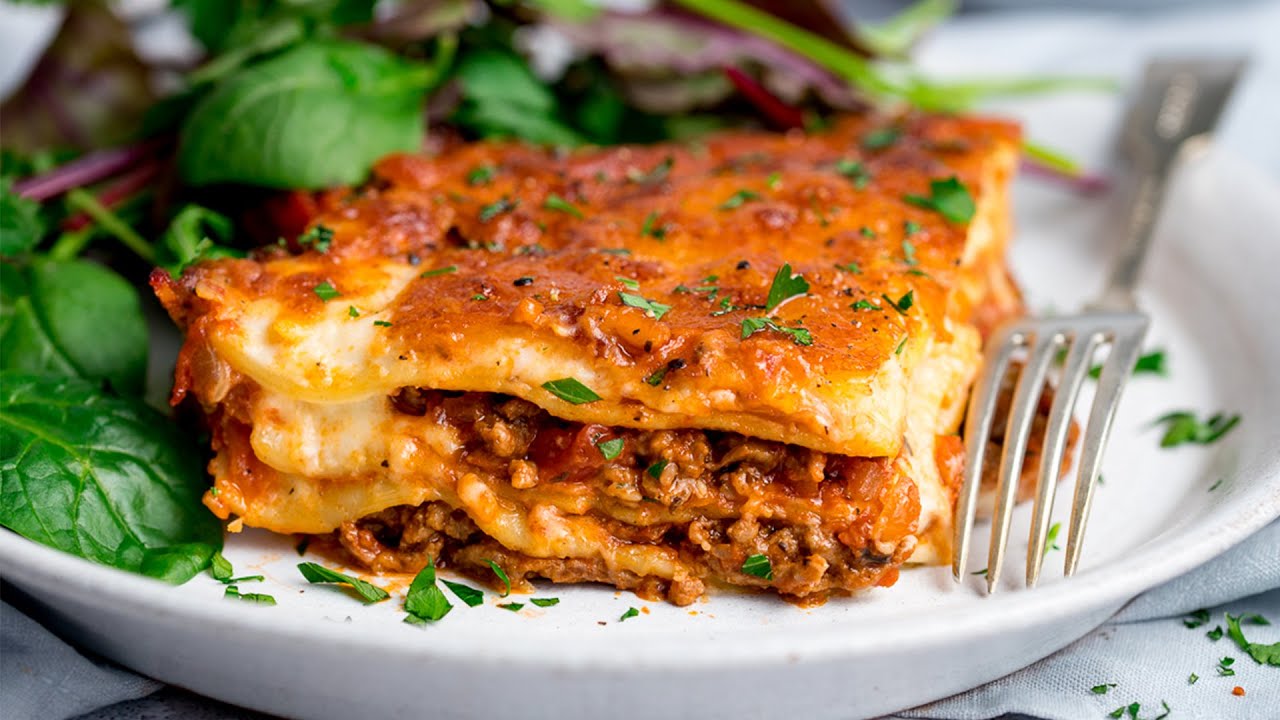
Meat Lasagna Recipe: Meat lasagna isn’t just a dish—it’s an experience. Imagine layers of rich, meaty sauce, creamy cheese, and perfectly cooked pasta all baked together until bubbling and golden. It’s the kind of meal that brings people together, whether it’s a cozy weeknight dinner or a hearty Sunday feast. For many, lasagna is a family tradition, passed down from one generation to the next. But don’t worry—you don’t need an Italian grandma to make a killer lasagna at home.
This step-by-step guide will walk you through the entire process, with plenty of tips to help you make it absolutely delicious every time.
Ingredients Needed
Let’s start with what you’ll need to make this magic happen. A great lasagna depends on high-quality ingredients. Here’s your shopping list:
For the Meat Sauce:
- 1 lb ground beef (or a mix of ground beef and pork)
- 1 small onion, diced
- 2 cloves garlic, minced
- 1 can (28 oz) crushed tomatoes
- 2 tbsp tomato paste
- 1 tsp sugar (to balance acidity)
- 1 tsp salt
- ½ tsp black pepper
- 1 tsp Italian seasoning
- ¼ tsp red pepper flakes (optional for a kick)
For the Cheese Layer:
- 15 oz ricotta cheese
- 1 egg
- 1 cup grated Parmesan cheese
- 2 cups shredded mozzarella cheese
- A pinch of salt and pepper
- 1 tsp dried parsley or fresh chopped basil
For the Pasta:
- 9 lasagna noodles (boil ahead or use no-boil if preferred)
- Salt for boiling water
Make sure to grab fresh ingredients. If you want an extra layer of flavor, look for San Marzano tomatoes for your sauce and whole-milk ricotta for richness.
Kitchen Tools Required
Cooking lasagna is straightforward, but having the right tools makes it even easier. Here’s what you’ll need:
- A large skillet or sauté pan (for the meat sauce)
- A large pot (for boiling noodles)
- 9×13 inch baking dish (glass or ceramic is best)
- Mixing bowls (for cheese mixture)
- Spatula or wooden spoon
- Ladle (for layering sauce)
- Aluminum foil (for covering while baking)
- Sharp knife (for slicing)
Optional tools:
- Cheese grater
- Colander (for draining pasta)
- Oven thermometer (for accurate baking)
Having your tools ready in advance helps the whole process run smoothly—and ensures your lasagna cooks evenly and beautifully.
Step-by-Step Preparation Guide
Let’s get to the real magic. Follow these steps carefully, and you’ll be rewarded with a lasagna that tastes like it came from a top-tier Italian kitchen.
Step 1: Preparing the Meat Sauce
In a large skillet, heat a bit of olive oil over medium heat. Add the diced onion and sauté for about 3 minutes until soft and translucent. Next, stir in the minced garlic and cook for another 30 seconds—don’t let it burn!
Add your ground meat to the skillet. Break it apart with a wooden spoon as it cooks, letting it brown evenly. This should take about 5-7 minutes. Once the meat is no longer pink, drain any excess grease if necessary.
Now, stir in the tomato paste and let it cook for 1-2 minutes to develop a deeper flavor. Then, add the crushed tomatoes, sugar, salt, pepper, Italian seasoning, and red pepper flakes if you’re using them. Stir to combine and bring the sauce to a simmer.
Lower the heat and let the sauce cook gently for about 15-20 minutes. Stir occasionally. The goal here is a thick, flavorful sauce that isn’t too watery. This is your lasagna’s backbone, so give it love!
Step 2: Boiling the Lasagna Noodles
While your sauce is simmering, bring a large pot of salted water to a boil. Add your lasagna noodles and cook according to the package instructions—usually about 8-10 minutes. Stir occasionally to prevent sticking.
Once the noodles are tender but firm (al dente), drain them and lay them flat on a baking sheet or a clean kitchen towel. This prevents them from sticking together while you prepare the rest of your ingredients. Pro tip: drizzle a bit of olive oil over the noodles to keep them slick and manageable.
Step 3: Mixing the Cheese Filling
While your noodles are cooling and the sauce is simmering down to perfection, it’s time to prep the creamy, dreamy cheese filling. In a medium mixing bowl, combine the ricotta cheese, egg, grated Parmesan, a pinch of salt and pepper, and your herbs (parsley or basil work great). Stir everything together until it’s smooth and well blended.
This cheesy mixture is what gives lasagna that luscious texture in every bite. The egg helps bind the cheese so it doesn’t ooze out completely while baking. If you want to kick it up a notch, you can add a touch of garlic powder or even a bit of nutmeg—just a pinch—to deepen the flavor. Some folks even mix in some shredded mozzarella at this stage, but it’s totally up to you.
Set the cheese mixture aside. Now you’re ready to bring everything together into one beautiful, mouthwatering creation.
Layering the Lasagna
This is where things get fun—and just a little bit messy. Don’t worry, though, because layering lasagna is as easy as 1-2-3. Here’s the best way to do it for maximum flavor and structure:
- Start with Sauce: Spread a thin layer of your meat sauce at the bottom of your baking dish. This helps prevent the noodles from sticking and gives the base extra moisture.
- Add Noodles: Lay down 3 cooked lasagna noodles lengthwise across the sauce. Don’t overlap too much; it’s okay if there’s a little space.
- Cheese Layer: Spread about one-third of your ricotta cheese mixture over the noodles. Use the back of a spoon or a spatula to spread it evenly.
- More Sauce: Spoon over a layer of meat sauce, just enough to cover the cheese mixture.
- Mozzarella Time: Sprinkle a generous handful of shredded mozzarella on top of the sauce.
Repeat these layers two more times: noodles, ricotta, sauce, mozzarella. You should end with a layer of noodles topped with sauce and a thick blanket of mozzarella and Parmesan cheese.
Pro tip: Press down lightly after each layer to keep things compact. This prevents a sloppy, slide-apart lasagna once baked.
Baking Instructions
Preheat your oven to 375°F (190°C). Cover your lasagna with aluminum foil—this traps in moisture so your pasta doesn’t dry out while baking. Make sure the foil isn’t touching the cheese to avoid sticking.
Bake for 25 minutes covered. Then, remove the foil and continue baking for another 20–25 minutes, or until the top is golden brown and bubbly. You can broil the last 2–3 minutes for an extra crispy cheesy top, but keep a close eye on it.
Once it’s done, take it out of the oven and let it rest uncovered for at least 15–20 minutes. This is crucial. Resting allows the layers to set, making it easier to slice and serve without it turning into a delicious (but messy) pile.
Resting and Serving
Now comes the hardest part—waiting. But trust us, this step makes all the difference. If you slice into your lasagna straight out of the oven, all the layers will collapse, and the cheese will be lava-hot.
After resting for 15–20 minutes, use a sharp knife to cut the lasagna into squares. A metal spatula works best for lifting those cheesy, saucy layers onto plates.
Garnish with chopped basil or parsley for a touch of color. Serve with garlic bread, a crisp salad, or a glass of red wine if you’re feeling fancy. And don’t be surprised if everyone asks for seconds—it’s that good.
Storage and Reheating Tips
So, you’ve made a big, beautiful tray of lasagna and you’ve got leftovers—lucky you! Lasagna actually tastes even better the next day as the flavors meld together overnight. But you’ll want to store and reheat it the right way to maintain that glorious texture and taste.
Refrigeration:
If you plan to eat the leftovers within 3–4 days, let the lasagna cool completely at room temperature first. Then, cover the dish tightly with aluminum foil or transfer the slices into airtight containers. Store in the refrigerator.
Freezing:
For longer storage (up to 2–3 months), freeze individual portions. Wrap each piece tightly in plastic wrap, then foil, or place them in freezer-safe containers. You can also freeze the entire lasagna before baking it—just skip the baking step and wrap the whole dish tightly.
Reheating Instructions:
- Microwave: For individual slices, microwave on medium power for 2–3 minutes, then check the center. If still cold, continue in 30-second bursts.
- Oven: Preheat to 350°F (175°C). Cover lasagna with foil and bake for about 20–30 minutes (longer if frozen).
- Avoid Drying Out: Add a spoonful of water or marinara sauce on top before reheating to keep things moist.
Avoid using a high-power microwave setting—that can dry out the cheese and toughen the pasta. Gentle heat wins the race when it comes to lasagna leftovers.
Variations and Substitutes
Love lasagna but want to switch it up? Whether you’re catering to different dietary needs or just feeling creative, there are plenty of ways to put a twist on the classic meat lasagna.
Vegetarian Lasagna:
Skip the meat entirely and use vegetables like spinach, zucchini, mushrooms, or eggplant. Sauté them before layering to remove excess water. You can even add lentils or plant-based meat crumbles for a protein boost.
White Lasagna:
Try a béchamel sauce instead of red sauce for a creamy alternative. Pair it with chicken, spinach, or even seafood for an elegant variation.
Gluten-Free:
Use gluten-free lasagna noodles or opt for thin slices of zucchini or eggplant in place of pasta. Make sure your sauces and cheese are also certified gluten-free.
Low-Carb/Keto:
Go noodle-less by layering meat and cheese with slices of zucchini or cauliflower sheets. Keep the sauce low in sugar, and you’ve got a satisfying keto-friendly option.
Cheese Substitutes:
Can’t do dairy? Use dairy-free alternatives like cashew ricotta or almond-based mozzarella. Many of these melt beautifully and add their own unique flavor.
Switching things up doesn’t mean sacrificing flavor. In fact, it’s fun to experiment with different combinations—and you might just find a new favorite!
Tips and Tricks for the Best Meat Lasagna
Want to know what separates a good lasagna from a great one? It’s all in the details. Here are some pro-level tips to take your lasagna game to the next level:
- Drain the Meat: Always drain excess grease from your cooked meat before adding tomatoes. A greasy lasagna is no one’s friend.
- Season Every Layer: Lightly salt your ricotta mixture and season each layer with care. This ensures every bite is flavorful.
- Don’t Overdo the Sauce: Too much sauce can make your lasagna soggy. Spread it evenly, but don’t flood each layer.
- Use Fresh Herbs: Add chopped basil or parsley between layers or on top after baking for a fresh pop of flavor.
- Resting Time is Key: Don’t skip the 15–20 minutes of resting time post-baking. This helps everything hold together.
- Double the Batch: Make two lasagnas at once—one for now, one for the freezer. Future-you will thank you!
These little tricks might seem simple, but they make a big difference in the final dish. Think of them as the secret handshake of lasagna mastery.
Nutritional Information
Here’s a rough breakdown per serving (based on a 9-slice lasagna and traditional ingredients):
| Nutrient | Amount per Serving |
|---|---|
| Calories | ~450–550 kcal |
| Protein | 25–30 g |
| Fat | 22–28 g |
| Carbohydrates | 35–45 g |
| Fiber | 3–4 g |
| Sugar | 6–8 g |
| Sodium | 700–900 mg |
Keep in mind that these values can vary based on your ingredients and portion sizes. Want to make it lighter? Swap in lean ground turkey or add more veggies to reduce calories and fat.
FAQs about Meat Lasagna Recipe
1. Can I use oven-ready lasagna noodles?
Yes! Oven-ready noodles save time and don’t require boiling. Just make sure your sauce is slightly more liquid to help them cook through.
2. Can I make lasagna a day in advance?
Absolutely. Assemble it, cover it tightly, and refrigerate. It actually tastes better the next day as the flavors meld.
3. How long does cooked lasagna last in the fridge?
Properly stored, cooked lasagna lasts 3–4 days in the fridge. Reheat as needed.
4. Can I substitute cottage cheese for ricotta?
Yes, you can. Cottage cheese has a lighter texture and works well as a substitute—just drain excess liquid before using.
5. What wine pairs best with lasagna?
A medium-bodied red like Chianti, Merlot, or a nice Cabernet Sauvignon pairs beautifully with the rich flavors of meat lasagna.
Conclusion
Lasagna isn’t just food—it’s a labor of love. From the bubbling layers of cheese and sauce to the satisfying bite of pasta, it’s a dish that delivers comfort in every forkful. And now that you’ve got the full step-by-step guide, you’re ready to make your own from scratch—no shortcuts, just delicious, homemade satisfaction.
Whether you’re cooking for a crowd, prepping for the week, or freezing for future dinners, this meat lasagna recipe is your go-to guide. Roll up those sleeves, gather your ingredients, and make something truly memorable. Buon appetito!