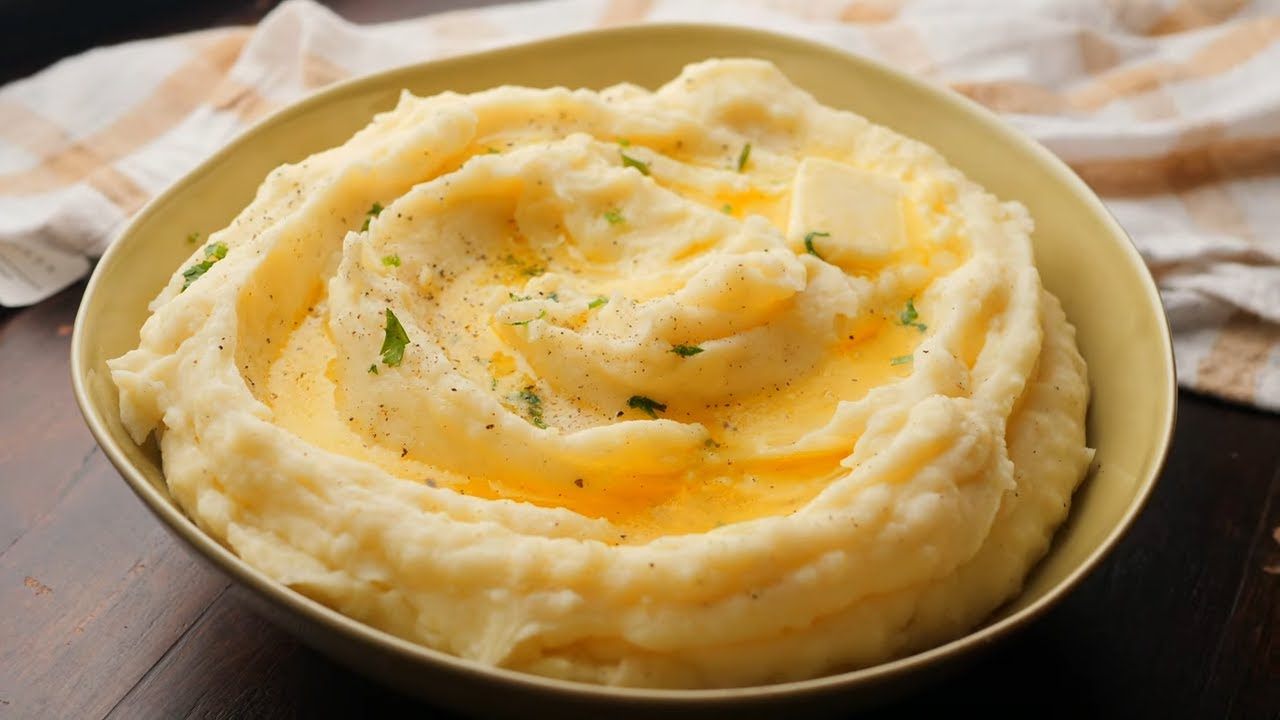
Mashed Potatoes Recipe: There’s nothing quite like a warm bowl of mashed potatoes. Soft, buttery, and melt-in-your-mouth good, they’re the ultimate comfort food. Whether you’re cooking a holiday feast, weeknight dinner, or a special celebration, mashed potatoes always hit the spot. But here’s the catch: not all mashed potatoes are created equal. Some turn out dry, some too gluey, and some are just bland.
In this guide, I’ll walk you through exactly how to make mashed potatoes that are creamy, fluffy, and full of flavor — every single time. Plus, you’ll get some chef-style secrets, ingredient tips, and even fun variations to jazz things up. Ready to master mashed potatoes like a pro? Let’s dig in!
Why Mashed Potatoes Are Everyone’s Favorite
Mashed potatoes are that one dish everyone fights over at the dinner table — and for good reason. They’re creamy, rich, and they go with almost everything. Roast chicken? Perfect match. Turkey and gravy? Say no more. Even on their own, they shine with just a pat of butter or a sprinkle of herbs.
But it’s more than just taste — mashed potatoes are emotionally comforting. They remind us of Sunday dinners at grandma’s, cozy winter nights, and holiday memories. Plus, they’re budget-friendly, easy to make, and endlessly customizable. Whether you’re keeping it classic or throwing in a twist, mashed potatoes never disappoint.
The Secret to Perfect Mashed Potatoes Every Time
Let’s break it down: the perfect mashed potatoes are fluffy, rich, well-seasoned, and never gluey. But achieving this magic requires a little bit of technique. The secret lies in three things:
- The type of potatoes you use (not all spuds are equal).
- How you cook them (gentle and even boiling is key).
- How you mash and mix (overmixing = gluey disaster).
Stick with me, and I’ll make sure you never serve bland or lumpy potatoes again.
List of Ingredients You’ll Need
Main Ingredients
- Potatoes – 2 lbs (about 4-5 medium Russet or Yukon Gold potatoes)
- Unsalted butter – ½ cup (room temperature)
- Heavy cream or whole milk – ½ to ¾ cup, warmed
- Salt – To taste (start with 1-2 tsp)
- Freshly ground black pepper – To taste
Optional Add-ins for Flavor Boost
- Garlic cloves (roasted or sautéed) – 2-3 cloves
- Cream cheese or sour cream – ¼ cup
- Grated cheese (Parmesan, cheddar, etc.) – ½ cup
- Fresh herbs (chives, parsley, thyme) – 1-2 tbsp, finely chopped
- Chicken or veggie broth – Replace some cream for lighter flavor
These ingredients are flexible. Want more richness? Add cream cheese. Want lighter potatoes? Swap cream for milk or broth. The beauty of mashed potatoes is that you can make them your own.
Choosing the Right Potatoes
Not all potatoes are made equal — especially when it comes to mashing.
Russet vs Yukon Gold: Which is Better?
- Russet Potatoes: These are high in starch and low in moisture, which makes them super fluffy and ideal for smooth, creamy mashed potatoes.
- Yukon Gold Potatoes: These have a slightly buttery flavor and a creamier texture, making them great for rich, dense mashed potatoes.
Pro tip: For the best of both worlds, mix half Russets and half Yukon Golds. You’ll get fluffiness with a hint of creaminess and flavor depth.
Avoid red or waxy potatoes — they’re great for salads but turn gluey when mashed.
Preparation Tools You’ll Need
Kitchen Essentials for Easy Mashing
You don’t need a lot of fancy tools to make mashed potatoes, but a few basics will make the job easier:
- Potato peeler – To peel the skins off quickly and evenly.
- Large pot – Enough space to boil potatoes evenly.
- Colander – For draining the potatoes after boiling.
- Potato masher – Classic and simple. Gives a slightly rustic texture.
- Ricer or food mill (optional) – For ultra-smooth, restaurant-style potatoes.
- Mixing spoon – To fold in butter, cream, and seasoning gently.
Step-by-Step Guide to Making Creamy Mashed Potatoes
Let’s walk through this recipe from start to finish. Follow each step closely, and your mashed potatoes will turn out incredible every single time.
Step 1: Wash, Peel, and Cut the Potatoes
Start by giving your potatoes a good scrub. Even if you’re peeling them, dirt can sneak in while cutting. Use a sharp peeler to remove the skins. Then, cut the potatoes into even chunks — about 1 to 2 inches thick.
Why it matters: Even-sized pieces cook at the same rate, so you won’t have some mushy and some undercooked.
Tip: If you’re using Yukon Golds and love rustic mash, you can leave the skins on for texture and color.
Step 2: Boil Until Fork-Tender
Place the potatoes in a large pot and cover them with cold water. Add a generous pinch of salt — think of it like seasoning pasta water.
Bring to a boil, then reduce to a simmer. Cook until the potatoes are fork-tender — about 15-20 minutes depending on size.
Don’t overboil: Overcooked potatoes absorb too much water and can become gluey. Stick a fork into a few pieces — they should break apart easily, but not crumble.
Step 3: Drain and Dry the Potatoes
Once your potatoes are cooked, drain them well in a colander. Then return them to the hot pot and let them sit on the burner (turned off) for 2-3 minutes.
This step helps evaporate excess moisture so your mash isn’t watery. It’s the kind of small step that makes a big difference.
Step 4: Add Butter and Cream
Now for the fun part. While the potatoes are still hot, add your room-temperature butter and start mashing. Gradually pour in warm cream or milk as you mash, so the potatoes soak up all the richness.
Why warm ingredients? Cold butter or milk cools down the potatoes and prevents them from absorbing the flavor properly. Warm = creamy.
Step 5: Mash to Perfection
Use a potato masher for a classic, slightly rustic texture. If you want ultra-smooth mashed potatoes, pass them through a potato ricer first.
Do NOT overmix. Using a hand mixer or food processor can break down the starches too much and give you gluey potatoes. Mash just until smooth and fluffy.
Step 6: Season and Taste
Add salt and freshly ground black pepper to taste. Give it a final mix and taste before serving — it’s your last chance to adjust the seasoning!
Want more punch? Stir in garlic, herbs, or cheese at this point. Customize to your heart’s content.
Tips for Extra Creamy Mashed Potatoes
Getting that ultra-smooth, velvety mash isn’t just about ingredients—it’s about technique. Here are a few professional tricks to take your mashed potatoes to the next level:
1. Use Room Temperature Ingredients
Both butter and cream (or milk) should be at room temperature or warmed before adding them in. Why? Cold ingredients cool down the potatoes and slow absorption, leading to uneven texture. Warm ingredients blend better and give that rich, cohesive flavor in every bite.
2. Dry Your Potatoes Well
After boiling, don’t skip the drying step. Letting your potatoes sit in the hot pot (off the heat) for a few minutes helps evaporate excess water. Too much moisture can dilute the flavor and lead to soggy mash.
3. Mash While Hot
Always mash the potatoes while they’re still warm. Potatoes firm up as they cool, making it harder to get that fluffy consistency.
4. Don’t Overwork the Potatoes
Using a blender, food processor, or over-mixing with a hand mixer can turn your mash into a gummy, gluey mess. Stick with a ricer or potato masher, and stop when they’re just smooth.
5. Taste As You Go
Start with less salt and gradually add more until the flavor is just right. This also applies to butter and cream. Mashed potatoes are super forgiving—you can always add, but you can’t take away.
Creative Variations to Try
Mashed potatoes are incredibly versatile. Once you’ve mastered the classic version, experiment with these tasty twists to impress your family or guests.
Garlic Mashed Potatoes
- Roast a few cloves of garlic until golden and soft.
- Mash them into the potatoes with butter and cream.
- Adds a rich, slightly sweet, aromatic flavor.
Cheesy Mashed Potatoes
- Mix in ½ cup of sharp cheddar, Gruyère, or Parmesan.
- Stir it in after mashing for a gooey, cheesy bite.
- Pro tip: Use freshly grated cheese—it melts better than pre-shredded.
Herb-Infused Mashed Potatoes
- Add chopped fresh herbs like parsley, thyme, or chives.
- For deeper flavor, infuse your cream with rosemary or bay leaf before adding it.
- Herb mash pairs great with roasted meats and gravy.
You can even make spicy mashed potatoes with a pinch of cayenne or chili flakes or bacon mashed potatoes by mixing in crispy bacon bits.
How to Make Vegan Mashed Potatoes
No dairy? No problem! Vegan mashed potatoes are just as creamy and flavorful when done right.
Plant-Based Substitutes:
- Butter substitute: Use vegan butter or olive oil.
- Milk substitute: Unsweetened almond milk, oat milk, or cashew cream.
- Creamy texture: Add a spoon of vegan mayo or mashed avocado.
- Flavor boost: Nutritional yeast gives a cheesy, umami flavor.
Follow the same boiling and mashing process—just swap in your plant-based ingredients. The key is still to use warm substitutes and mash while hot.
Make-Ahead Mashed Potatoes for Holidays
Planning a holiday meal? You can absolutely make mashed potatoes in advance—and still keep them delicious.
How to Store:
- Let mashed potatoes cool completely.
- Transfer to an airtight container and refrigerate for up to 3 days.
How to Reheat Without Drying Out:
- Place in a pot over low heat.
- Add a splash of milk or cream.
- Stir occasionally until warmed through.
- Add a bit more butter or seasoning to freshen them up.
You can also reheat them in a slow cooker on low for 2-3 hours, stirring occasionally. They’ll stay warm and creamy—perfect for busy holiday cooking.
What to Serve with Mashed Potatoes
Mashed potatoes are the ultimate sidekick—they go with almost everything. But here are some absolute fan favorites to pair them with:
Protein Pairings:
- Roast turkey or chicken
- Grilled steak
- Pork chops or tenderloin
- Meatloaf
- Fried or baked fish
Gravy & Sauces:
- Classic brown gravy
- Mushroom gravy
- Herb butter or garlic sauce
- Cranberry sauce (for a sweet-savory contrast)
Vegetable Side Ideas:
- Roasted carrots or Brussels sprouts
- Sauteed green beans
- Creamed spinach
- Corn on the cob
The beauty is in the balance—mashed potatoes are creamy and soft, so pairing them with crisp, juicy, or saucy dishes creates a perfect plate.
Common Mistakes to Avoid
Even seasoned cooks make these mashed potato mistakes. Let’s help you steer clear:
1. Using the Wrong Potatoes
Waxy potatoes (like red or new potatoes) get gluey. Stick with starchy varieties like Russets or Yukon Golds.
2. Not Salting the Water
Potatoes need flavor all the way through—not just after cooking. Salting the water infuses them with flavor from the inside out.
3. Adding Cold Dairy
Cold milk or butter causes uneven mixing. Always use warm or room-temp ingredients.
4. Overworking the Potatoes
Overmixing leads to a gummy, sticky texture. Be gentle—mash just until smooth.
5. Skipping the Drying Step
If you don’t let your boiled potatoes dry, your mash may turn watery. A quick steam in the pot helps remove moisture.
FAQs about Mashed Potatoes Recipe
1. Can I freeze mashed potatoes?
Yes! Let them cool completely, then freeze in airtight containers or freezer bags. Reheat with a bit of added cream or butter to restore the creamy texture.
2. How long do mashed potatoes last in the fridge?
Stored properly in an airtight container, they’ll last 3-4 days in the fridge. Reheat gently with a splash of cream.
3. Can I make mashed potatoes in a slow cooker?
Absolutely. Boil your potatoes first, mash them, then transfer to a warm slow cooker with butter and milk. Great for serving at parties!
4. Why are my mashed potatoes gluey?
They were likely overmixed or made with the wrong potato type. Always use starchy potatoes and avoid blenders or processors.
5. How do I thicken runny mashed potatoes?
Add a little more butter, cream cheese, or even instant potato flakes. Reheat while stirring until they reach your desired consistency.
Conclusion
Mashed potatoes are more than just a side—they’re a nostalgic, comforting, and delicious staple that belong on every dinner table. Whether you like them rich and buttery, herb-infused, or cheesy with a twist, there’s a mashed potato version out there with your name on it.
With the right ingredients, a few key techniques, and the step-by-step process in this guide, you’ll be making the best mashed potatoes of your life—every time. Bookmark this recipe, make it your own, and enjoy sharing it with family and friends.
Because at the end of the day, mashed potatoes aren’t just food… they’re home.