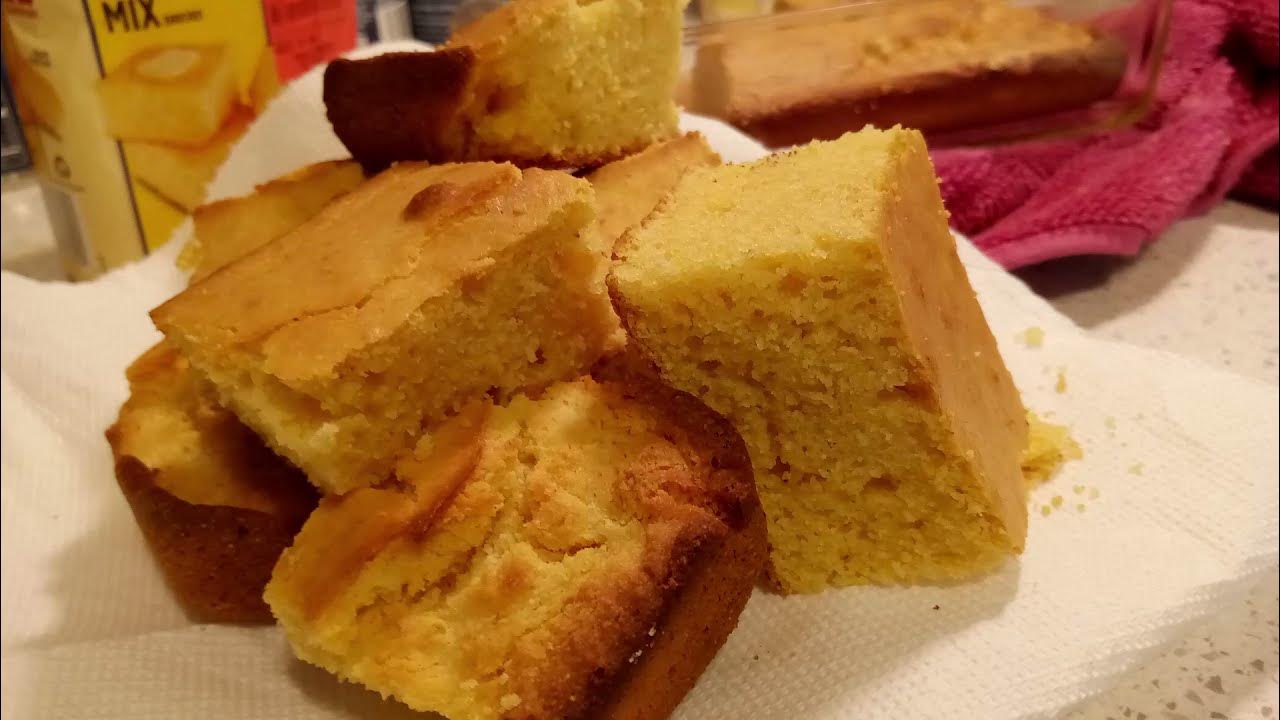
Martha White Cornbread Recipe: If you’ve ever been to a true Southern kitchen, chances are you’ve seen a skillet of golden, crispy-edged cornbread sitting on the table. It’s warm, crumbly, and perfect with a bowl of chili, greens, or just a pat of butter and a drizzle of honey. And when it comes to trusted cornbread mixes, Martha White is a name that’s been around for generations. This iconic brand has made home baking easier, faster, and just plain better for millions of families across the South—and beyond.
There’s something nostalgic about the flavor and texture of Martha White Cornbread. It’s simple, yet satisfying. Whether you’re making it for a Sunday dinner, a holiday feast, or just because it sounds good on a weeknight, this guide will walk you through the entire process—from ingredients to the first buttery bite. And don’t worry: this isn’t one of those 15-minute fake-outs. We’re diving into every juicy detail to make sure you get perfect results every single time.
History of Martha White and Southern Cornbread
Before we dive into the kitchen, let’s take a quick detour through history. Martha White was founded in 1899 in Nashville, Tennessee, and quickly became a household name in Southern homes. Known for its “Goodness gracious, it’s good!” tagline, the brand has been delivering top-quality flour and cornmeal products for well over a century.
Cornbread itself has roots dating back to Native American cuisine. It became a Southern staple due to the region’s reliance on cornmeal, which was both affordable and widely available. Over time, cornbread evolved into many forms—from flat johnnycakes to fluffy muffins to crispy skillet rounds. But one thing’s for sure: when it comes to convenience and flavor, Martha White’s pre-mixed cornmeal takes the cake—or the cornbread.
Why Use Martha White Cornmeal Mix?
There are a lot of cornbread recipes out there, and even more types of cornmeal. But Martha White’s mix is loved for one major reason: consistency. It’s premixed with just the right amount of leavening agents, salt, and in some cases, flour—making your job easier and results more reliable.
You don’t need to second-guess your measurements or balance flavors. Just grab your mix, toss in a few pantry staples, and you’re halfway to warm, homemade cornbread that tastes like it came from your grandma’s kitchen.
Other reasons people swear by Martha White:
- Fast prep time (no sifting or combining dry ingredients)
- Perfect texture every time
- Versatile for muffins, pancakes, and even casseroles
- Affordable and easy to find in most grocery stores
Types of Martha White Cornmeal Mix Available
When you’re shopping for your mix, you’ll see several types on the shelf. Knowing the difference can make or break your recipe.
Plain vs. Self-Rising
- Plain Cornmeal Mix: Requires you to add baking powder/soda and salt.
- Self-Rising Cornmeal Mix: Already includes leavening agents and salt—this is what we’re using in this guide.
White vs. Yellow Cornmeal
- White Cornmeal: Milder flavor, smoother texture.
- Yellow Cornmeal: Richer flavor, more traditional Southern style.
We’ll be using Martha White Self-Rising White Cornmeal Mix for this recipe, but feel free to substitute yellow if you prefer a bolder flavor.
What Makes This Cornbread Special?
This isn’t your boxed cake-style sweet cornbread. Nope, this recipe is rustic, savory, and proudly Southern. It has:
- A crispy golden crust (thanks to the hot skillet)
- A moist, tender center
- A flavor that complements your main dish rather than overpowering it
And with just a few optional add-ins, you can make it your own. Want it spicy? Add jalapeños. Cheesy? Stir in shredded cheddar. A little sweet? A tablespoon of honey will do the trick.
List of Ingredients You’ll Need
Time to gather your goodies. The beauty of this recipe is how short and simple the ingredient list is.
Pantry Essentials:
- 1 1/2 cups Martha White Self-Rising White Cornmeal Mix
- 1 cup buttermilk (or whole milk + 1 tbsp vinegar/lemon juice)
- 1 large egg
- 1/4 cup vegetable oil or melted butter
Optional Add-ins (pick your flavor adventure):
- 1/2 cup shredded cheese
- 1 small chopped jalapeño
- 1/4 cup diced onions
- 1 tbsp sugar or honey for a sweeter touch
- Bacon bits or crumbled sausage (cooked)
Make sure all your ingredients are at room temperature for best results.
Kitchen Tools You’ll Need
Let’s keep this basic. You likely already have everything you need:
- Mixing bowl
- Whisk or fork
- Measuring cups and spoons
- Cast iron skillet (8 or 9 inch preferred)
- Oven mitts
- Spatula or butter knife
If you don’t have a cast iron skillet, a metal baking pan will do—but trust us, the skillet takes it to the next level.
Step-by-Step Guide to Making Martha White Cornbread
Here’s where the magic happens. Follow each step closely and don’t rush—great cornbread is worth a little patience.
Step 1: Preheat Your Oven and Heat the Skillet
Preheat your oven to 450°F (232°C). Place a cast iron skillet inside the oven while it heats. Let it warm for at least 10 minutes. This hot skillet is the secret to a crispy, golden crust.
Step 2: Mix the Wet and Dry Ingredients
In a medium bowl, whisk together the egg and buttermilk until smooth. Add the Martha White cornmeal mix and oil. Stir just until the batter is moistened—do not overmix. If you’re adding extras like corn kernels or cheese, gently fold them in now.
Step 3: Prepare the Hot Skillet
Carefully remove the hot skillet from the oven. Add a small pat of butter or about 1 tablespoon of oil and swirl to coat the bottom and sides. Immediately pour the batter into the skillet. You should hear a sizzle—that’s the crust forming.
Step 4: Bake to Golden Perfection
Return the skillet to the oven and bake for 20–25 minutes. The cornbread is ready when the top is golden brown, the edges pull slightly from the pan, and a toothpick inserted in the center comes out clean.
Step 5: Cool and Serve
Let the cornbread rest for 5–10 minutes before slicing. Serve warm with butter, honey, or alongside soups and stews for a classic, comforting bite.
Tips for Perfect Southern Cornbread
If you want that just-like-grandma-made-it level of perfection, a few extra tips can take your Martha White cornbread to the next level. This isn’t just about mixing and baking—it’s about creating texture, flavor, and consistency that makes mouths water.
- Use Buttermilk Over Regular Milk: Buttermilk adds a nice tangy flavor and creates a more tender crumb. If you don’t have any, you can easily make a substitute by adding a tablespoon of vinegar or lemon juice to regular milk and letting it sit for 5 minutes.
- Don’t Skip Preheating the Skillet: A hot skillet gives you that iconic golden crust. If your skillet isn’t hot enough, your cornbread could turn out pale and soggy on the bottom.
- Don’t Overmix the Batter: Once you add your dry and wet ingredients together, mix until just combined. Overmixing can make your cornbread tough and chewy instead of light and fluffy.
- Let It Rest Before Cutting: Cornbread needs a few minutes to set after baking. Cutting too soon will release steam and moisture, possibly resulting in a gummy texture.
- Always Taste-Test the First Time: Everyone has a different idea of what the perfect cornbread should taste like. After your first batch, adjust sweetness, add-ins, or spice level to your personal liking.
Common Mistakes to Avoid
Even the simplest recipes can go sideways if you’re not careful. Here are some common pitfalls and how to steer clear of them.
- Using Cold Ingredients: Cold milk or eggs can mess with the texture of your batter. Let everything come to room temperature before mixing.
- Not Using a Cast Iron Skillet: While not strictly required, a cast iron skillet creates that ultra-satisfying crispy crust that’s hard to replicate with other pans.
- Overbaking or Underbaking: Keep an eye on your oven. If the top looks done but the middle is still soft, cover loosely with foil and continue baking.
- Too Much Liquid: Be cautious with substitutions like sour cream or yogurt—they can throw off the batter’s consistency. Stick close to the ratios provided unless you’re experienced.
- Cutting Before Cooling: Cutting hot cornbread can cause it to crumble or fall apart. Letting it cool just a bit helps lock everything in.
How to Make Martha White Cornbread Moist
We’ve all been there—dry, crumbly cornbread that needs a full glass of sweet tea just to swallow. Luckily, there are a few tricks to keep your cornbread soft and moist:
- Use Buttermilk or Full-Fat Milk: The fat content helps retain moisture during baking.
- Add a Spoonful of Sour Cream or Yogurt: This is a classic baker’s trick. A couple of tablespoons in the batter can add richness and tenderness.
- Don’t Overbake: Start checking your cornbread at 18–20 minutes. Overbaking will dry it out quickly.
- Use Melted Butter Instead of Oil: Butter adds more moisture and better flavor.
- Store It Properly: Wrap leftovers tightly in foil or plastic wrap to keep them from drying out overnight.
If you want your cornbread to be truly unforgettable, moisture is key. Nobody wants a cornbread that tastes like sawdust.
Cornbread Variations to Try
Let’s be honest—classic cornbread is amazing. But sometimes, you want to switch it up. Martha White mix is a perfect base for trying different styles of cornbread that suit your mood or meal.
Sweet Cornbread
- Add 2–3 tablespoons of sugar or a tablespoon of honey to the batter.
- A pinch of cinnamon can also work wonders.
- Great for serving with chili or as a breakfast side.
Buttermilk Cornbread
- Stick with buttermilk instead of regular milk.
- Add a pat of butter on top while it’s still hot.
- Serve with collard greens, black-eyed peas, or ham hocks.
Skillet Cornbread
- Pour batter into a hot, greased cast iron skillet.
- Bake until golden brown on top and crispy on the edges.
- This is the ultimate way Southerners serve their cornbread.
Mexican-Style Cornbread
- Add chopped jalapeños, shredded cheddar, and a few kernels of corn.
- Serve with taco soup or enchiladas for a bold, spicy twist.
Get creative! Cornbread is versatile. Once you’ve mastered the base recipe, your options are endless.
Serving Suggestions: What to Eat with Cornbread
What’s cornbread without something delicious on the side? Here are some Southern-approved meals and pairings that bring out the best in your cornbread:
- Chili or Stew – The sweetness and crunch of cornbread pair perfectly with spicy, hearty dishes.
- Collard Greens or Turnip Greens – Sop up those juices with a slice of fresh bread.
- Fried Chicken or Catfish – Classic Southern combo.
- BBQ Pulled Pork or Ribs – Cornbread helps balance smoky and spicy barbecue flavors.
- Eggs and Bacon – Yup, cornbread makes an excellent breakfast side too!
And don’t forget a drizzle of honey, maple syrup, or a pat of salted butter. Simple, but magical.
How to Store Leftover Cornbread
If you somehow manage not to eat it all in one sitting (hard, we know), here’s how to keep it fresh:
- Cool it completely first.
- Wrap tightly in foil or place in an airtight container.
- Store at room temperature for up to 2 days, or in the fridge for up to 1 week.
- For best flavor, reheat in a 300°F oven for 10 minutes.
Avoid microwaving unless you’re in a rush—it can make the bread rubbery.
Can You Freeze Cornbread?
Absolutely! Cornbread freezes well and is great for meal planning.
- Let it cool completely.
- Wrap slices individually in plastic wrap, then place them in a freezer-safe zip-top bag.
- Label with the date and freeze for up to 3 months.
- To reheat: Thaw at room temp, then warm in a 300°F oven for 10–12 minutes.
Pro tip: freeze slices instead of the whole loaf—it makes it easier to grab just what you need.
Nutritional Information (Per Serving)
Estimated per slice (based on 8 slices, no add-ins):
| Nutrient | Amount |
|---|---|
| Calories | 180 |
| Total Fat | 7g |
| Saturated Fat | 1.5g |
| Cholesterol | 25mg |
| Sodium | 350mg |
| Total Carbohydrate | 24g |
| Dietary Fiber | 2g |
| Sugars | 2g |
| Protein | 4g |
Keep in mind this will vary if you add ingredients like cheese, meat, or sweeteners.
FAQs about Martha White Cornbread Recipe
1. Can I make Martha White Cornbread without eggs?
Yes, you can substitute eggs with a flaxseed or chia egg, or even applesauce or yogurt, depending on your dietary preference. However, the texture might be slightly different.
2. What size skillet should I use for this recipe?
An 8-inch or 9-inch cast iron skillet works best. If you use a larger skillet, your cornbread will be thinner and may cook faster.
3. Can I make muffins instead of skillet cornbread?
Absolutely! Just divide the batter into a greased muffin tin and bake at 400°F for about 15–18 minutes.
4. How can I make it gluten-free?
Use Martha White’s gluten-free cornmeal mix or substitute with a certified gluten-free cornmeal and your own leavening blend.
5. Why is my cornbread crumbly?
It could be overbaked, or your batter may have had too much cornmeal or not enough fat. Make sure to follow the ratios in this guide and don’t overmix.
Conclusion
There you have it—a full breakdown of how to make the best Martha White cornbread ever. Whether you’re whipping it up for a quick weeknight dinner or serving it with a family feast, this recipe delivers classic Southern flavor with minimal effort. The magic lies in the simplicity, the quality of Martha White mix, and just a touch of personalization.
Once you get comfortable with the steps, feel free to experiment with add-ins and variations until you find your signature cornbread. Just don’t forget to serve it warm, crispy on the edges, and full of love.