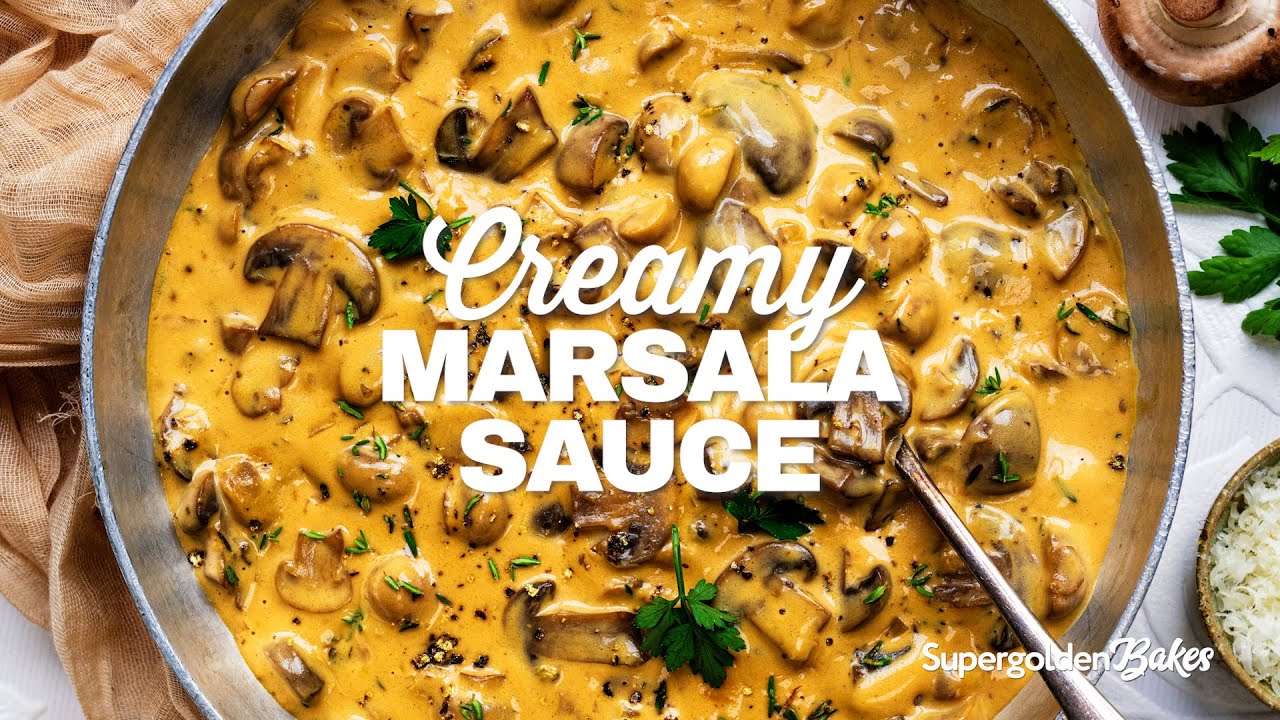
Marsala Sauce Recipe: Marsala sauce is a rich, creamy, and savory Italian-inspired sauce made using Marsala wine as the key ingredient. This luscious sauce originated in Sicily, where Marsala wine is produced. It’s known for its deeply complex flavor, a beautiful blend of sweet and savory with just the right amount of earthiness. Traditionally used in dishes like Chicken Marsala, this sauce has now become a kitchen staple, often served with beef, pork, or even vegetarian dishes like mushroom pasta.
The secret behind Marsala sauce’s signature flavor lies in the wine itself—Marsala is a fortified wine with a robust taste that intensifies beautifully when cooked. When paired with ingredients like garlic, onions, butter, cream, and mushrooms, it creates a heavenly sauce that turns simple proteins into restaurant-quality meals. Whether you’re a seasoned home cook or a beginner, mastering this sauce will elevate your cooking game in no time.
In Italian-American cuisine, Marsala sauce holds a prestigious spot. It’s not just a sauce; it’s an experience. The creamy texture, paired with its distinctive aroma and layered flavor profile, makes it perfect for cozy dinners, special occasions, or a casual night in when you want something a little fancy.
And let’s not forget the bonus: it’s super simple to make! Once you learn the process, you’ll find yourself whipping up Marsala sauce not just for classic dishes, but as a go-to for enhancing leftovers, grain bowls, and roasted vegetables.
Why This Sauce is a Must-Try
What makes Marsala sauce so irresistible? Well, apart from the fact that it tastes like it came straight out of a five-star restaurant, it’s also incredibly versatile and easy to customize. Whether you’re making it vegetarian or using it as a finishing touch for grilled steak, Marsala sauce adapts beautifully to a variety of dishes.
Here’s why you need this recipe in your repertoire:
- Unmatched Flavor: The umami-rich mushrooms, the buttery base, and the sweet depth from Marsala wine make every bite unforgettable.
- Quick and Easy: Most versions of the sauce come together in 30 minutes or less, perfect for busy weeknights.
- Customizable: Whether you’re dairy-free, gluten-free, or vegetarian, you can easily tweak this sauce to suit your dietary needs.
- Gourmet Appeal: It instantly transforms any dish into something you’d proudly serve at a dinner party.
- Comfort Food Vibes: It’s cozy, creamy, and soul-soothing—perfect for comfort meals any day of the week.
Ready to dive into the recipe? Let’s get our ingredients together.
Ingredients You’ll Need
Core Ingredients for Marsala Sauce
You don’t need an extensive pantry to make Marsala sauce. In fact, the beauty of this recipe lies in its simplicity. Here’s what you’ll need to create the base sauce:
- Butter (2 tablespoons) – for richness and a smooth texture.
- Olive oil (1 tablespoon) – helps with sautéing and adds a nice flavor contrast to the butter.
- Shallots or onions (1 small) – for a mild sweetness and foundational flavor.
- Garlic (2-3 cloves) – because what’s an Italian sauce without garlic?
- Cremini or button mushrooms (1 cup, sliced) – these soak up the wine and butter for that signature taste.
- All-purpose flour (1 tablespoon) – acts as a thickening agent.
- Marsala wine (½ cup) – the star ingredient, providing sweetness and depth.
- Chicken or vegetable broth (½ cup) – balances the richness.
- Heavy cream (⅓ cup) – gives the sauce its luscious, velvety texture.
- Salt and black pepper – to season the sauce perfectly.
- Fresh parsley (optional) – for garnish and a pop of color.
All of these ingredients are easily available in most grocery stores, and the best part is—you might already have most of them in your kitchen.
Optional Add-Ins for Extra Flavor
While the basic recipe is amazing, you can take your Marsala sauce up a notch with these optional ingredients:
- Parmesan cheese – adds a salty, umami finish.
- Thyme or rosemary – herbs that bring a woodsy aroma to the sauce.
- Crushed red pepper flakes – for a subtle kick of heat.
- Mustard (Dijon or grainy) – enhances the complexity of the sauce.
- Sour cream or Greek yogurt – if you’re looking for a tangier version of the sauce.
These additions are totally optional, but they can personalize the sauce to your liking and elevate the overall dish.
Substitutes and Alternatives
Don’t have Marsala wine or heavy cream on hand? No worries. Here are a few smart swaps:
- Marsala wine alternatives: Try sherry, Madeira, or even a dry white wine with a splash of brandy.
- Heavy cream alternatives: You can use half-and-half, full-fat coconut milk, or cashew cream for dairy-free versions.
- Mushroom substitutes: Portobello or shiitake mushrooms offer a deeper umami profile.
- Gluten-free option: Use cornstarch or gluten-free flour instead of regular flour.
Flexibility is the name of the game when it comes to this recipe. You can tailor it to fit your pantry, your taste buds, and your dietary needs.
Tools and Equipment
Kitchen Essentials to Prepare the Sauce
To make the perfect Marsala sauce, you don’t need fancy equipment. Just a few basic kitchen tools will get the job done:
- Large skillet or sauté pan – ideally non-stick or stainless steel.
- Wooden spoon or silicone spatula – for stirring the sauce without scratching your pan.
- Measuring cups and spoons – accuracy matters for balance.
- Chef’s knife – for finely chopping onions and mushrooms.
- Cutting board – to keep things clean and safe.
- Whisk – helpful for avoiding lumps when adding flour or cream.
Having the right tools makes the cooking process smoother and more enjoyable.
Tips for Smooth Cooking Experience
- Prep before you start: Chop all your veggies and measure ingredients in advance. Cooking will flow so much better.
- Control your heat: Marsala sauce is delicate; medium heat works best to prevent burning and ensure even cooking.
- Use quality Marsala wine: Not all Marsala wines are equal. Opt for a dry or semi-sweet variety that’s meant for cooking.
- Don’t rush the deglazing: Let the wine reduce properly. This step intensifies flavor and burns off the alcohol.
Take your time, enjoy the process, and your sauce will thank you for it.
Step-by-Step Guide to Making Marsala Sauce
Step 1: Preparing the Ingredients
Before you even turn on the stove, take a few minutes to prep everything. Trust me, it makes all the difference. Here’s your prep checklist:
- Chop your shallots/onions into fine pieces for an even cook.
- Mince your garlic so it releases all that good aroma.
- Clean and slice your mushrooms – don’t rinse them under water; instead, wipe them with a damp paper towel to avoid sogginess.
- Measure out all liquids – wine, broth, and cream should be ready to pour.
Think of this step as laying the foundation for flavor. The better you prep, the smoother the cooking process.
Step 2: Sautéing the Aromatics
This is where the magic begins. Start by heating a mix of butter and olive oil in your skillet over medium heat. Once the butter melts and starts to sizzle slightly, toss in the finely chopped onions or shallots. Let them cook for about 3-4 minutes until they become soft and translucent. Stir occasionally to prevent them from browning too quickly.
Next, add in the minced garlic. Be careful not to burn it—it only needs about 30 seconds to a minute to become fragrant. At this point, your kitchen will already be smelling incredible. Garlic and onions are like the dynamic duo of flavor, and they’re setting the stage for a fantastic sauce.
Now, throw in the sliced mushrooms. Don’t overcrowd the pan—give them space so they can caramelize instead of steam. Mushrooms will release moisture at first, but after a few minutes, that liquid will evaporate, and the edges of the mushrooms will begin to brown beautifully. This is exactly what you want for flavor development.
You’ll notice the bottom of the pan developing some brown bits—don’t panic! Those are called “fond,” and they’re pure flavor gold. We’ll lift them up in the next step.
Step 3: Deglazing with Marsala Wine
Here’s where the sauce really starts to take shape. With your aromatics and mushrooms perfectly cooked, it’s time to introduce the star of the show: Marsala wine.
Pour the Marsala wine into the pan slowly. You’ll hear a gentle sizzle, and the steam will start to rise. That’s the wine loosening all those caramelized bits stuck to the bottom of the pan. Use a wooden spoon or spatula to gently scrape up the fond. This step is called deglazing, and it’s what gives the sauce its incredible depth.
Let the wine simmer for 5-7 minutes. You want it to reduce by about half. This concentrates the flavor and burns off most of the alcohol. Be patient—rushing this step can leave your sauce tasting a bit too boozy. The key is letting the wine mellow out and become rich and syrupy.
The result? A glossy, golden base packed with aroma and flavor. At this stage, you’ll already be tempted to dip a spoon and take a taste. (And hey, who’s stopping you?)
Step 4: Simmering and Thickening
With the wine reduced, it’s time to build the body of the sauce. Start by sprinkling in the flour. This is your thickening agent. Stir it in quickly and evenly to avoid lumps—it’ll look a bit pasty at first, but hang in there.
Now, slowly pour in the chicken or vegetable broth while stirring continuously. This step smooths out the flour and starts turning everything into a cohesive sauce. The broth adds savory depth and balances the sweetness of the wine.
Next, pour in the heavy cream. Stir gently to combine everything into one silky, luxurious sauce. The cream rounds out the flavors and adds that dreamy, restaurant-style texture.
Let the sauce simmer for another 5-10 minutes, stirring occasionally. It will thicken as it cooks. If it becomes too thick, just add a splash more broth or water. If it’s too thin, let it simmer a bit longer or stir in a bit more flour mixed with broth.
You’re now seeing your Marsala sauce in its full glory—rich, creamy, and beautifully golden-brown. Don’t forget to taste and adjust salt and pepper as needed.
Step 5: Final Seasoning and Taste Test
The last step is often the most overlooked, but it’s just as important: finishing and balancing the flavor.
After your sauce has thickened, give it a taste. Ask yourself:
- Does it need a pinch more salt?
- Would a dash of black pepper elevate the flavor?
- Is there enough acidity from the wine?
This is also the time to add any final touches like chopped fresh parsley, grated Parmesan, or a small knob of butter for an extra-glossy finish.
Some people like to add a squeeze of lemon juice to brighten things up, or a sprinkle of fresh thyme for an herbal edge. A pinch of crushed red pepper can give it a subtle heat if you enjoy a little kick.
Once it’s just right, turn off the heat and let the sauce rest for a minute before serving. This helps the flavors settle and intensify even more.
Now that your Marsala sauce is ready, it’s time to serve it up and impress whoever’s lucky enough to be at your dinner table.
Best Dishes to Serve with Marsala Sauce
Classic Pairings
Marsala sauce is so versatile, it feels right at home with a variety of dishes. But some pairings are just iconic. Here are the classic ones that you absolutely need to try:
- Chicken Marsala: This is the quintessential dish that made the sauce famous. Pan-fried chicken cutlets smothered in Marsala sauce is comfort food at its best.
- Veal Marsala: Tender veal scallopini with a delicate touch of Marsala sauce—it’s old-school Italian elegance.
- Pork Chops: Juicy, seared pork chops love this sauce. The sweet-savory profile of Marsala balances pork’s richness.
- Steak or Beef Tips: Marsala adds a layer of gourmet flavor to grilled steak or sautéed beef tips. Serve with mashed potatoes and you’re golden.
- Mushroom Risotto: For a vegetarian option, Marsala sauce poured over a creamy mushroom risotto is pure magic.
Each of these pairings highlights the sauce’s ability to blend with proteins while standing out as the hero of the dish.
Creative Ways to Use Marsala Sauce
Don’t stop at the classics. Marsala sauce is surprisingly adaptable. Here are some fun and creative ideas:
- Marsala Pasta Bake: Mix the sauce with penne, chicken, and mozzarella, then bake until bubbly.
- Grain Bowls: Pour Marsala sauce over a bowl of quinoa or farro with roasted veggies and grilled tofu.
- Marsala Pizza: Use it as a white pizza sauce with mushrooms, caramelized onions, and a sprinkle of goat cheese.
- Dipping Sauce: Serve as a rich dip for crusty bread or garlic knots.
- Stuffed Peppers or Zucchini Boats: Spoon Marsala sauce over veggie-stuffed baked peppers or zucchini for a gourmet twist.
There’s no limit to what you can do with this sauce. It’s all about experimenting and finding new ways to enjoy it.
Expert Cooking Tips
Achieving the Perfect Consistency
Let’s talk texture—because no one wants a sauce that’s too watery or overly thick. The perfect Marsala sauce should coat the back of a spoon without running off, yet still have a silky, pourable consistency.
Here’s how to nail that texture every time:
- Use a roux or flour slurry: A tablespoon of flour mixed with a bit of broth before adding to the pan creates a stable base for thickening.
- Control your simmer: Let the sauce simmer gently. Too high a heat will reduce it too fast and possibly curdle the cream.
- Add cream at the right time: Don’t rush this. Wait until the wine has reduced before adding dairy. This prevents curdling and helps you build a creamy body.
- Finish with butter: A final pat of cold butter adds shine and smooths out the consistency like a professional chef’s touch.
Don’t stress too much—if your sauce ends up too thick, just stir in more broth or a splash of cream. Too thin? Let it simmer longer, or mix in a tiny bit more flour (dissolved in broth first).
Keep tasting and adjusting. Cooking is part science, part art. The more you make it, the better you’ll know when it’s “just right.”
Enhancing Flavor with Herbs and Spices
The base Marsala sauce is already full of flavor, but if you’re aiming for a top-tier culinary experience, the right herbs and spices will take it up several notches.
- Fresh thyme or rosemary: These herbs add earthy, woodsy undertones that complement the mushrooms and wine.
- Parsley: Not just for garnish—it brings a clean, bright contrast to the sauce’s richness.
- Sage: Especially good when serving the sauce with pork or veal.
- Nutmeg: A tiny pinch adds warmth and complexity, particularly if you’re using cream.
- Black pepper or white pepper: Enhances the savoriness. White pepper gives a gentler heat and blends well with creamy sauces.
- Garlic powder or onion powder: Great in a pinch if you don’t have fresh ingredients.
The idea here isn’t to overwhelm the sauce, but to layer in subtle flavors that amplify its depth. Start small—you can always add more, but you can’t take it out.
Pro tip: let your sauce rest for 2-3 minutes before serving. This gives the flavors time to settle and mingle.
Common Mistakes to Avoid
Overcooking the Sauce
One of the easiest mistakes to make when cooking Marsala sauce is overcooking it. Marsala wine, when reduced too much, can become bitter or overly concentrated. Likewise, dairy like cream can break or curdle if boiled too long.
Avoid this by:
- Using medium heat: Keep it steady and low enough to prevent rapid boiling.
- Simmering, not boiling: A gentle simmer is all you need to thicken and meld the flavors.
- Timing the cream addition: Always add cream after the wine has reduced. Stir it in gently and let it warm slowly.
- Watching the thickness: If your sauce starts sticking too much or clumping, you’ve gone too far. Add a splash of broth to loosen it.
Cooking is like a dance—it’s all about rhythm and timing. Pay attention to the signs and you’ll get a flawless sauce every time.
Using the Wrong Type of Marsala Wine
Marsala wine comes in a few varieties, and not all of them are ideal for cooking. The two main types you’ll see are:
- Dry Marsala – Best for savory dishes like Marsala sauce. It has a nutty, deep flavor that balances perfectly with cream and mushrooms.
- Sweet Marsala – Better for desserts or sweeter applications. It can make your sauce taste off if used in a savory recipe.
When shopping, look for dry Marsala wine labeled for cooking. Avoid Marsala “cooking wine” that contains added salt and preservatives—it’s not the real deal.
If you can’t find Marsala wine, a decent substitute is a mix of dry sherry and a splash of brandy. But truly, authentic Marsala wine is worth seeking out. It lasts long and can be used in multiple recipes.
Storing and Reheating Marsala Sauce
Best Storage Practices
Have leftover Marsala sauce? Good news—it stores beautifully and may even taste better the next day. Here’s how to store it:
- Let it cool completely before transferring to an airtight container.
- Store in the refrigerator for up to 4–5 days.
- For longer storage, freeze in portions using silicone molds or freezer-safe bags. It will keep for up to 3 months.
When storing, keep the sauce separate from any proteins (like chicken or pork). This gives you flexibility to reuse it however you like.
Tip: Label your containers with the date so you don’t forget how long it’s been sitting.
How to Reheat Without Losing Flavor
Reheating sauces can be tricky, especially when cream is involved. Here’s how to reheat Marsala sauce so it tastes just as amazing as it did fresh:
- Use a saucepan over low heat: Gently warm the sauce, stirring regularly.
- Add a splash of broth or water: This helps revive the creamy texture without making it too thick or greasy.
- Avoid the microwave: While tempting, it can separate the sauce or overheat it unevenly.
- Whisk if needed: If the sauce looks a bit separated, a quick whisk will usually bring it back to life.
Once hot, pour it over your dish, garnish with fresh herbs, and enjoy round two of flavor heaven.
Nutritional Information
Calories and Macronutrient Breakdown
Let’s break down what you’re actually eating when you enjoy a generous spoonful of Marsala sauce. While it’s rich and creamy, it can still be a sensible indulgence when portioned correctly.
Here’s an approximate breakdown for 1/4 cup (about 60ml) of Marsala sauce:
| Nutrient | Amount |
|---|---|
| Calories | 120–150 kcal |
| Fat | 10–12g |
| Saturated Fat | 6–8g |
| Carbohydrates | 5–7g |
| Sugar | 2–3g |
| Protein | 1–2g |
| Sodium | 200–300mg |
Note: This can vary depending on ingredients used (e.g., type of wine, broth, cream, etc.)
The bulk of calories comes from the butter, cream, and olive oil—making it a higher-fat sauce. However, most people use it as a topping or flavor accent, not a main dish, so the portion sizes are manageable.
Dietary Modifications
If you’re trying to lighten things up or adjust to specific dietary needs, here are some swaps and suggestions:
- Dairy-Free Version: Use full-fat coconut milk or cashew cream instead of heavy cream. Replace butter with olive oil or vegan butter.
- Gluten-Free Option: Substitute all-purpose flour with cornstarch, arrowroot, or a gluten-free flour blend.
- Low-Fat Version: Use half-and-half instead of cream and reduce the butter amount. You can also omit cheese if using.
- Low-Sodium: Use low-sodium broth and unsalted butter, and season to taste at the end.
- Vegetarian: Just use vegetable broth instead of chicken broth.
Marsala sauce is surprisingly flexible and can be made to suit nearly every diet while still maintaining its signature richness and depth.
FAQs about Marsala Sauce Recipe
1. Can I use non-alcoholic wine for Marsala sauce?
Yes, you can! Substitute with a mix of grape juice (preferably white), a splash of vinegar, and a touch of vanilla extract for flavor depth. It won’t taste exactly the same but can still yield a delicious result.
2. How long does Marsala Sauce last in the fridge?
Marsala sauce will last 4 to 5 days in the fridge when stored in an airtight container. Make sure it cools completely before refrigerating, and reheat gently on the stovetop.
3. Can I freeze Marsala Sauce?
Absolutely. Let the sauce cool completely, then portion it into freezer-safe containers or silicone trays. It will stay good for up to 3 months. Thaw in the fridge overnight and reheat slowly.
4. What’s the best Marsala wine to use?
Dry Marsala wine is the best option for savory dishes like this one. Avoid sweet varieties unless you’re using the sauce for a dessert. Also steer clear of cooking wines with added salt or preservatives.
5. Is Marsala Sauce gluten-free?
Not by default, as it typically includes flour. But you can make it gluten-free by swapping the flour for cornstarch or a gluten-free thickening agent. Just ensure any broth or wine used is also gluten-free.
Conclusion
What makes it even better is how simple it is to prepare. Whether you’re dressing up a weeknight chicken breast, dazzling dinner guests with veal Marsala, or experimenting with a vegetarian mushroom risotto, this sauce has you covered.
Once you master this recipe, you’ll always have a secret weapon up your culinary sleeve. It’s the kind of sauce that leaves people asking, “What’s in this?”—and you can just smile and say, “It’s a little something called Marsala.”
So grab that bottle of Marsala wine, fire up your skillet, and treat yourself to a meal that’s as delicious as it is memorable.