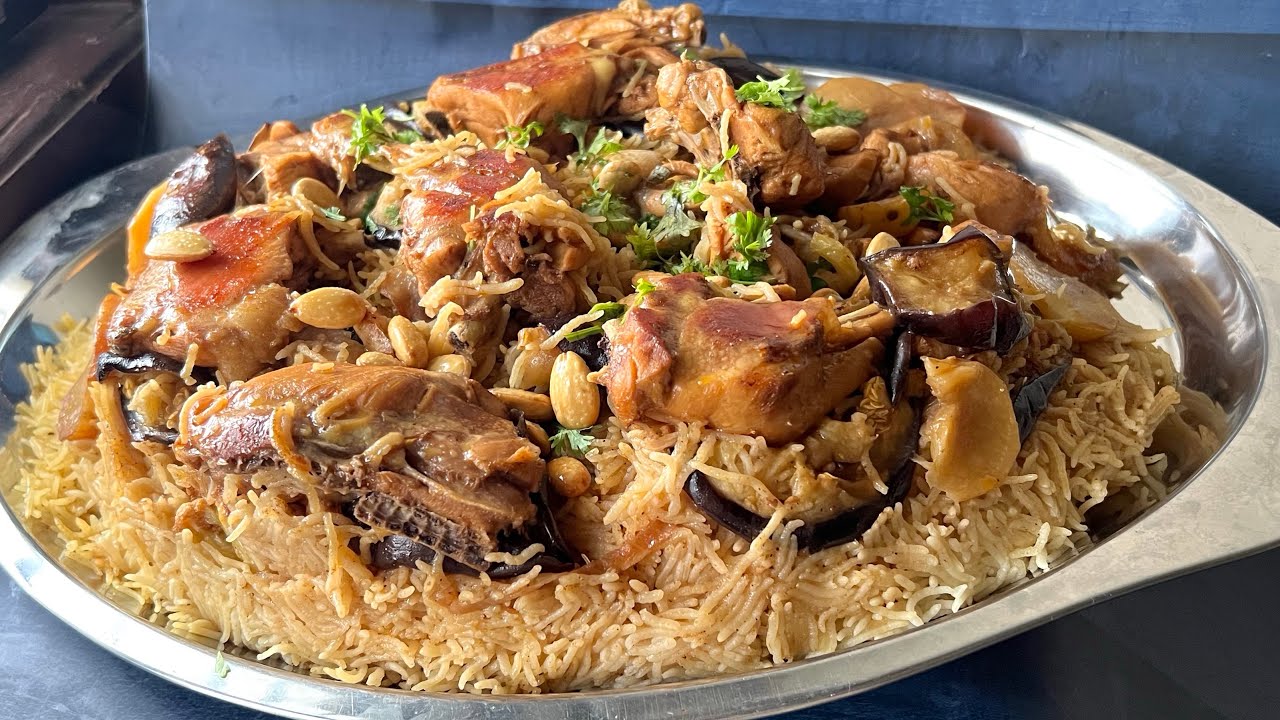
Maqluba Recipe: Maqluba, which literally means “upside down” in Arabic, is one of those soulful, home-cooked meals that makes you close your eyes with the first bite. It’s layered, rich, colorful, and deeply comforting.
Every family has their own version, and today, you’re about to learn a detailed, step-by-step method to make this masterpiece at home.
Whether you’re feeding a crowd or just want something special for dinner, Maqluba will leave everyone impressed.
What is Maqluba?
Imagine a pot layered with golden-fried vegetables, seasoned meat, fragrant rice, and warm spices. Then picture flipping that pot upside down onto a plate to reveal a stunning, layered tower of deliciousness. That, in essence, is Maqluba. This iconic dish hails from the Levant — with popularity in Palestine, Jordan, Syria, and Lebanon — and is typically made for big family gatherings or special occasions.
The beauty of Maqluba lies in its simplicity and versatility. It’s not just food, it’s a ceremony. The grand “flip” at the end makes it feel like a performance. But don’t worry — it’s way easier than it looks. With a little preparation, anyone can make Maqluba from scratch.
The Origins and Cultural Significance of Maqluba
Maqluba has been around for centuries, dating back to the 13th century according to historical Arabic texts. The dish evolved with regional variations, but its core identity remains the same: layers of vegetables, meat, and rice cooked together in one pot. It’s especially beloved in Palestinian households, often served on Fridays or during Ramadan feasts.
More than just a meal, Maqluba is a symbol of hospitality, unity, and tradition. It brings families together around the table, often encouraging storytelling and laughter. The moment of flipping the pot is symbolic — revealing something beautiful that was hidden, much like the stories behind each recipe.
Why You’ll Love This Recipe
- One-Pot Wonder – Everything is made in one pot, which means less mess.
- Fully Customizable – Use your favorite protein and vegetables.
- Show-Stopping Presentation – The upside-down reveal is always impressive.
- Meal Prep Friendly – Tastes even better the next day.
- Rich in Flavor – The layers allow every bite to have different textures and tastes.
List of Ingredients You’ll Need
Let’s talk ingredients. You don’t need anything fancy, but quality is key. Here’s what you’ll need for a classic chicken and eggplant Maqluba.
Protein Options
You can use:
- 1 whole chicken (cut into 4-6 pieces) or 1 kg chicken thighs/drumsticks
- OR 750g – 1kg lamb shoulder (bone-in preferred for more flavor)
- Salt and pepper to season
Vegetables
Traditional vegetables include:
- 2 large eggplants (sliced ½-inch thick)
- 2 large potatoes (sliced)
- 1 large cauliflower head (cut into florets)
- 1 large carrot (sliced into rounds)
- 1 large tomato (sliced)
Spices & Aromatics
Middle Eastern spices bring this dish to life:
- 2 tsp allspice
- 1 tsp turmeric
- 1 tsp cinnamon
- 1 tsp cumin
- 1 tsp black pepper
- 1 tsp paprika
- 2 bay leaves
- 1 onion (quartered)
- 3-5 cloves garlic (smashed)
- Salt (to taste)
Rice and Broth
- 2 cups long-grain rice (like basmati), washed and soaked for 30 minutes
- 4 cups chicken broth or water
- Optional: ½ cup toasted nuts (almonds or pine nuts) for garnish
- Optional: Fresh parsley for garnish
Tools & Equipment Required
Make sure you have the following on hand:
- A deep, wide non-stick pot (5 to 6-quart at least)
- Slotted spoon
- Large serving platter (larger than the pot’s circumference)
- Frying pan for vegetables
- Sharp knife and cutting board
Preparation Tips Before You Start Cooking
Before we get into the steps, some preparation tips can make or break your Maqluba:
- Soak the Rice – This helps remove excess starch, keeping the rice fluffy.
- Salt the Eggplant – Lay eggplant slices on a paper towel, salt them, and let sit for 20 minutes to draw out moisture and bitterness.
- Use Bone-In Meat – For richer flavor and moisture.
- Don’t Overcrowd – When frying vegetables, do it in batches.
- Pre-plan the Layering – Think about your layers so the final “flip” reveals a pretty design.
Step-by-Step Maqluba Recipe Guide
Now that everything is prepped, let’s break down the entire process step by step so you get perfect results every single time. Don’t rush—Maqluba is about layering flavor and love.
Step 1: Wash and Soak the Rice
Begin by rinsing the rice several times until the water runs clear. This removes excess starch and helps prevent sogginess. Soak the rice in warm water for about 20–30 minutes, then drain well. Properly soaked rice ensures that every grain cooks evenly when layered in the pot.
Step 2: Prepare and Cook the Meat
Season your choice of chicken or lamb with salt, pepper, cinnamon, and allspice. Brown the meat in a pot to develop flavor, then cover with water and simmer until fully cooked and tender. This creates a flavorful broth that will later be used to cook the rice and bring the entire dish together.
Step 3: Slice and Fry the Vegetables
Slice eggplants, potatoes, and cauliflower into uniform pieces. Lightly salt the vegetables, then fry them until golden. These vegetables form the colorful base of the Maqluba and give the dish its signature layers and aromas.
Step 4: Layering the Pot – The Maqluba Technique
In a large heavy pot, start by placing tomatoes or potatoes at the bottom to create a visually appealing top once flipped. Add the fried vegetables in layers, followed by the cooked meat. Finally, spread the soaked rice evenly over everything without pressing down.
Step 5: Add Rice and Broth – Time to Cook
Pour the hot broth gently over the rice until it’s just covered. Add more seasoning if needed. Bring the pot to a soft boil.
Step 6: Simmer and Let it Cook Gently
Reduce heat to low, cover tightly, and let it simmer for 30–40 minutes. Avoid opening the lid to ensure proper steaming.
Step 7: The Flip – How to Invert Maqluba Perfectly
Let the pot rest for 10 minutes. Place a large platter over the pot, take a steady grip, and flip it quickly but carefully. Lift the pot straight up to reveal the beautiful Maqluba tower. Serve hot with yogurt or salad.
How to Serve Maqluba
Traditionally, Maqluba is served family-style on a large platter in the center of the table. Sprinkle with toasted pine nuts or slivered almonds and chopped fresh parsley for a fancy touch.
Serve it with:
- Cool cucumber yogurt salad (laban or tzatziki)
- Arabic salad with lemon and olive oil
- Pickled vegetables or olives
- Flatbread on the side
The mix of hot, hearty rice and cool yogurt is a heavenly combo.
Best Side Dishes to Serve with Maqluba
Here are a few sides that complement Maqluba beautifully:
- Fattoush Salad – Crunchy, fresh, and full of zingy sumac.
- Tahini Sauce – A drizzle over your plate adds creamy nuttiness.
- Hummus & Pita – Because you can never go wrong with the classics.
- Mint Yogurt Sauce – Great for cutting through the richness.
- Lemon Pickles or Turnip Pickles – For a tangy contrast.
Storage Tips – How to Store and Reheat Leftovers
One of the best things about Maqluba? It tastes just as good the next day—maybe even better. The flavors continue to blend and intensify overnight, making leftovers something to actually look forward to.
Here’s how to store it properly:
- Refrigeration: Transfer leftovers into an airtight container. It’ll last up to 4 days in the fridge.
- Freezing: Yes, you can freeze Maqluba! Place cooled portions in freezer-safe containers or heavy-duty freezer bags. It keeps well for up to 2 months. Thaw overnight in the fridge before reheating.
Reheating Tips:
- Microwave: For individual servings, a couple of minutes in the microwave does the trick. Add a splash of water to keep it moist.
- Stovetop: Reheat in a covered skillet with a bit of water or broth on low heat, stirring occasionally.
- Oven: Place Maqluba in a baking dish, cover with foil, and warm at 350°F (175°C) for 20–25 minutes.
Pro tip: Sprinkle some extra toasted nuts and fresh parsley on top to refresh the flavor before serving again.
Recipe Variations – Mix it Up!
Once you’ve mastered the classic version, the fun part begins—customizing your Maqluba! There are endless ways to tailor it to your mood, ingredients, or dietary needs.
Alternative Proteins:
- Beef Shanks or Stew Meat – Adds a rich, hearty flavor.
- Minced Meat (Lamb or Beef) – Cooked and seasoned before layering.
- Fish Maqluba – Popular in coastal Palestinian towns. Use firm fish like cod or sea bass.
Vegetable Swaps:
- Zucchini – Great alternative or addition to eggplant.
- Sweet Potato – Adds a slight sweetness and creamy texture.
- Peas, Green Beans, or Bell Peppers – For more color and texture.
Grain Substitutes:
- Brown Rice – More fiber, but adjust the liquid and cooking time.
- Quinoa or Bulgur – For a healthier twist.
- Couscous – Not traditional but makes a quick version.
Once you know the basics, you can get creative and make Maqluba your own signature dish.
Vegetarian/Vegan Maqluba Option
No meat? No problem. Vegetarian Maqluba is just as delicious—and often lighter too.
How to Make It:
- Skip the meat and double up on vegetables.
- For extra richness, add chickpeas or cooked lentils between the vegetable and rice layers.
- Use vegetable broth instead of meat broth.
- Add mushrooms or tofu for a meaty texture, if desired.
This version is just as beautiful and satisfying. Serve with a generous dollop of garlicky yogurt or tahini sauce.
Common Mistakes to Avoid
Maqluba is simple, but there are a few pitfalls that can affect the final outcome. Avoid these and you’re golden:
- Not soaking the rice – Leads to gummy, unevenly cooked grains.
- Using too much liquid – Your rice will become mushy.
- Lifting the lid while cooking – This releases crucial steam. Resist the urge!
- Flipping too early – Let it rest so it sets properly.
- Overfrying the veggies – They should be golden, not burnt.
Always remember: patience + prep = perfection.
Health Benefits of Homemade Maqluba
While Maqluba is often seen as an indulgent comfort dish, it actually packs a nutritious punch—especially when made at home with quality ingredients.
Nutritional Highlights:
- Protein – From chicken, lamb, or legumes, supports muscle repair.
- Vitamins & Minerals – Thanks to all those colorful vegetables.
- Fiber – A generous helping from eggplant, cauliflower, and rice.
- Healthy Fats – Especially if you opt for air-frying or roasting instead of deep frying.
You control the salt, fat, and oil—making it healthier than restaurant versions. Plus, home-cooked meals reduce the temptation of fast food or processed alternatives.
FAQs about Maqluba Recipe
1. Can I make Maqluba ahead of time?
Absolutely! You can prep all the ingredients the day before—fry the veggies, cook the meat, soak the rice—then assemble and cook it fresh when ready to serve.
2. What should I do if my Maqluba falls apart when I flip it?
Don’t worry—it happens to the best of us. Even if it collapses, it still tastes incredible. Next time, try letting it rest longer before flipping, and make sure the pot is well-packed.
3. Can I use store-bought broth instead of homemade?
Yes, high-quality store-bought chicken or vegetable broth works great. Just be sure to taste and adjust the salt accordingly.
4. How do I make Maqluba spicy?
Add chili flakes, cayenne, or a diced green chili to the spice mix or layer with the vegetables for extra heat.
5. Is Maqluba gluten-free?
Yes! Traditional Maqluba uses rice, which is naturally gluten-free. Just double-check that your broth and spice mixes don’t contain hidden gluten.
Conclusion
Maqluba is more than a recipe. It’s a memory. A tradition. A comfort blanket in food form. Whether you’re making it for the first time or it’s a staple in your home, every pot tells a story.
From the careful layering to the dramatic reveal, Maqluba brings people together—around the stove, the table, and shared love for hearty, flavorful meals.
So go ahead—gather your ingredients, roll up your sleeves, and prepare to impress with one of the most beloved dishes in Middle Eastern cuisine.