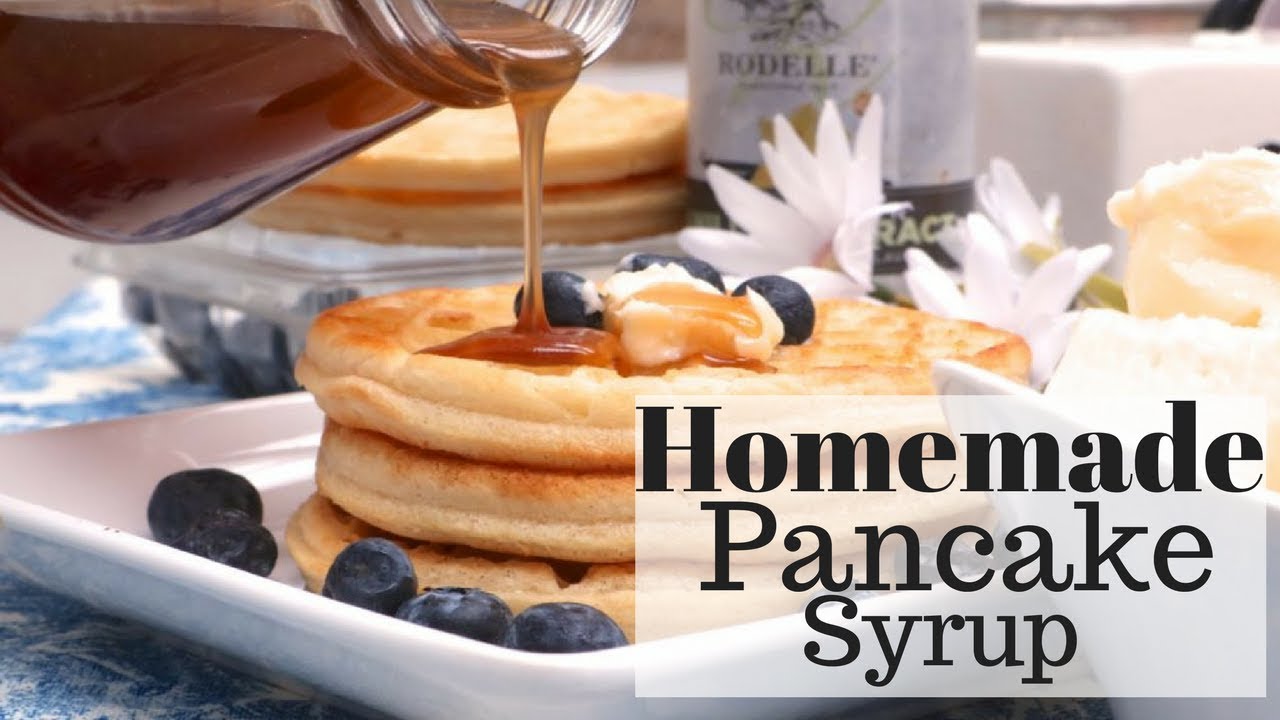
Maple Syrup Recipe: Is there anything more comforting than a warm stack of pancakes drizzled with golden, sweet maple syrup? Probably not. Now, imagine that syrup is made by you, fresh from your own backyard trees. Sounds like a dream? Not really.
Making maple syrup at home is easier than you think—and incredibly rewarding. Whether you’re a curious beginner or someone who’s always wanted to tap into the natural goodness of trees, this guide will walk you through each step. We’re not just giving you a quick how-to—we’re going deep into the process with everything you need to know.
From understanding the trees to boiling down that liquid gold, you’ll have the tools, the knowledge, and the confidence to create your own maple syrup from scratch.
Ready to sweeten your mornings with homemade magic? Let’s dive in.
What is Maple Syrup?
Maple syrup is a natural sweetener made from the sap of maple trees—especially the sugar maple. The process involves collecting sap in the early spring, when the temperature cycles between freezing nights and warmer days. Sap itself is mostly water with a small percentage of sugar, and it takes about 40 gallons of sap to make just 1 gallon of syrup.
There are also different grades of maple syrup, categorized mainly by color and flavor intensity:
- Grade A Golden Color – Delicate taste, early-season sap
- Grade A Amber Color – Rich flavor, most popular for table use
- Grade A Dark Color – Robust flavor, great for cooking
- Grade A Very Dark – Strong taste, often used in commercial food production
Each grade serves its own purpose. For most home cooks, amber and dark are the go-tos for flavor and versatility. But when you make your own, you get to enjoy syrup that’s fresher than anything in stores.
Benefits of Homemade Maple Syrup
Why go through the effort of making it yourself when you can buy it from a store? The reasons might surprise you:
- All-Natural Goodness: No preservatives, artificial colors, or additives—just pure tree sap.
- Healthier Option: Maple syrup contains antioxidants and essential minerals like zinc and manganese.
- Cost Savings: If you have access to maple trees, the raw material (sap) is free. The investment is in equipment and time.
- Sustainable Living: Making your own syrup is a small step toward self-sufficiency.
- Incredible Taste: Fresh maple syrup has a richer, deeper flavor than store-bought versions.
So if you like knowing where your food comes from and enjoy DIY projects, this one checks all the boxes.
When is Maple Syrup Season?
Timing is everything. The magic happens in late winter to early spring—typically February through April, depending on your location. The best sap flow occurs when:
- Daytime temperatures are above freezing (32°F / 0°C)
- Nighttime temperatures fall below freezing
This temperature fluctuation causes pressure changes in the tree that push the sap out. The season only lasts 4 to 6 weeks, so it’s a narrow window. Be ready to act fast when the time comes!
Types of Maple Trees You Can Tap
You don’t need a forest to start tapping. Just one mature maple tree can produce several gallons of sap in a season. Here are the best candidates:
Sugar Maple (Acer saccharum)
- The gold standard
- Highest sugar content (2–5%)
- Produces light, sweet syrup
Red Maple (Acer rubrum)
- Easier to find in many areas
- Slightly less sugar content (1.5–2%)
- Taps earlier in the season
Silver Maple (Acer saccharinum)
- Common in urban areas
- Sugar content around 1.5%
- Tends to bud earlier, which can affect flavor
Boxelder (Acer negundo)
- A surprise member of the maple family
- Lower sugar content (~1%)
- Still perfectly usable for syrup!
No matter which tree you choose, make sure it’s healthy and at least 10–12 inches in diameter before tapping.
List of Ingredients You’ll Need
Let’s be clear: You’re not actually adding ingredients to the syrup. You’re transforming sap into syrup. But you’ll need some basic items to get started:
- Fresh Maple Sap – Collected straight from the tree
- Optional:
- A touch of vanilla extract for enhanced flavor
- A pinch of salt to balance sweetness
- A small amount of butter (some old-fashioned recipes use this for texture)
The star of the show is the sap, but these optional additions can personalize your final syrup if you’re feeling creative.
Tools and Equipment You’ll Need
Making maple syrup isn’t just about collecting sap—it’s about processing it. Here’s a complete list of tools you’ll need:
For Tapping
- Drill with a 7/16” or 5/16” bit
- Spiles (taps)
- Hammer
- Collection buckets or food-grade tubing and containers
- Tree identification guide (if needed)
For Boiling
- Large outdoor evaporator pan or wide-bottomed pot
- Heat source: wood fire, propane burner, or stove
- Candy thermometer or digital thermometer
For Finishing & Storing
- Filter cloth or syrup filter
- Canning jars or glass bottles with lids
- Funnel
- Labels and markers for dating jars
Optional: Hydrometer and test cup to check the exact sugar content of your final syrup
Step-by-Step Cooking Instructions for Maple Syrup
Step 1: Identify and Tap the Maple Tree
Choose a healthy sugar maple that is at least 10–12 inches in diameter. Drill a hole about 2 inches deep at a slight upward angle. Insert the spile firmly and hang a clean bucket or collection bag beneath it. Sap flows best on days above freezing and nights below freezing.
Step 2: Collecting the Sap
Check your buckets daily. Sap can run for several weeks depending on weather conditions. It takes roughly 40 gallons of sap to make 1 gallon of maple syrup, so be patient and collect consistently.
Step 3: Filtering the Sap
Before boiling, strain the sap through food-safe filters or cheesecloth to remove bark, insects, and natural debris.
Step 4: Boiling the Sap
Boil the sap outdoors when possible—evaporation produces a lot of steam. Continue boiling until the liquid darkens and reduces significantly. Transfer to a smaller pot as it thickens.
Step 5: Finishing the Syrup
Heat the final batch to 219°F (104°C) to achieve proper syrup consistency. Filter again to remove sugar sand.
Step 6: Bottling and Storing
Sterilize glass bottles or jars. Pour the hot syrup in, seal tightly, and store in a cool, dark place. Refrigerate after opening.
Troubleshooting Common Problems
Making maple syrup is a natural process—and sometimes, nature throws us a curveball. Here’s how to handle common issues:
1. Cloudy Syrup
- Usually due to sugar sand.
- Try re-filtering and reheating gently.
2. Syrup Crystallizes
- Stored at too high a sugar concentration.
- Dilute slightly with hot water and re-boil to 219°F.
3. Burnt Flavor
- Caused by overheating or scorching during boiling.
- Use lower, consistent heat next time and watch closely toward the end.
4. Mold in Jar
- Most mold is harmless but discard if unsure.
- Always sterilize jars and store in the fridge once opened.
Don’t get discouraged—every syrup maker has had a batch go sideways. It’s part of the learning process!
Creative Ways to Use Homemade Maple Syrup
Beyond pancakes and waffles (which, let’s be honest, are amazing), there are tons of fun ways to use your maple syrup:
In the Kitchen:
- Glazes for meats like salmon, ham, or chicken
- Salad dressings—combine with mustard, oil, and vinegar
- Baking—use in muffins, bread, and cookies
- Sweet potatoes or carrots—drizzle before roasting
In Drinks:
- Stir into coffee or tea
- Mix into cocktails like an Old Fashioned
- Blend into smoothies
For Snacks:
- Drizzle over popcorn, yogurt, or oatmeal
- Add to granola for a natural sweetness
Pro tip: Maple syrup even makes a great gift—bottle it with a custom label for holidays or special occasions.
FAQs about Maple Syrup Recipe
1. Can I tap a maple tree in my backyard?
Absolutely! As long as it’s at least 10–12 inches in diameter and healthy, it’s a great candidate.
2. How many times can I tap one tree in a season?
Generally, one tap per tree is best for trees under 18 inches. Larger trees can handle two taps.
3. What happens if I boil the sap too long?
It can over-concentrate and turn into maple sugar or develop a burnt taste. Keep an eye on your thermometer.
4. How do I know if sap has gone bad?
Spoiled sap will have a sour or off smell. Always store it cold and boil within 2–3 days of collection.
5. Can I sell my homemade syrup?
Yes, but local regulations apply. You’ll need to check with your state or local health department about licensing and labeling.
Conclusion
So there you have it—your complete, step-by-step guide to making maple syrup at home. It’s not just about boiling sap; it’s about connecting with nature, honoring a centuries-old tradition, and enjoying a seriously sweet reward for your efforts. Whether you tap one tree or twenty, you’ll feel a sense of pride every time you pour that amber goodness onto your plate. And trust us—once you taste your own maple syrup, you’ll never look at store-bought the same way again.
So what are you waiting for? Tap into the trees and get boiling. Your homemade syrup adventure starts now!