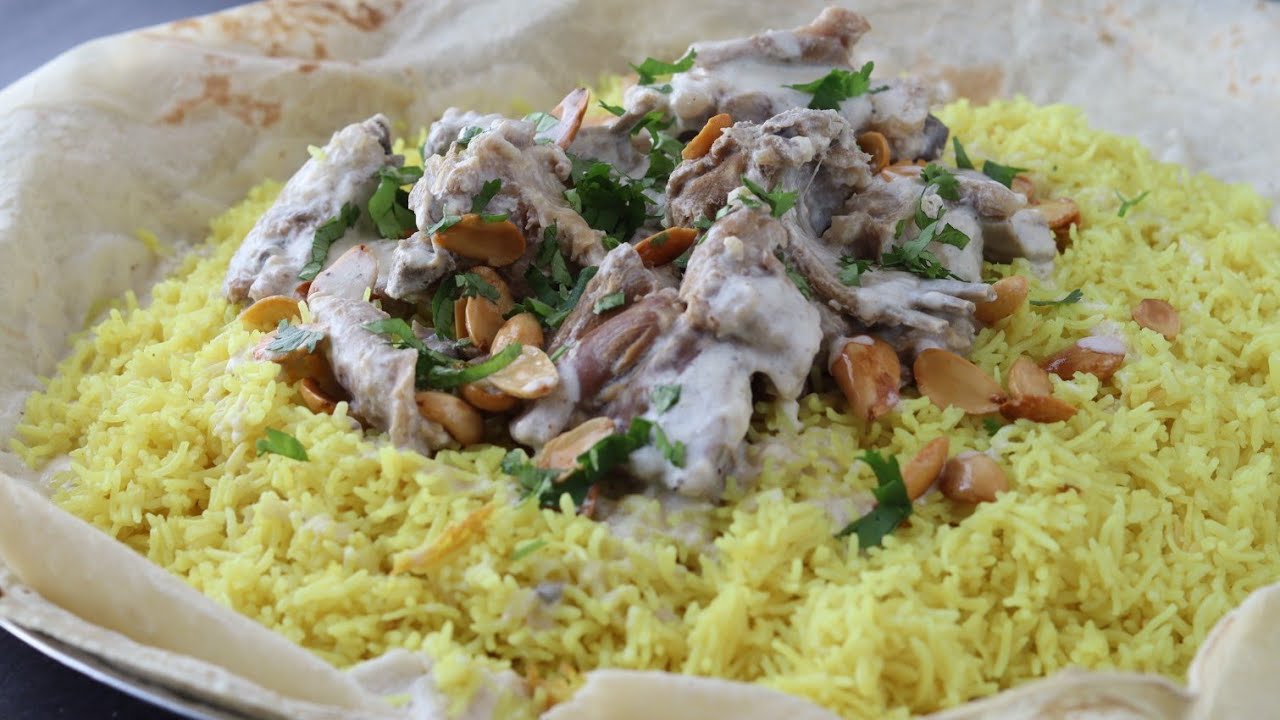
Mansaf Recipe: Let’s talk about a dish that’s more than just food—it’s a tradition, a celebration, and a piece of cultural identity. We’re diving into Mansaf, the iconic Jordanian dish that brings families and communities together. If you’ve ever been to a Jordanian wedding or celebration, you’ve probably seen a massive silver platter loaded with golden rice, tender lamb, roasted nuts, and a rich white sauce poured generously over everything. That’s Mansaf.
This step-by-step guide will walk you through everything you need to make authentic Mansaf at home, even if you’re halfway across the world. We’ll cover the ingredients, special techniques, and cultural nuances that make this dish so unforgettable.
So, are you ready to bring a taste of Jordan to your table? Let’s get started.
What is Mansaf?
Mansaf isn’t your typical rice-and-meat dish. This is Jordan’s national dish, deeply rooted in Bedouin traditions. The word “Mansaf” comes from the Arabic word for “large tray” or “explosion”—and when you see this dish served, you’ll understand why.
It’s traditionally made with lamb cooked in a fermented dried yogurt sauce called Jameed, served over a bed of rice and thin flatbread, and topped with toasted nuts and herbs. The dish is often eaten communally from a single large platter using the right hand, symbolizing unity and hospitality.
What makes Mansaf special is not just how it tastes (spoiler: it’s delicious), but what it represents—generosity, pride, and celebration.
The Importance of Mansaf in Jordanian Culture
Mansaf is not just food—it’s an experience. It’s served during weddings, Eid, graduations, funerals, and even tribal reconciliations. In Bedouin culture, offering Mansaf to a guest is one of the highest forms of hospitality. Refusing to eat it? That’s considered rude.
Serving and eating Mansaf follows specific traditions:
- It’s usually eaten standing around a large platter.
- Everyone eats from their own area with their right hand only—no forks or spoons allowed.
- The eldest or the host usually initiates the meal.
The entire process of making and serving Mansaf showcases the values of respect, unity, and honor.
Ingredients You’ll Need
Here’s a detailed look at everything you’ll need to make an authentic Mansaf dish:
Main Ingredients
- Lamb (bone-in pieces) – 2.5 to 3 lbs
- Rice (long-grain, preferably basmati) – 2 cups
- Shrak (thin Jordanian flatbread) or markook bread – 2 large sheets
- Ghee or clarified butter – 4 tablespoons
- Salt and black pepper – to taste
For the Jameed Sauce
- Jameed (dry yogurt ball) – 1 ball (or liquid Jameed if available)
- Water – as needed to rehydrate and thin the sauce
- Plain yogurt (optional, if using Jameed substitute) – 2 cups
- Cornstarch (optional) – 1 tablespoon (for thickening)
Garnishes
- Pine nuts – ½ cup
- Slivered almonds – ½ cup
- Chopped parsley – ¼ cup (optional)
Spices
- Bay leaves – 2
- Whole cloves – 4-5
- Cardamom pods – 3-4
- Cinnamon stick – 1
- Allspice powder – 1 tsp
- Turmeric (for color) – ½ tsp (optional)
Most ingredients are easily found in Middle Eastern grocery stores. If you can’t find Jameed, don’t worry—we’ll go over alternatives next.
Choosing the Right Meat for Mansaf
Authenticity matters, and in traditional Mansaf, lamb is non-negotiable. It’s preferred for its tender texture and rich flavor, especially when simmered slowly in Jameed sauce.
Best Cuts of Lamb to Use:
- Lamb shanks
- Shoulder or leg (bone-in is best)
- Neck cuts (for extra flavor)
Tips for Choosing Quality Lamb:
- Look for pinkish-red meat with white, not yellow, fat.
- Bone-in pieces add flavor to the broth and sauce.
- Avoid overly gamey-smelling cuts.
If you’re new to lamb or want a lighter version, bone-in chicken thighs can be a decent substitute—but purists may frown at this variation!
Understanding Jameed: The Heart of Mansaf
Jameed is a fermented and dried yogurt formed into rock-hard balls. It’s the essential ingredient that gives Mansaf its signature tangy and savory flavor.
How to Use Jameed:
- Soak in warm water overnight to soften.
- Blend into a smooth liquid with more water.
- Simmer to create a creamy, flavorful sauce.
If Jameed is hard to find, here are some popular substitutes:
- Greek yogurt + labneh + lemon juice
- Buttermilk mixed with yogurt
- Powdered Jameed or liquid Jameed in jars (easy option)
Whichever route you choose, the key is achieving a rich, slightly sour flavor with a creamy consistency.
Rice Matters: Selecting and Cooking the Perfect Rice
The rice in Mansaf isn’t just a filler—it plays a major role. You want light, fluffy, and aromatic grains that can hold their own against the creamy sauce and tender meat.
Best Types of Rice:
- Basmati rice – Long-grain and fragrant
- Sella basmati – A parboiled version that doesn’t clump
Pro Tips for Cooking Rice:
- Rinse the rice several times until water runs clear.
- Soak for at least 30 minutes before cooking.
- Cook in lamb broth (after boiling the meat) for deep flavor.
- Add turmeric or saffron for a golden hue.
Flavored rice elevates the Mansaf from good to unforgettable.
Step-by-Step Guide to Making Mansaf
Now let’s dive into the real deal—how to make Mansaf from scratch. Grab your apron and let’s get cooking!
Step 1: Preparing the Jameed Sauce
Begin by soaking the dried Jameed in warm water until softened, then blend it into a smooth mixture. Pour it into a pot, add water or broth, and slowly bring it to a boil while stirring to prevent lumps. This creamy, tangy sauce becomes the heart of a perfect Mansaf.
Step 2: Cooking the Lamb to Tender Perfection
Season lamb pieces with salt and spices, then simmer them gently in water until tender. Skim off impurities and let the meat absorb the flavor of the broth. Slow cooking gives the lamb its signature melt-in-your-mouth texture.
Step 3: Preparing the Rice
Rinse the rice well, then cook it in lamb broth infused with turmeric or saffron. This gives the rice a gorgeous golden color and rich flavor that pairs beautifully with the Jameed.
Step 4: Roasting the Nuts for Garnish
Toast pine nuts and almonds in a bit of ghee until golden and fragrant. These crunchy toppings elevate the dish.
Step 5: Assembling the Mansaf Platter
Lay shrak bread on a large platter, pour some Jameed over it, add rice, top with lamb, and finish with nuts. Serve extra Jameed on the side.
Tips for Serving Mansaf the Traditional Way
Serving Mansaf isn’t just about the food—it’s also about the experience. Traditionally, it’s served in a large communal tray, and everyone eats standing around it, using only the right hand.
Here are some traditional tips:
- Don’t use utensils. The right hand is used to shape a ball of rice, meat, and sauce, then popped into the mouth.
- Stand in a circle. Everyone gathers around the platter in unity.
- Respect the host. The host usually offers the first bite to an honored guest.
- Stick to your quadrant. It’s considered impolite to reach into someone else’s side of the platter.
If you’re serving to a modern crowd or in a Western setting, it’s totally fine to serve Mansaf with plates and utensils. But knowing the tradition behind it makes the meal even more special.
Common Mistakes to Avoid When Making Mansaf
Even seasoned cooks can stumble when making this majestic dish. Here are some common pitfalls to watch out for:
1. Rushing the Jameed Process
Jameed takes time to rehydrate and blend properly. Skipping the soaking step leads to gritty, lumpy sauce.
2. Overcooking or Undercooking the Lamb
The meat should be fork-tender, not falling apart like stew. Simmer gently and check often.
3. Weak Sauce Flavor
Taste your Jameed sauce before adding the lamb. It should be rich, tangy, and slightly salty. Adjust with yogurt, broth, or lemon juice if needed.
4. Bland Rice
The rice should be cooked in the lamb broth, with a touch of turmeric and spices. Water makes it too plain.
5. Forgetting the Garnish
Nuts and parsley may seem optional, but they elevate the dish both visually and in texture.
Variations of Mansaf You Might Love
While lamb Mansaf is the classic, there are some popular twists you might enjoy:
Chicken Mansaf
- Substitute chicken for lamb.
- Reduce cooking time significantly.
- Use bone-in thighs or drumsticks for the best flavor.
Vegetarian Mansaf
- Skip the meat and use roasted mushrooms or chickpeas.
- Use vegetable broth for the rice and sauce.
- Still use Jameed or a yogurt-based sauce for authenticity.
Modern Fusion Versions
- Mansaf rolls: Rice and lamb wrapped in shrak like a burrito.
- Mansaf bowls: Deconstructed version in individual servings.
Get creative—but always keep that soulful sauce and golden rice as the foundation.
Pairing Mansaf With Side Dishes
Mansaf is quite rich on its own, but a few sides help balance the meal:
- Cucumber yogurt salad (khiyar bi laban) – light and cooling
- Pickled vegetables – add sharpness and crunch
- Tomato and onion salad – fresh and acidic
- Laban (salted yogurt drink) – perfect to wash it down
A simple, refreshing salad or drink helps cut through the richness and leaves you feeling satisfied without being heavy.
How to Store and Reheat Leftover Mansaf
If you somehow end up with leftovers (which is rare!), here’s how to store and reheat them properly:
Storage:
- Store rice, meat, and sauce separately if possible.
- Use airtight containers and refrigerate within 2 hours.
- Eat within 3–4 days.
Reheating:
- Reheat the rice with a splash of broth or water to loosen it up.
- Warm the lamb gently in the sauce on the stovetop.
- Avoid microwaving the sauce directly—it may curdle.
Proper storage keeps the flavors intact and ensures you can enjoy a second (or third) helping later.
FAQs about Mansaf Recipe
1. Can I make Mansaf with chicken instead of lamb?
Yes, chicken is a popular variation! It’s quicker to cook and still delicious with the Jameed sauce.
2. What can I use if I can’t find Jameed?
You can use a mix of Greek yogurt and labneh with a touch of lemon juice. There are also powdered or liquid Jameed substitutes available online.
3. Is Mansaf spicy?
No, Mansaf isn’t spicy—it’s more savory and tangy. You can add chili flakes if you like heat, but it’s not traditional.
4. Can I freeze Mansaf?
You can freeze the lamb and sauce, but the rice doesn’t freeze well. Store them separately and reheat gently for best results.
5. How long does it take to make Mansaf from start to finish?
Plan for around 3–4 hours total, including prep and cooking time. It’s a labor of love, but totally worth it.
Conclusion
There’s no dish quite like Mansaf—rich, tender, tangy, and deeply rooted in culture. Making it at home might seem intimidating, but once you get the hang of it, it’s a rewarding culinary journey that connects you with centuries of tradition.
From the creamy Jameed sauce to the perfectly cooked lamb and rice, every component plays a key role. And while it’s the national dish of Jordan, Mansaf is something the whole world should taste and appreciate.
So next time you’re planning a gathering or just craving something truly special, consider Mansaf. Because food isn’t just about eating—it’s about sharing stories, memories, and love.