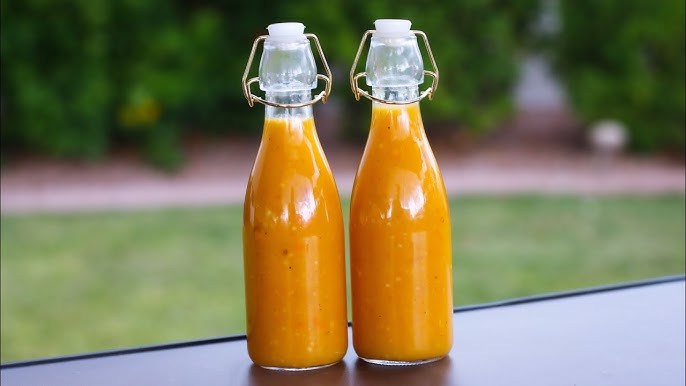
Mango Habanero Sauce Recipe: Mango habanero sauce is like summer in a bottle—with a kick. This sauce is the perfect mix of sweet, tropical mango flavor and the fiery heat of habanero peppers. Whether you’re slathering it on grilled chicken, using it as a wing sauce, or simply dipping your fries in it, this spicy-sweet condiment delivers bold flavor with every drop. If you love sauces that wake up your taste buds and make your food unforgettable, you’re in for a treat.
But here’s the deal—store-bought versions just don’t cut it. Most are loaded with sugar, preservatives, and lack that fresh, fruity punch. Making it at home gives you full control over the ingredients and the heat level. Don’t worry—it’s easier than you think.
Let’s break down how to make your own mango habanero sauce that’s restaurant-quality but made right in your kitchen.
Ingredients You’ll Need
This sauce is surprisingly simple. A few fresh ingredients combined with some pantry staples come together to create a flavor bomb you’ll want to put on everything.
Fresh Ingredients:
- 2 ripe mangoes (peeled and chopped)
- 2-4 habanero peppers (stems removed; seeds optional)
- 1 small onion (chopped)
- 2 garlic cloves (peeled and minced)
- Juice of 1 lime
Pantry Staples:
- ½ cup white vinegar or apple cider vinegar
- 2 tablespoons honey or maple syrup
- 1 tablespoon olive oil
- ½ teaspoon salt
- ¼ teaspoon black pepper
- ¼ cup water (adjust to desired consistency)
Optional Add-ins for Variation:
- ½ teaspoon ground cumin (for smokiness)
- A handful of fresh cilantro (for freshness)
- 1 small piece of ginger (for a zesty twist)
- A splash of orange juice (to enhance the fruitiness)
Choose your ingredients based on the flavor direction you want to take—fruity and fiery, smoky and sweet, or tangy with a citrus twist.
Kitchen Tools Required
You don’t need a high-end chef’s kitchen to pull this off. Just a few basic tools will do the job perfectly.
Must-Have Tools:
- Sharp knife and cutting board
- Medium saucepan or skillet
- Blender or food processor
- Measuring cups and spoons
Helpful Extras:
- Fine mesh strainer (if you want a smoother sauce)
- Glass jars or bottles for storing
- Gloves (for handling habaneros—trust me on this)
Pro tip: If you’re not used to spicy peppers, wearing gloves when chopping habaneros will save you a lot of pain later when you accidentally touch your face!
Prepping the Ingredients
Before you dive into cooking, you’ll want everything prepped and ready. This makes the process smooth and keeps the flavors locked in.
Choosing the Right Mango:
Go for ripe mangoes. They should be slightly soft to the touch and smell sweet at the stem. Ataulfo (yellow) or Kent mangoes work great because they’re sweet, juicy, and have minimal fiber.
Handling Habanero Peppers Safely:
Habaneros are no joke. They’re fiery hot, and the oils can burn your skin. Always wear gloves while handling them. If you prefer less heat, remove the seeds and inner membrane—they carry most of the heat.
Tips for Perfect Prep:
- Dice mango into small chunks for even cooking.
- Chop onions and garlic finely to help them blend better later.
- Measure out liquids ahead of time so you’re not scrambling mid-cook.
Step-by-Step Guide to Making Mango Habanero Sauce
Ready to cook? Let’s do this.
Step 1: Gather and Wash Ingredients
Start by washing all your fresh ingredients thoroughly. This removes dirt and bacteria and ensures your sauce is clean and safe.
Step 2: Peel, Chop, and Measure
Peel your mangoes and dice them into chunks. Chop the onion and garlic. Cut off the habanero stems and remove seeds if desired. Measure out all your liquids and seasonings.
Step 3: Sautéing the Aromatics
In a medium saucepan, heat olive oil over medium heat. Add chopped onions and garlic. Sauté for 3-5 minutes until they’re soft and fragrant. This adds depth to your sauce.
Step 4: Blending Everything Together
Transfer sautéed onions and garlic to a blender. Add mango chunks, habaneros, vinegar, lime juice, honey, and water. Blend until smooth. Adjust water depending on how thick or thin you want the sauce.
Step 5: Simmering for Flavor
Pour the blended mixture back into the saucepan. Bring it to a gentle simmer over low heat. Let it cook for 10-15 minutes, stirring occasionally. This step helps meld the flavors and slightly thickens the sauce.
Step 6: Taste Testing and Adjusting
Now’s the time to taste. Too spicy? Add more mango or a splash of orange juice. Not sweet enough? A drizzle of honey will fix that. Want it more acidic? Add a touch more lime juice or vinegar.
Step 7: Cooling and Storing
Once the sauce has simmered and the flavors are balanced, let it cool. Transfer to glass jars or bottles and refrigerate. It’ll thicken slightly as it cools.
Serving Suggestions
So now you’ve got this vibrant, fiery, and sweet mango habanero sauce—what do you do with it? The possibilities are endless. This sauce isn’t just for hot sauce fans; it’s a versatile condiment that can elevate almost any dish.
With Grilled Meats:
Drizzle it over grilled chicken, pork chops, shrimp, or even steak. The sweetness of the mango caramelizes beautifully on meat, and the heat from the habanero adds a kick that balances out smoky flavors. Use it as a glaze during grilling or as a finishing sauce.
As a Dipping Sauce:
Pour it into a bowl and dunk your favorite snacks into it. It’s excellent with chicken tenders, fries, plantain chips, egg rolls, or even roasted veggies. For extra creamy goodness, mix it with mayo or Greek yogurt to tone down the heat.
In Tacos or Burritos:
Tired of the same old taco toppings? Mango habanero sauce brings a fresh, zesty punch that makes tacos sing. It works beautifully with fish tacos, shredded chicken, or black bean burritos.
Other creative ways to use it:
- Swirl it into hummus or guac for a spicy surprise.
- Use it as a base for salad dressings.
- Mix into cream cheese for a bold spread.
This sauce is basically your new kitchen MVP—use it anywhere you’d use hot sauce or barbecue sauce, and watch your meals level up instantly.
Tips for Controlling Heat Level
Not everyone can handle full-on habanero heat—and that’s totally okay. The beauty of this recipe is that it’s adjustable. Here’s how you can customize the spice level to suit your taste buds:
1. Remove Seeds and Membranes:
This is where most of the heat lives. If you want a milder sauce, simply remove the seeds and white membrane from the habanero peppers before blending.
2. Use Fewer Peppers:
If you’re unsure about the heat level, start with one habanero. You can always add more after tasting the blended sauce. It’s easier to spice up than to tone down.
3. Add More Sweetness:
More mango, honey, or even a splash of fruit juice like orange or pineapple can balance the heat. Sweetness softens the burn and enhances the flavor.
4. Increase Acidity:
A little more lime juice or vinegar can brighten the sauce and mellow the heat slightly.
5. Mix with Dairy When Serving:
If it’s still too hot, pair the sauce with a creamy dip or serve alongside sour cream, yogurt, or cheese. Dairy proteins bind to capsaicin (the spicy compound) and reduce the burn.
Remember: everyone’s spice tolerance is different. Don’t feel pressured to go full throttle with the heat unless you really enjoy it. Make it your own!
Storage and Shelf Life
Homemade sauces are best when they’re fresh, but if stored properly, this one lasts surprisingly well. Let’s go over how to keep your mango habanero sauce tasting amazing for weeks.
Refrigeration Tips:
After the sauce has cooled to room temperature, pour it into airtight glass jars or containers. It’ll stay fresh in the fridge for up to 2-3 weeks. Always use a clean spoon to scoop it out to avoid contamination.
Freezing the Sauce:
Want to make a big batch and save some for later? No problem. Pour the sauce into freezer-safe containers or even ice cube trays. Freeze in portions, then store the cubes in a zip-top bag. They’ll last for up to 3 months. Just thaw in the fridge overnight when you’re ready to use.
Signs It’s Time to Toss It:
- It smells sour or off
- There’s mold growing
- The color has drastically changed
- It tastes metallic or bitter
When in doubt, throw it out. Safety first, always.
How to Make It Vegan-Friendly
Good news: This mango habanero sauce is already pretty vegan by default—but just to be sure, here are some easy tips to keep it that way.
Check the Sweetener:
Instead of honey, which some vegans avoid, use maple syrup, agave nectar, or date syrup. These options give you that same touch of sweetness without using any animal byproducts.
No Butter or Animal-Based Additives:
Stick with olive oil or avocado oil. Don’t use butter or cream in the base unless you’re intentionally making a creamy version that’s vegetarian but not vegan.
Watch Store-Bought Add-ins:
If you decide to toss in something like mustard or soy sauce, double-check the label. Some sauces include anchovy paste, honey, or preservatives that aren’t vegan.
With just one or two thoughtful swaps, this sauce is 100% plant-powered and still absolutely delicious.
Health Benefits of Ingredients
You’re not just making something tasty—you’re making something healthy-ish, too! Let’s break down some of the nutritional perks packed into this fiery sauce.
Mango:
- High in Vitamin C (boosts your immune system)
- Rich in antioxidants like beta-carotene
- A natural source of fiber to help digestion
Habanero Peppers:
- Contain capsaicin, which may boost metabolism
- Anti-inflammatory properties
- Can aid in pain relief and cardiovascular health in small amounts
Garlic and Onion:
- Known for immune-boosting compounds
- Help regulate blood sugar
- Contain sulfur compounds that support heart health
Vinegar and Lime Juice:
- Aid in digestion
- Balance blood sugar spikes
- Offer antibacterial properties
Sure, it’s spicy, but it’s also packed with flavor and functional ingredients. That’s what we call a win-win.
Common Mistakes to Avoid
Even though mango habanero sauce is a pretty forgiving recipe, a few missteps can totally throw off the flavor or texture. Let’s talk about the most common mistakes and how to dodge them like a pro.
1. Over-blending or Under-simmering:
When you blend the ingredients, aim for smooth but not over-whipped. Over-blending can incorporate too much air, making the sauce frothy or foamy. Once blended, simmering helps develop the flavors. Skipping the simmer or not giving it enough time can result in a raw, harsh taste—especially from onions, garlic, and peppers.
2. Going Overboard on the Heat:
Look, we get it—you want that spicy kick. But if you go in with 4 habaneros and no plan to balance them with mango or sweetness, you might end up with a sauce that feels more like punishment than pleasure. Start small and build up the heat gradually. You can always add more, but you can’t take it out.
3. Forgetting to Balance Flavors:
Sweet, spicy, sour, salty—this sauce is all about balance. Forgetting one element can leave your sauce tasting flat or one-dimensional. If it’s too sweet, a splash of vinegar helps. If it’s too acidic, a bit more honey or mango will save it.
4. Not Tasting as You Go:
Tasting your sauce at each stage is key. Maybe your mangoes are sweeter than usual, or your habaneros are extra fiery. Taste after blending, taste while it simmers, and definitely taste before you jar it. Your taste buds are the best guide.
5. Skipping Proper Storage:
Homemade sauces need airtight containers and refrigeration. Leaving it out too long or storing in a plastic container that absorbs flavors can shorten its shelf life. Use clean glass jars for best results.
Avoid these pitfalls and you’ll have a smooth, flavorful sauce every time.
Variations of the Sauce
Want to get a little creative? Once you’ve nailed the basic mango habanero sauce, try experimenting with some variations. These twists keep things interesting and let you pair the sauce with even more dishes.
1. Pineapple Habanero Sauce:
Swap one mango for a cup of fresh pineapple chunks. Pineapple adds a tangy, tropical zing that pairs beautifully with pork or grilled seafood. It also gives the sauce a brighter, more citrus-forward flavor.
2. Mango Jalapeño Sauce:
Need something a bit milder? Jalapeños still bring heat, but they’re not as intense as habaneros. Use 2 jalapeños (seeds removed) in place of habaneros for a more approachable version that’s perfect for family meals.
3. Mango BBQ Fusion:
Want a smoky, sticky version? Add a tablespoon of tomato paste, a teaspoon of smoked paprika, and a splash of Worcestershire sauce. This version makes an excellent wing sauce or BBQ glaze.
4. Creamy Mango Habanero Dip:
Blend your sauce with mayo, sour cream, or Greek yogurt to turn it into a dip or sandwich spread. Great for burgers, wraps, or even as a salad dressing base.
5. Roasted Mango Habanero:
Roast your mango, onion, garlic, and habaneros before blending. This brings out a rich, caramelized flavor that adds complexity to the sauce.
Feel free to mix, match, and discover your own signature twist.
Troubleshooting Your Sauce
Sometimes, even when you follow the steps perfectly, your sauce just doesn’t turn out the way you expected. Don’t worry—here’s how to troubleshoot the most common problems.
“It’s too watery!”
- Simmer longer to reduce the liquid and thicken naturally.
- Add a small spoonful of cornstarch mixed with water (slurry) and simmer until it thickens.
- Blend in extra mango or cooked carrot for natural thickness.
“It’s too spicy!”
- Add more mango, a spoonful of sugar, or fruit juice to mellow it out.
- Mix it with a dairy base (yogurt, sour cream) when serving to cut the heat.
- Avoid using the seeds or reduce the number of habaneros next time.
“It tastes too bland!”
- A dash more salt, lime juice, or vinegar can wake up the flavors.
- Try a pinch of cumin, paprika, or ginger to add complexity.
- Blend in a handful of cilantro for a fresh herbal twist.
“It turned out bitter!”
- This can happen if your garlic burned while sautéing. Next time, cook it on lower heat and don’t overdo it.
- Check your vinegar ratio—too much acidity can lead to bitterness. Try balancing it with sweet or citrus notes.
Adjusting as you go is the key to making a sauce that hits every flavor note just right.
FAQs about Mango Habanero Sauce Recipe
1. Can I use frozen mango instead of fresh?
Absolutely. Frozen mango works just fine—just make sure it’s thawed and drained of excess water before blending. It’s a great option when fresh mangoes are out of season.
2. How long does this sauce last in the fridge?
If stored in a clean, airtight container in the fridge, it should last 2 to 3 weeks. Always use a clean spoon when serving to extend shelf life.
3. Can I use other peppers instead of habanero?
Yes! You can swap in jalapeños for less heat, serrano peppers for a similar spice level, or even ghost peppers if you’re really brave (and experienced with heat).
4. Is this sauce safe for canning?
This depends on the acidity level. If you want to can it safely, make sure the pH is below 4.6. When in doubt, use tested recipes and follow proper canning protocols or freeze instead.
5. What’s the best way to thicken the sauce naturally?
Simmer it longer or blend in extra mango, carrot, or even a bit of sweet potato. These add body without altering the flavor too much.
Conclusion
There’s nothing quite like the bold, addictive flavor of homemade mango habanero sauce. It’s that perfect blend of sweet, spicy, tangy, and fresh—perfect for wings, tacos, grilled meats, or just about anything that could use a flavor upgrade. And the best part? You control the heat, the sweetness, and the depth of flavor, making it 100% your own.
Whether you’re a spice lover or someone just dipping their toes into the world of hot sauces, this recipe is a great way to start. It’s easy to make, super customizable, and guaranteed to impress friends and family.
So grab some ripe mangoes, gear up with a few fiery habaneros, and get blending. Trust me—once you taste this sauce, there’s no going back to store-bought bottles.