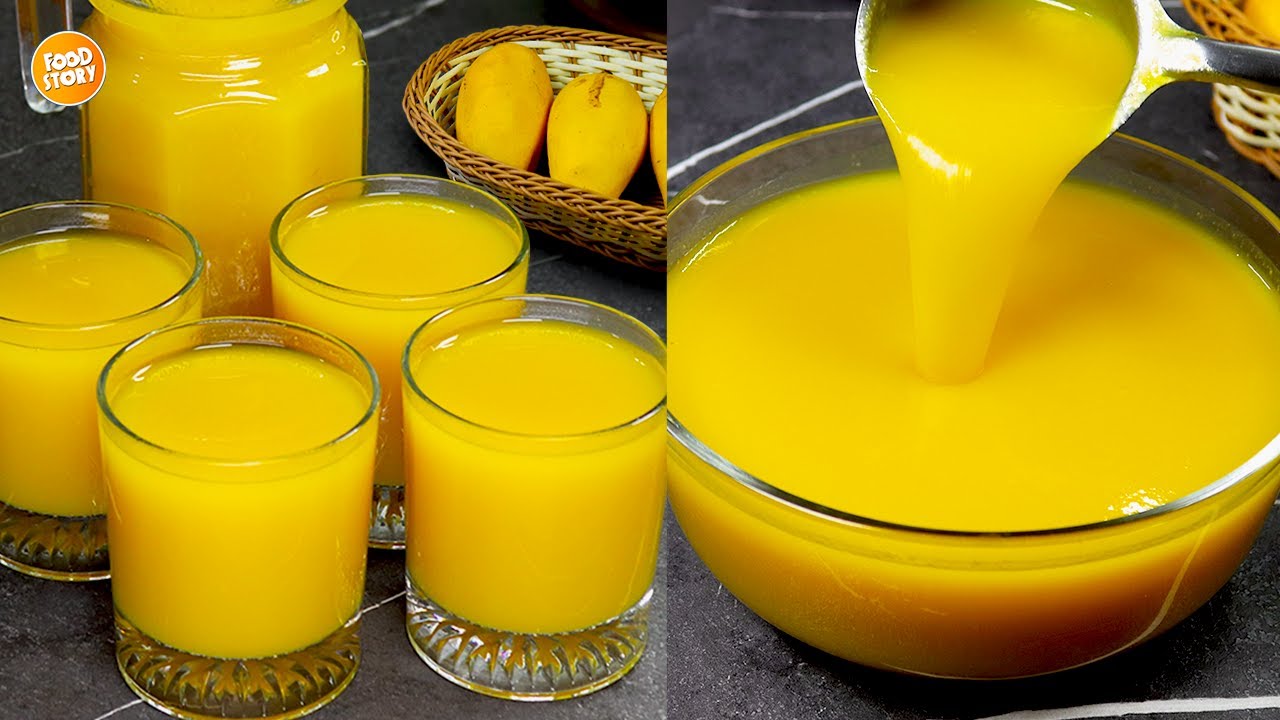
Mango Fruity Recipe: There’s something about the taste of mango that instantly transports you to sunny days and tropical vibes. Now imagine capturing that sweetness and turning it into a chilled, refreshing drink you can enjoy anytime—that’s what a mango fruity is all about! Whether you grew up loving store-bought mango fruity or you’re just discovering it, learning how to make this drink at home is a total game-changer. Homemade mango fruity is not only delicious but also free from preservatives, excess sugar, or artificial flavoring. It’s made with real fruit and real love.
This guide is your go-to manual for making mango fruity at home, step by step, with tips, variations, and everything you need to create that perfect glass of fruity goodness. From choosing the right mangoes to serving it with flair, we’ve got it all covered. And don’t worry—whether you’re a kitchen newbie or a smoothie pro, this recipe is simple, easy, and oh-so-worth it. Ready to dive into some juicy details? Let’s go!
Why You’ll Love This Mango Fruity Recipe
This mango fruity recipe hits differently. First of all, it’s natural. No weird chemicals, no artificial flavors—just real, fresh mangoes blended into a luscious, chilled beverage that tastes like summer in a glass. You get the rich taste of ripe mangoes, a bit of tang from lemon juice, and just enough sweetness to keep you coming back for more.
Second, it’s customizable. Want it vegan? It already is. Want it sugar-free? Just swap in honey, agave, or stevia. Want it tangier or thinner? You’re in control. It’s so easy to tailor this drink exactly the way you love it.
And then there’s the nostalgia factor. If you remember sipping fruity drinks during childhood—those bright orange, ice-cold cartons—this version brings back that magic with a healthy twist. One sip and you’ll see why this is better than anything store-bought. Plus, it’s kid-approved, adult-loved, and perfect for summer parties, meal accompaniments, or just solo indulgence.
Health Benefits of Mangoes
Before we jump into the recipe, let’s take a second to appreciate the superhero status of mangoes. These juicy gems aren’t just sweet—they’re packed with nutrients. Mangoes are loaded with Vitamin C, which boosts your immune system and keeps your skin glowing. They’re also rich in Vitamin A, which supports eye health and overall immunity.
Fiber? Check. Antioxidants? Tons. Mangoes even have enzymes that help with digestion. Plus, they’re naturally low in fat and high in hydration. That’s why adding mango fruity to your routine is more than just tasty—it’s smart. Especially during the summer, when hydration and immunity are key, a glass of mango fruity can do wonders.
Also worth noting: Mango contains compounds like mangiferin, which has been studied for its potential anti-inflammatory and anti-viral properties. So yes, mango fruity is more than a treat—it’s a tropical health elixir in disguise.
What is Mango Fruity?
If you’re wondering what mango fruity actually is, here’s the scoop. Mango fruity is a refreshing, non-carbonated fruit drink made primarily from mango pulp, water, sweeteners, and sometimes citrus juice. It’s commonly served chilled and enjoyed as a summer beverage in many tropical countries, especially in South Asia.
Originally popularized by commercial brands, mango fruity has become a household favorite. The homemade version, however, stands apart. It has a richer mango taste, no preservatives, and you can adjust the sweetness and texture to your liking. It’s like taking the best part of a mango and turning it into a drinkable dessert.
Whether you call it mango juice, mango drink, or mango fruity—it’s all about smooth, pulpy, golden goodness in a glass.
Types of Mangoes Perfect for Fruity
Choosing the right mango is half the battle. Here are some popular varieties that work wonders in mango fruity:
- Alphonso (Hapus): Rich, creamy, and sweet. King of mangoes for a reason.
- Kesar: Has a bright orange color and unique fragrance—great for a strong fruity flavor.
- Dasheri: Mildly sweet and juicy—good for lighter fruity.
- Totapuri: Slightly tangy, adds a zesty kick when combined with sweeter varieties.
- Langra: Fibrous yet flavorful, best when fully ripe.
If you can’t find these, go with any ripe, sweet mangoes available locally. Make sure they’re not stringy or too sour. Overripe mangoes work best for juicing as they blend easily and release natural sugars.
List of Ingredients You’ll Need
Here’s your mango fruity grocery list. Keep it simple, fresh, and sweet!
Fresh Mangoes
- Quantity: 4 to 5 medium-sized ripe mangoes
- Must be juicy, fully ripe, and free from bruises.
- Peel and dice before blending.
Sugar or Natural Sweetener
- Quantity: 3 to 4 tablespoons (adjust to taste)
- You can substitute with:
- Honey
- Stevia
- Maple syrup
- Jaggery
Lemon Juice
- Quantity: 1 to 2 tablespoons
- Enhances the flavor and prevents browning.
Water or Coconut Water
- Quantity: 2 to 3 cups (adjust based on desired consistency)
- Chilled water or tender coconut water works best.
Optional Ingredients for Variations
- Mint leaves for freshness
- A pinch of black salt for a tangy twist
- Cardamom or saffron for aroma
- Ice cubes for immediate serving
Equipment You’ll Need
Not much required, but having the right tools makes things smooth:
- Blender or Mixer
- Fine Mesh Strainer (optional but ideal)
- Knife and Peeler
- Measuring Cups and Spoons
- Jug or Bottle for Storage
- Glasses for serving
That’s it! No fancy appliances or gadgets—just the essentials.
Prepping the Mangoes – Tips for Best Flavor
Before diving into the steps, prepping your mangoes the right way is essential. First, choose mangoes that are slightly soft to the touch with a strong fruity aroma near the stem. These are ripe and juicy—the ones you want.
Wash the mangoes thoroughly under running water. This step is often skipped but it’s crucial to remove any pesticide residues or dirt. Once washed, use a sharp knife to peel the skin and slice the flesh off the seed. Try to get as much pulp as possible without any fibrous strands.
If your mangoes are stringy, you can pass the pulp through a strainer or sieve before blending to remove fibers. For best flavor, chill your mangoes in the fridge for an hour before using. Cold mango pulp blends better and gives your fruity a naturally chilled texture.
Lastly, avoid using under-ripe or sour mangoes unless you’re mixing them with sweeter ones. The key to a good mango fruity is balance—sweet, tangy, and thick.
Step-by-Step Guide to Making Mango Fruity
Creating mango fruity at home is honestly a breeze—and fun, too! Follow these easy steps to whip up a refreshing, preservative-free mango drink right in your kitchen.
Step 1: Washing and Peeling the Mangoes
Start by washing your mangoes thoroughly under running water to remove any dirt or residue. Peel the skin using a sharp knife or peeler, making sure to remove only the outer layer to keep the pulp intact.
Step 2: Cutting and Removing the Pulp
Slice the mangoes along the seed, then gently scoop or cut out the soft, juicy pulp. The richer and riper the mango, the sweeter and smoother your fruity drink will be.
Step 3: Blending the Mango Pulp
Transfer the mango pulp to a blender and blend until smooth. If the mixture seems too thick, add a small amount of cold water to help it blend evenly without losing flavor.
Step 4: Adding Sweetener and Lemon Juice
Add sugar or honey based on your preferred sweetness. A splash of lemon juice brightens the flavor and balances the natural sweetness of the mango.
Step 5: Straining the Juice
Pour the blended mixture through a fine strainer or cheesecloth to remove fibers and achieve a silky-smooth drink.
Step 6: Cooling and Storing
Refrigerate the mango fruity for at least 1–2 hours. Serve chilled or bottle it for later use—perfectly refreshing and naturally delicious!
Tips to Enhance the Flavor Naturally
Want to make your fruity next-level delicious without using artificial flavors? Here are some hacks:
- Use coconut water instead of plain water for a refreshing tropical twist.
- Add a pinch of black salt for a tangy-salty punch—it brings out the mango flavor like magic.
- Toss in a few mint leaves while blending for a cool, herbal hint.
- Drop in a few strands of saffron soaked in warm water—it gives both color and royal aroma.
- Try mixing mango varieties. Alphonso + Totapuri is a classic duo for flavor balance.
These small additions can transform your fruity from great to unforgettable.
Serving Suggestions
Mango fruity is amazing by itself, but there are so many fun ways to serve it:
- Chilled in a tall glass with ice cubes and a mint sprig.
- As a popsicle—just pour into molds and freeze.
- Over crushed ice with a dash of lime zest.
- With a scoop of vanilla ice cream for a mango float vibe.
- As a mocktail base—mix with soda, mint, and crushed ice.
For parties, serve in glass bottles or mason jars with fun straws and fruit garnishes. Want to impress your guests? Rim the glass with chili salt for a desi-twist.
Mango Fruity Recipe for Kids – How to Make It Fun
Kids love fruity drinks, but store-bought versions are often sugar bombs. This recipe is the perfect guilt-free treat. Here’s how to make it even more fun:
- Freeze into ice pops with small fruit bits inside.
- Serve in fun cups with colorful straws and cartoon toppers.
- Mix it with yogurt for a mango lassi-style drink.
- Make fruity slushies by blending with ice.
- Create fruity cubes and add to their water bottles as flavor bombs.
Let kids be part of the process—let them press the blender button or pick the mangoes. When they’re involved, they’re more likely to enjoy it.
Storage and Shelf Life
Once your mango fruity is ready, you’ll want to store it properly to keep it fresh and flavorful. The beauty of homemade fruity is that it contains no artificial preservatives, but that also means it won’t last forever—so timing is everything.
Refrigeration is key. After blending and straining your fruity, pour it into an airtight glass bottle or jar. Keep it chilled in the refrigerator at all times. This helps maintain the flavor, color, and freshness. When properly stored, your homemade mango fruity will last for 3 to 4 days in the fridge.
Here are a few extra storage tips:
- Always use clean utensils when pouring from the bottle to avoid contamination.
- Shake before use, as natural separation can occur without stabilizers.
- Do not leave it out at room temperature for too long, especially during hot months, as it can spoil quickly.
If you’ve made a large batch and can’t finish it within a few days, freezing is a great option. Pour the fruity into ice cube trays and freeze. Later, you can use these fruity cubes in smoothies, water, or thaw them for a quick drink.
Avoid storing in plastic containers for long periods, as they can absorb smells or alter the flavor. Glass containers are best for maintaining taste and hygiene.
Mistakes to Avoid While Making Mango Fruity
Even a simple recipe like mango fruity can go wrong if you overlook certain things. Here are some common mistakes—and how to avoid them:
Using Unripe or Overripe Mangoes:
- Unripe mangoes make the drink sour and overly tangy.
- Overripe mangoes can make the fruity mushy and overly fermented in taste.
Skipping the Straining Step:
- If your mangoes are fibrous, not straining the juice can make it gritty and unpleasant to drink.
Adding Too Much Sugar at Once:
- Always taste before sweetening. Some mangoes are naturally very sweet and require minimal or no added sugar.
Using Warm or Room-Temperature Ingredients:
- For best taste, use chilled mangoes and cold water. This enhances the refreshing feel.
Improper Storage:
- Not storing the fruity in a clean, airtight container or leaving it out for hours can lead to spoilage.
Not Balancing Flavors:
- Forgetting to add lemon juice can make your fruity taste flat. That tiny splash of citrus makes all the difference.
Avoiding these mistakes ensures you get a smooth, flavorful, and safe-to-drink mango fruity every single time.
Nutritional Breakdown of Homemade Mango Fruity
Here’s a quick glance at what a single glass (about 250 ml) of homemade mango fruity typically contains (based on 2 mangoes, no added sugar):
| Nutrient | Approximate Value |
|---|---|
| Calories | 120–150 kcal |
| Carbohydrates | 30–35 g |
| Sugars (natural) | 25–30 g |
| Fiber | 2–3 g |
| Vitamin C | 50–60% of RDI |
| Vitamin A | 40–50% of RDI |
| Potassium | 300–350 mg |
| Fat | < 1 g |
| Protein | 1–2 g |
Note: These values may vary depending on mango variety, quantity used, and whether sugar or sweeteners are added.
This drink is naturally high in antioxidants, Vitamin C, and hydration, making it ideal for warm weather or post-workout refreshment. Plus, no added preservatives or chemicals means you get the pure taste of mango without the junk.
FAQs about Mango Fruity Recipe
1. Can I use canned mango pulp instead of fresh mangoes?
Yes, you can! Just make sure the pulp is unsweetened or adjust the sugar in the recipe accordingly. However, fresh mangoes give a better flavor and aroma.
2. How long does homemade mango fruity last in the refrigerator?
It stays fresh for 3 to 4 days when stored in a clean, airtight container in the fridge. Shake or stir before serving.
3. Is this recipe suitable for diabetics?
If you’re diabetic, you can skip sugar and use a low-glycemic sweetener like stevia. Also, be mindful of the natural sugar content in mangoes.
4. Can I freeze mango fruity for later use?
Absolutely! You can freeze it in ice cube trays or popsicle molds. Great for smoothies or fruity-flavored ice cubes.
5. What can I do if my fruity turns out too thick?
No worries! Just add a little cold water or coconut water and blend again until you reach the desired consistency.
Conclusion
Mango fruity isn’t just a drink—it’s a vibe. It captures the essence of summer, the sweetness of ripe mangoes, and the joy of homemade goodness in a glass. Whether you’re making it for yourself, your kids, or your guests, this recipe offers a foolproof way to enjoy mangoes in liquid form—fresh, natural, and loaded with flavor.
The best part? You’re in complete control. Want it less sweet? Go light on sugar. Love it pulpy? Skip straining. Craving a twist? Add mint, saffron, or even a touch of salt. With this guide, you’ve got everything you need to become your home’s official fruity master.
So go on, pick those juicy mangoes, fire up the blender, and pour yourself some sunshine. There’s nothing quite like a chilled glass of mango fruity to make your day brighter.